12016-11-20T18:29:41-08:00Pooja Sadhwani6d5c7378faf8d043bfe3ac26a9b4aa4f9403aea2Money being used for the purpose of spending.Pooja Sadhwani1plain2016-11-20T18:29:41-08:00Pooja Sadhwani6d5c7378faf8d043bfe3ac26a9b4aa4f9403aea2
This page is referenced by:
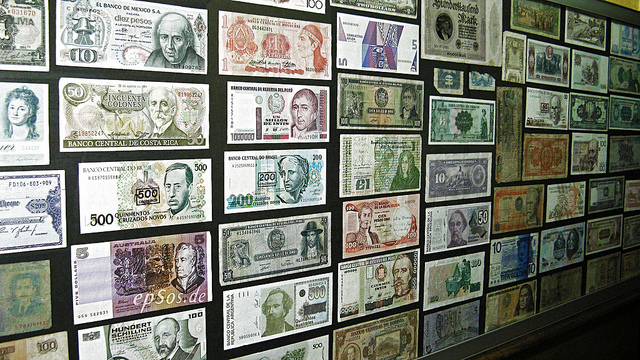
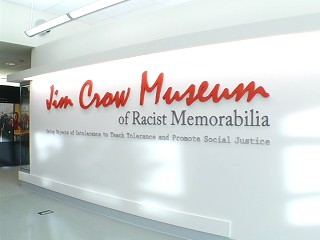
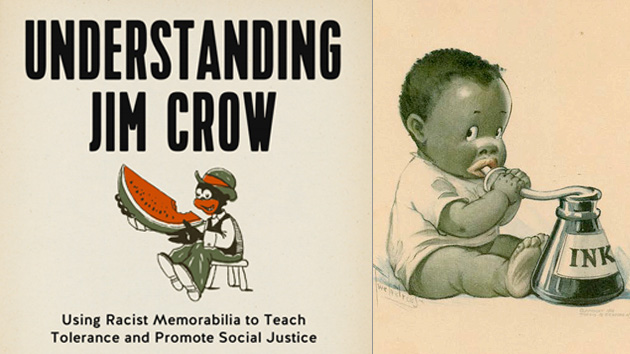
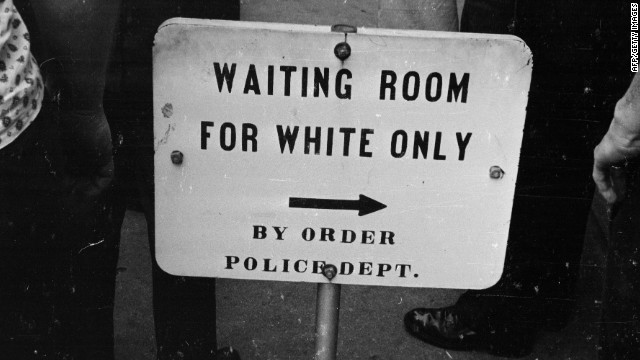
12016-11-17T17:21:56-08:00Using Everyday Objects as Memorabilia7plain2016-11-20T19:29:00-08:00Often times, people use objects as memorabilia to tell stories about the past. One primary example of this is the act of collecting money. The sole reason humans created money was for the purpose of spending in order to retrieve an item of their choice in return. However, people often collect money and showcase it to tell a story about history. This can be seen with how the visuals on the bills have developed over time. Closely looking and analysing one specific currency shows one side of history. As well as this, looking at different currencies and comparing the same number amounts can also be interesting to see cultural differences and developmental growth as a whole. Using money in this way takes away from the idea of using money as a spending object, and transforms it into an object of memorabilia that tells a story. Another primary example of using artifacts to tell stories is the Jim Crow Museum located in Big Rapids, Michigan at Ferris State University. The Jim Crow era marks the period of time where there was a racial caste system in place in the United States. This lasted from 1877 to mid 1960's, indicating that it had a huge impact on the people that lived during that time. It included a variety of racist anti-African American and anti-colorer laws. Segregation was so prominent during that period that they were treated as if they were of a lower caste. In order to showcase this, the Jim Crow museum was created. It contains racist African American memorabilia and tells a story about the time period. Solely looking at a single object from the museum would not tell the story, however the fact that a compilation of objects has been created shows the story in a stronger light. As a whole, the museum is an art piece in itself, and contains objects that have been appropriated from their original usage during the Jim Crow era. The museum as an archive is then also used to tell a story about social justice and empowerment, to make people aware of the era that existed not so long ago in our history.
More information regarding the Jim Crow Museum can be found here.