Thanks for your patience during our recent outage at scalar.usc.edu. While Scalar content is loading normally now, saving is still slow, and Scalar's 'additional metadata' features have been disabled, which may interfere with features like timelines and maps that depend on metadata. This also means that saving a page or media item will remove its additional metadata. If this occurs, you can use the 'All versions' link at the bottom of the page to restore the earlier version. We are continuing to troubleshoot, and will provide further updates as needed. Note that this only affects Scalar projects at scalar.usc.edu, and not those hosted elsewhere.
Cyber Troops in Networked KoreaMain MenuPrologue: A Declaration of the Independence of CyberspacePrologue: Myth of Free SpeechCourse DescriptionGenealogy of Comment Troops in KoreaNIS Cyber Squad in 2009-2012Formalizing comment troops as a subunit of NISSip-Al-Dan in 2012Smear political campaign by comment troops in 2012Wedge-Driving Twitter Rumors in 2013Propaganda rumors during sabre-rattling with N. Korea in 2013Characteristics of Comment Troops in South KoreaReferencesK. Hazel Kwon1b817f2c0ff691848388b7520736084cfe07409d
Team Alpha in Spring 2008
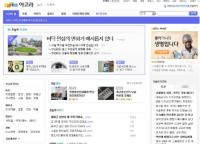
1media/daum-agroa.jpg2018-05-16T08:21:42-07:00K. Hazel Kwon1b817f2c0ff691848388b7520736084cfe07409d3036124plain2019-06-11T23:51:15-07:00Ronae Matriano8ed24d71e6036affdb22f6e2fd0ec83a8e515e95 Organized comment troops began in Korea in Spring 2008, when the National Intelligence Service (NIS) recruited far-right young citizens to engage in ultra-conservative commenting in Internet forums. They were called “Team Alpha.” Team Alpha primarily targeted a forum called “Agora,” hosted in Daum.net, one of the largest Korean portal sites. Agora was the-then digital hub of public opinions. These troopers were apparently voluntary, under the nominal “great cause” to protect the future of conservatism.
In fact, these groups were hardly voluntary: they were under control of the NIS, following orders of the agency in terms of when, where, and what to comment. NIS’s goal was ideological—to suppress progressive voices in online spaces. To amplify far-right voices in the Internet, NIS even employed a Search Engine Optimization tool called VEX (Visitor Exchanger). Their comments were explicit in name-calling and highlighted anti-communist sentiment, evoking Cold War-era propaganda.
Meanwhile, ideology was not the only reason underlying young commenters' participation. The recruited commenters were paid for their activities. For example, the team’s leader earned about $4,000 a month, which is way above the average salary in Korea. Furthermore, uploading an image that attacks the opposite party could earn up to $200 per image. According to an interview of a former Team Alpha member,
(We earned) between $25 to $50 per piece on average. If you had an image like a protest violence scene, (content value) increased up to $200.
1media/background.jpgmedia/background.jpg2018-05-15T00:48:20-07:00K. Hazel Kwon1b817f2c0ff691848388b7520736084cfe07409dCyber Troops in Networked KoreaRonae Matriano12book_splash7353442019-07-20T08:33:26-07:00Ronae Matriano8ed24d71e6036affdb22f6e2fd0ec83a8e515e95
This page has tags:
12018-05-18T02:10:37-07:00K. Hazel Kwon1b817f2c0ff691848388b7520736084cfe07409dGenealogy of Comment Troops in KoreaRonae Matriano22timeline2019-06-17T19:52:32-07:00Ronae Matriano8ed24d71e6036affdb22f6e2fd0ec83a8e515e95
This page references:
12018-05-17T12:10:09-07:00Daum-Agora2Forum Agora in Daum.net (one of the largest Internet portals in Korea)media/daum-agroa.jpgplain2019-06-18T00:56:27-07:00