Thanks for your patience during our recent outage at scalar.usc.edu. While Scalar content is loading normally now, saving is still slow, and Scalar's 'additional metadata' features have been disabled, which may interfere with features like timelines and maps that depend on metadata. This also means that saving a page or media item will remove its additional metadata. If this occurs, you can use the 'All versions' link at the bottom of the page to restore the earlier version. We are continuing to troubleshoot, and will provide further updates as needed. Note that this only affects Scalar projects at scalar.usc.edu, and not those hosted elsewhere.
Woman Life Freedom Uprising Main MenuWoman, Life, FreedomIran, Islam & the InevitableContextualizing the Islamization of IranThe Making of the Modern WomanIcons & Personas of Woman Life FreedomOrigins of the UprisingFreedom through the FemaleThe Writing in the MarginsNasleh Zed's Youthful UprisingSoundtracking Woman Life FreedomUrban Canvases of the UprisingFeminist Placemaking of a Digital UprisingAfterlives of Woman, Life, FreedomWLF ResourcesHere you will find our sources all compiled in one placeNahid Siamdoust - UT Austin Iran Collab Networka897e5b6082169b816946b1032f8b3c01e62c1ee
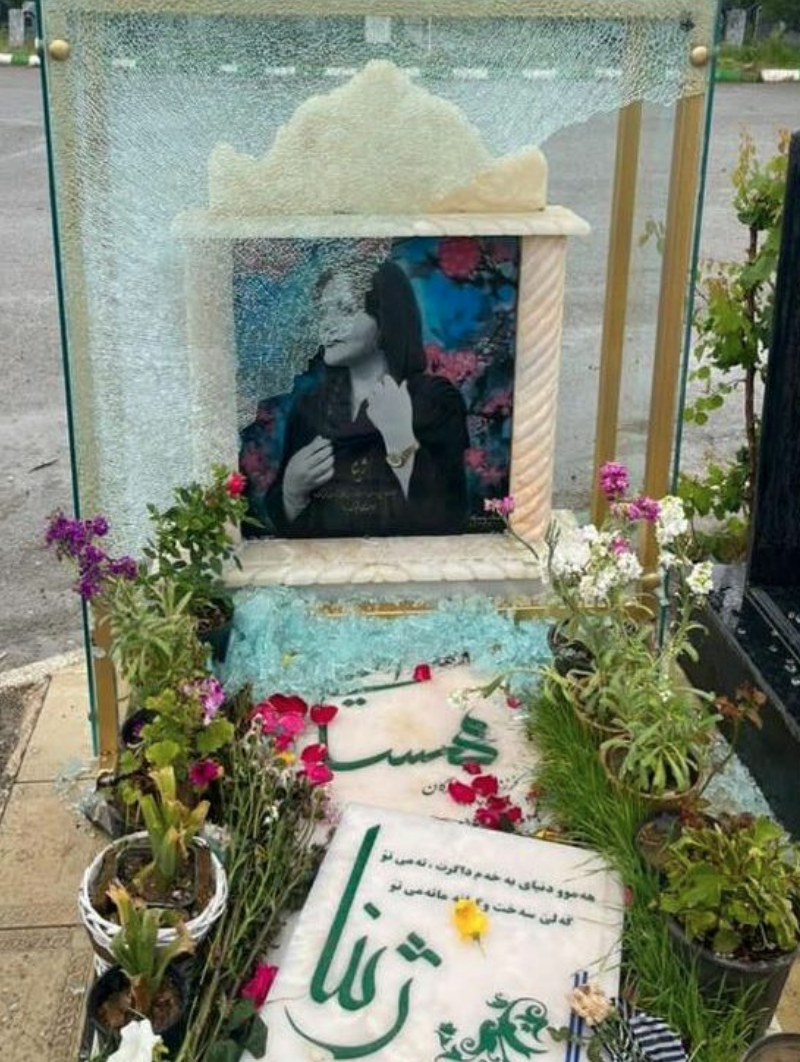
Grave of Jina Amini
1media/Screen Shot 2024-12-01 at 11.50.04 PM_thumb.png2024-12-01T21:52:10-08:00Asal Khers 8fe2adde84e1fbd5622a773ff45de6e34c901d40458711Mahsa Amini's grave attacked by vandalsplain2024-12-01T21:52:11-08:00Asal Khers 8fe2adde84e1fbd5622a773ff45de6e34c901d40
This page is referenced by:
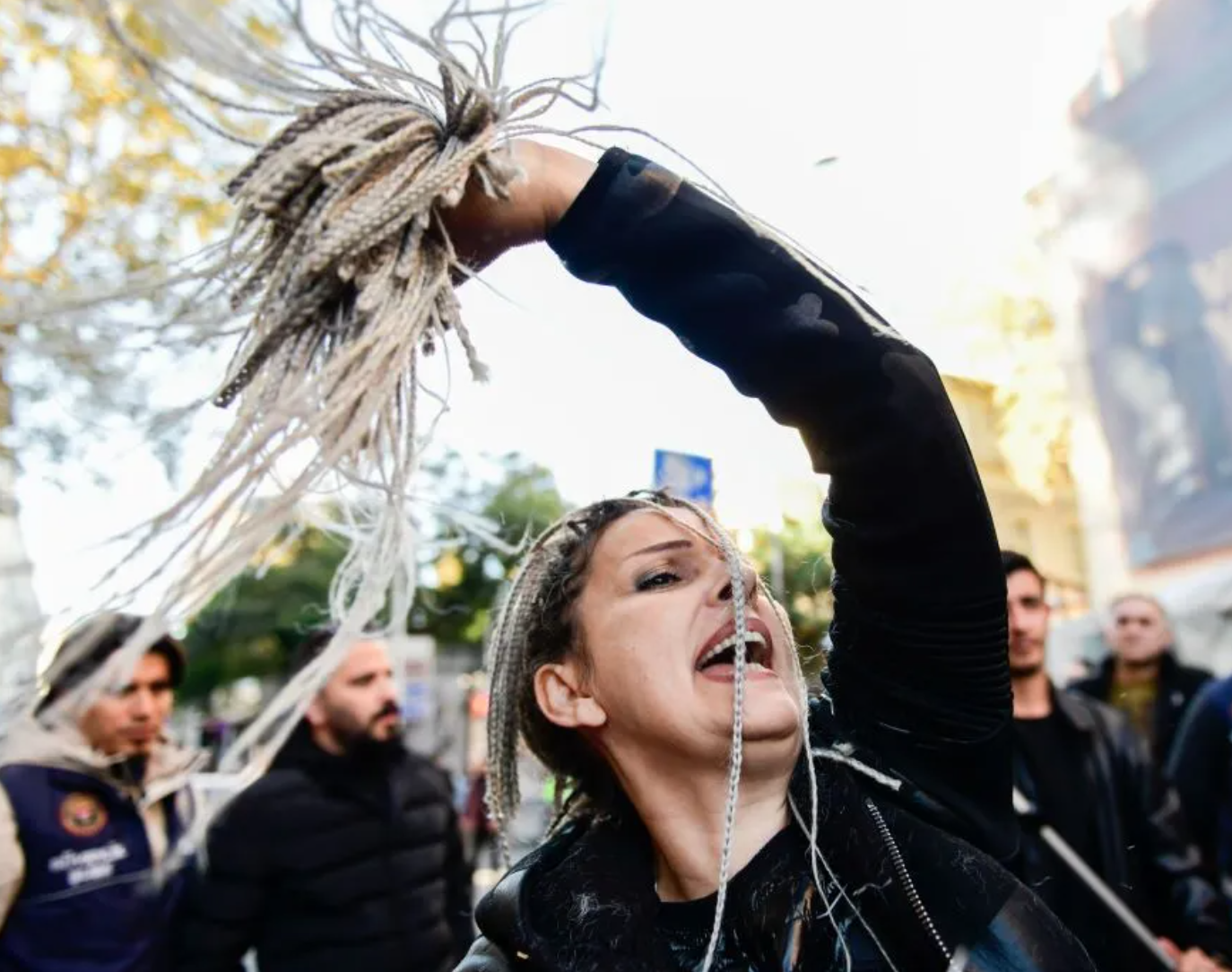
1media/Screen Shot 2024-10-27 at 6.17.48 PM.png2024-10-27T14:26:23-07:00Unity Beyond Borders24The Power of Intersectionalityimage_header2024-12-08T17:37:06-08:00The Woman, Life, Freedom uprising is a powerful movement advocating for women’s rights in Iran, sparked by the tragic death of Mahsa Jina Amini. Mahsa, a Kurdish Iranian woman, became a symbol of all women and their daily struggles living in Iran when she was killed by the morality police for allegedly not wearing her hijab properly. Her death drew global attention to the injustices in Iran, highlighting her identity as a Kurdish woman. This is a key aspect when discussing how transnationality affects the movement in general. Umar states, “As feminists and sisters in transnational solidarity, we refuse to be constrained by the perils of right- wing nationalist boundaries within our respective countries” (I Stand in Awe of Iranian Women, 2019). There is a need for transnational solidarity among oppressed women, who must come together to tackle the serious issues they encounter.
As Manijeh Moradian writes in "Embodying Revolution”, the protests began in Amini’s hometown of Saqqez, Iranian Kurdistan, where her family “engraved the following message on her tombstone: ‘Dear Jina, you won’t die. Your name will become a symbol” (P. 164). Her family’s decision sent a message that the struggles of Iranian women are linked to the layered ethnic, linguistic, religious, and class challenges they encounter (165).
This brings into focus the importance of transnational solidarity, where diverse women’s experiences unite against authoritarian structures. The Combahee River Collective, a Black feminist organization in the U.S., similarly emphasized the importance of intersectionality in understanding oppression. The article states, "We are actively committed to struggling against racial, sexual, heterosexual, and class oppression." For Kurdish women like Mahsa, their ethnicity intensifies the violence they face. Just as the Combahee River Collective called for solidarity among marginalized groups, today’s Iranian women have come together, despite their ethnic differences, to demand fundamental rights.
Iran is home to numerous ethnic groups, including Kurds, Persians, and Balochs, who are all united under a single goal. By recognizing their shared struggles, these women have created a powerful movement for gender equality. Real freedom comes from working together, no matter our different backgrounds, ethnicities, or social classes.