Thanks for your patience during our recent outage at scalar.usc.edu. While Scalar content is loading normally now, saving is still slow, and Scalar's 'additional metadata' features have been disabled, which may interfere with features like timelines and maps that depend on metadata. This also means that saving a page or media item will remove its additional metadata. If this occurs, you can use the 'All versions' link at the bottom of the page to restore the earlier version. We are continuing to troubleshoot, and will provide further updates as needed. Note that this only affects Scalar projects at scalar.usc.edu, and not those hosted elsewhere.
The Evolution of Rap MusicMain MenuThe Evolution of Rap MusicIntroduction"Rapper's Delight"The Expansion of the IndustryPublic EnemyGangsta RapThe ExplosionRap Enters the MainstreamFurther ReadingBibliographySGR - Group A20417683511b589fe0e78620a085202696e9fb1d
The Birth of Rap
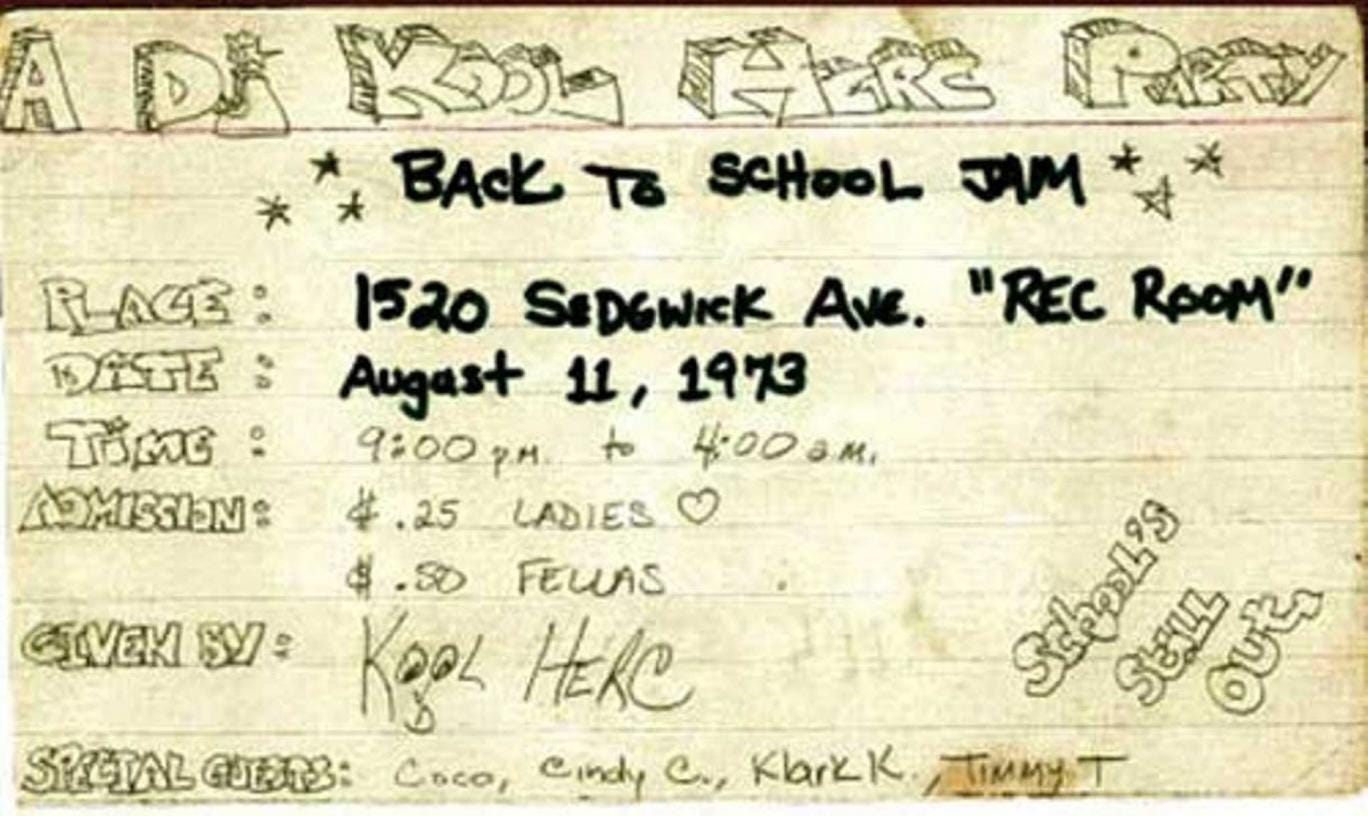
1media/29644259-rap-hip-hop-graffiti-seamless-background-with-icons-in-sketch-style-Stock-Vector.jpg2016-03-08T10:21:18-08:00SGR - Group A20417683511b589fe0e78620a085202696e9fb1d844244plain2016-03-11T20:55:04-08:00SGR - Group A20417683511b589fe0e78620a085202696e9fb1dIn a way, rap has existed for hundreds of years. The fundamentals and elementals have been a part of African American culture ever since the time of slavery. They once acted as a means of expression and a way of coping with the hardships and toils the slaves endured. Cheryl Keyes, a professor of ethnomusicology, also verifies that components of rap “can be traced from African bardic traditions to rural southern-based expressions of African Americans—toast, tales, sermons, blues, game songs, and allied forms—all of which are recited in a chanted rhyme or poetic fashion” (40). Furthermore, it comes as no surprise that rap music resurged and developed as its own genre during a time of great hardship. Throughout the 70s, the Bronx was home to “de-industrialization, skyrocketing unemployment, increased crime, governmental neglect, and white flight,” which lead to the materialization of rap (Toop and Cheney). The hip hop movement, which gave way to rap, provided an outlet and means of creative expression. Rather than succumbing to gang culture and the assumptions of society, African American youth turned to the forms of hip hop. A prominent form was DJing, which paved the way for rap. Moreover, Clive Campbell, better known as Kool Herc, played a major role in the cultivation of rap as a young DJ in the Bronx. He experimented with various genres of music, but was acclaimed for “[playing] the percussion or break sections of funk records at street parties and local dances” (Toop and Cheney). Herc was also noted for his addition and utilization of MCs, particularly Coke La Rock. DJs mainly added MCs to assist in exciting the audience, however, “La Rock, often described as the first rapper... rhymed and improvised over the music” (Toop and Cheney). The pairing of La Rock’s rhymes and Herc’s instrumentals exposed the hip hop community to a whole new realm of possibilities. It ignited minds and souls of young MCs, and thus began the cultivation of rap. As a result, rappers and the genre of rap were born.
This page has paths:
1media/29644259-rap-hip-hop-graffiti-seamless-background-with-icons-in-sketch-style-Stock-Vector.jpgmedia/Rappers.jpg2016-03-08T10:25:14-08:00SGR - Group A20417683511b589fe0e78620a085202696e9fb1dThe Evolution of Rap MusicSGR - Group A23Introductionimage_header2017-04-09T14:53:43-07:00SGR - Group A20417683511b589fe0e78620a085202696e9fb1d
This page references:
12016-03-10T09:46:27-08:00Flyer for Kool Herd's "Back To School Jam"1Flyer for a "Back To School Jam" where Kool Herd was DJing, located in the Bronxplain2016-03-10T09:46:27-08:00
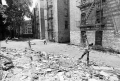
12016-03-10T10:00:28-08:00South Bronx, June 19751A youngster makes a leaping catch during a softball game in an empty lot in the South Bronx section of New York City on June 20, 1975. (AP Photo)media/AP750620037.jpgplain2016-03-10T10:00:28-08:00
12016-03-10T09:15:25-08:00Interview with DJ Kool Herc1Interview with DJ Kool Herc from NPR's "Fresh Air" program.plain2016-03-10T09:15:25-08:00