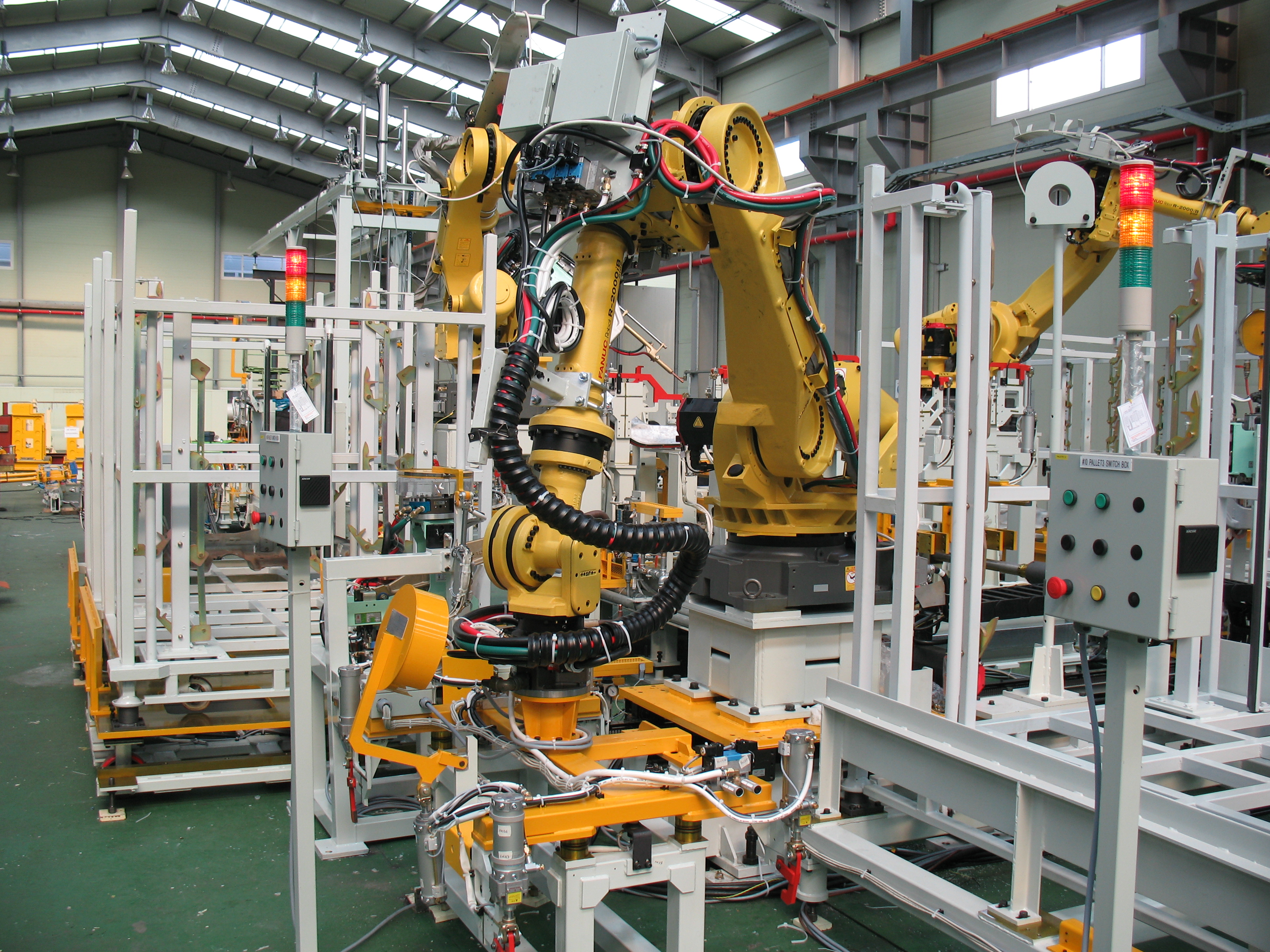
Manufacturing equipment
1 2017-11-30T20:43:18-08:00 Jake Rames d208727d8456a50414ae15430a2f1266e595529c 27049 2 Manufacturing equipment. Photo by Mixabest. Uploaded 7 March 2008. Attribution-ShareAlike 3.0 Unported. plain 2017-12-10T18:53:41-08:00 Jonathan Steinwand c8ac305627e647489509eb85de97dd9cc5413a58This page is referenced by:
-
1
media/1200px-Anacortes_Refinery_31911.JPG
2017-11-29T10:44:56-08:00
Health, Petroleum Refineries, and the Future
23
By: Jake Rames
image_header
558282
2017-12-11T09:40:44-08:00
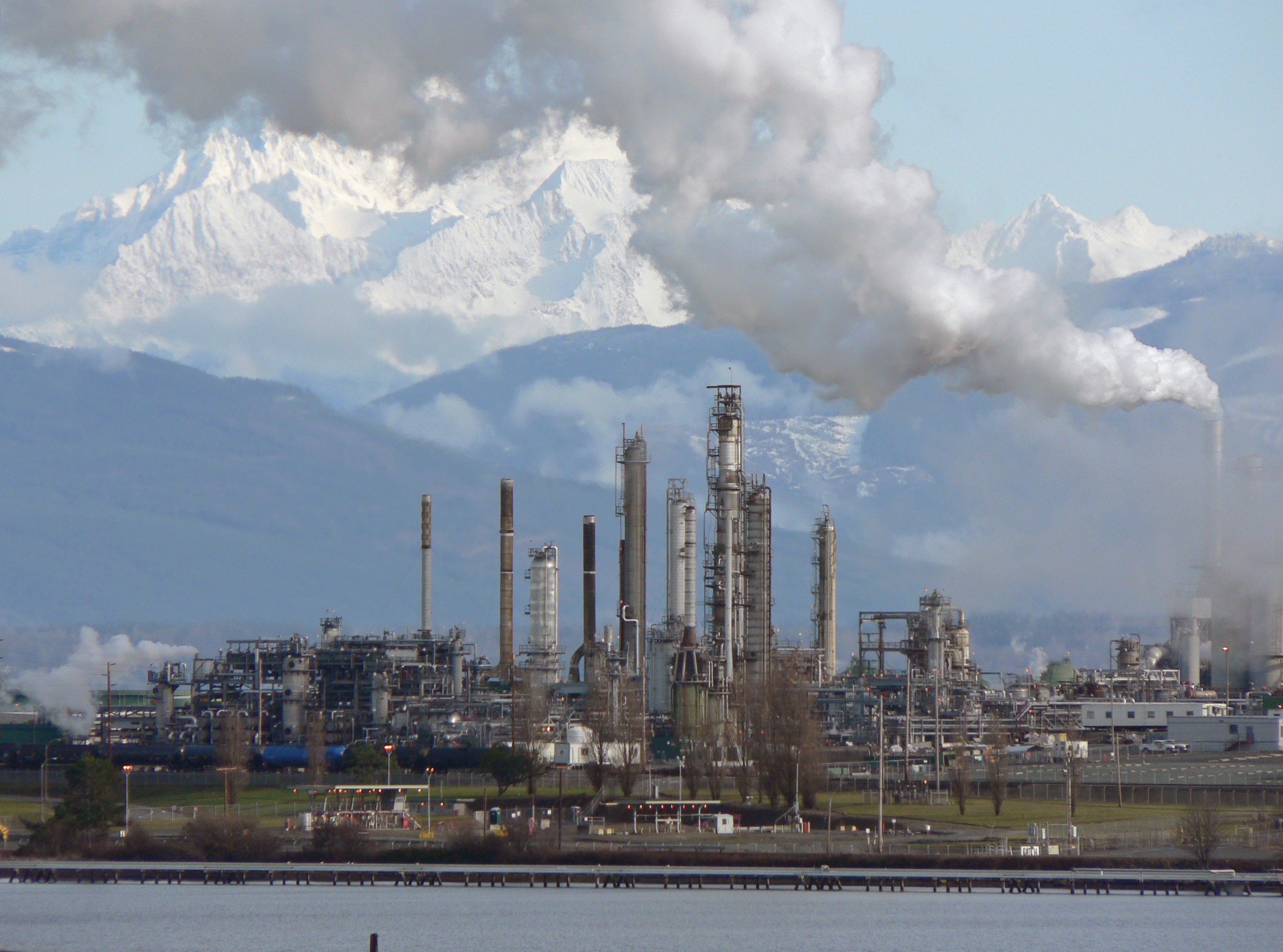
Image Header: Oil refinery Anacortes Refinery. Photo by Walter Siegmund. Attribution-ShareAlike 3.0 Unported.
Introduction:The changes in manufacturing and transportation are what truly define the twenty first century. Now more than ever before, people are traveling further distances and buying more goods. This may seem like things could not be going better in the world, but with these changes came a massive increase in the amount of people who are affected by a previously unthought of consequence: air pollution. In order to cater to our desire to travel and our want to continuously buy new goods, oil refineries, petroleum refineries, and have massively increased production. This increase in production has come with an increased cost of living, more people are having heart attacks, lung cancer, and increased mortality rates for those living near refineries. People who live nearer to these refineries and plants tend to be the ones who are most affected by the pollution, and in order to help keep our world and our people happy something needs to change. I seek to inform you of the complicated history of oil refineries, changes that have been made to the refineries over time, how refineries affect air pollution in populations, where refineries have typically been sited, and refinery mortality rates. In order to reduce the health implications on populations, governments ought to require that refineries be dispersed from population centers of 50,000 or more.