Thanks for your patience during our recent outage at scalar.usc.edu. While Scalar content is loading normally now, saving is still slow, and Scalar's 'additional metadata' features have been disabled, which may interfere with features like timelines and maps that depend on metadata. This also means that saving a page or media item will remove its additional metadata. If this occurs, you can use the 'All versions' link at the bottom of the page to restore the earlier version. We are continuing to troubleshoot, and will provide further updates as needed. Note that this only affects Scalar projects at scalar.usc.edu, and not those hosted elsewhere.
James Lee Dickey: An Analysis of One African-American's Leadership in Jim Crow TexasMain MenuJames Lee Dickey: An Analysis of One African American's Leadership in Jim Crow TexasIntroductionSlave No MoreFreedman after Bondage 1865 - 1955African American LeadershipContenders for the TitleJames Lee DickeyThe Leadership of James Lee DickeyLocations in Dr. James Lee Dickey's StoryGoogle locations for Dr. Dickey's BiographyMaureen Grayab288c53aefb942d3e6102c32f4d6e3a10268d3b
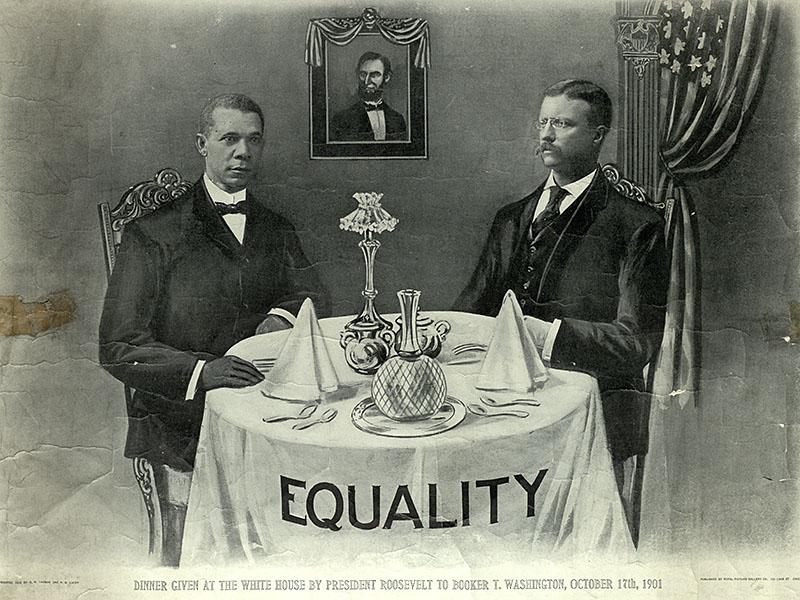
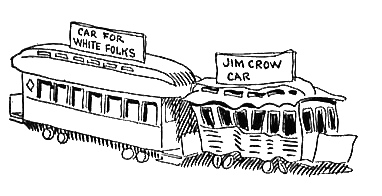
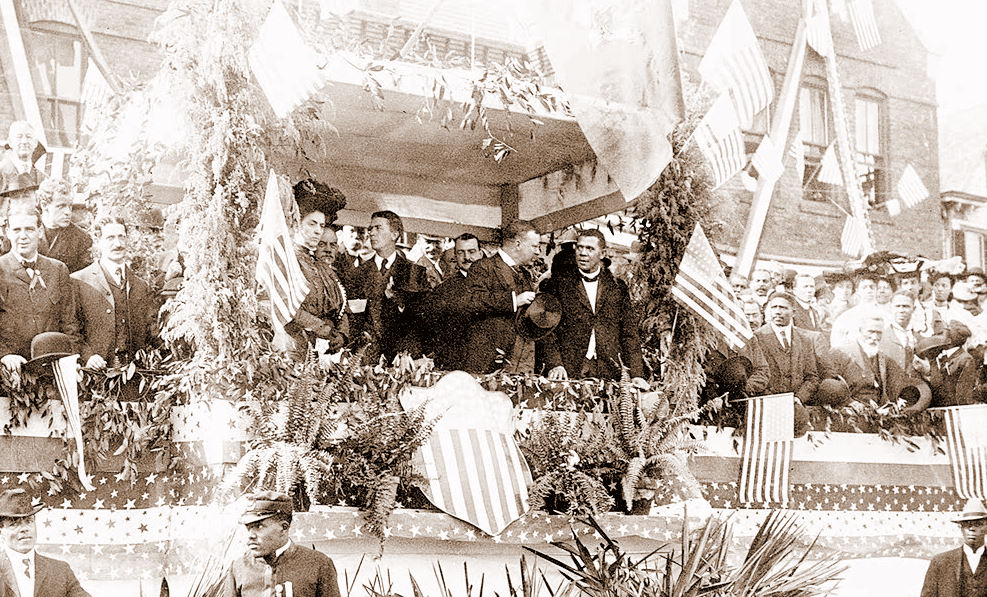
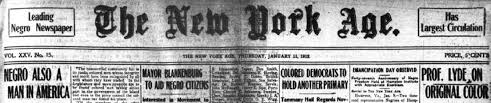
1media/btw:tr etching equality.jpg2018-03-31T04:25:52-07:00The Secret Life of Booker T. Washington9image_header2018-06-03T14:44:20-07:00Booker T. Washington believed the way to achieve civil rights began with earning respect. Since the South resented the federal government's involvement in state business, Washington knew a federal mandate demanding better treatment for Negroes would only result in more hardship for his people; therefore, Washington employed a sleight of hand technique to gain equality. He pandered to white Southerners with humility all the while working covertly to change the situation for blacks. In one instance, a black lawyer in Tuskegee was being chased by a lynch mob in 1895, Booker T. Washington secretly arranged to hide the man off campus so when the mob came to the school, Washington could honestly respond that he was not hiding him. Black newspaper editors publicly berated him for not granting the man asylum. To safeguard the school, Washington was never able to set the record straight. In addition, he anonymously contributed money to challenge segregation in the courts. He felt most passionately about the exclusion of blacks from juries and disfranchisement. Two specific cases were in 1903 Giles v Harris challenging disfranchisement and in 1904 Rogers v Alabama in which the court ruled that excluding blacks from grand juries was a violation of the 14th amendment. He promoted agriculture but behind the scenes he attacked peonage; he encouraged land ownership rather than sharecropping. Though he would never directly instruct to his students to publicly picket a discriminatory business, he wrote "a Negro’s nickel is necessary to keep the street railway corporation alive” in response to segregated rail cars. While he did not openly support political candidates, he advised President Roosevelt of a Lily White candidate in the Alabama election of 1902. He indirectly influenced politics by quietly funding several Negro newspapers and had majority ownership of the New York Age in 1907. He took a stand opposing Negro newspapers that advertised whitening products such as skin lighteners and hair straighteners.