Thanks for your patience during our recent outage at scalar.usc.edu. While Scalar content is loading normally now, saving is still slow, and Scalar's 'additional metadata' features have been disabled, which may interfere with features like timelines and maps that depend on metadata. This also means that saving a page or media item will remove its additional metadata. If this occurs, you can use the 'All versions' link at the bottom of the page to restore the earlier version. We are continuing to troubleshoot, and will provide further updates as needed. Note that this only affects Scalar projects at scalar.usc.edu, and not those hosted elsewhere.
Herbarium: Medicinal Plants as Information
Main Menu
Introduction
Student Projects
Worthy Worts: Comprehensive Comparison of the Histories, Structures, and Therapeutic Uses of Plants in the Scrophulariaceae and Asteraceae Families
In order to better understand the “worts'” categorization, an analysis of the plants within the Scrophulariaceae family (Scrophularia californica, Scrophularia scorodonia, and Galvezia juncea) and two plants within the Asteraceae family (Artemisia douglasiana and Artemisia campestris) was conducted. Through research thus far, it was found that these aforementioned plants share structural similarities in terms of aspects that include venation of the leaves. The most prominent common denominator of the wort category is that they all have therapeutic uses. Among the historical therapeutic uses found in the literature are anti-inflammatory, anti-viral, and antioxidant uses. These benefits have been utilized from societies ranging from the American Indians to the Europeans. -By Chris Leung, Catly Do, Fady Tawfik, and Sean Jamali.
Exploring the Sages: Medicinal Properties and Appearances of Artemisia Californica and Salvia Apiana
Both plants Artemisia Californica and Salvia apiana under the category of sages play important roles in maintaining the growth of their local ecosystems with similar habitats, medicinal properties, and flowering appearances during the times of collection. However, they also share important differences in their flowering and growth patterns as well as the active agents used for their medicinal properties. In analyzing the similarities and differences between these two plants regarding appearances, climate, medicinal properties, and growth patterns, the similarities in how they are able to provide and support their local ecosystems is the big picture idea that can be understood. - By Stephanie Bottomley, Rasika Obla, Tony Ong, and Balpreet Sond.
Tea Time: Exploring the Medicinal Properties of Bark-Use Plants from a Traditional Ecological Knowledge Context
This page discusses three different plants that contain significant medicinal properties in their bark and have been historically used by indigenous communities throughout North America: Populus tremuloides, Frangula californica subsp. californica, and Amelanchier alnifolia. These species will be compared on a global scale by examining the bark-based applications of two related species from Africa and East Asia: Dovyalis caffra and Rhaphiolepis umbellata. Despite their phenotypic differences and the differences in their medicinal properties, all five of these plants have been used to help relieve symptoms of communicable and chronic diseases through the direct digestion of tea like remedies made from the boiled bark of these plants. -By Saja Zidan, Maha Ulhaq, Kate Santoso, Gillian, Miller, Anna Jovin, and Luc Lorain
The History, Comparison, and Analysis of Parasitic Plants
Our project presents the process of collecting and researching the special characteristics of parasitic plants. We explore each plant's respective medical practices and compare them to epiphytic plants that are similar to our original plants of interest. In each project, we individually explain how the plants were collected, identified, translated, and classified. The contextual reasons behind this process are also presented and connected to the general unique characteristics of parasitic plants. Each page provides a collection of media images that visually represent the main plant of interest, the epiphytic plant, the historical materia medica image, and the individual journal observations that we made of our respective plants. We offer comparative analysis and highlight important parts of each specimen throughout these photos. - By Khang Vo, Jessica McLaughlin, Alastair Sterns, and Dania Alkoraishi
Combating Coughs: The Respiratory Remedies across North America
Bioprospecting and the application of materia medica have played central roles in the remedy of physical ailments in humans throughout history. From ancient cultures utilizing extracts from leaves and roots to modern medicinal practices extracting medicinal properties from plants to put into pills and other therapies, materia medica has and remains a relevant and growing practice. Here, we examine various plants from North America and their varied characteristics, though they share similar medicinal properties.- By Raymond Ko, Mari Williams, Elizabeth Pham, Julia Tang, Cienna Henry Milton, and Emma Barrall
Antiseptics in Nature: An exploratory analysis of Coptis trifolia and Larrea tridentata
The following research studies common properties of plants used as potential antiseptic medicinal use. Explained more in depth later on, the first page introduces the plant Coptis trifolia, and its common characteristics with a similar plant, Thalictrum fendleri. The second page studies Larrea Tridentata found at the UCLA Herbarium and its living species at the UCLA Botanical Garden. The pages also examine other species found at the UCLA Botanical Garden, with references of possible characteristics which may allude to the specificity and uniqueness of the plants and objects. These three species studied share a common use as an antiseptic. - By Neha Shetty, Simran Athwal, Mariah Ghodrat, Madeline Huttie, and Liam Kordmahale-Izaddoust
Plant Specimen and their Alias : Exploring the Identity of Plants with Animal in the Name
Lycium torreyi and Equisetum laevigatum, both plant species with an animal in their name, were explored for their characteristics and relationship to their respective animals. Through extensive research, we deduce several similarities and differences between our plants that led us to an understanding of why each plant earned their colloquial name, or alias. Lycium torreyi and Equisetum laevigatum, alias Wolfberry and Smooth Horsetail, respectively, have several commonalities and differences to their corresponding animal including physical and character traits as well as their medicinal qualities. Images, observations and outside research portray the many queries and answers to their common name. By Frieda Anastopulos, Alexa Hernandez, Denise Llera, Chelsea Okoro, Grace Randall
Precious Polygonaceae: Insight into the Historical Collection and Therapeutic Uses of Polygonum, Eriogonum, and Rumex Genera
This comparative analysis took to exploring six species under the Polygonaceae plant family, half of which are housed in the UCLA Herbarium and half of which are located in the Mildred E. Mathias Botanical Garden at UCLA. Although they shared a meaningful commonality, these plants fell under a total of three genuses, which seems to explain their differences in morphology - as observed in the physical herbarium specimen sheets and the botanical garden visit - and utility, as unveiled by various Materia Medica entries. However, with an understanding of both historical and modern collection processes, this analysis also postulated that such differences could relate to how these plants were collected and their associated metadata. - By Moryel Yashar, Lexie Baughman, Nicole Cohen, Yair Tabibi, Tabetha Sanchez, and Leah Tabibi
Bidens pilosa, Crataegus douglasii, and Urtica dioica effects on Cardiovascular System
Bidens pilosa, Crataegus douglasii, and Urtica dioica are medicinal plants that have been found to contain a myriad of bioactive compounds, such as flavonoids, antioxidants, and polyphenol compounds. These compounds are known to have significant effects on the cardiovascular system by primarily targeting systolic hypertension. Plant extracts and their derivatives ameliorate oxidative stress, hyperlipidemia, and hypertension associated with cardiovascular disease. This association is due to the characteristics of anti-inflammatory, vasorelaxant, and antiviral activity within the specimen. These medicinal outcomes are elicited to prevent the onset of cardiovascular diseases risk factors. Overall, Bidens pilosa, Crataegus douglasii, and Urtica dioica play a crucial role in cardioprotective effects and health benefits. - By Salma Fawzi, Anaeli Guzman, Rere Huang, Lilliane Martin, Isabel Nakoud, and Sriha Srinivasan
A History and Analysis of Antiviral Medicinal Plants
Medicinal plants vary wildly among cultures around the world, and proper identification, collections, and bioprospecting of these plants expand upon modern medicine and provide new possibilities of drugs. Exploration of historical materia medica, preserved herbarium specimens, and observation of plants both in adaptations and chosen environment allow for the discovery of new medical leads. Three plants in particular, Eclipta prostrata, Astragalus nuttallii var. Nuttallii, and Sambucus canadensis, have historically been documented and used in medicine for their antiviral properties. Through the process of observation as well as investigation of historic cultural uses, much can be learned about these medicinal plants that carry these critical properties. - By Allison Wang, Joanne Kwak, Nina Do, Nicolo Villasis, Sabrina Huang, and Hamza Mojadidi
Tabetha Nicole Sanchez
e93aa456bf1fa2a9aac6c7025b6e934476fc9bbb
Saja Zidan
8c6e75518e3a22769670a28aed10603345e7e636
Liam Izaddoust
3dff8aaaf7eb5ff335d69d055a03a71c67ce59de
Gillian Miller
c7cf3824cbbdb9f34cf3ecb5f2fba97904e6d484
Madeline Huttie
ed37d79b143b74ce4a1679ca7e866298243829f6
Kate Santoso
8984ce8d3e506b5432eac435ad9c764c0b4f2e7f
Simran Athwal
e48f42f59698aecdbea4875ccb493c2ee4fc87b4
Theresa Denise Llera
d93e0c138cc959dcd12215f164bacda878732f73
Lexie Baughman
8e25a77aa976a9ae7f3f53b2f31421fb9623fd7e
Emma Barrall
6d3b9f7a229731a4e981ad708558ce97a3994423
Neha Shetty
a3a6cc6d9c1c75b477ae8cc6996064c5f66f7e53
Salma Fawzi
e0cbc3d703665a7bf086845c5bd8f89cae742c30
Julia Tang
3b35a59e6bde4dd1523cba084d5b3c40f07bf765
Luc Lorain
de2c39cfbf034abd100fb226cd0b59b275d83658
Alastair Sterns
d894b924bb371978267b9b868ef3c3d92c0a0127
Tony Ong
c238c9ee398b21719363ef42a97c130f2dfbd383
Hamza Yusuf Mojadidi
9a6364479e06a5d9023a16fae37739e3ced2196d
Anna Jovin
1322c3d9ab970731a2a5376a43b7e0b48568c62b
Grace Randall
496fc3be58dbc74294eacf99a668736e074278c1
Isabel Nakoud
46e81ad443c40ffaa2a2cde4dd2365f823e8a43c
Mariah_Ghodrat_Three-leaf Goldthread
27b9afa8f7290e32b44e9d7be679c16c0575e046
Catly Do
3ade270a73b6b804ebea6c28142c6a74ba8c2e0b
Khang Vo
cd5c51849b921aef6fcf4a9b188c546ea4981515
Dania Alkoraishi
670ccb4d23e37d957a057cf55a73aba2a6ee7670
Jessica McLaughlin
ba307299f043f94b58b5c44c6c96c7749ac69d59
Moryel Yashar
10371b80dc53ee92566a2fccaf1cc9fa6abf3407
Balpreet Sond
e1b2ff8f727432755fd8e0ee4cdc25b36a5da9f4
Alexa Hernandez
7d5cc6e0132c0716c5705c86198ac7f32cef7efe
Christopher Leung
98ab99380db3ab4d8b47a22fcdf8f1aa34d645eb
Allison Wang
238ea84044521900ce895655130f58c6d710d045
Nina Do
dddda182094f75579255eb38be7e30462a81f3d0
Joanne Kwak
035f00d5f05f3c560601b008cd0ae71d45b78461
Nicolo Villasis
dbccff0b57b484782698998ea9f94f9890232b48
Sabrina Huang
95135d9ef0c46b16243bd55f6ca3fa9825936cb5
Yair Tabibi
078fed945287deb72c47d884b791a31f6b31eab5
Nicole Cohen
77b59277f6b2a55cc085a928224030c702d38cf4
Leah Tabibi
8157be92ce0bcd1008035166dd8fa23af104a1fb
Sriha Srinivasan
6a9d5a1a3347c92ef2d18502d9dd9c480c918758
Cienna Henry Milton
267442b093ae31dabe4878cb2035067e12901d73
Anaeli Guzman
f70e7e906f4babfe75a06cc23a6c8a385746de88
Elizabeth Pham
05e44d566f6da2c854378c3924371ba385bcbb60
Sean Jamali
10632a3d6ddff769f427d90bc38602c862c1cb4d
Stephanie Bottomley
dc6780b4d6b9b68630c7632dc772a90913d40a05
Mari Williams
784cd1ed101f2f4533366c947629463486c8415a
Frieda Anastopulos
11ba0713eb388e7d0a47d8b1a50440a5638fd93d
Rasika Obla
945abb18cc766d679f42803536dc22ebe1fafb19
Rere Huang
d6c58a941332cd93b724ce557b7ff05eff1ea9e9
Raymond Ko
84a7beaf92e727b1f545d35d622be2144696e3dc
Lilliane Martin
0901a468e043d7ea9dfedad0679d1e81bf4f2f02
Chelsea Okoro
433df3eac8f2ffcef84c2a50d6f3f846758bb522
Fady Tawfik
f47ca6140616c8672c6da67dedc132e251f1c751
Chien-Ling Liu Zeleny
b41fb6e9789888538ccab835b41e1a49b128a7bf
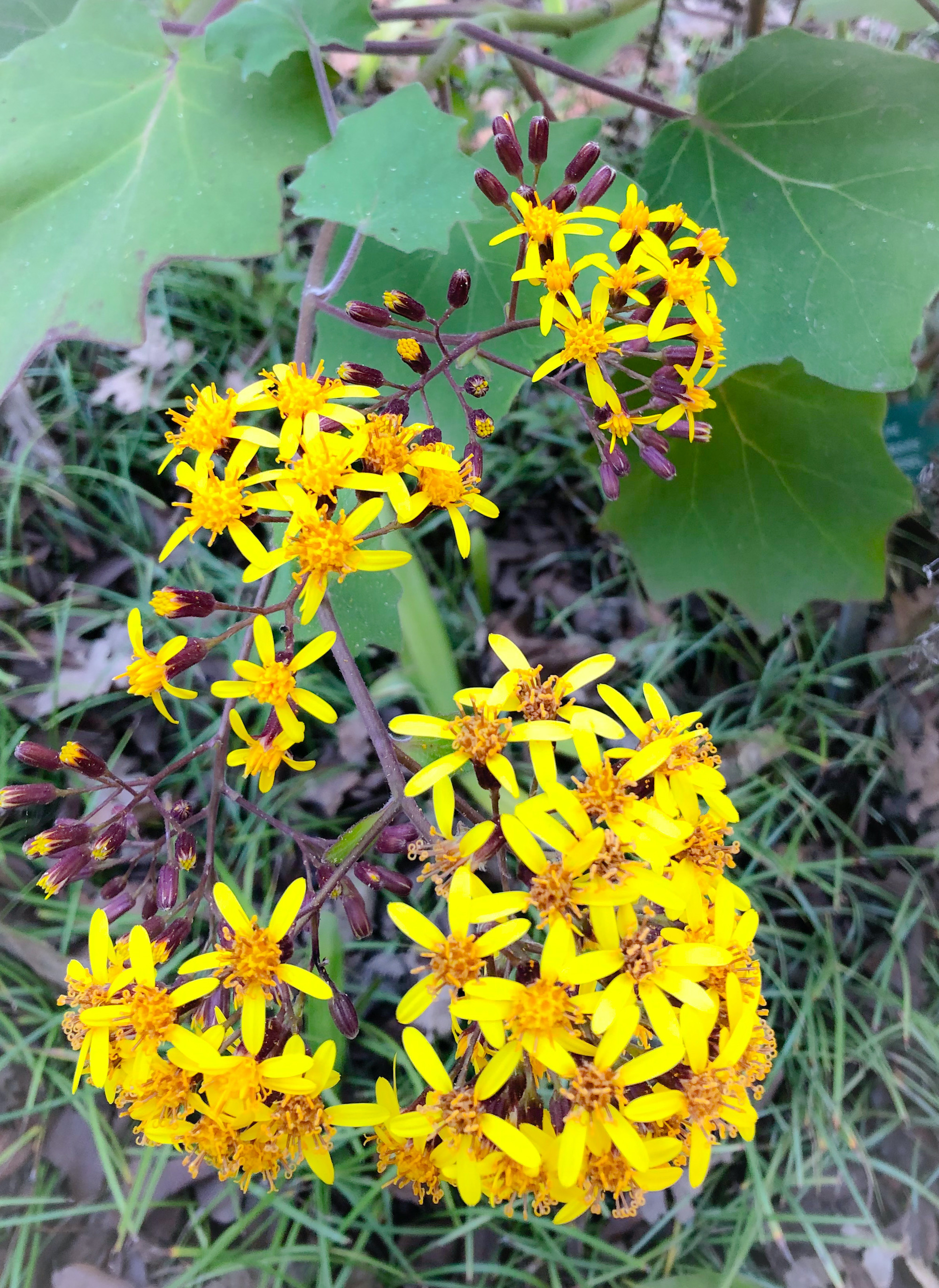
Flowers of Roldana petasitis
1 media/IMG_6917_thumb.jpg 2022-03-01T22:09:42-08:00 Rere Huang d6c58a941332cd93b724ce557b7ff05eff1ea9e9 40021 3 Each flower contains several reproductive parts which likely contributes to an increased efficiency in reproduction . plain 2022-03-02T11:26:05-08:00 Rere Huang d6c58a941332cd93b724ce557b7ff05eff1ea9e9This page is referenced by:
-
1
2022-02-16T11:36:21-08:00
Bidens pilosa and Roldana petasitis: adaptations designed to enhance reproductive success
63
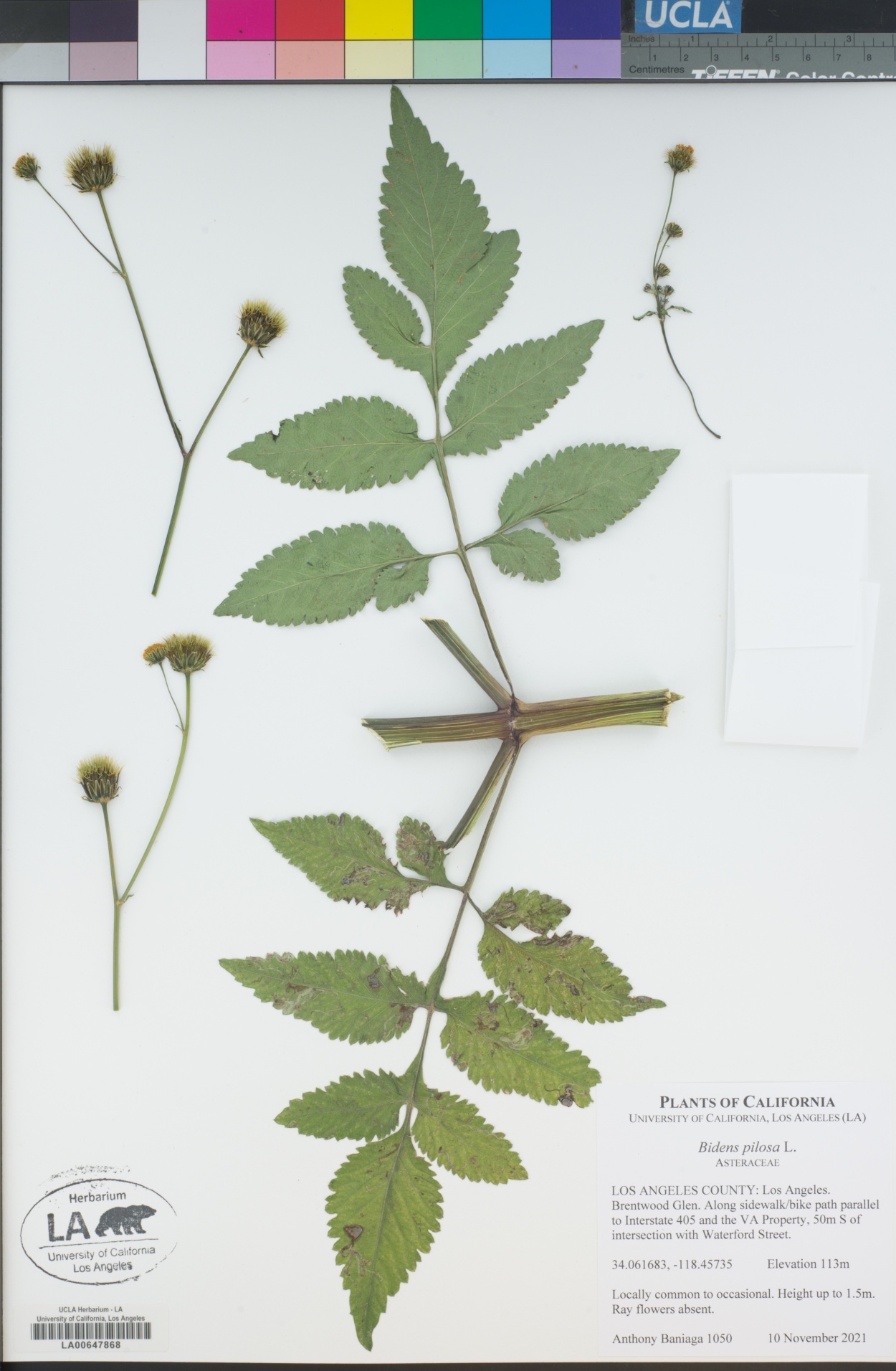
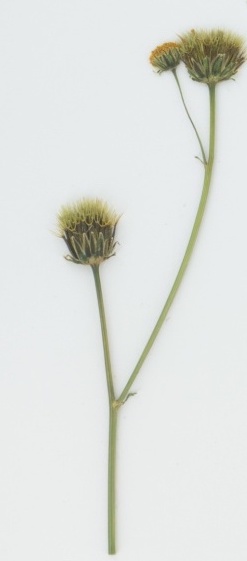
Through the use of plant specimens and information from historical materia medica, the UCLA herbarium, and the Mildred E. Mathias Botanical Garden of UCLA, this project aims to understand and explore the history, plant collection process, unique characteristics, and medicinal properties of two plants within the Asteraceae family. This project explores these topics in regards to Bidens pilosa, a specimen collected for the UCLA herbarium, and Roldana petasitis, a live specimen found at the UCLA botanical garden, with an emphasis on the the similar physical traits and characteristics designed to enhance the overall reproductive success of these plants. Traits that enhance seed dispersal, increase pollination, and significantly decrease water loss in hot and temperate climates will be explored. Furthermore, the details concerning the plant collection process will be presented along with both modern and historical medicinal plant uses. - By Lilliane Martin and Rere Huang
plain
2022-03-09T15:00:00-08:00
The reproductive success of a plant is often determined by effective seed dispersal, maturation, and high rates of pollination. Both Bidens pilosa and Roldana petasitis possess these features critical to their survival. Bidens pilosa with barbed seeds and Roldana petasitis with light fluffy seeds, can both undergo effective seed dispersal through means of animal-mediated dispersal, water, wind, or soil. Furthermore, the floral cues and the presence of abundant florets on both plants significantly increases visitation from pollinators, enhancing reproductive success. However, in addition to these characteristics, plants growing in tropical and temperate climates further require unique traits that allow them to efficiently transport and store water, reducing transpiration and increasing overall fitness. Both Bidens pilosa and Roldana petasitis, native to Middle America, exhibit various traits necessary to survive hot and tropical climates. For example, both plants exhibit fur-like hair on the underside of their leaves in addition to extensive venation, both of which function to significantly reduce water loss. Bidens pilosa and Roldana petasitis have evolved features that enhance their reproductive fitness and adaptation to their unique climate conditions, referenced in the historical Materia Medica and UCLA herbarium and botanical garden respectively.
Biden pilosa L. from historical Materia Medica was collected in the 1930s from waste and cultivated ground in Puerto Rico and was classified as the Asteraceace family by Nathaniel Lord Britton. Britton uses Carl Linnaeus’ Species Plantarum, published in 1753, as a reference in helping to identify the species. The contextual reasoning behind Britton’s plant collection process was to further enhance scientific knowledge and provide information in regards to plant distribution and biodiversity in Puerto Rico. Britton’s documentation of plant diversity in Puerto Rico allowed him to develop a forest policy plan for the Puerto Rican government in order to promote reforestation and conservation (NYBG's Scientific Research in Puerto Rico: More Than a Century of Fruitful Collaboration).
The flower of Roldana petasitis collected under the plant bushes in the UCLA Botanical Garden near Jewel Terrace on Feb 4, 2022 was identified as Roldana petasitis of the Asteraceae family using the plant identification cards present in the garden. The contextual reasoning behind the plant collection process was to perform a comparative analysis between two plants of the same family, Roldana petasitis with Bidens pilosa. The Bidens pilosa specimen from UCLA’s Herbarium was collected along a sidewalk/bike path parallel to Interstate 405 and VA properties by Anthony Baniaga and identified as Bidens Pilosa L of the Asteraceae family. The specimen may have been identified as Bidens Pilosa L using bencao literature review, botanical origin identification, macroscopic and microscopic identification, and physical and chemical identification. Since the specimen was collected in Nov 10, 2021, it is likely that Bidens Pilosa L was identified using botanical origin identification. Similar to Britton’s contextual reasoning behind the plant collection process, the specimen was also collected to further enhance scientific knowledge and provide information in regards to specific plant distribution and biodiversity of the area.
Bidens pilosa has been most commonly used, medicinally, among the indigenous people of the Amazon. Historically, they used it to treat foot-and-mouth disease, angina, diabetes, menstrual disorders, hepatitis, laryngitis, intestinal worms, and for inflammation, both internal and external. In general, Bidens pilosa has been reported to be useful in treating more than forty diseases and disorders. Used both internally and externally, this includes inflammation, immunological disorders, digestive disorders, infectious diseases, cancers, metabolic syndrome, and wounds. In addition to these more well known and documented uses, the bioactive compounds produced by Bidens pilosa such as polyynes and flavonoids have also exhibited the potential to successfully treat cardiovascular diseases and disorders. This includes lowering systolic blood pressure, reducing cardiac hypertrophy, and the treatment of diseases such as atherosclerosis and coronary artery disease. Today, the plant is well-known for its medicinal uses throughout South America with much of their modern plant research functioning to validate and verify the original indigenous uses of the plant. Unlike South America, the plant is not medicinally used in the U.S. as it is not as widely available.WORKS CITED
Bartolome, Arlene P., Irene M. Villaseñor, and Wen-Chin Yang. 2013. “Bidens Pilosa L. (Asteraceae): Botanical Properties, Traditional Uses, Phytochemistry, and Pharmacology.” Evidence-Based Complementary and Alternative Medicine 2013 (July): 340215.Frances W. Horne Papers (PP)Horne, Frances Worth, 1873-1967. Archives & Manuscripts The LuEsther T. Mertz Library,The New York Botanical Garden.“NYBG's Scientific Research in Puerto Rico: More Than a Century of Fruitful Collaboration.” New York Botanical Garden.“Picao Preto.” Picao Preto - Bidens pilosa Database in the Tropical Plant Database of herbal remedies.WFO Monographs Details, The William & Lynda Steere Herbarium.