Traditional
These healers that practice traditional medicine are often utilized more because they are typically easier to access and more affordable to visit and receive treatment from. Most villages have an appointed healer who has been trained under the previous healer. There is often no ability to access doctors who practice western medicine, whether they cannot afford the visit or cannot get to the healthcare center due to distance and lack of transportation. Because of this, traditional healers do not just offer physical forms of treatment. As the treatment and healers tend to be more holistic, they offer “information, counseling, and treatment to patients and their families in a personal manner as well as having an understanding of their patient’s environment” (Mahomoodally, 2013).
These people understand the culture and traditions of the people and therefore know what is appropriate and accepted in the community. They are leaders in their communities and are relied on for more than just medical care. Often they serve many roles for their patients as they move through their lives such as sources of knowledge and education, teachers, mentors, and counselors (Mokgobi, 2014).
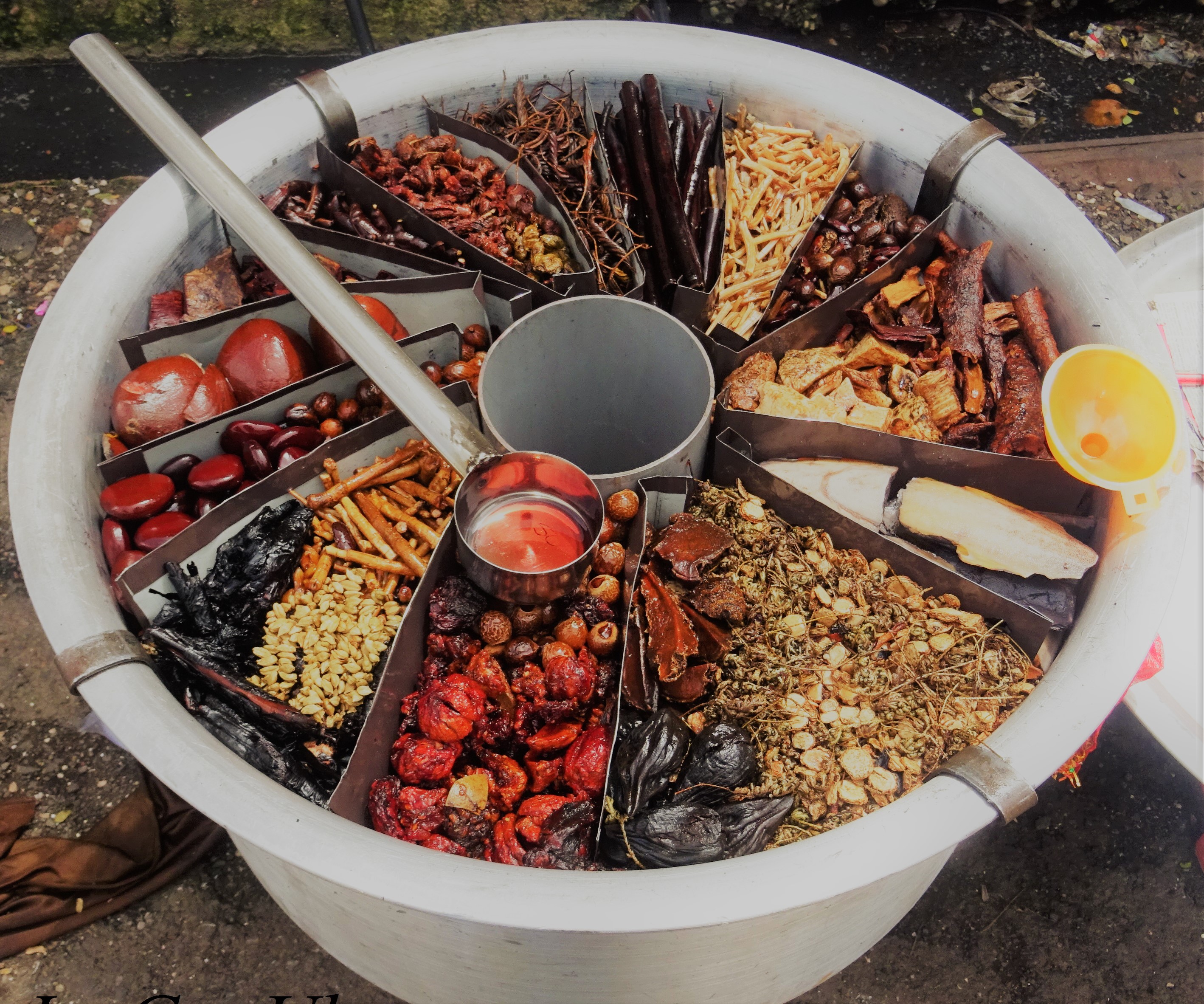
One of the most important and common type of healer, an herbalist, works with herbal medicines. The use of these plants for medicine is one of the most common ways to practice in West Africa. Herbal medicine includes “herbs, herbal materials, herbal preparations, and finished herbal products that contain parts of plants or other plant materials as active ingredients” (Mahomoodally, 2013). Knowledge of the agriculture and plants, much of which are growing in the area, has been passed down from healer to healer so they are often very well versed in the many uses of each species. They must rely that their teacher, and the ones who came before, have carefully developed the practices so that they can best serve their communities.
This page has paths:
- Medical Practice Jennifer Coronado