Globalization & the James Bond Franchise
A very familiar franchise that has shown this idea of globalization if the James Bond franchise. When you hear the words “James Bond” or “007” in this era, most people are bound to know exactly who or what that means. The franchise is booming not just in books and movies, but video games and merchandise as well. It is reported that “the longest running and second highest grossing film series of the twentieth century behind Star Wars” (Sturken and Cartwright 411). We all know and love the Bond series, but how does a book series become this popular, cross borders to other countries, and create the anticipation of the next film in today’s world? To understand this highly rated film and merchandise transformation, it is first important to go back to the beginning. Where did the James Bond series begin? James Bond was created in 1952 during the Cold War era by an author named Ian Fleming who wrote 14 novels in total (Nitins 41). Fleming’s storylines of this popular thriller/spy genre concerned present day issues involving the Cold War with a more comforting portrayal rather than a scare tactic to get people nervous about present day situations (41). From this factor alone, it is important to note that events in the Bond series were relatable to numerous amounts of people regardless of where they were from because the Cold War situation was not something that only one country’s people can connect with. It seemed so relatable that as the “Cold War tensions and nuclear warfare fears were at their highest, the James Bond series achieved true success” (42). The people’s fears grew and their fondness of James Bond grew along with it.
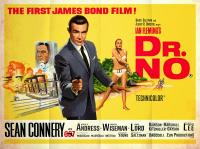
James Bond Dr. No film poster As discussed above the Bond series books grew and it became a popular commodity due to its relevance in society, but how did it spread to other countries and other industries like film, newspapers, and other merchandise? Shortly after the Bond series blew up due to Cold War tensions, Fleming sold writes to a newspaper, Daily Access, to create his character, Bond, as what would become a famous newspaper comic character (42). From this transition, you can see he continued to make more transitions, this time to other countries. In 1961, President Kennedy mentioned in an interview that one of the Bond books, Dr. No, was one of his favorite books crossing this “English phenomenon” across borders to the United States (42). Bond was crossing countries almost like he would in the film and just about as easy. He was a sensation. Later as Cold War tensions grew once again in the 1980’s, Bond grew in popularity once again (43). The James Bond franchise just seemed to soar when people related to him during the Cold War era. In an article by Schwetman, he declares that “James Bond emerged as an international film hero because he represented an aspirational cosmopolitan ideal offering viewers and opportunity to escape to an exciting international arena of adventure during the Cold War” (Schwetman 94). It helped people of many countries escape the idea of what was going on in the real world and seeing a hero metaphorically win the war. Bond’s parallel to real life and tensions seen in the Cold War era helped grow the Bond franchise exponentially.
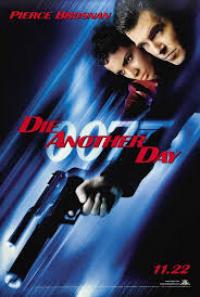
Now that it is understood how the Bond franchise became popular because of the Cold War, another question that is raised is why is it still popular? We are not technically in a Cold War period like back then dealing with communism and nuclear weapons, although it may seem like it, it is not the same current events as before. It seems to be the for the “filmgoers [who seek] a momentary escape” just like the people who were originally watching the films when the first came out (96). It also seems to relate to other individuals due to the films “[overcoming] national, ethnic, sectarian and other forms of difference and the violent conflicts” (96). Schwetman is saying here that the art of creating James Bond is taking away all factors that relate him to a single group of people. This means that although he is fighting for one particular side, such as the British, but still relating to America, the elements that make it one specific side are taken out of the equation to connect with more viewers in the grand scheme of things. It also became relevant to American citizens in another way when a current film relates to something all too close to home. The film, Die Another Day, was released following the tragic events of 9/11 (96). This film connected current events of the “War on Terror” in a film about James Bond to raise the subject to people’s attention and comfort them similar to the way it did when the movies centered around the Cold War era. Although this movie seemed to target Americans due to its relevance to what was happening at the time, it also targeted other countries. The “War on Terror” may have started on American soil, but it definitely affected other countries fearing that they may be next and that it was a strike against all allies of America. Bond movie continue to be relatable to today regardless of the topic and the creators do their best to mirror what is actually happening in politics in the present day.
This page has paths:
- Global Flow of Visual Culture Chantal Whiteduck