Thanks for your patience during our recent outage at scalar.usc.edu. While Scalar content is loading normally now, saving is still slow, and Scalar's 'additional metadata' features have been disabled, which may interfere with features like timelines and maps that depend on metadata. This also means that saving a page or media item will remove its additional metadata. If this occurs, you can use the 'All versions' link at the bottom of the page to restore the earlier version. We are continuing to troubleshoot, and will provide further updates as needed. Note that this only affects Scalar projects at scalar.usc.edu, and not those hosted elsewhere.
Episcopal Diocese of Northern Indiana Archives
Main Menu
Introduction to the Collection
Bishops of the Diocese of Indiana
Bishops of the Diocese of Northern Indiana
Parishes and Missions
Conventions
Ordinations and Postulants
Camps and Youth
Ecumenical Services
Diocesan Officers and Governance
Women's Auxiliary - Episcopal Church Women
Miscellaneous
John David Beatty
85388be94808daa88b6f1a0c89beb70cd0fac252
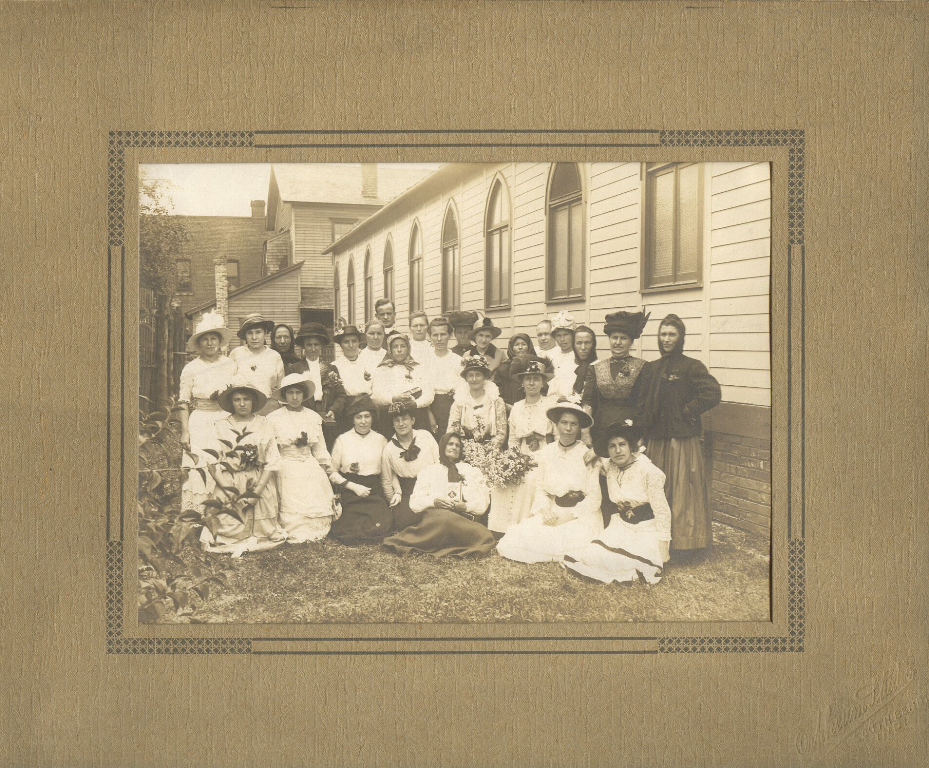
Trinity Hungarian Mission, South Bend, 1915, Women's Auxiliary
1 2019-07-18T18:46:11-07:00 John David Beatty 85388be94808daa88b6f1a0c89beb70cd0fac252 32716 1 Trinity Hungarian Mission, South Bend, 1915, Women's Auxiliary plain 2019-07-18T18:46:12-07:00 John David Beatty 85388be94808daa88b6f1a0c89beb70cd0fac252This page is referenced by:
-
1
media/Holy Trinity South Bend modern view 2000s.png
2019-07-17T09:51:30-07:00
Church of the Holy Trinity, South Bend
53
image_header
2025-10-23T09:42:04-07:00
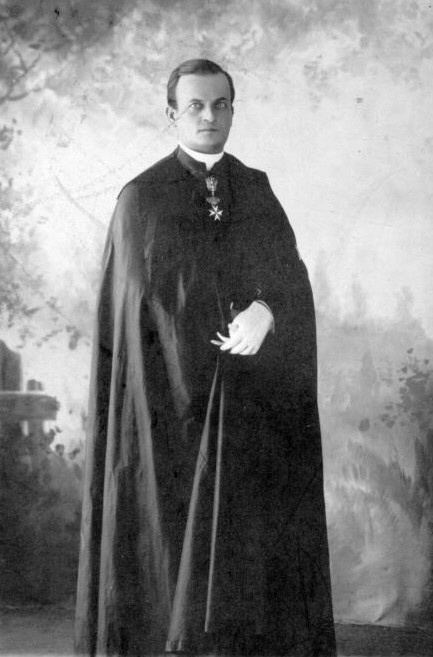
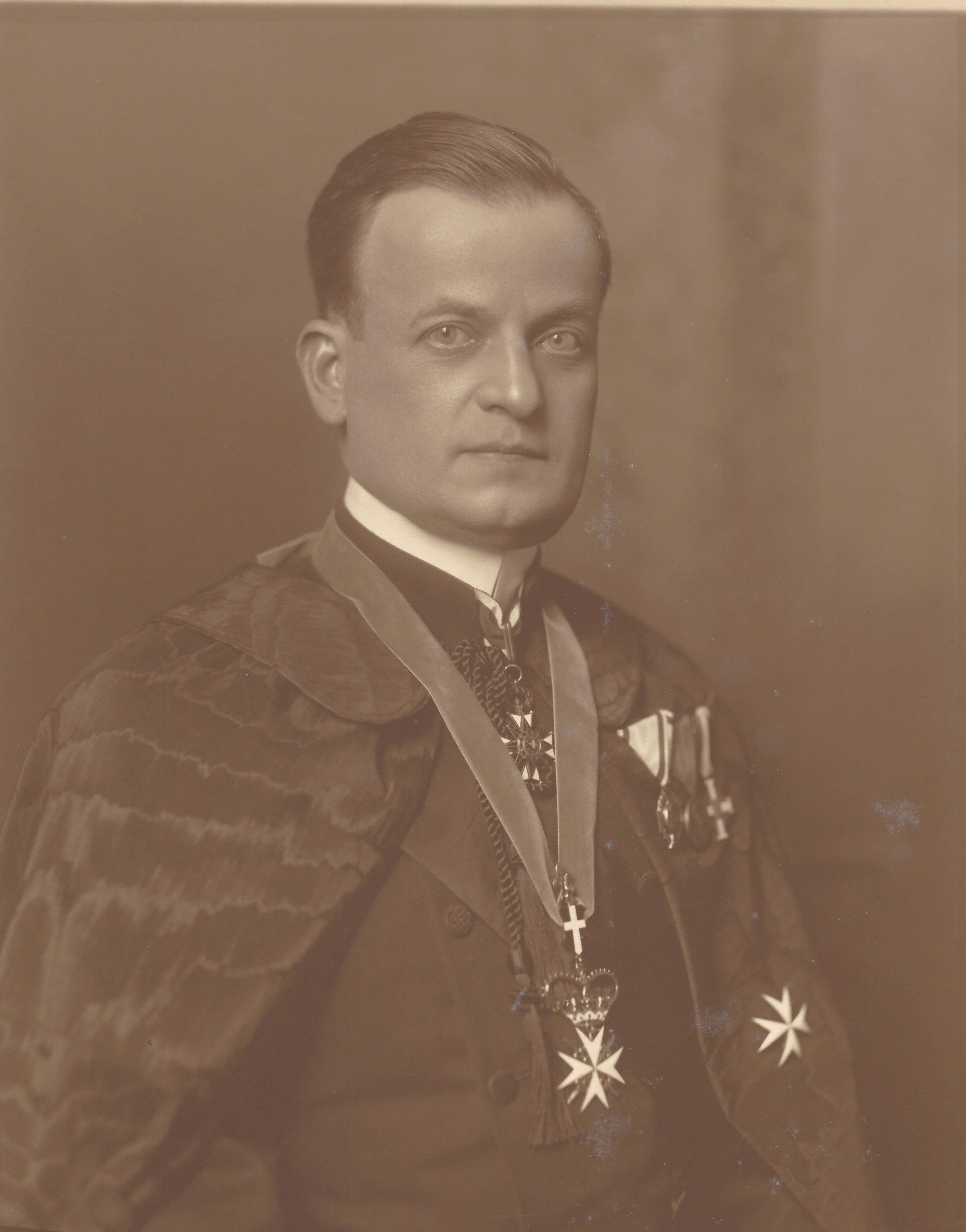
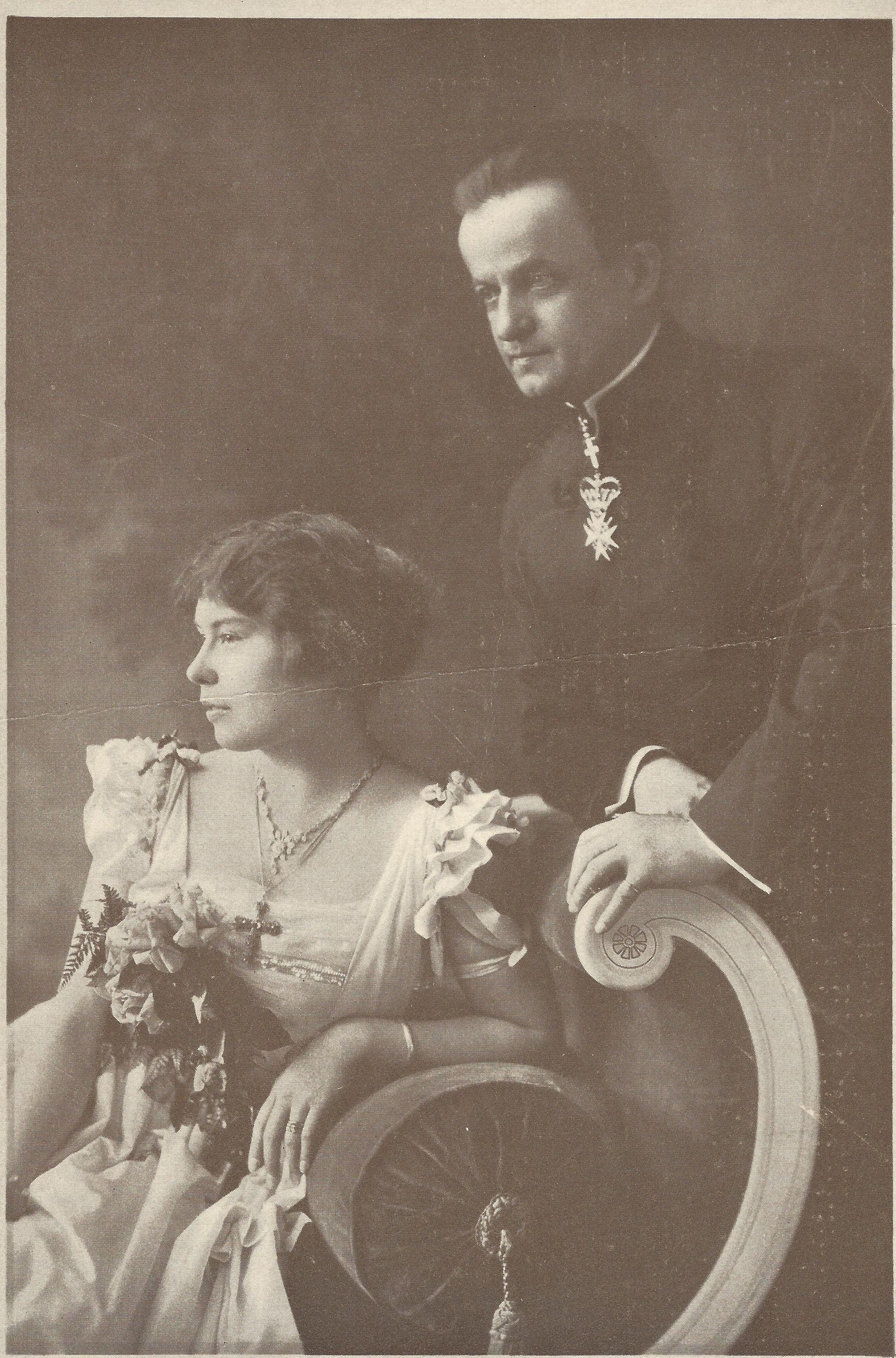
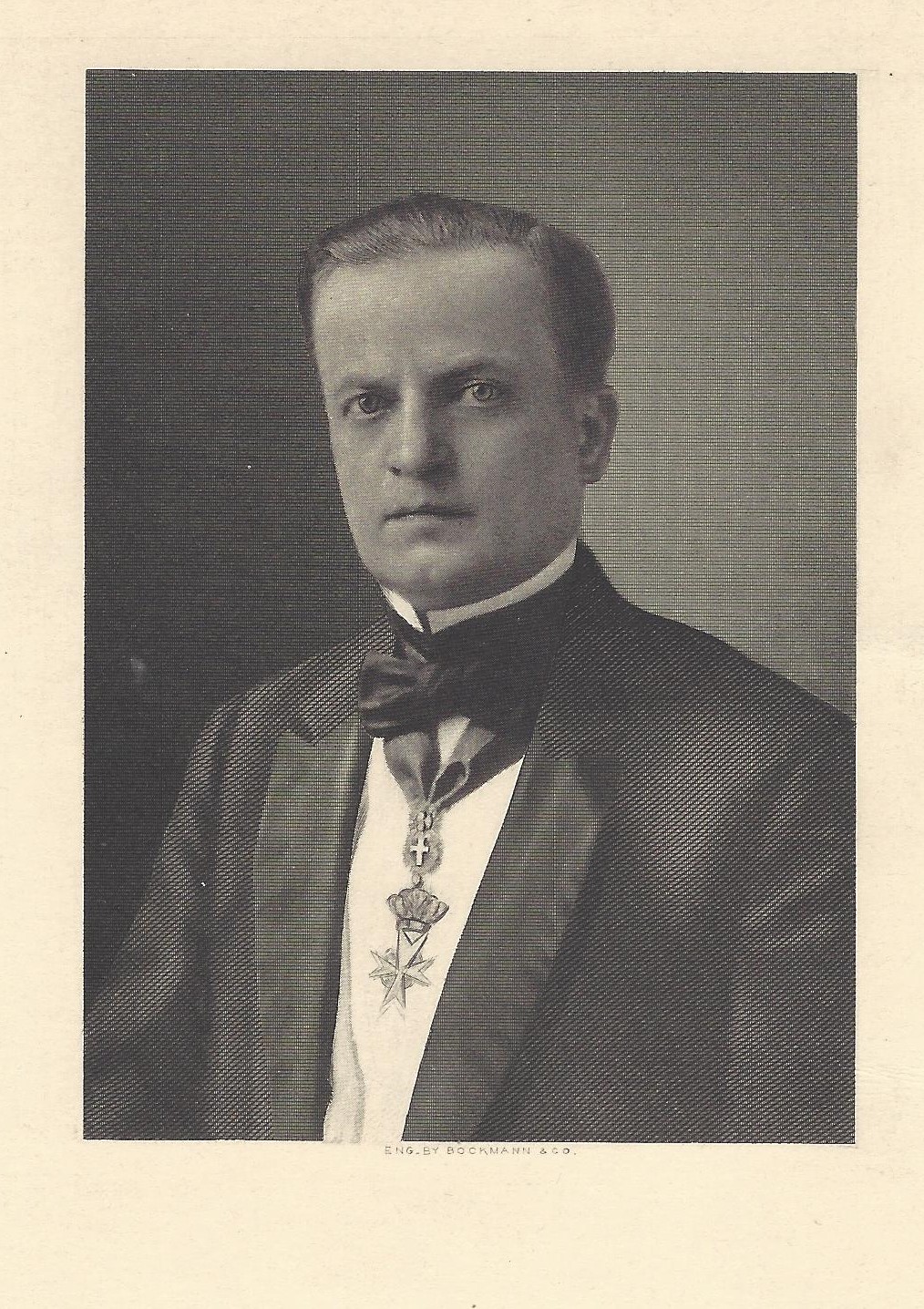
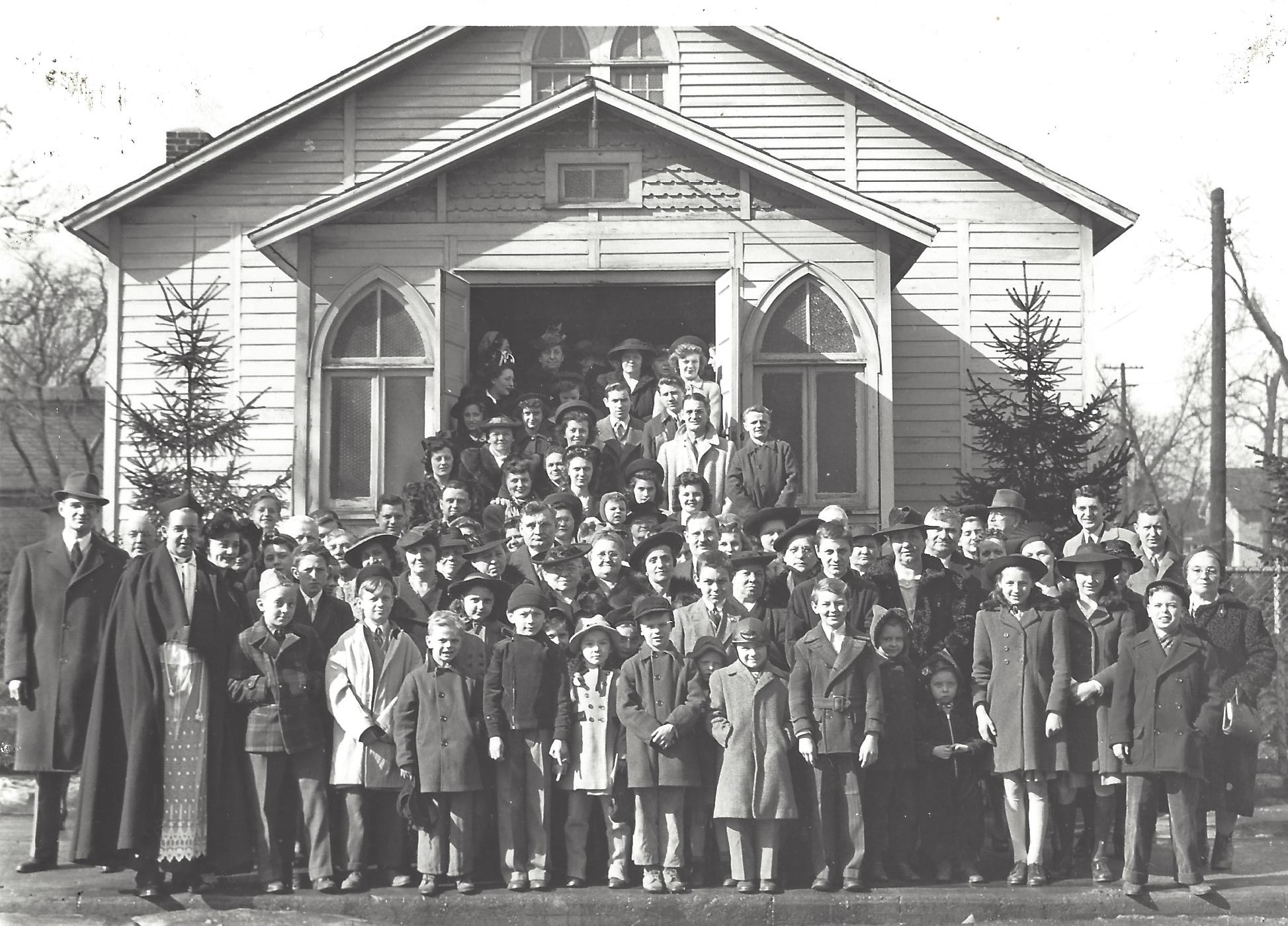
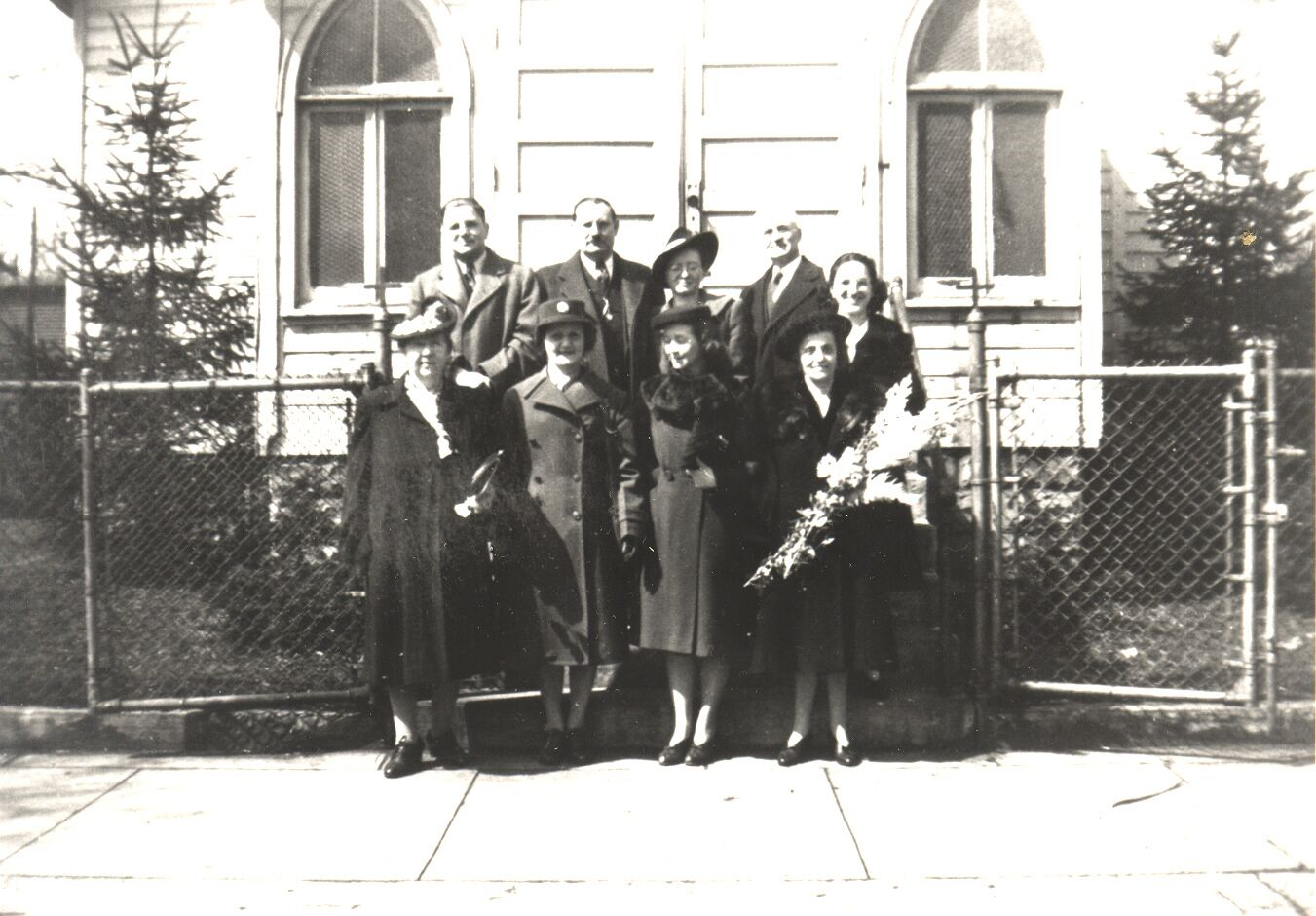
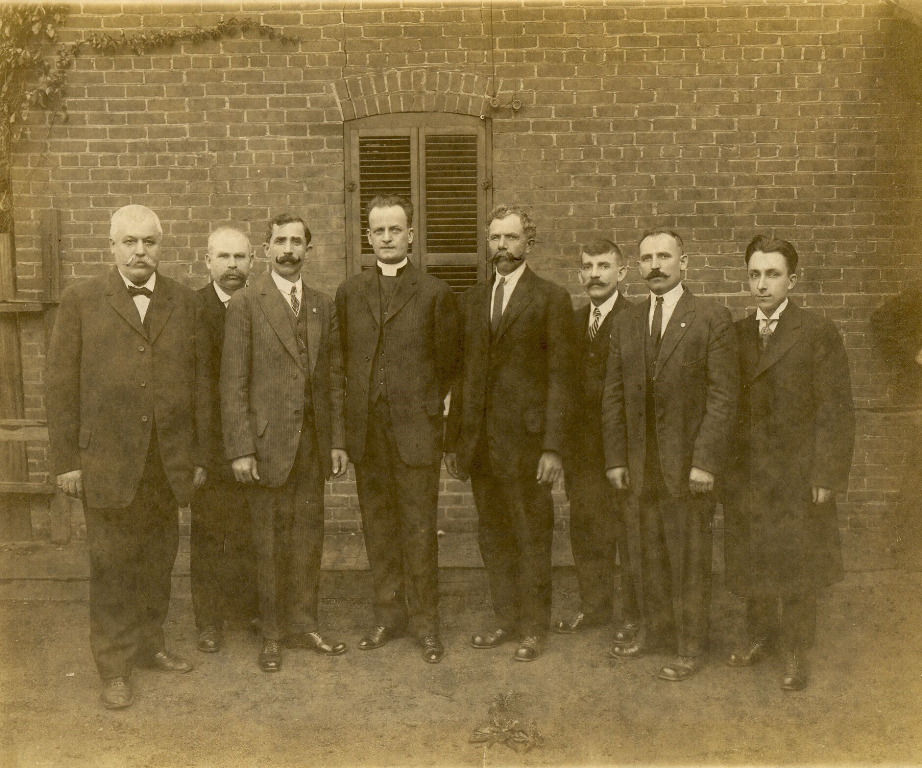
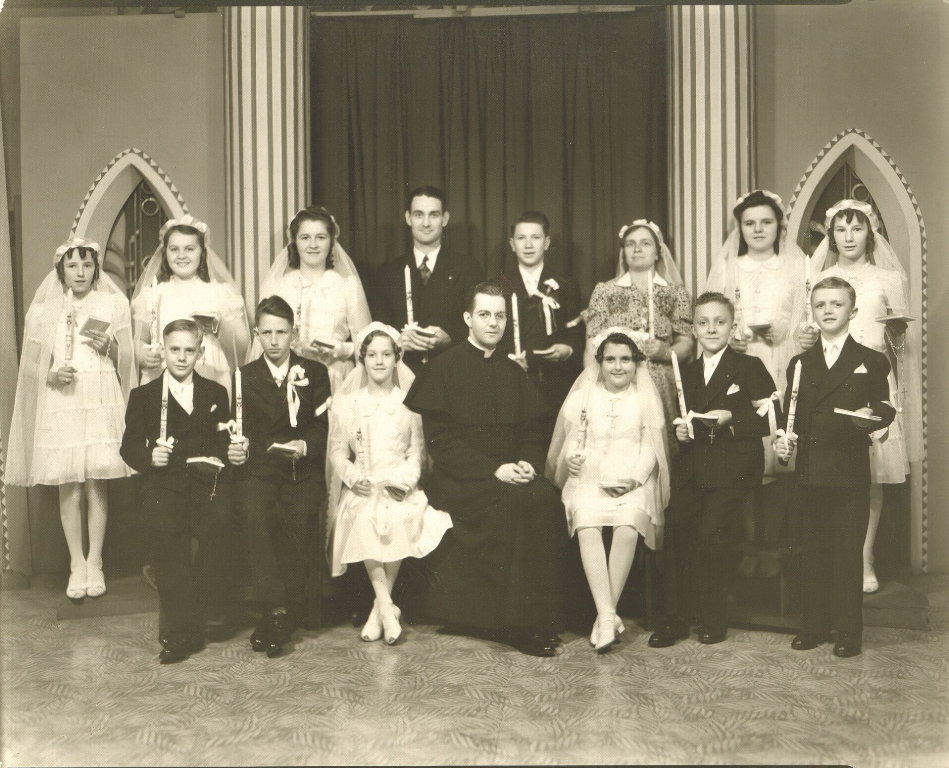
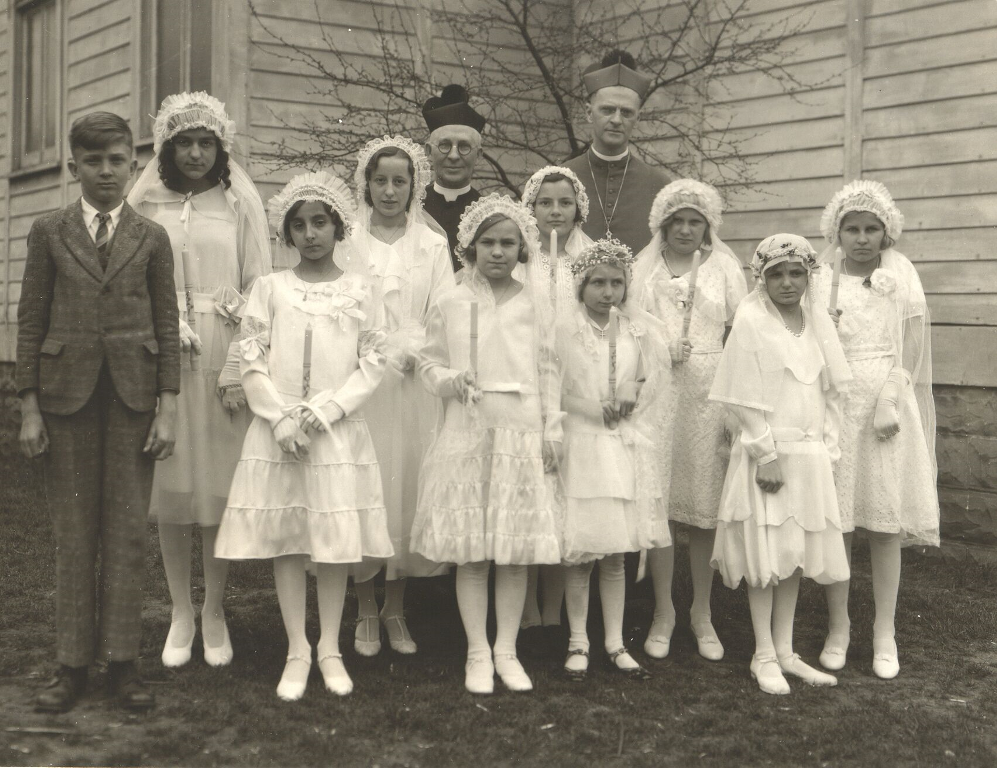
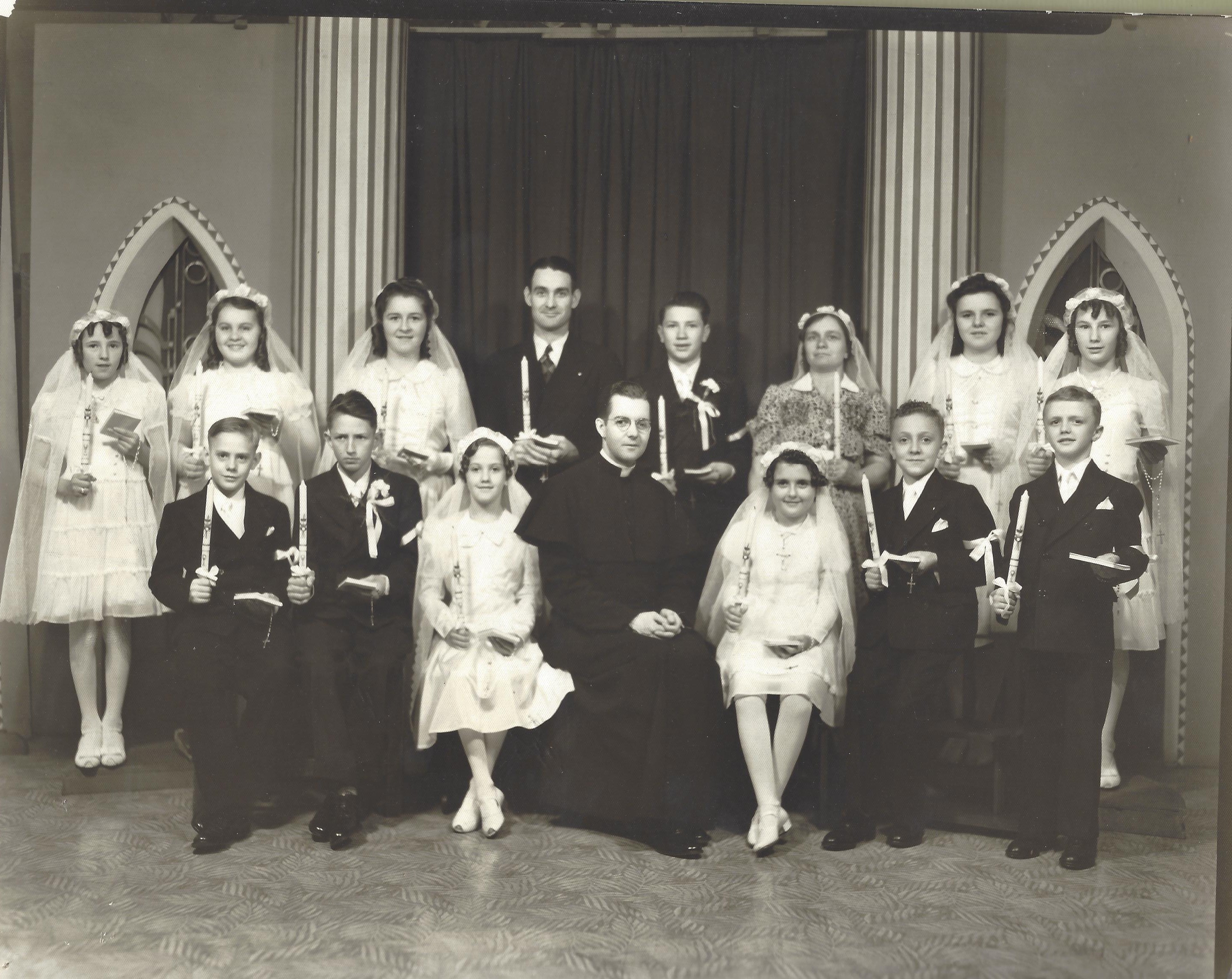
In 1911, after Bishop John Hazen White had left Michigan City and moved to South Bend, he began to take an interest in the inclusion of immigrant groups within the Episcopal Church who were not traditionally part of the Anglican Communion. A group of Hungarian immigrants approached him about being included in the diocese, and after consulting with the Standing Committee, the bishop consented to their request. A former Catholic priest, the Rev. Victor von Kubinyi, a Hungarian count and godson of the Emperor Franz Joseph of Austria, applied for ordination as an Episcopalian. White delayed action for nine months to test Kubinyi's resolve before admitting him to the priesthood. Afterward, in 1913, 84 Hungarian families signed a petition to organize an Episcopal mission, which was immediately organized as the Trinity Hungarian Mission. Church minutes would be kept in Hungarian through 1948. The parish opened with 350 members, and White confirmed a class of 28 in the first year. Kubinyi requested permission to translate the 1892 prayerbook into Hungarian, and the Rev. John MacKenzie of Howe Military School and William Leonard, Bishop of Ohio, offered financial help. Kubinyi helped organize a variety of parish groups and assisted parishioners in becoming citizens.
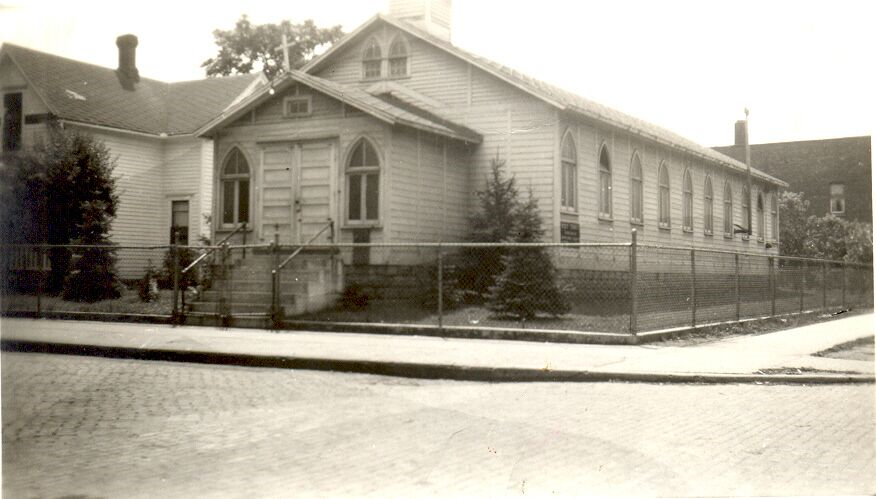
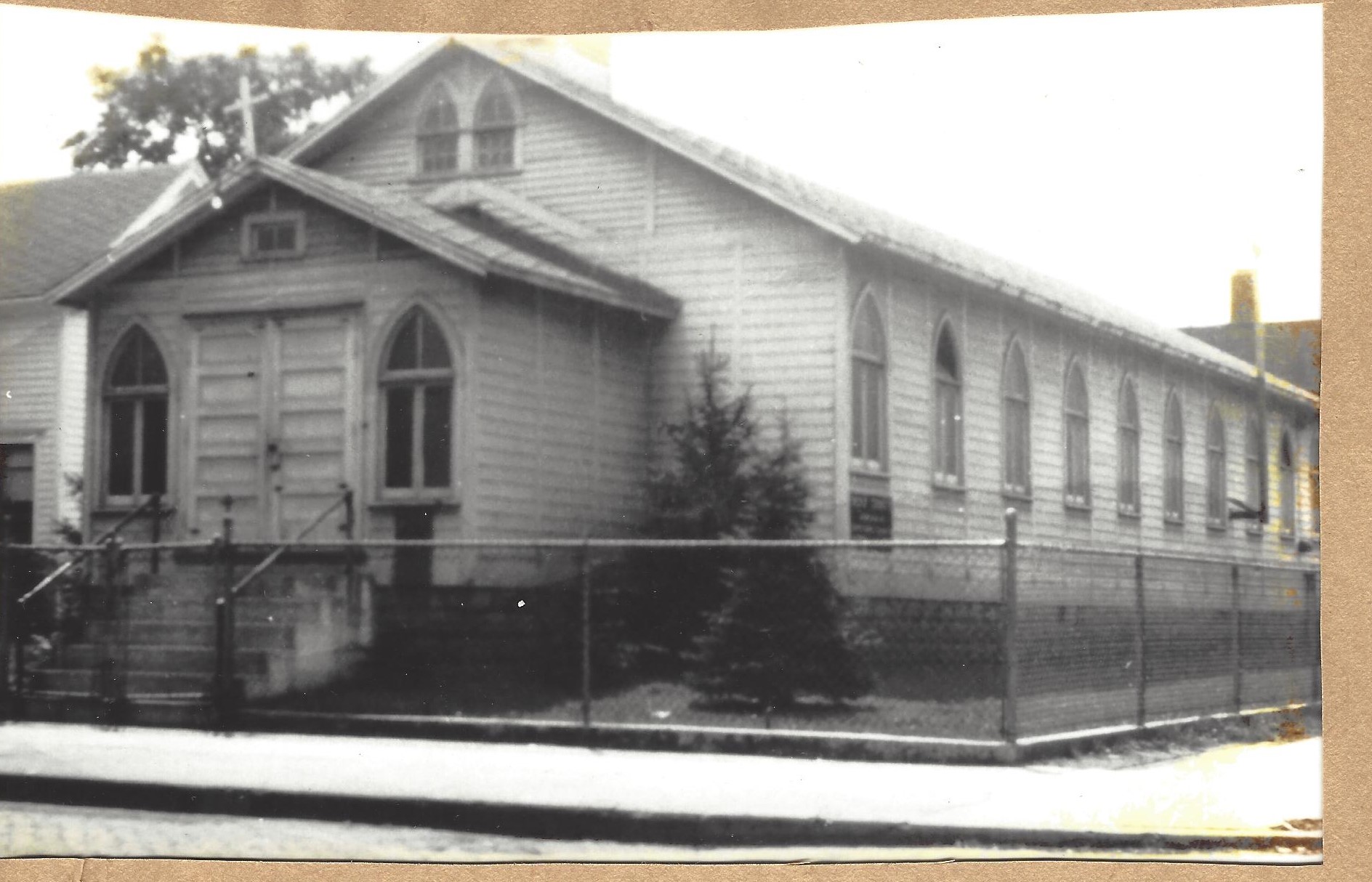
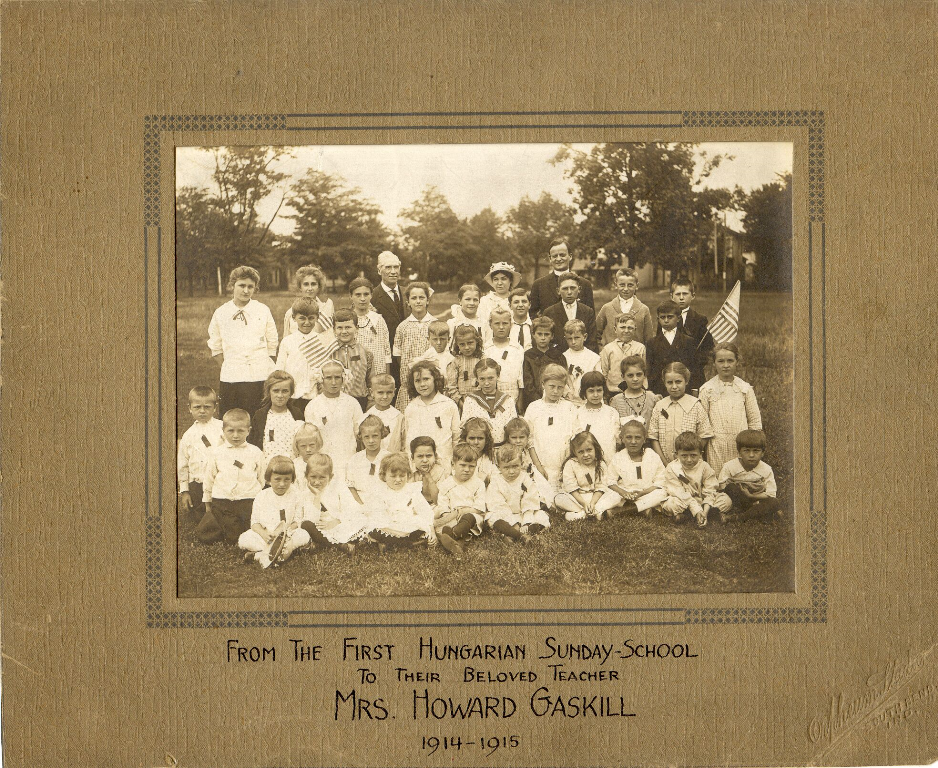
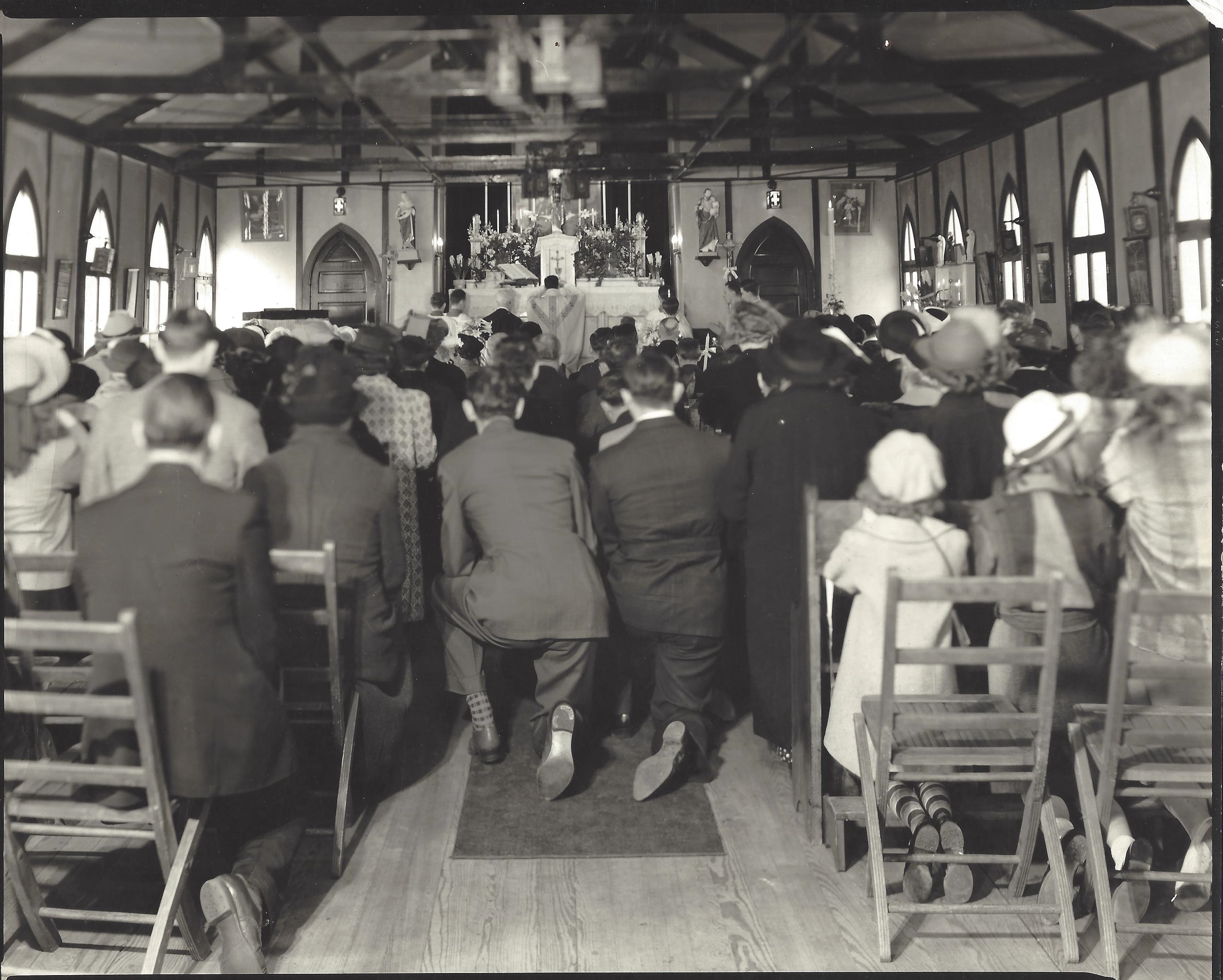
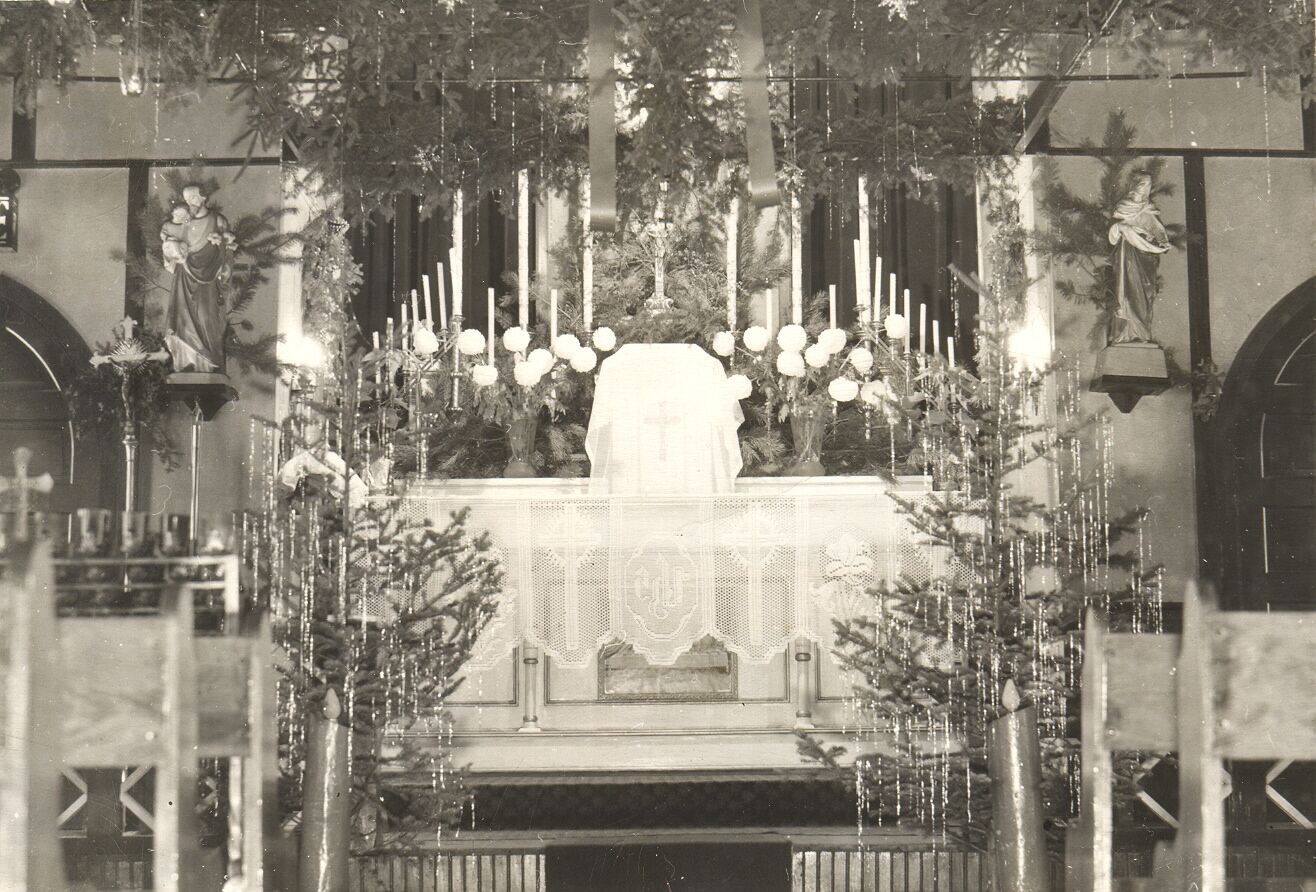
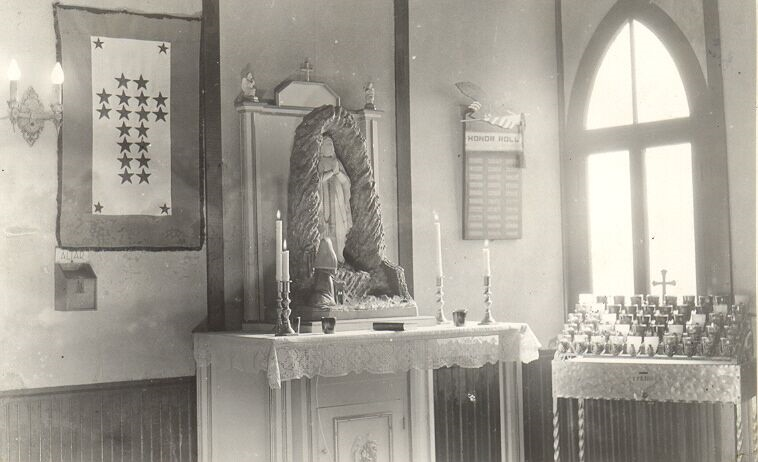
The congregation met initially in a National Guard Armory building until Kubinyi raised the funds to erect a prefabricated church structure made by the Mershon and Morley Company of Saginaw, Michigan. The building, located at West Colfax Avenue and Elm Street, was dedicated by Bishop White on Christmas Eve, 1914. The congregation remained poor, however, and Bishop White supplied it with candlesticks, vestments, and a chalice. Many of the congregation were without jobs and had no money to support either the church or themselves. During the severe winter of 1914-15, Mary May White of St. James, South Bend, helped raise money for food, while a wealthy philanthropist in Indianapolis donated money for Christmas gifts for the children. The church building later caught fire.
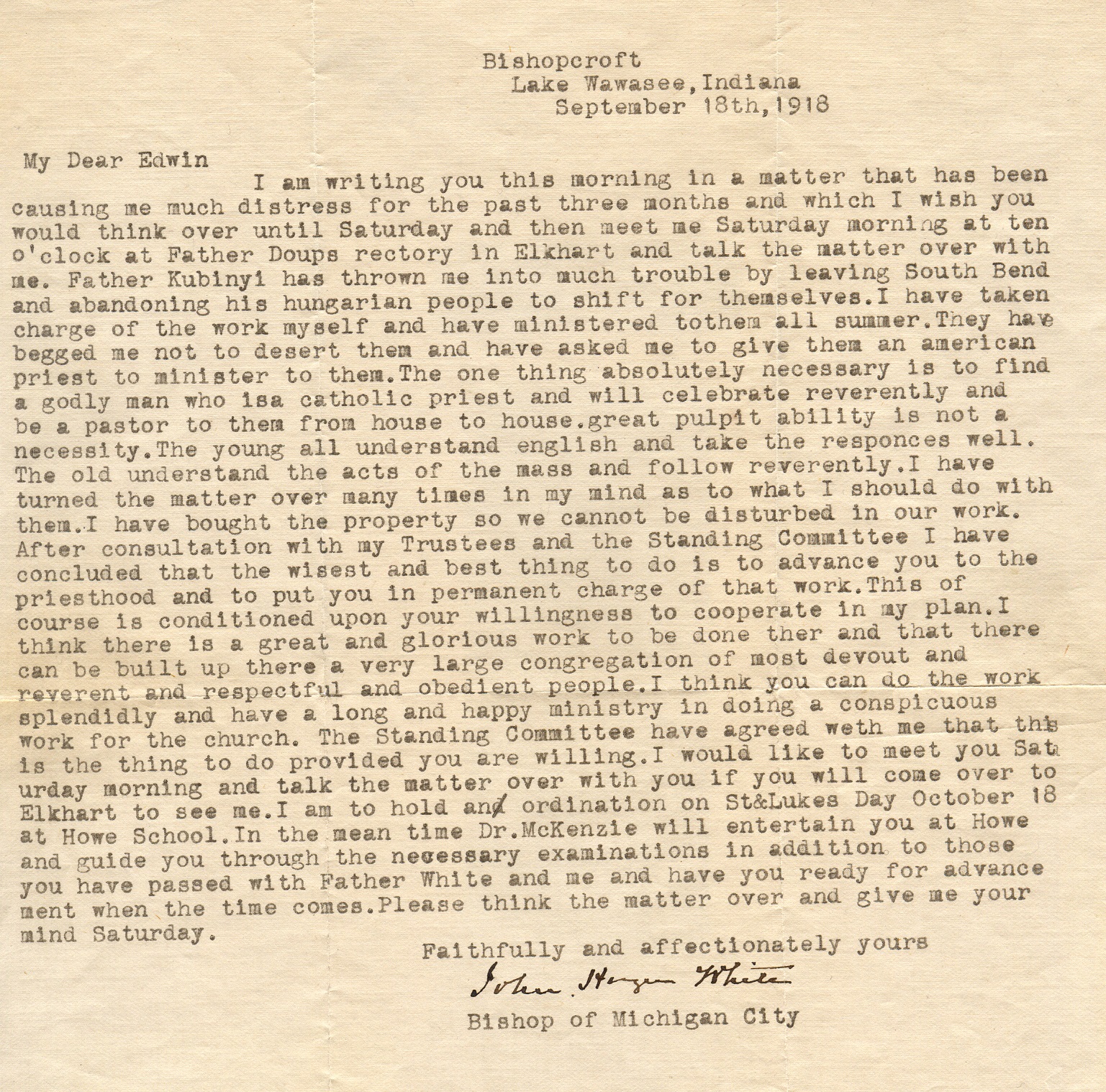
Against the backdrop of this hardscrabble beginning, fissures developed by 1918 between White and Kubinyi, and the priest resigned. Kubinyi then denounced the ministry of the Episcopal Church in a public document, leaving some members understandably demoralized. White wrote to the Rev. Edwin E. Smith, asking that he take charge of the mission. A bachelor and late vocational priest, Smith maintained the services of the church ably into the 1920s. He organized large dinner-dances with Hungarian food as local fundraisers. He could not speak Hungarian, so the services were led in English with the hymns in Hungarian.
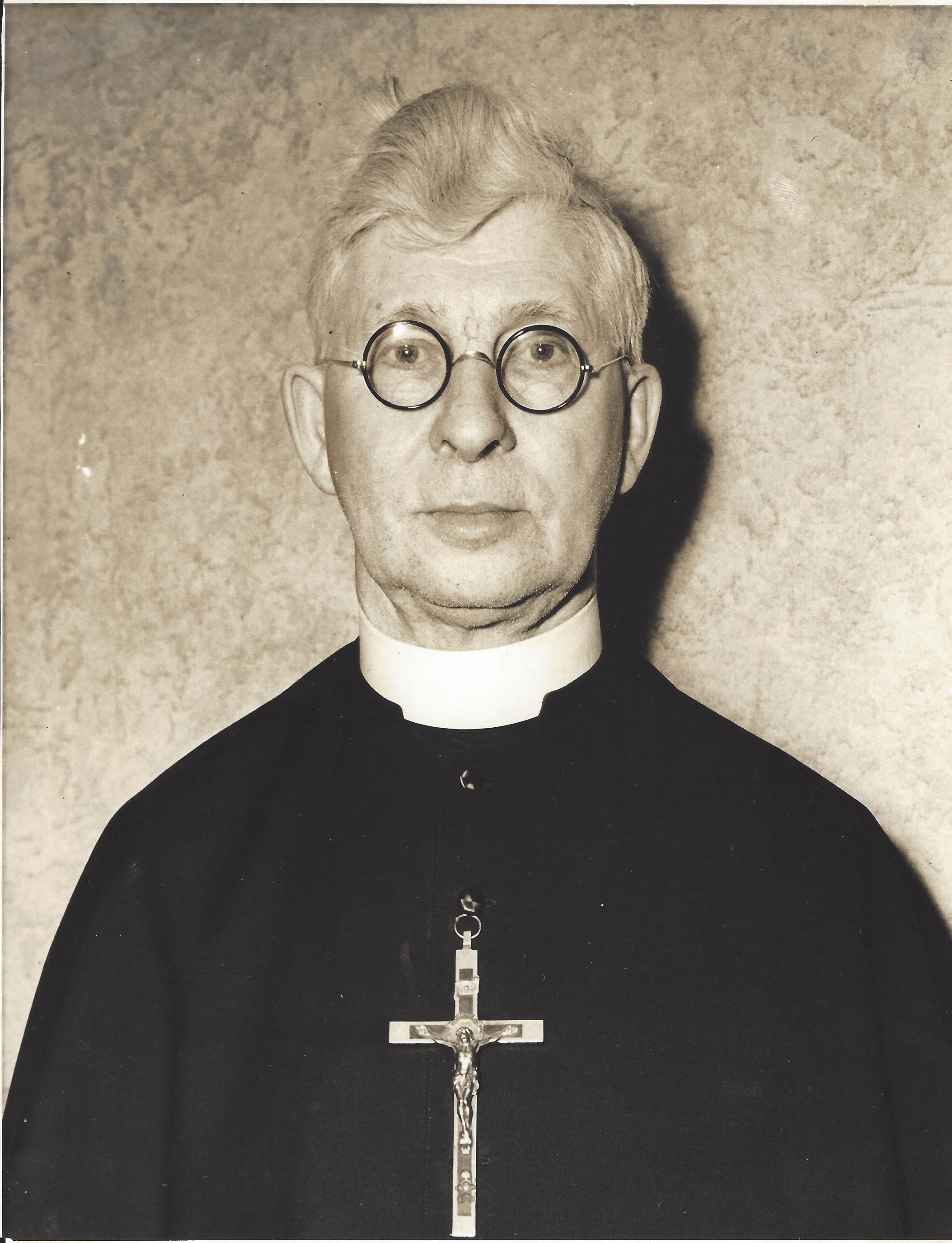
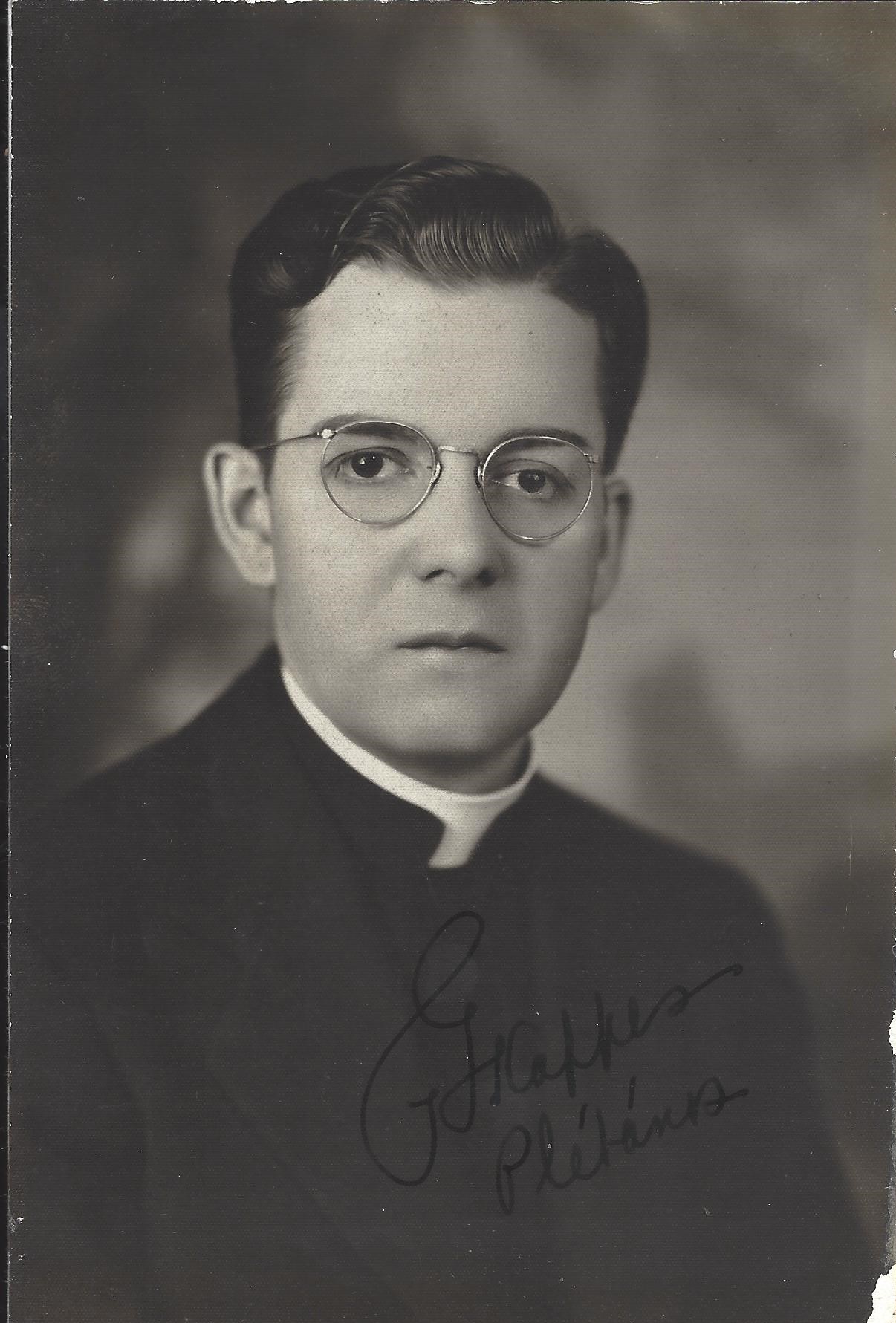
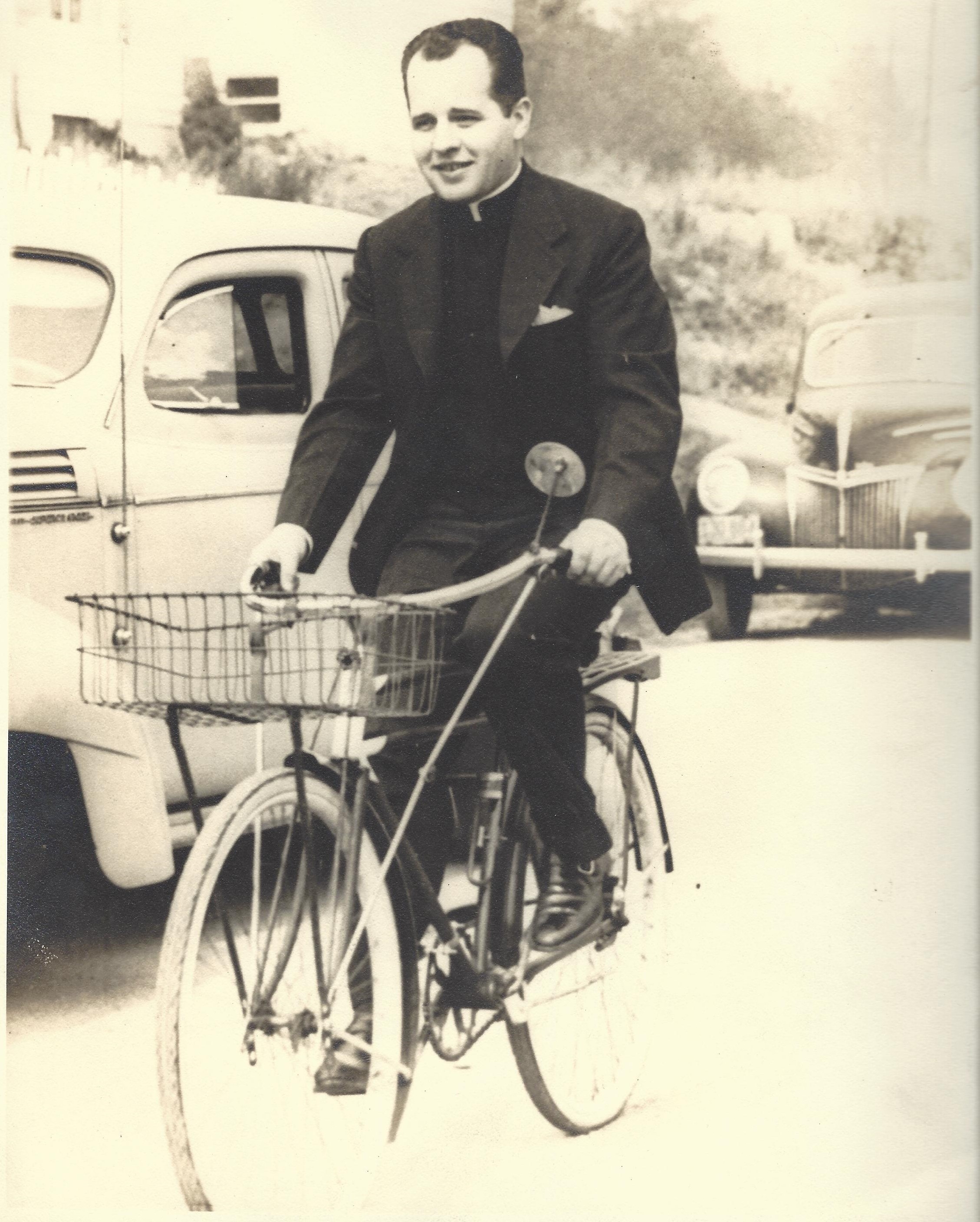
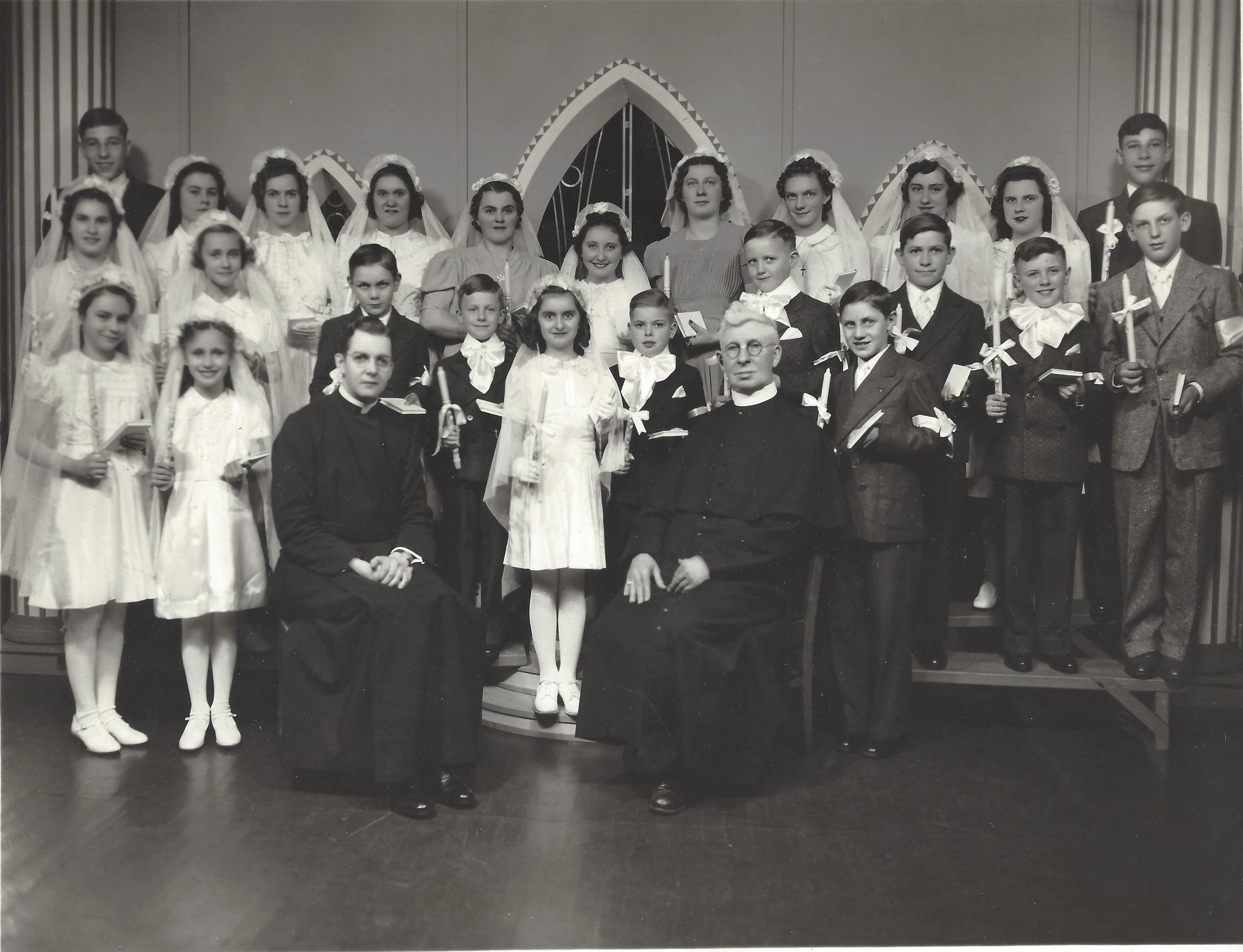
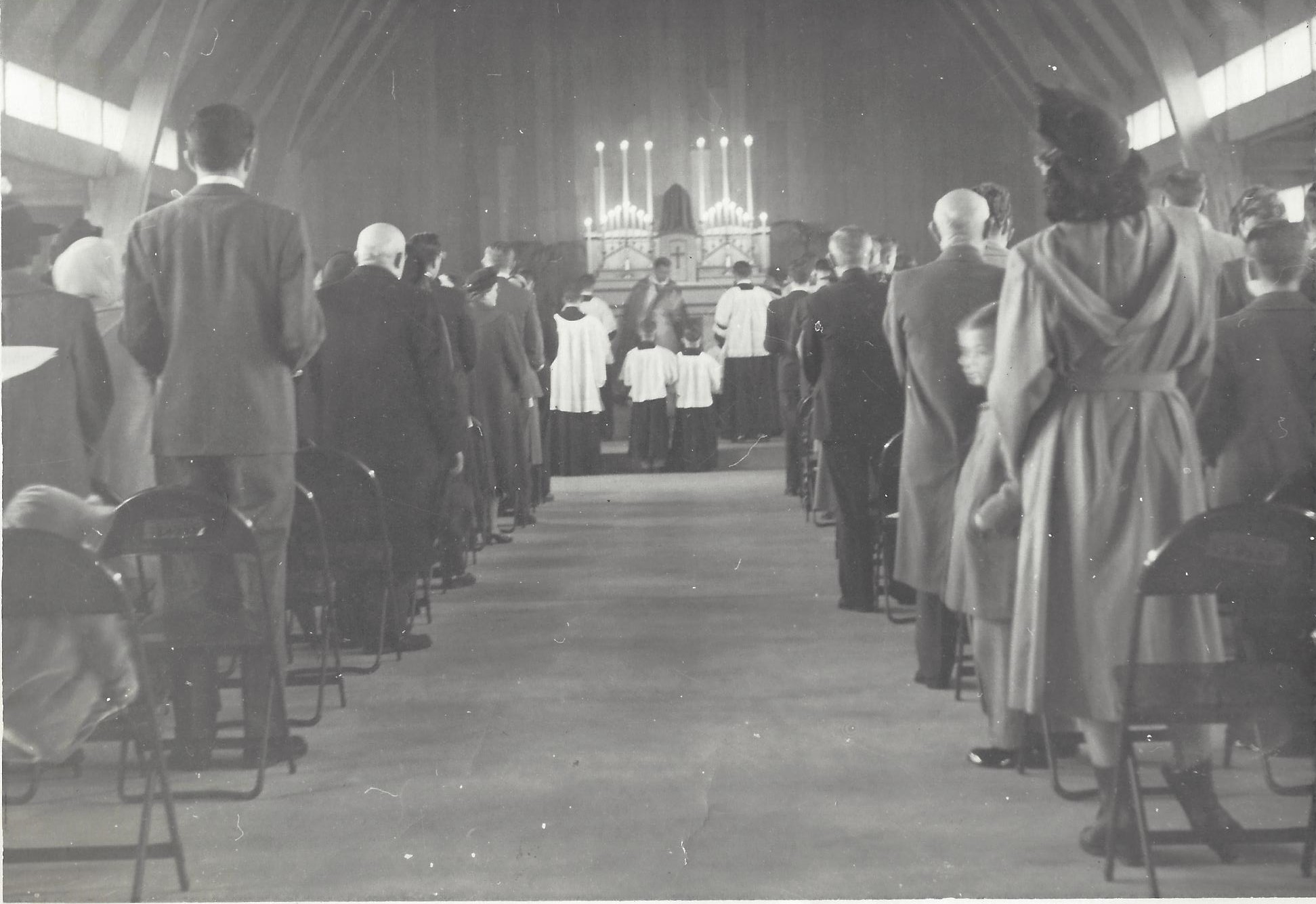
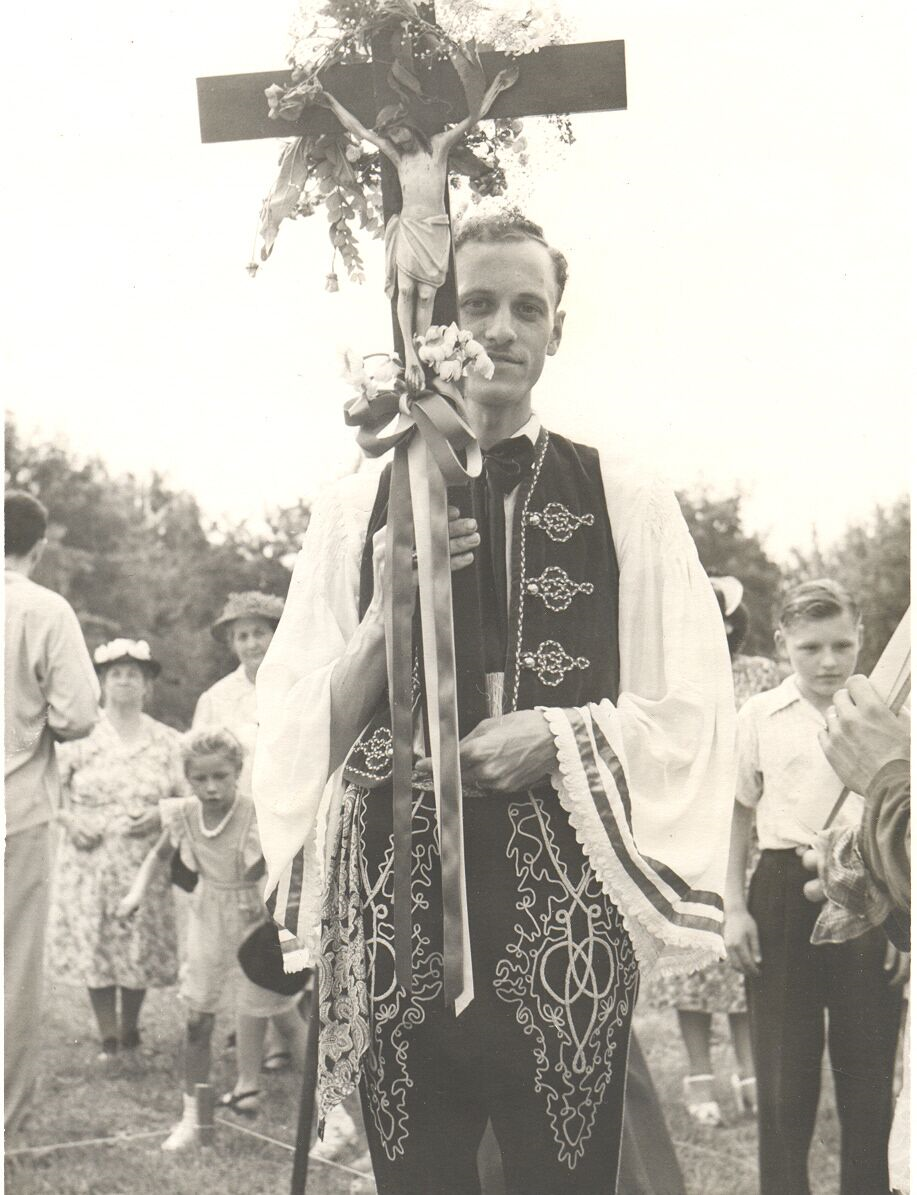
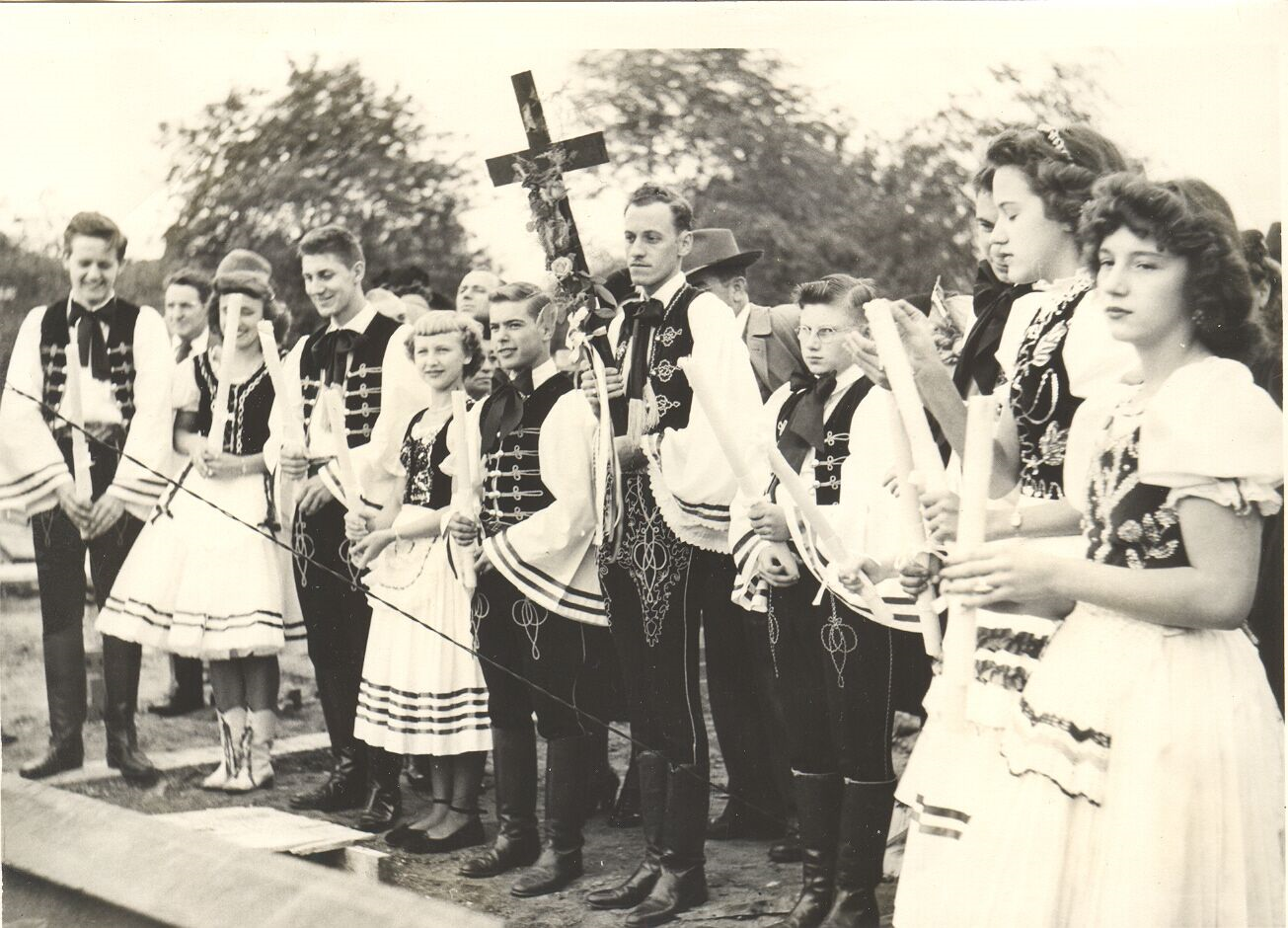
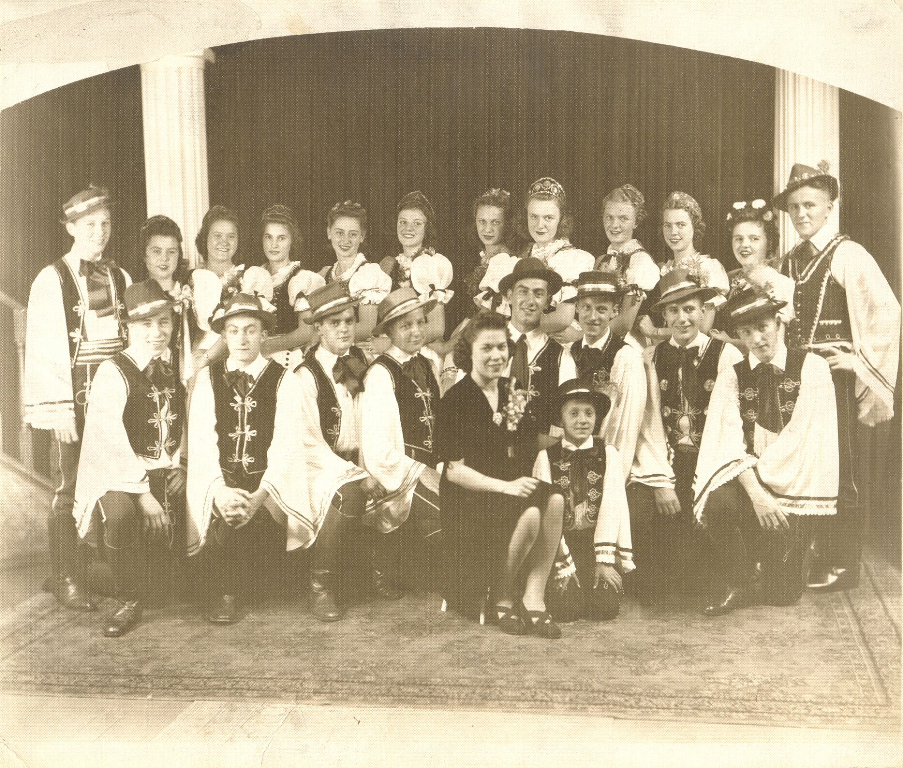
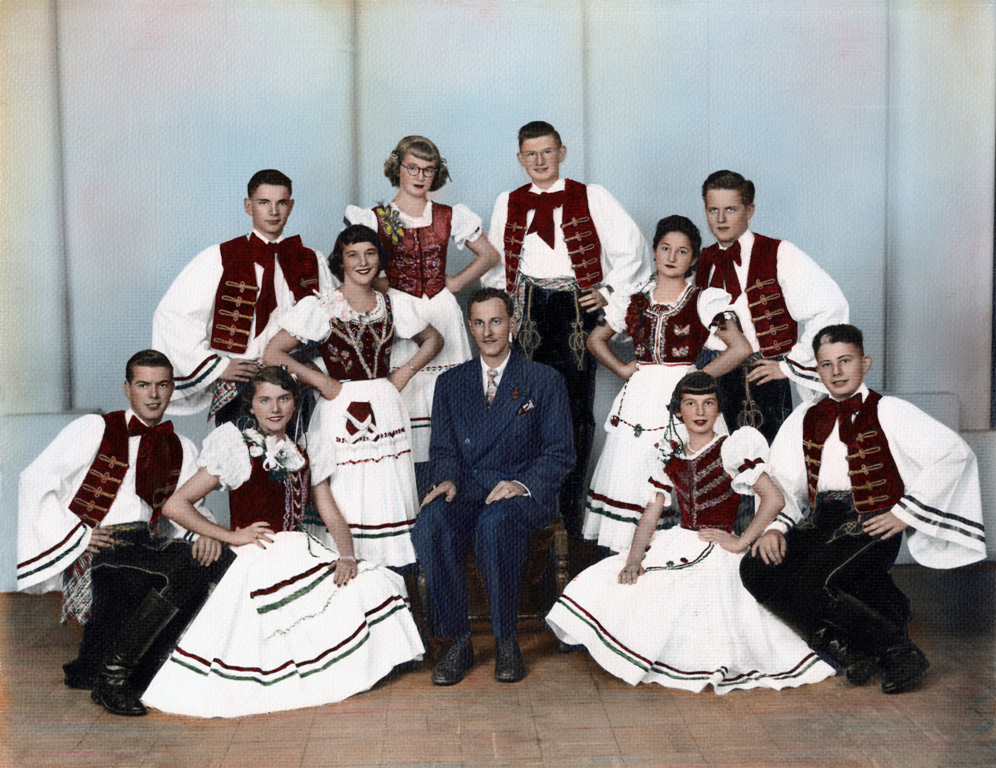
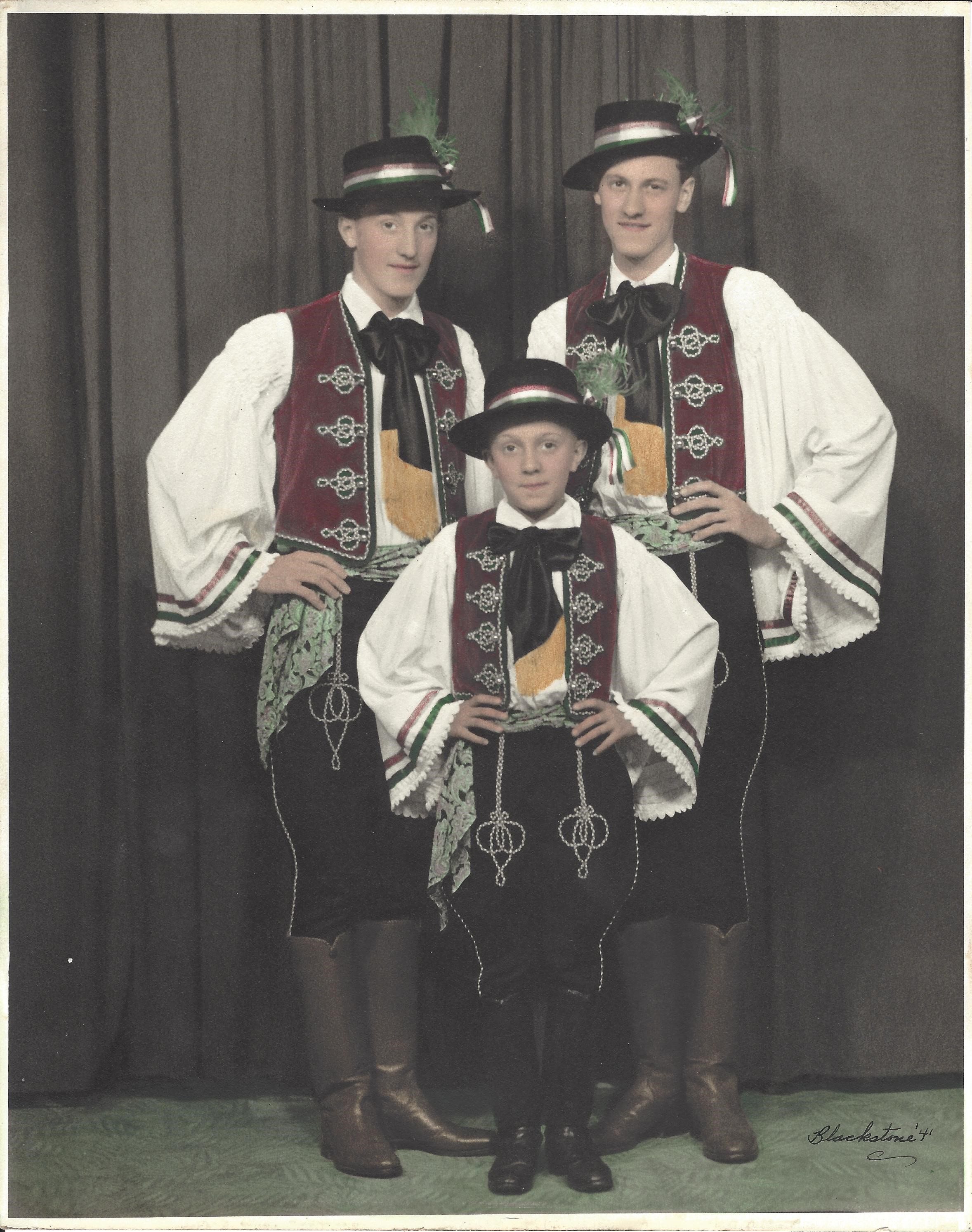
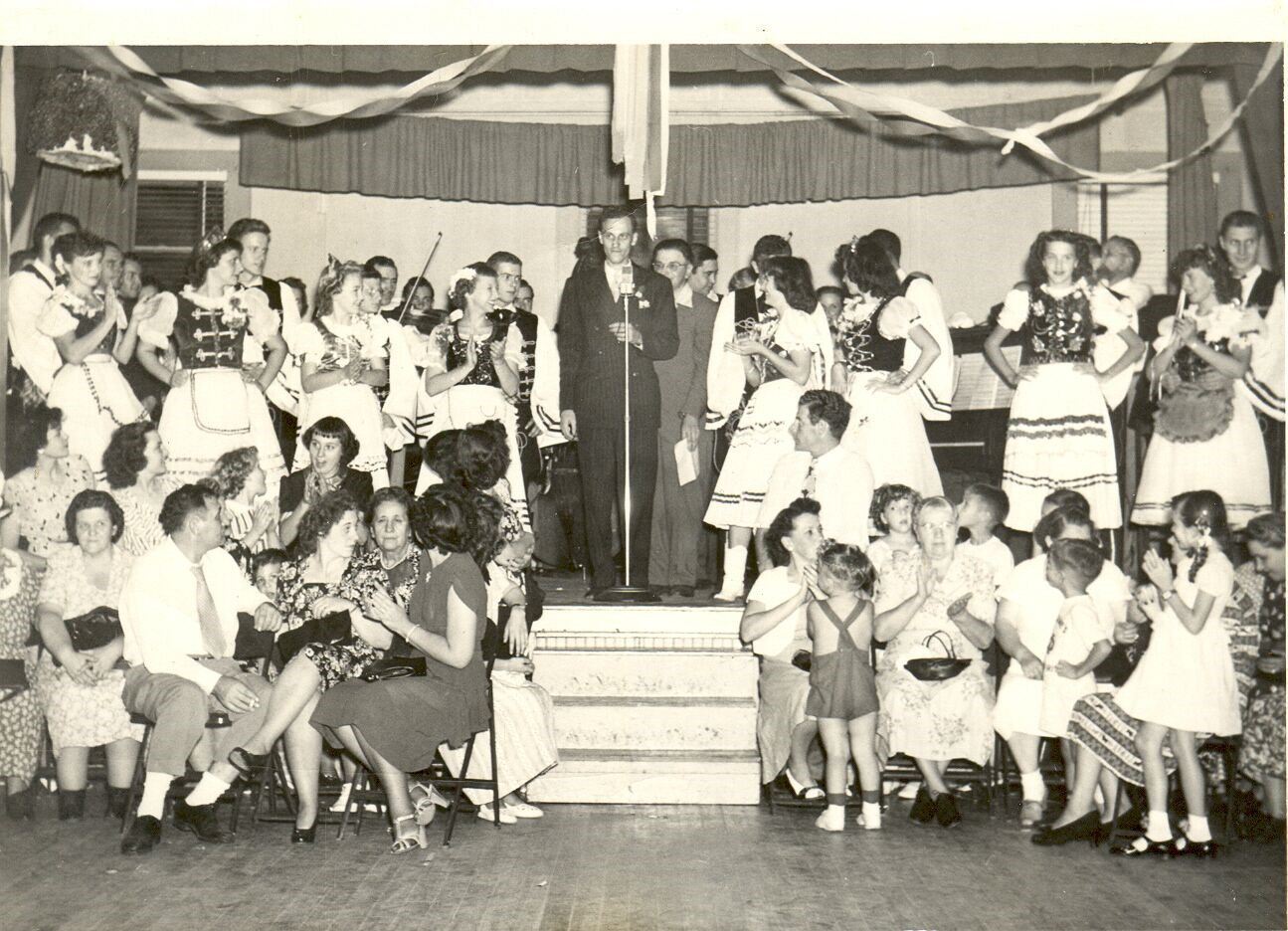
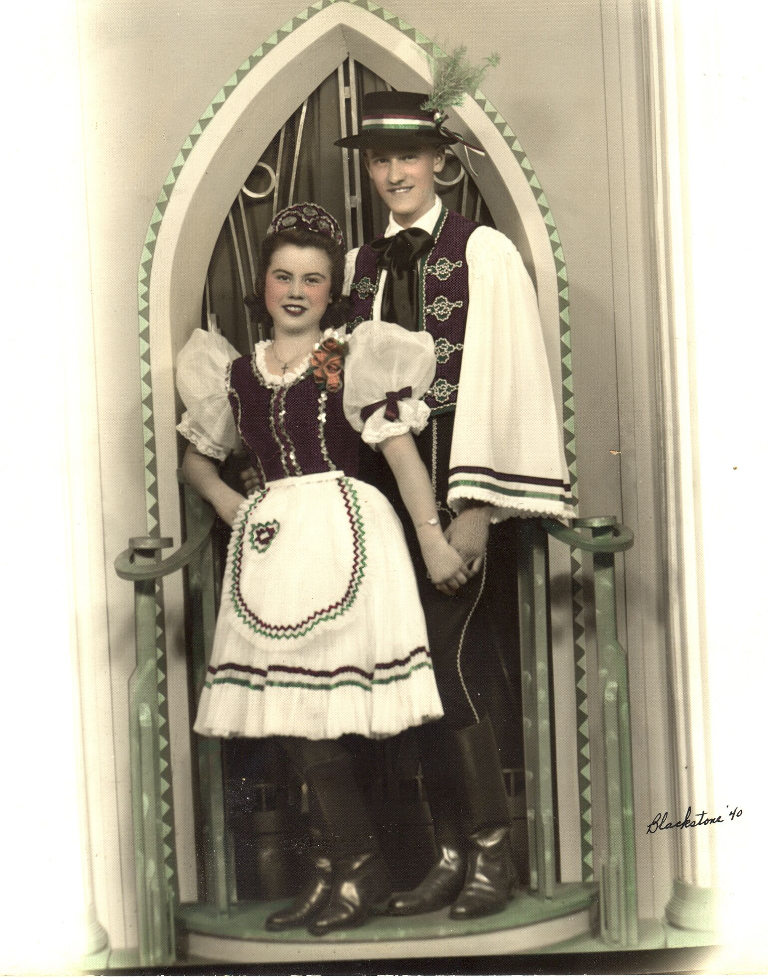
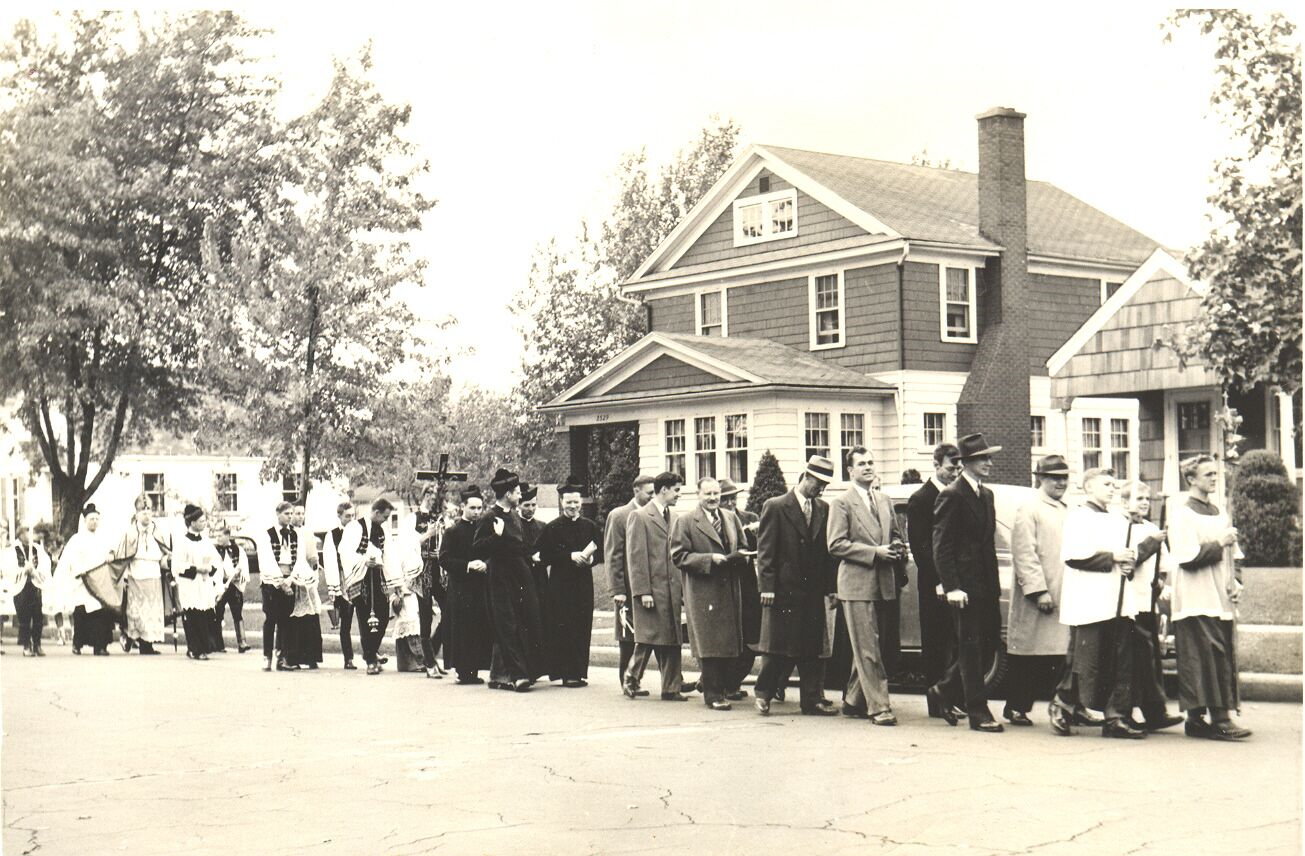
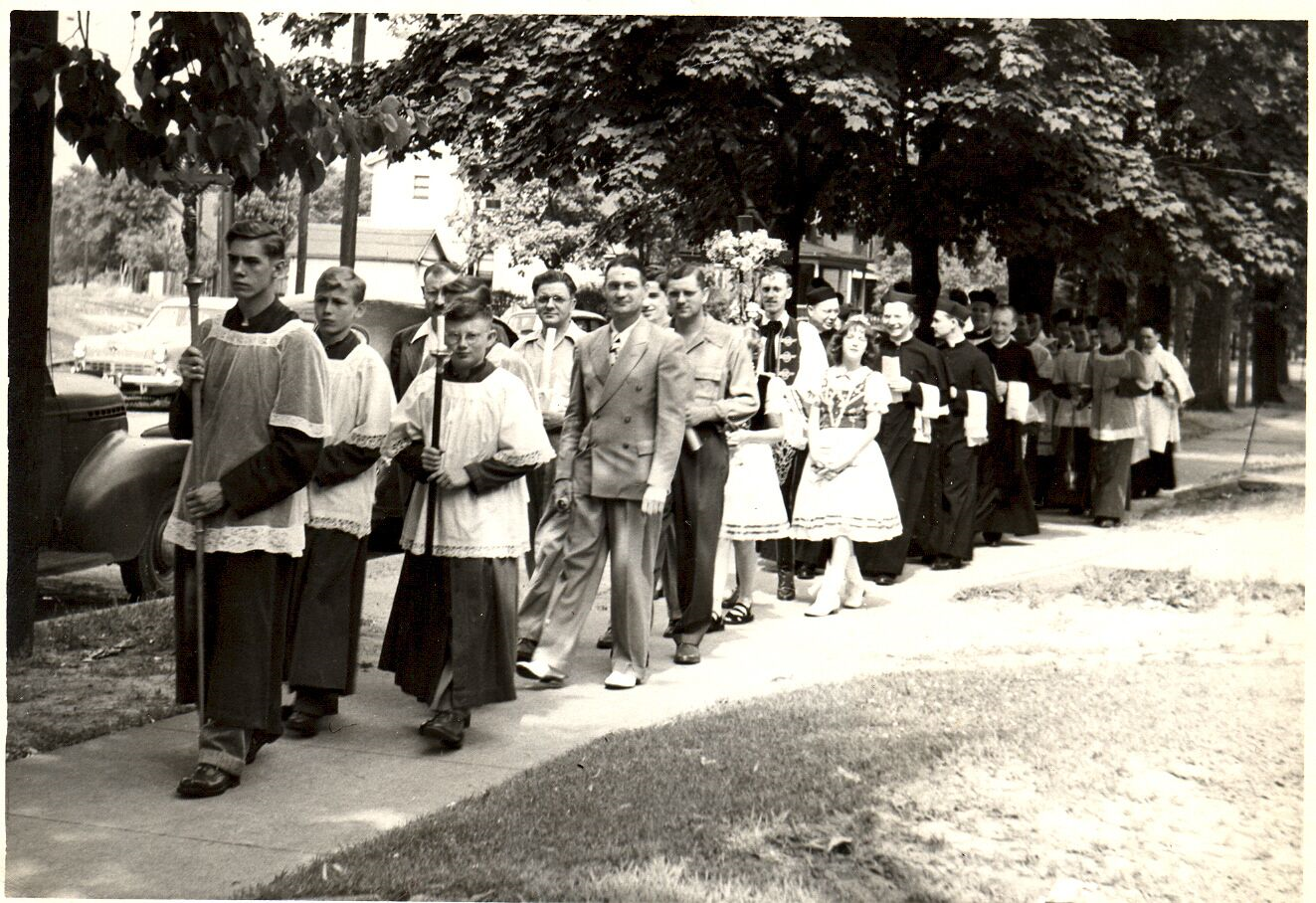
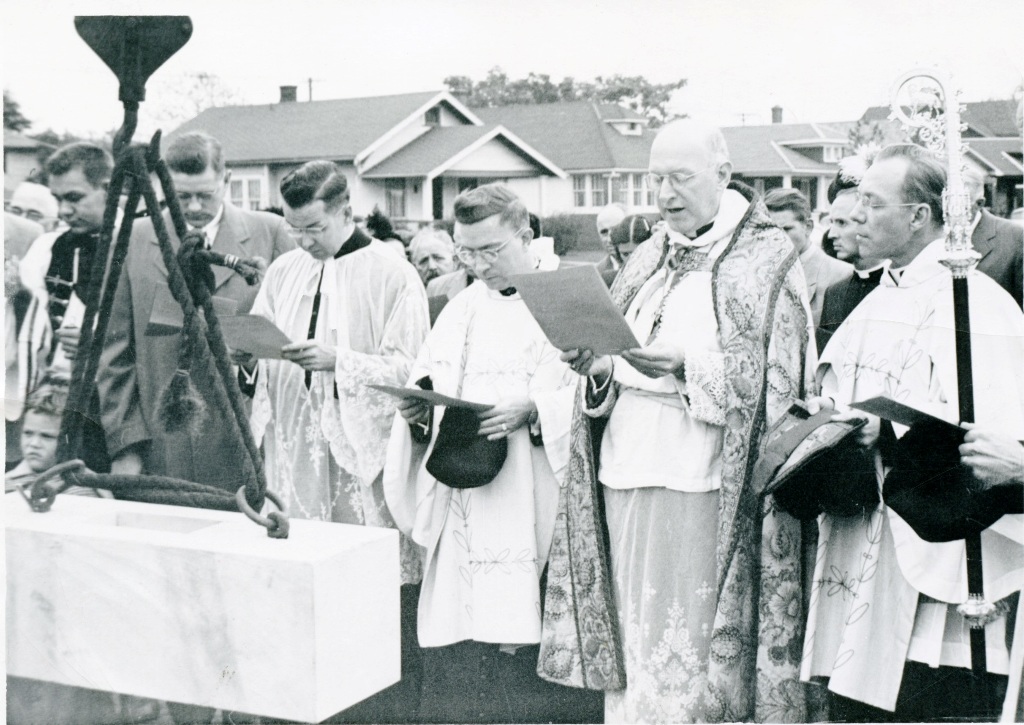
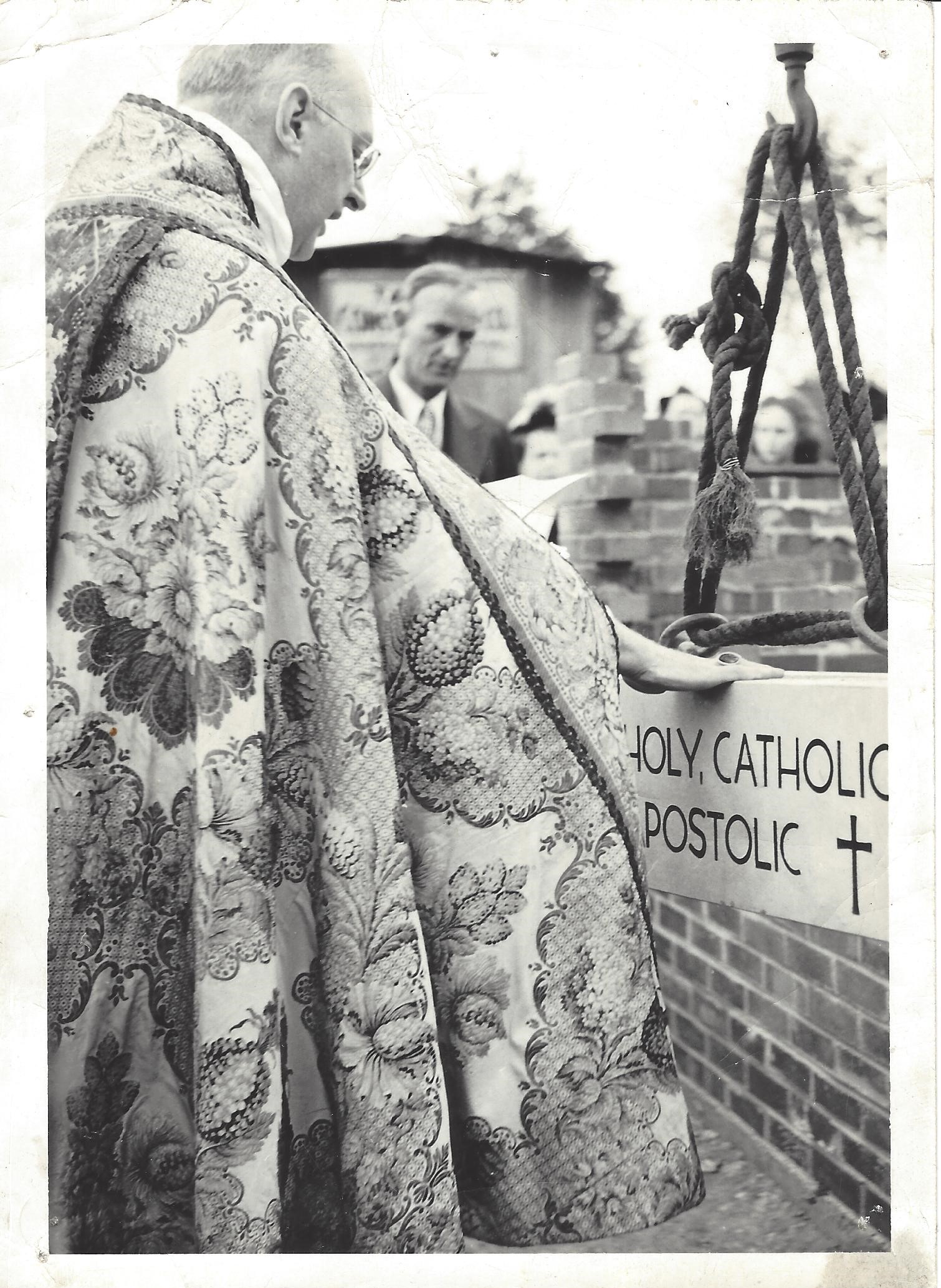
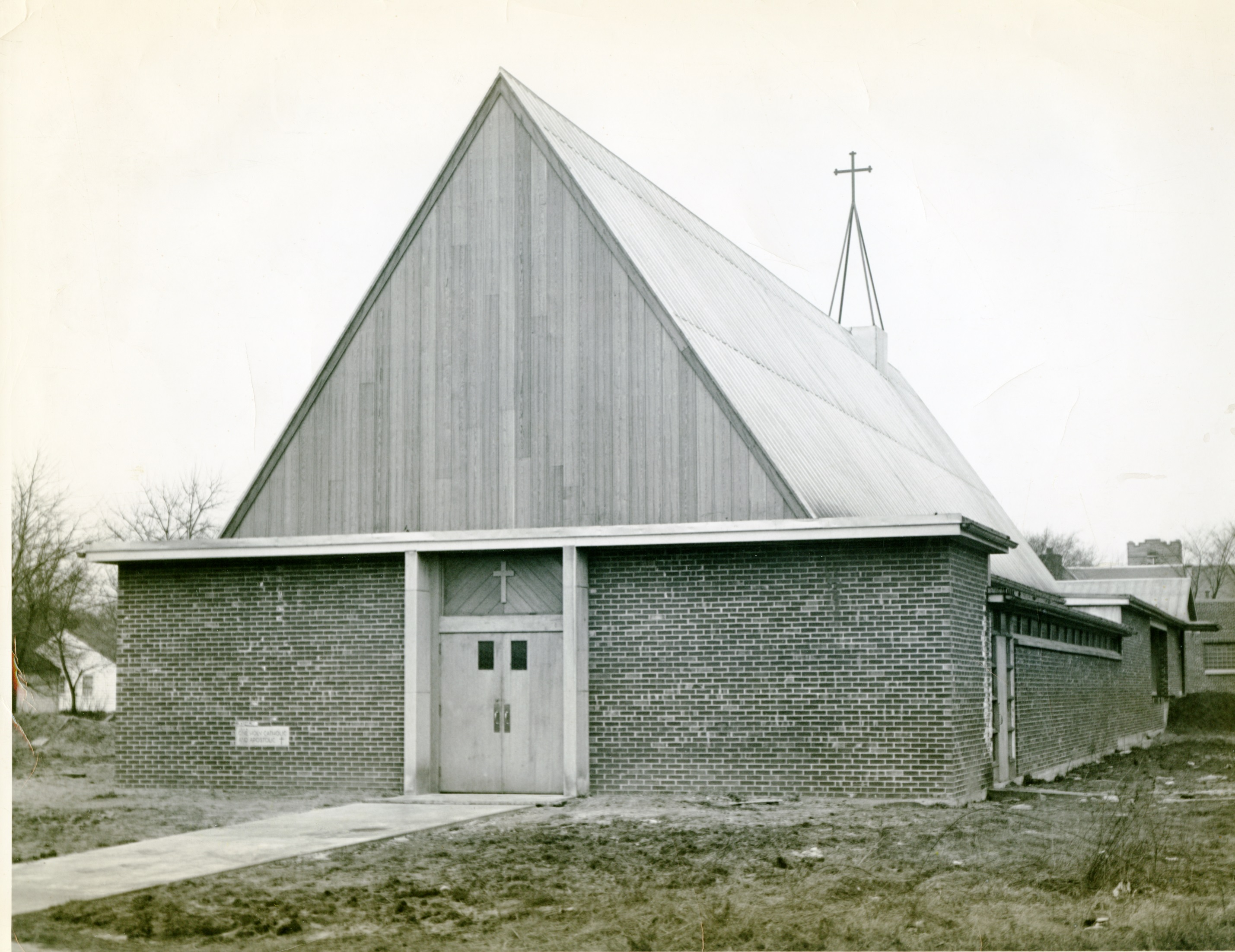
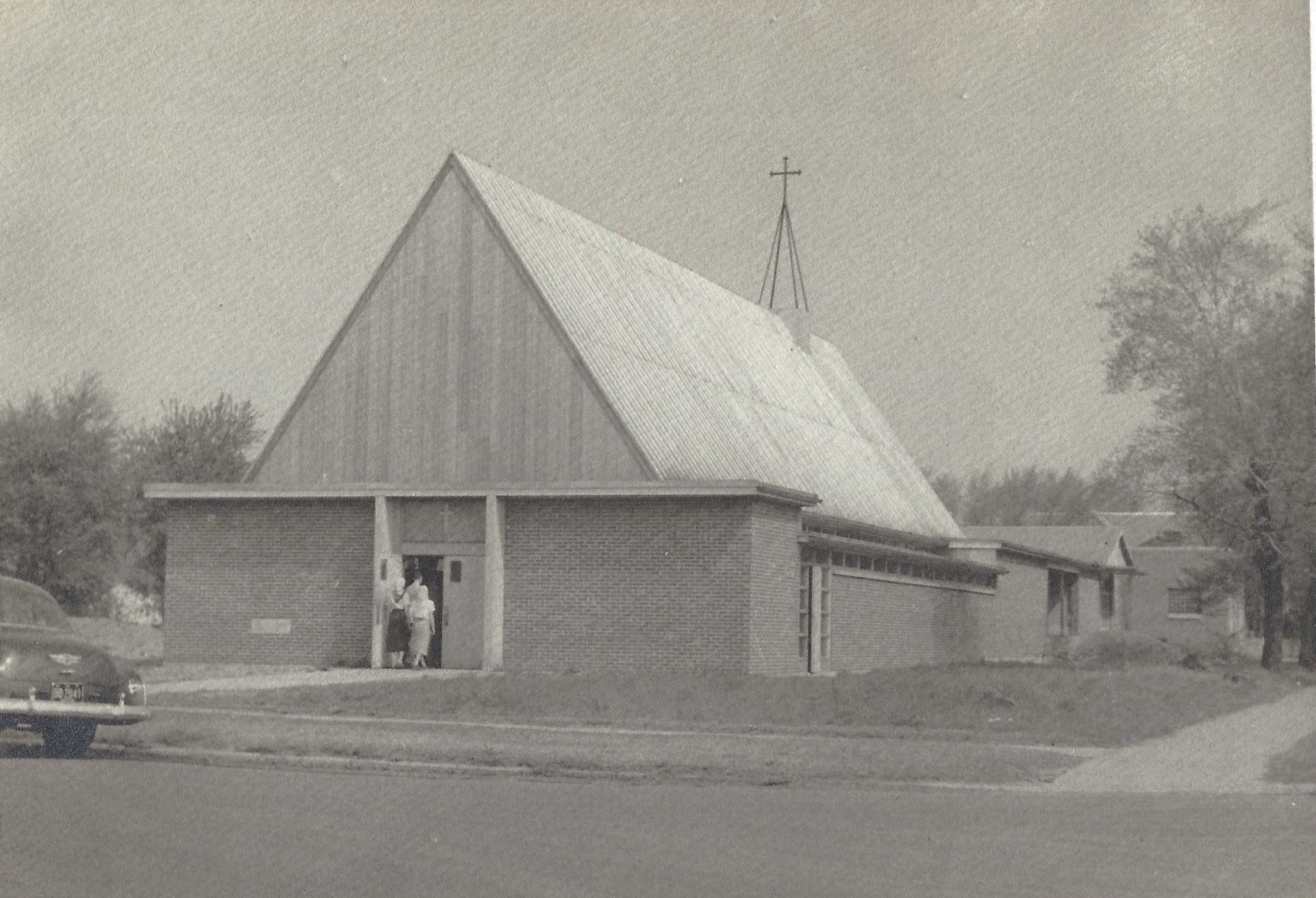
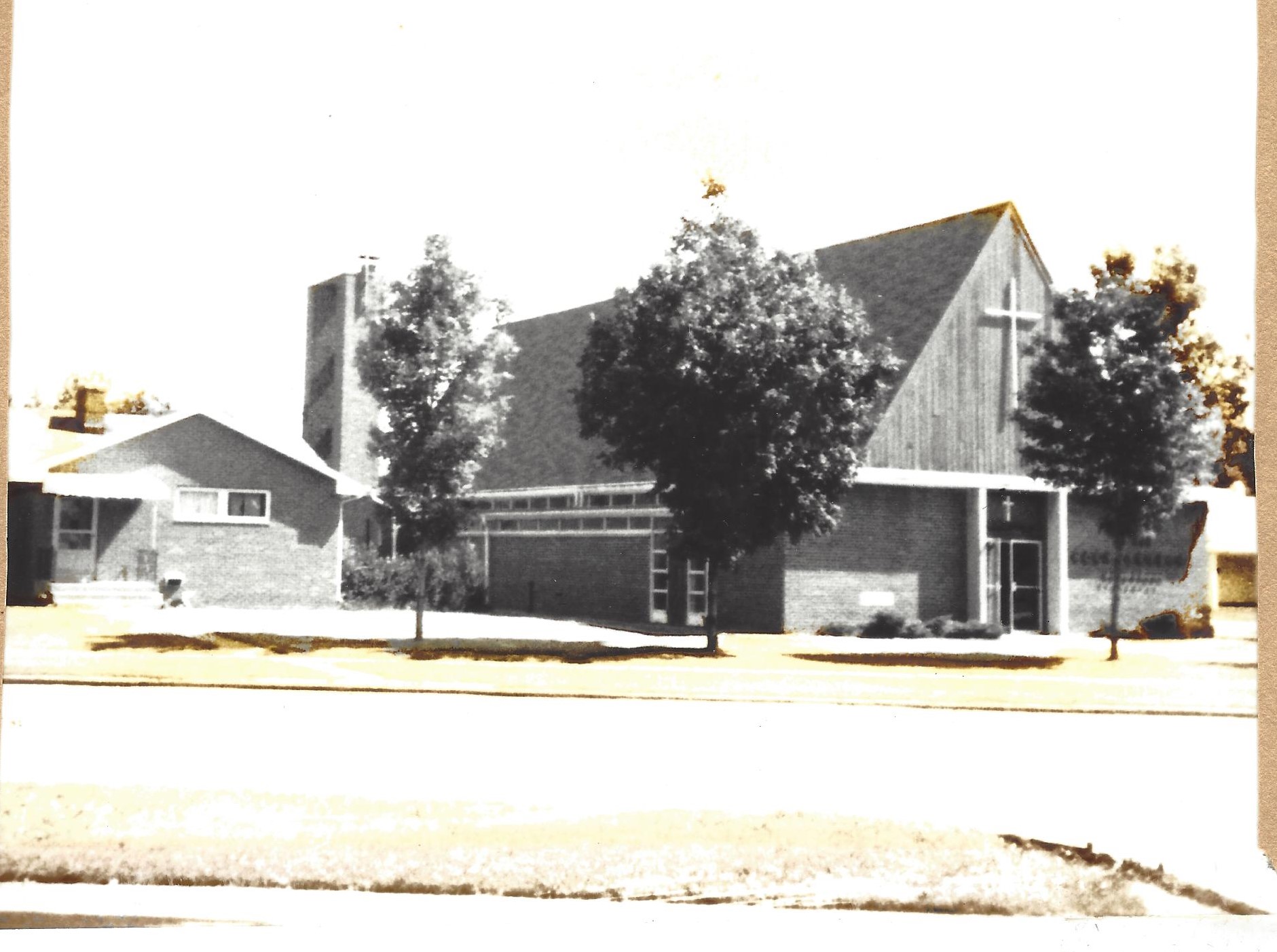
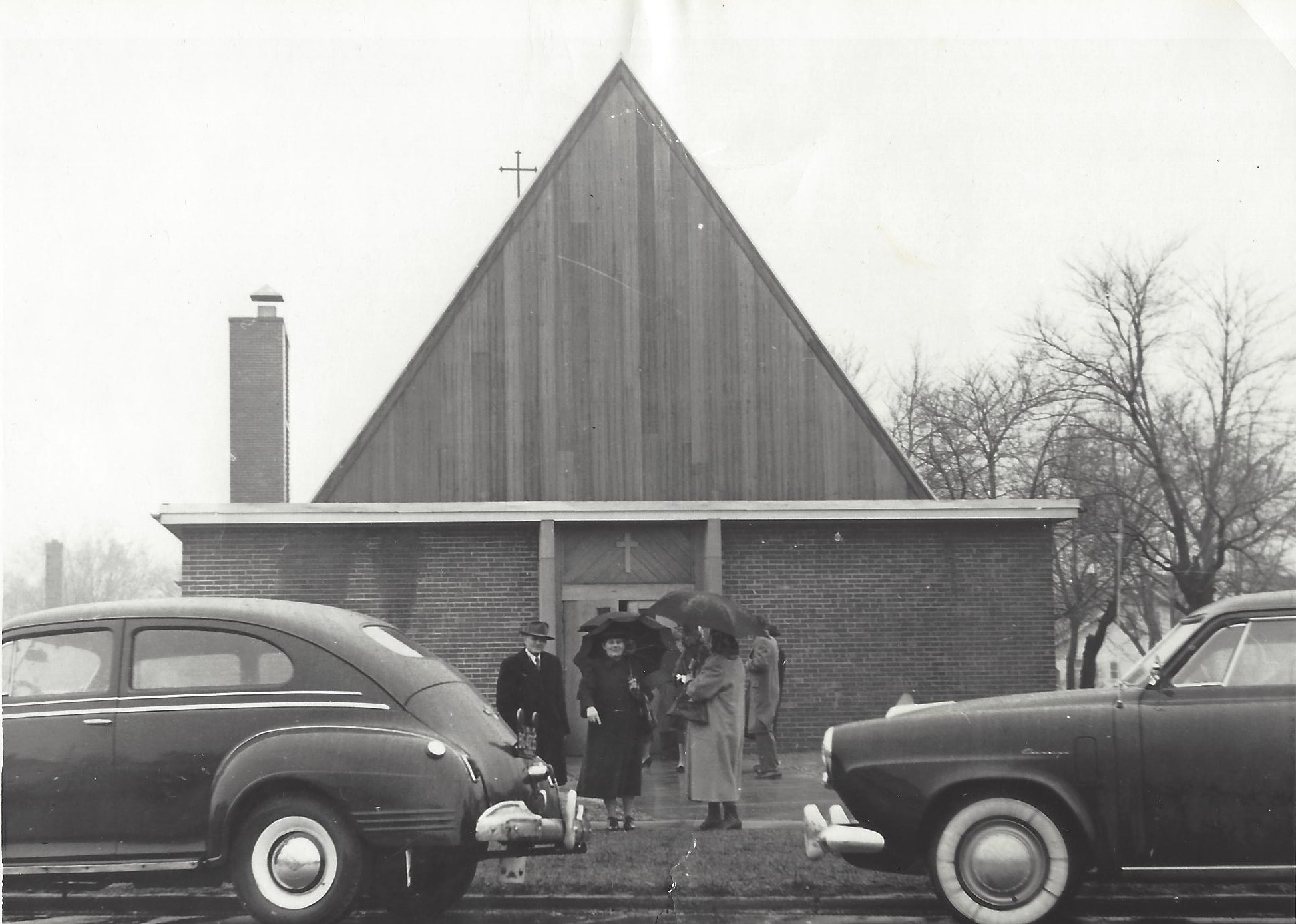
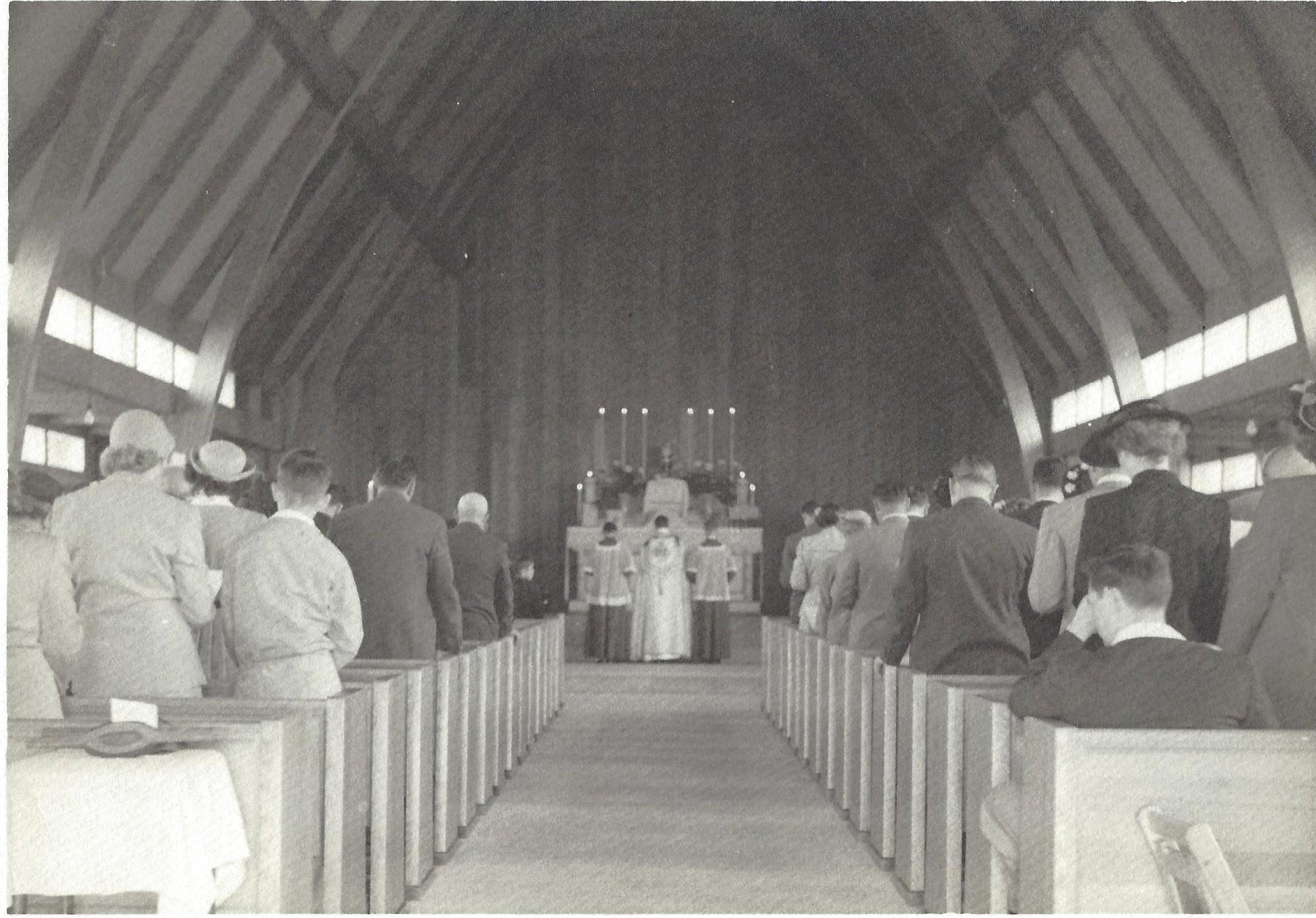
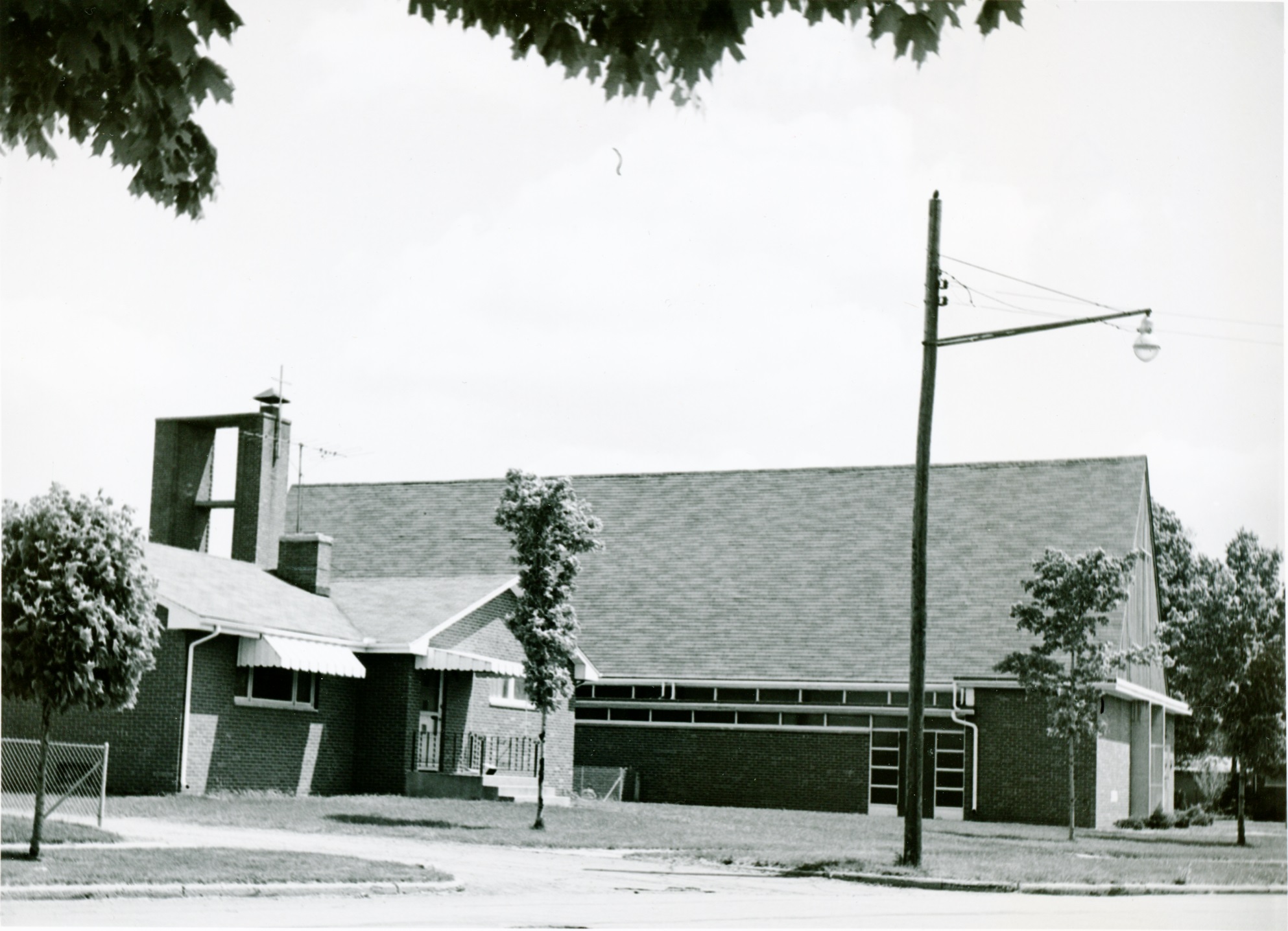
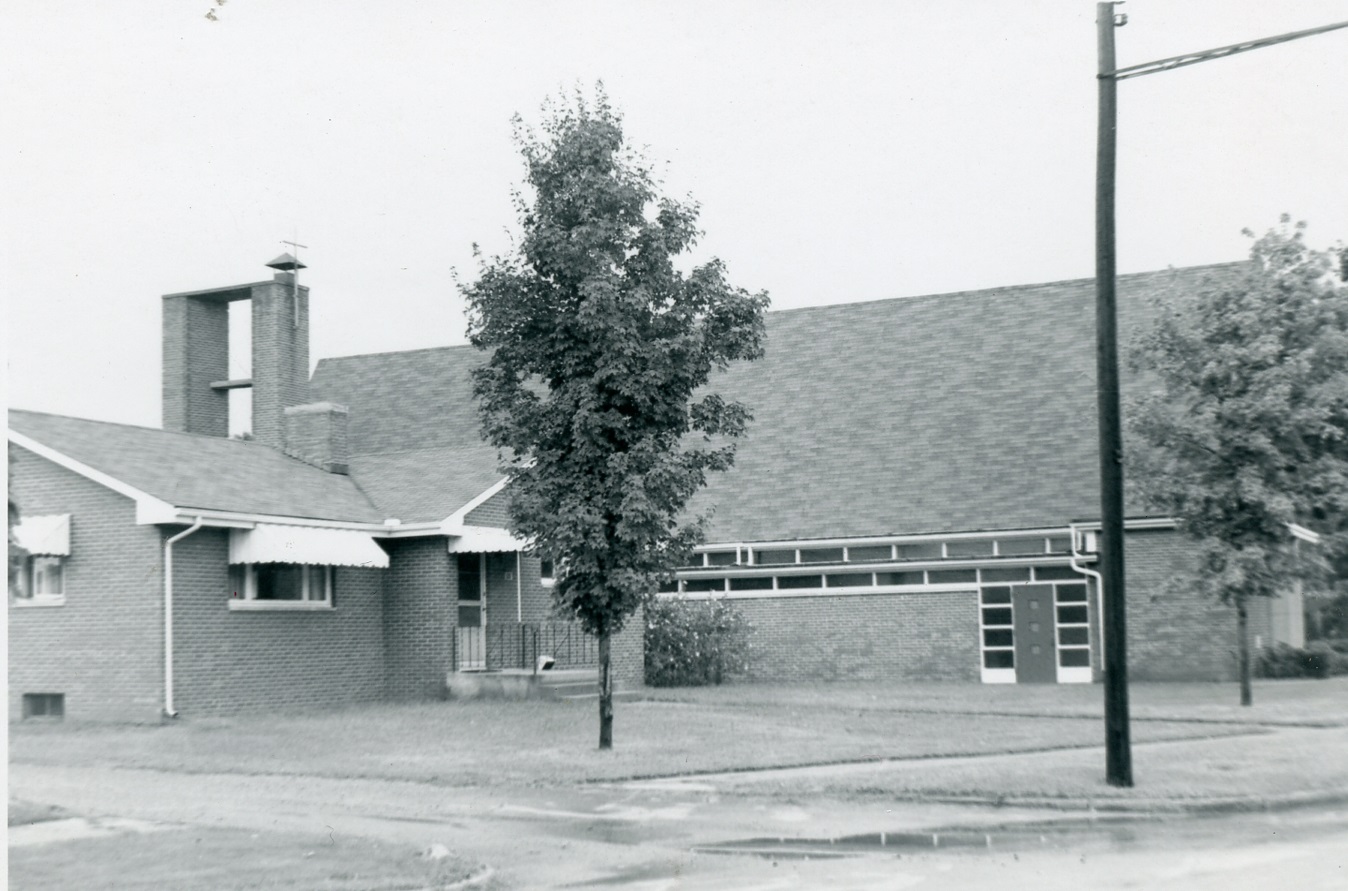
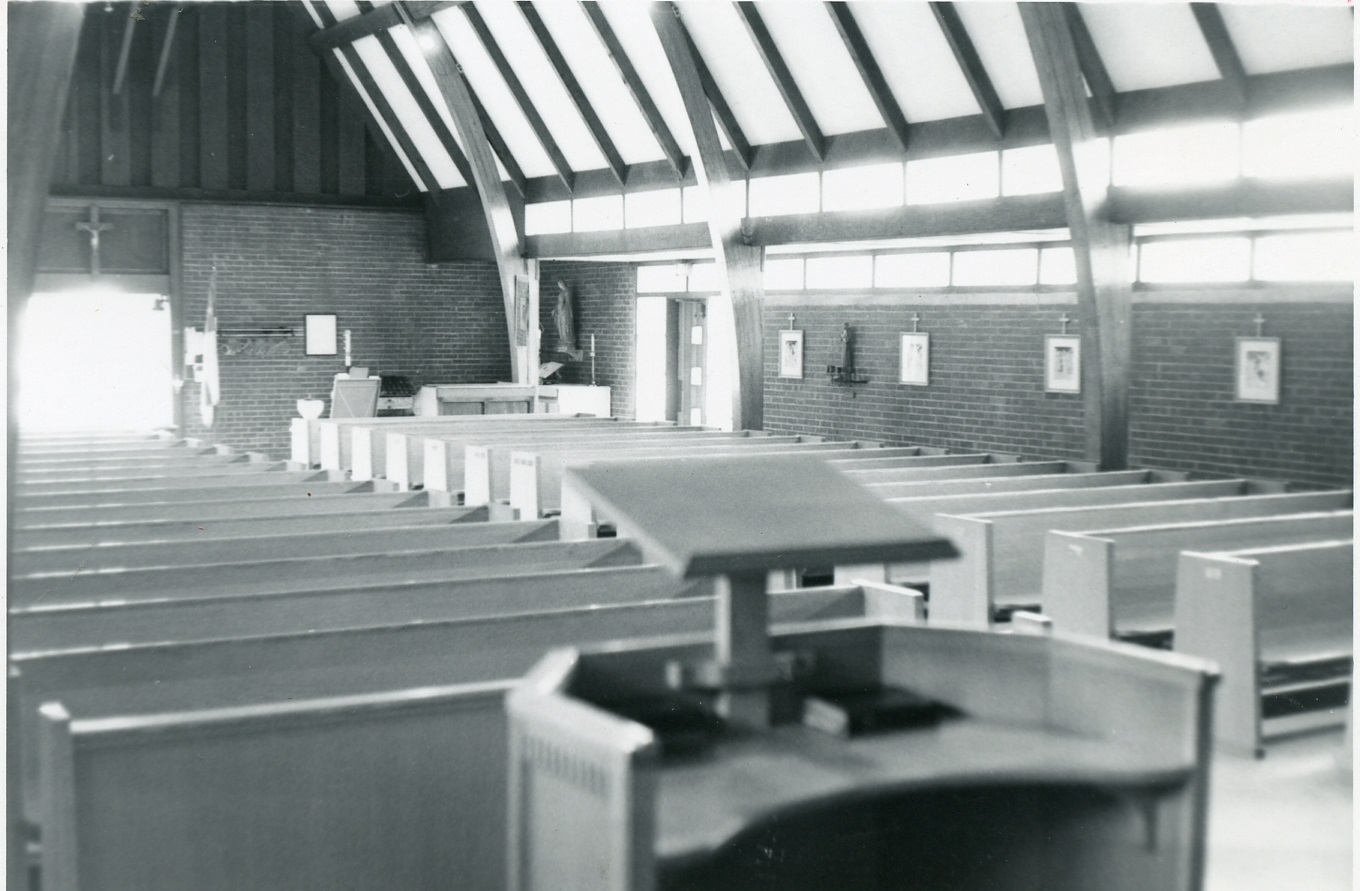
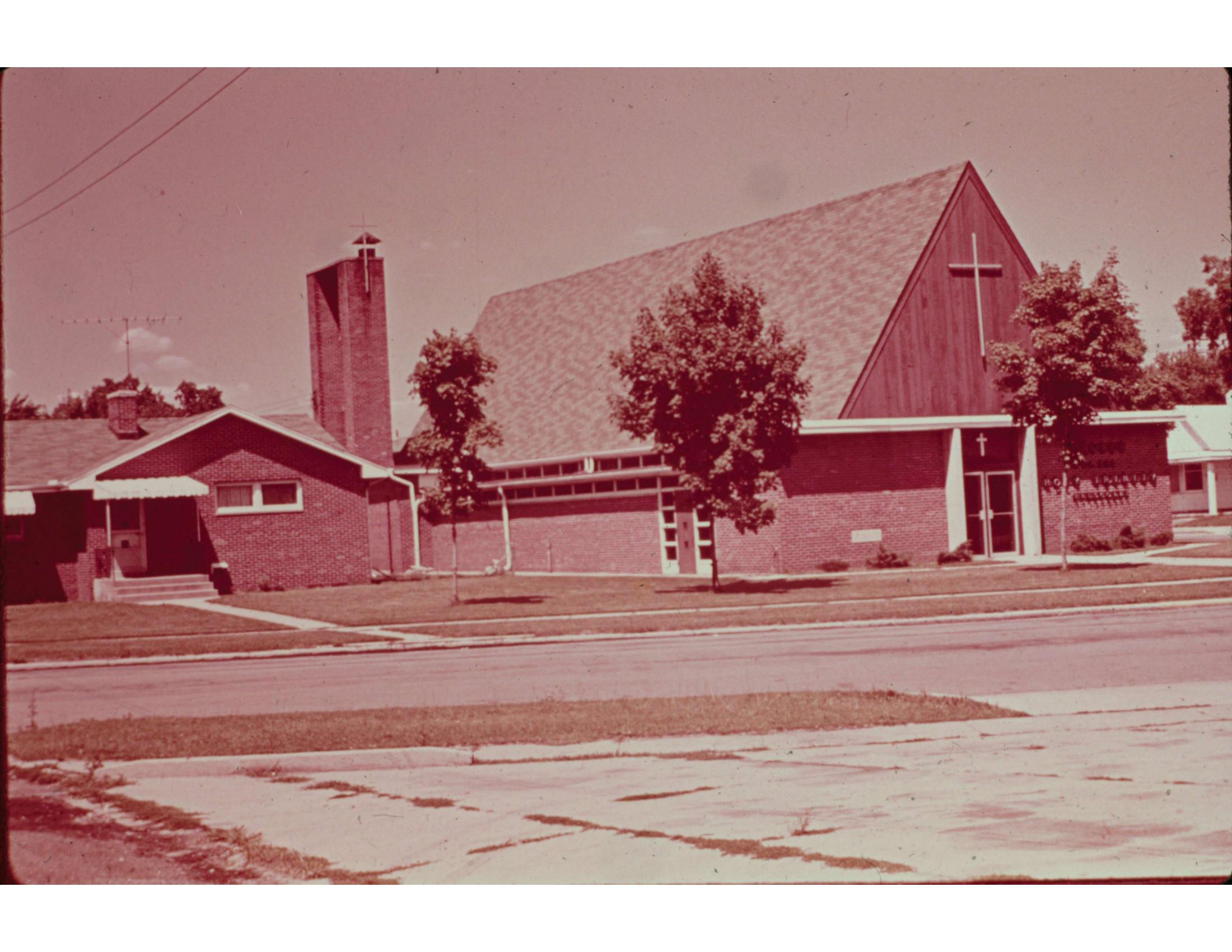
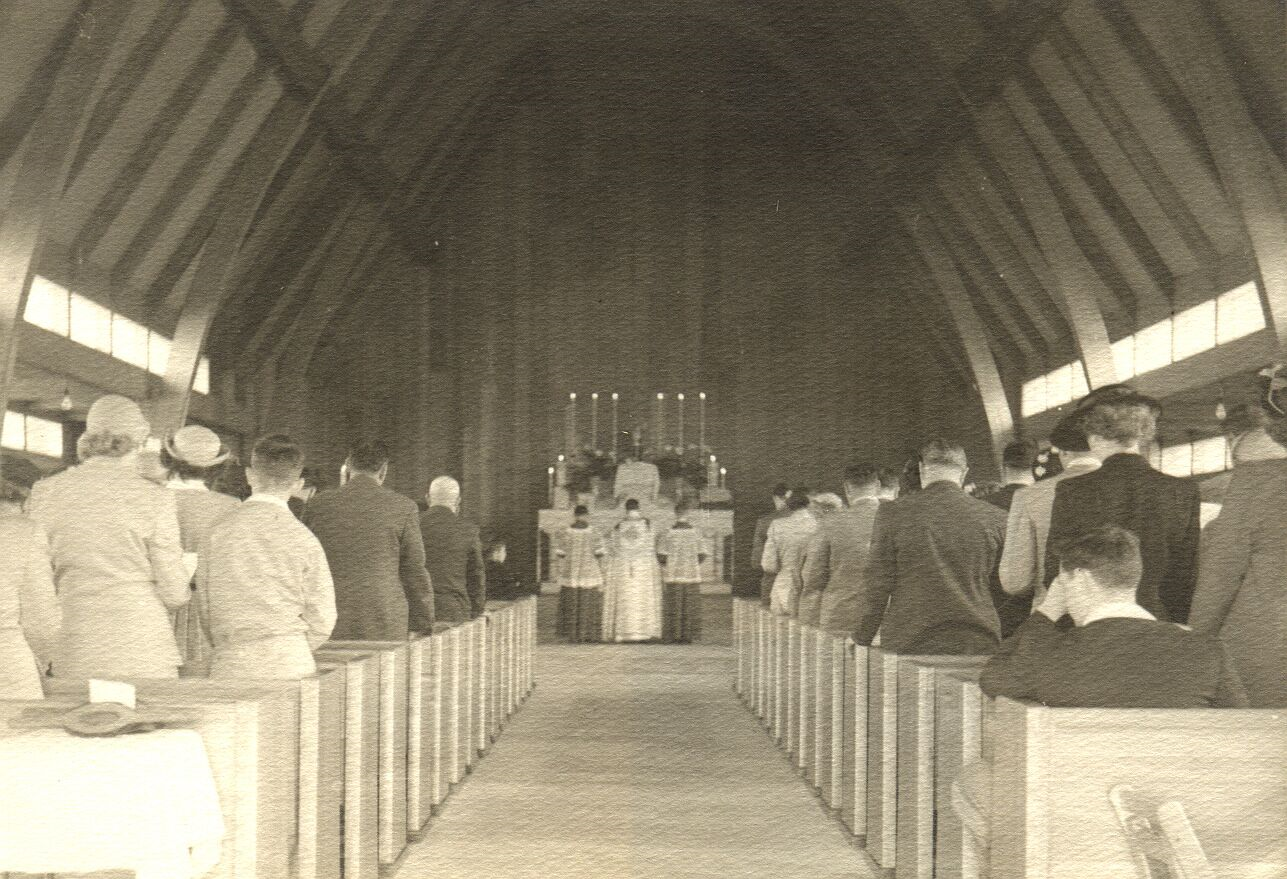
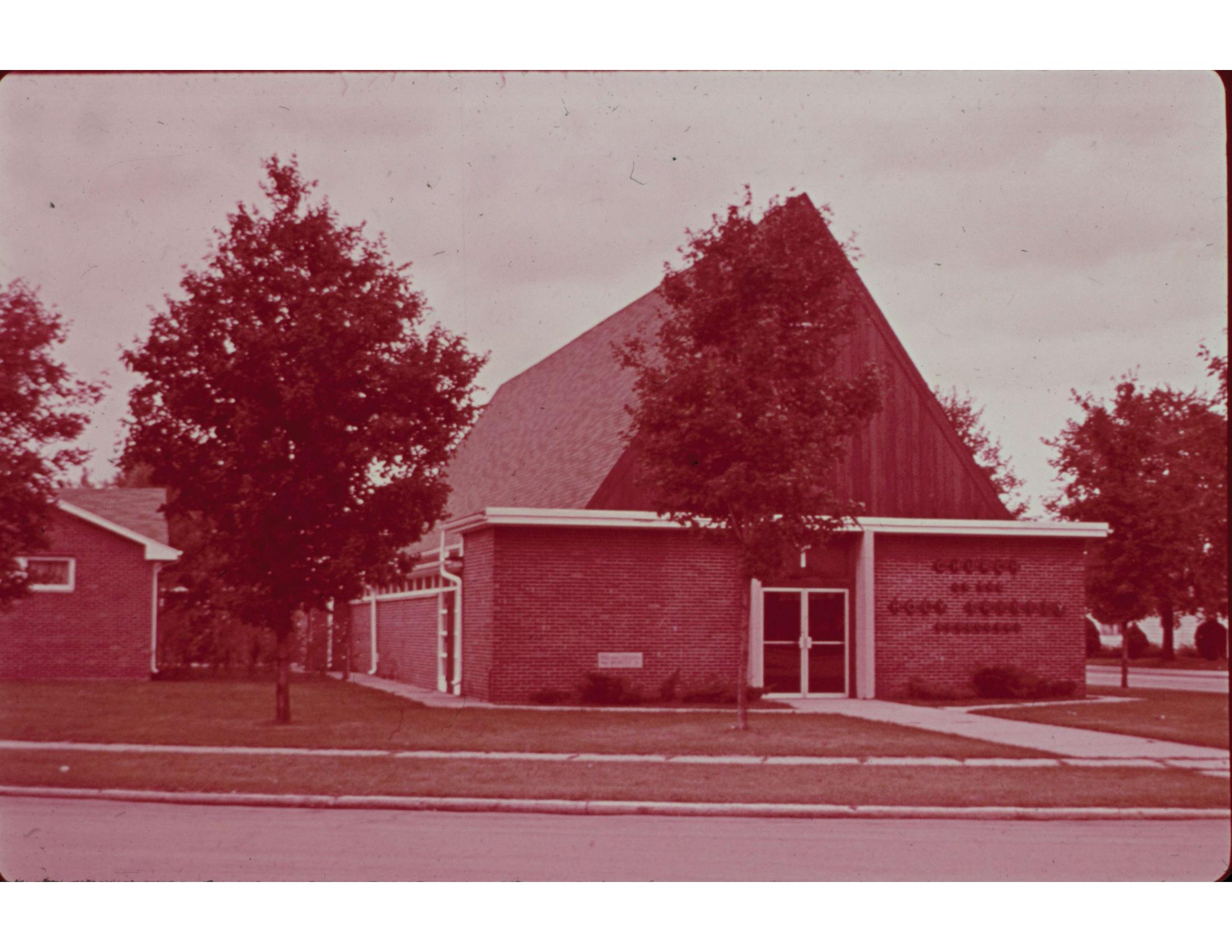
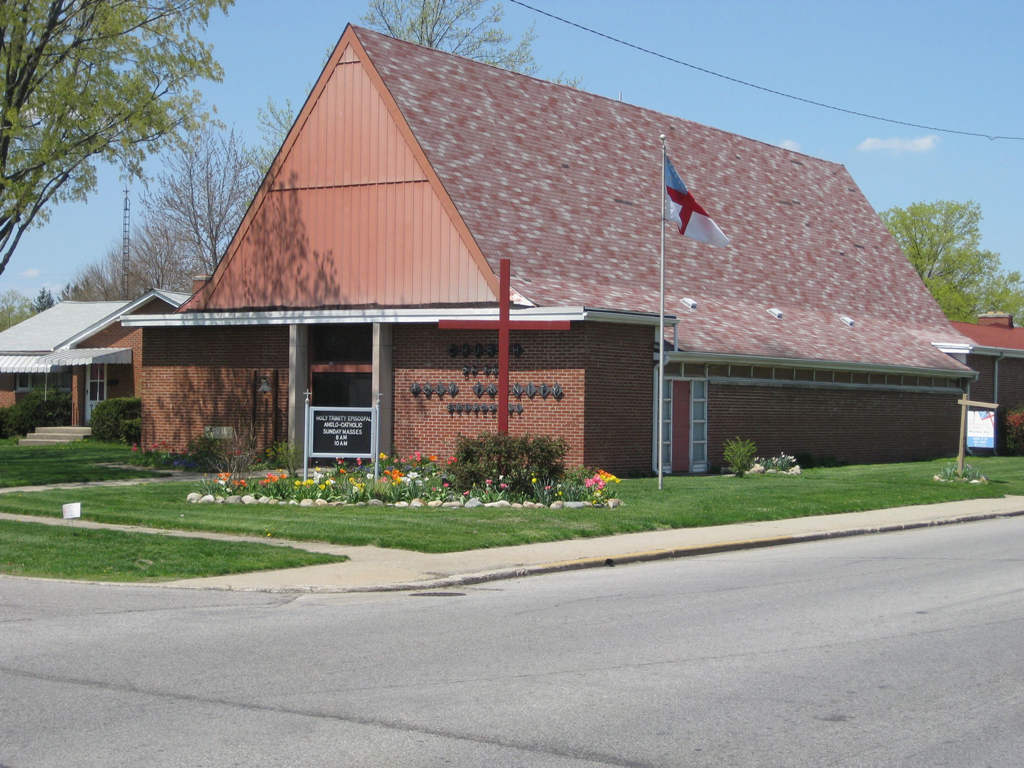
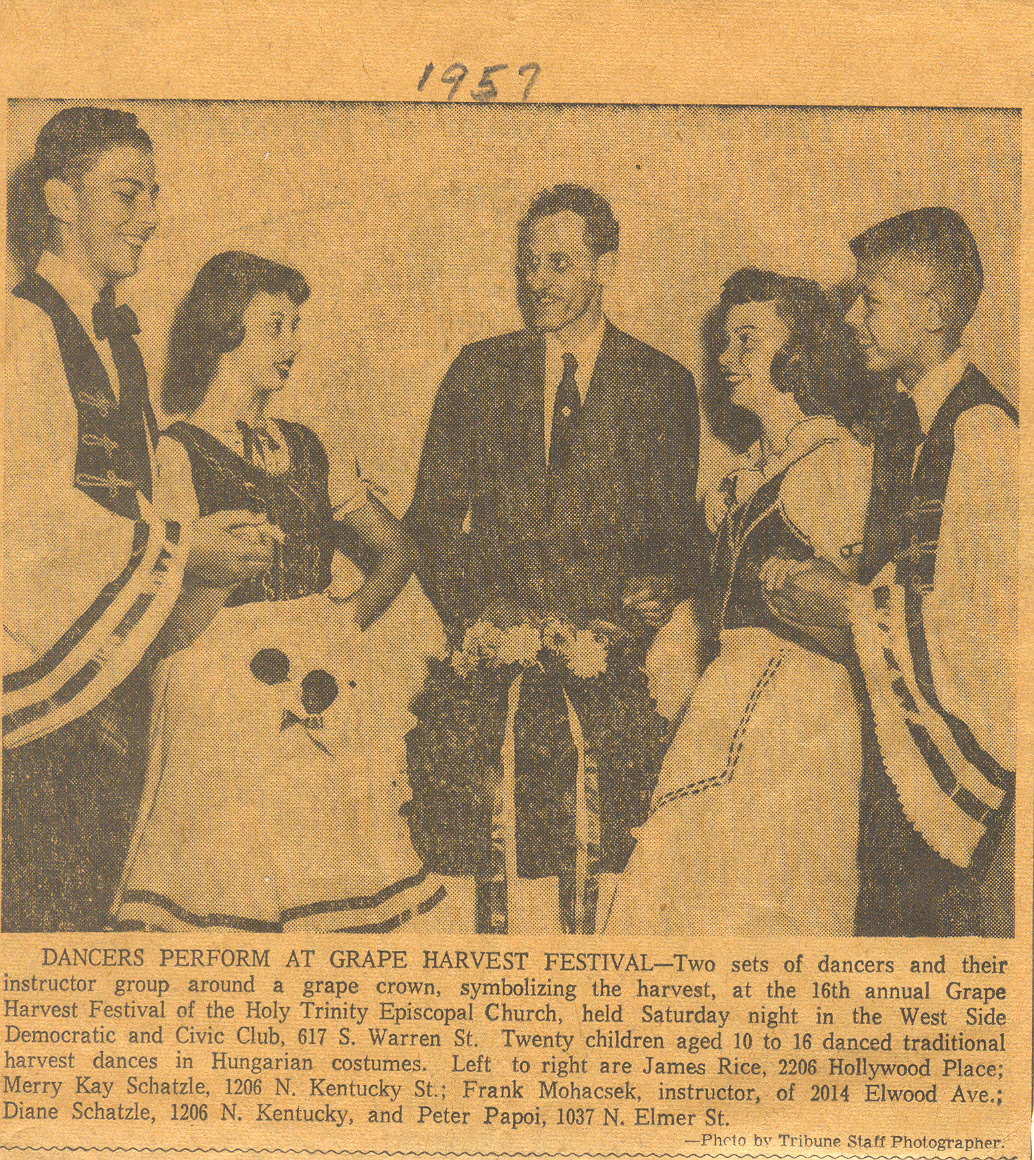
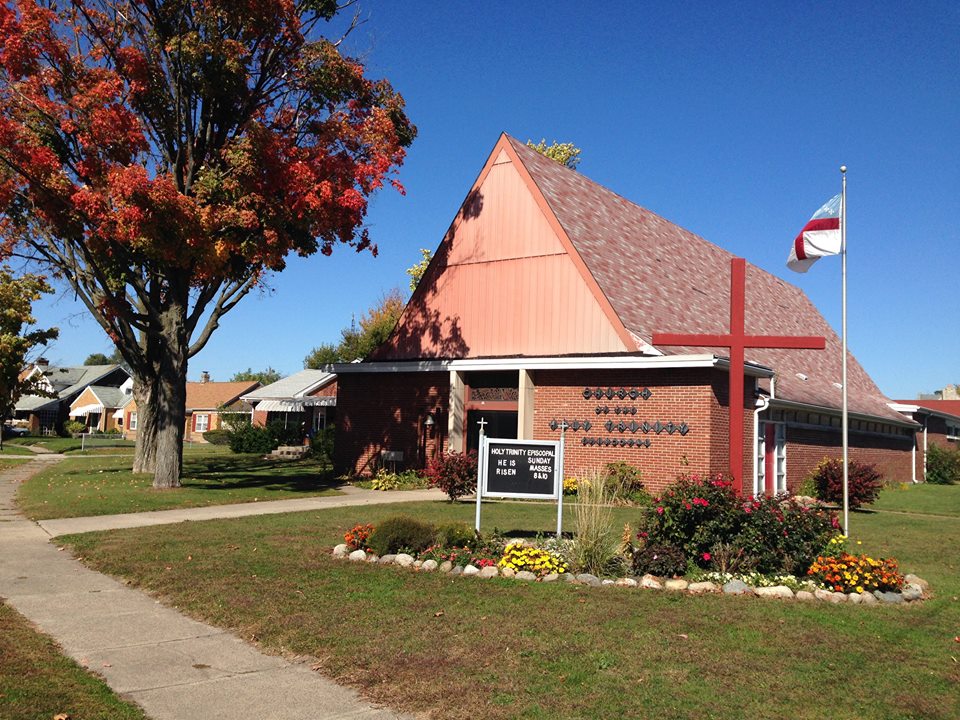
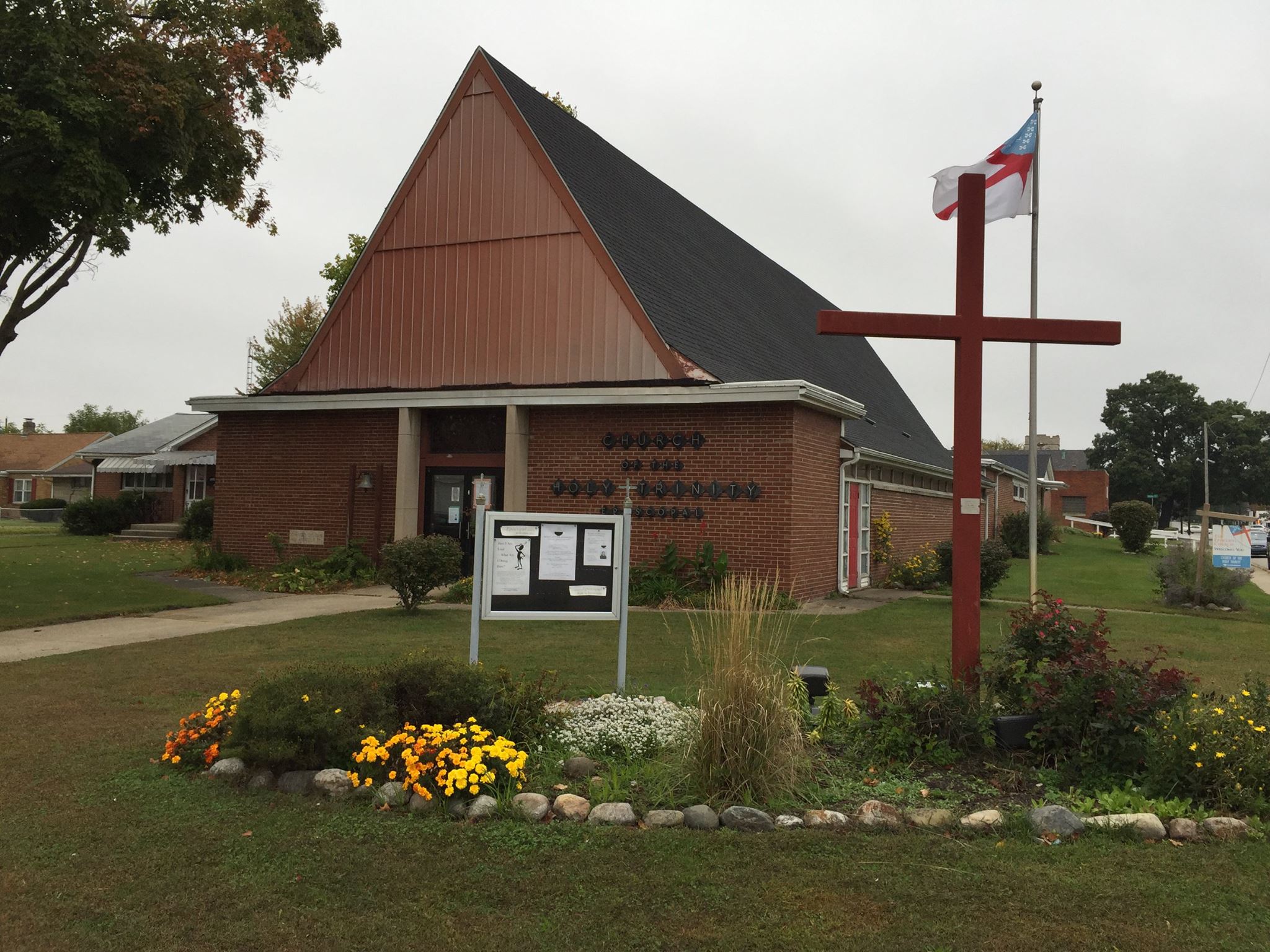
In 1938, Bishop Campbell Gray appointed the Rev. Harold G. Kappes as the new vicar. Although not a Hungarian, Kappes worked hard to learn the language, and he inaugurated a Grape Harvest Festival, which included dances in traditional dress. The church building had fallen into disrepair by this date and was condemned by the city. A new building campaign was launched in 1940, but post-war inflation left only enough to build a church edifice without a rectory or parish hall. Ground was broken for the new building at the corner of Prast Boulevard and North Olive Street on 11 July 1948, and in October, the cornerstone was laid by Bishop Mallett after the congregation had marched ceremonially from the old church. The building has an A-frame design, inspired by the abbey church at Three Rivers, Michigan, where Kappes had studied for his vocation. The new building was dedicated at Easter, 1950.
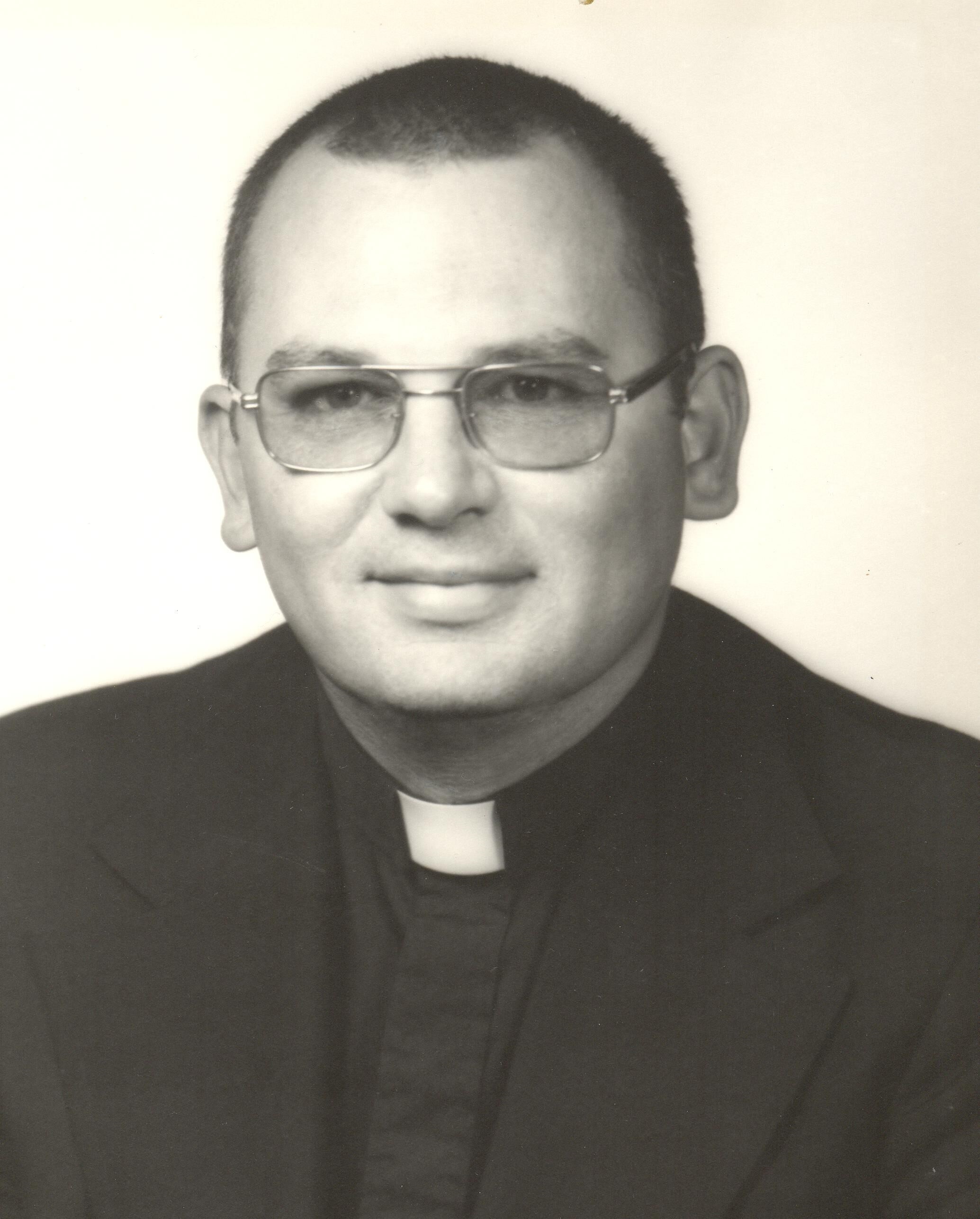
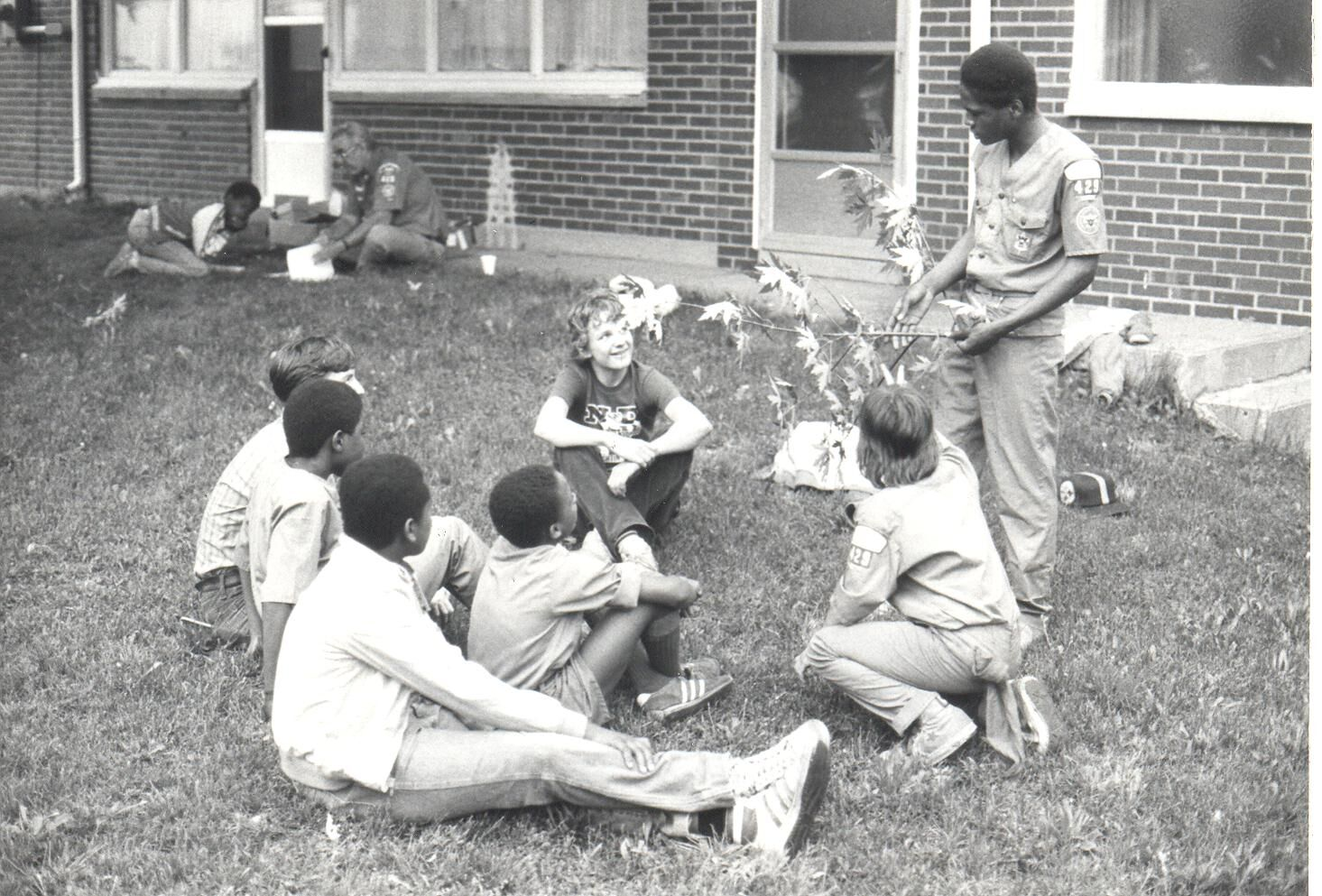
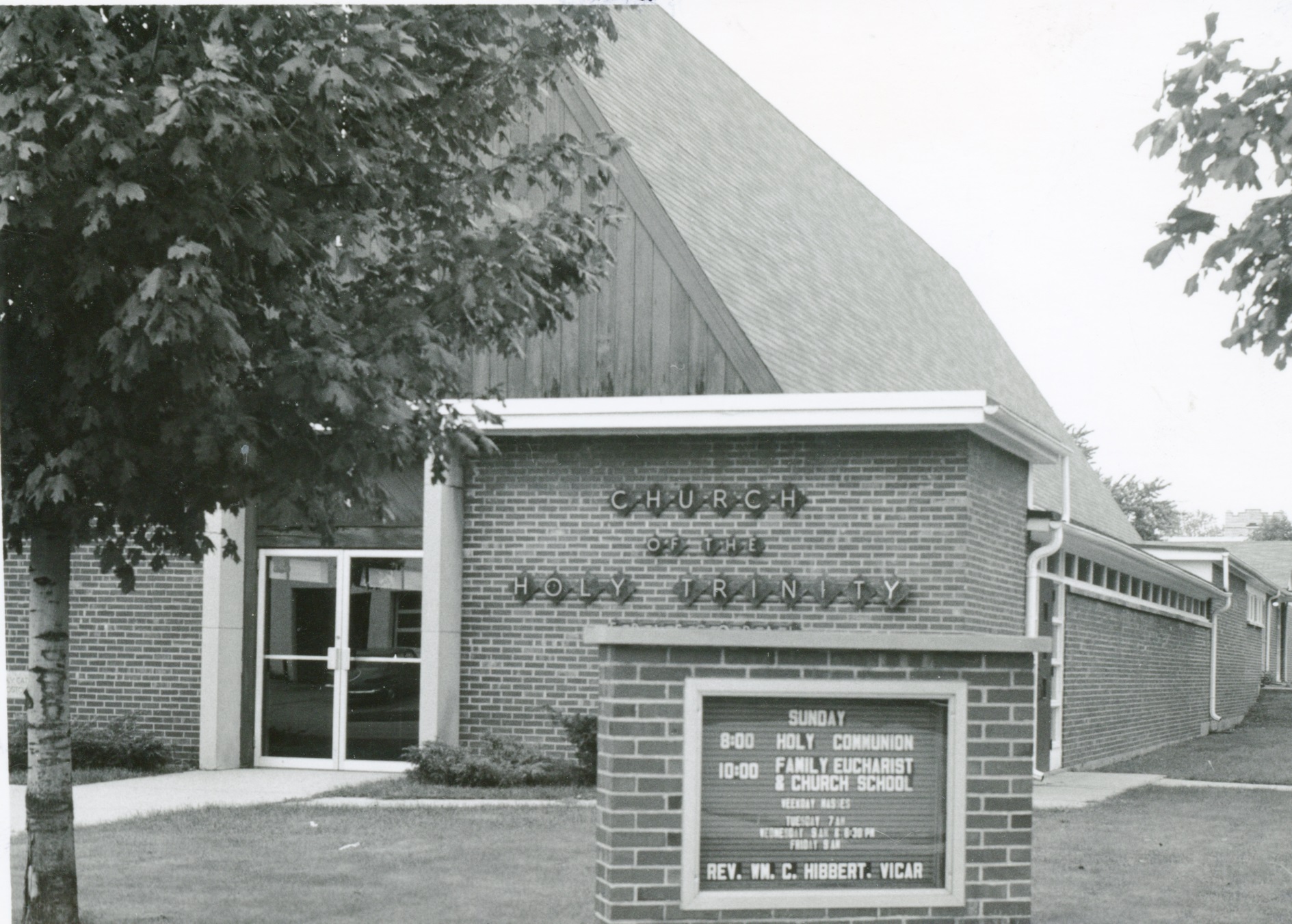
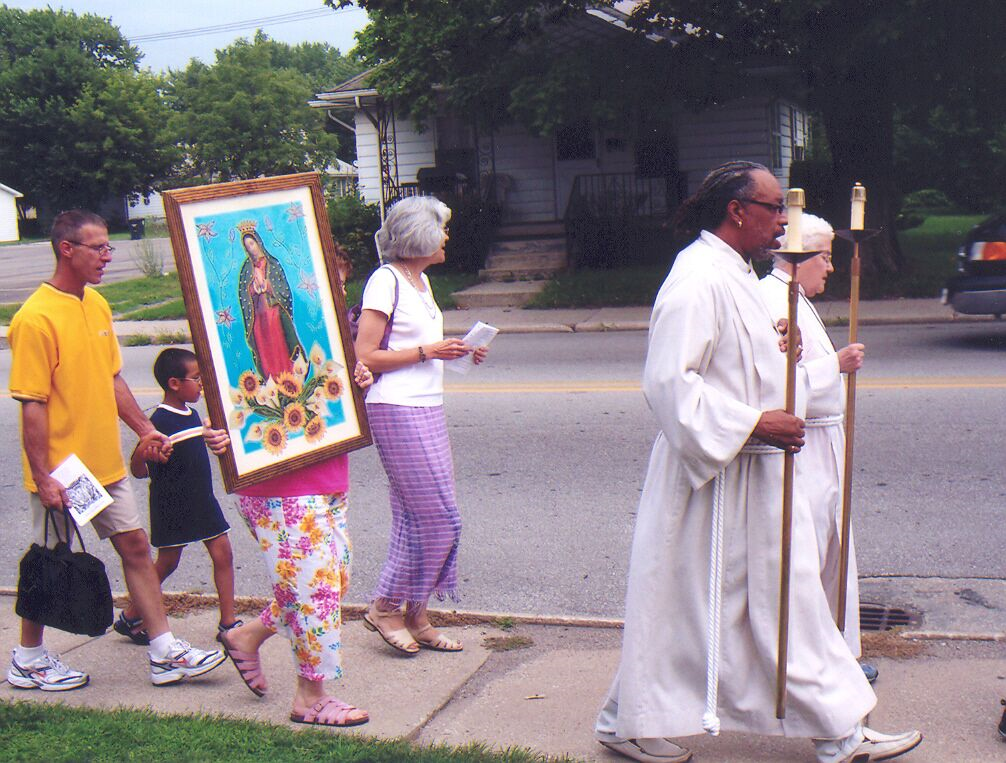
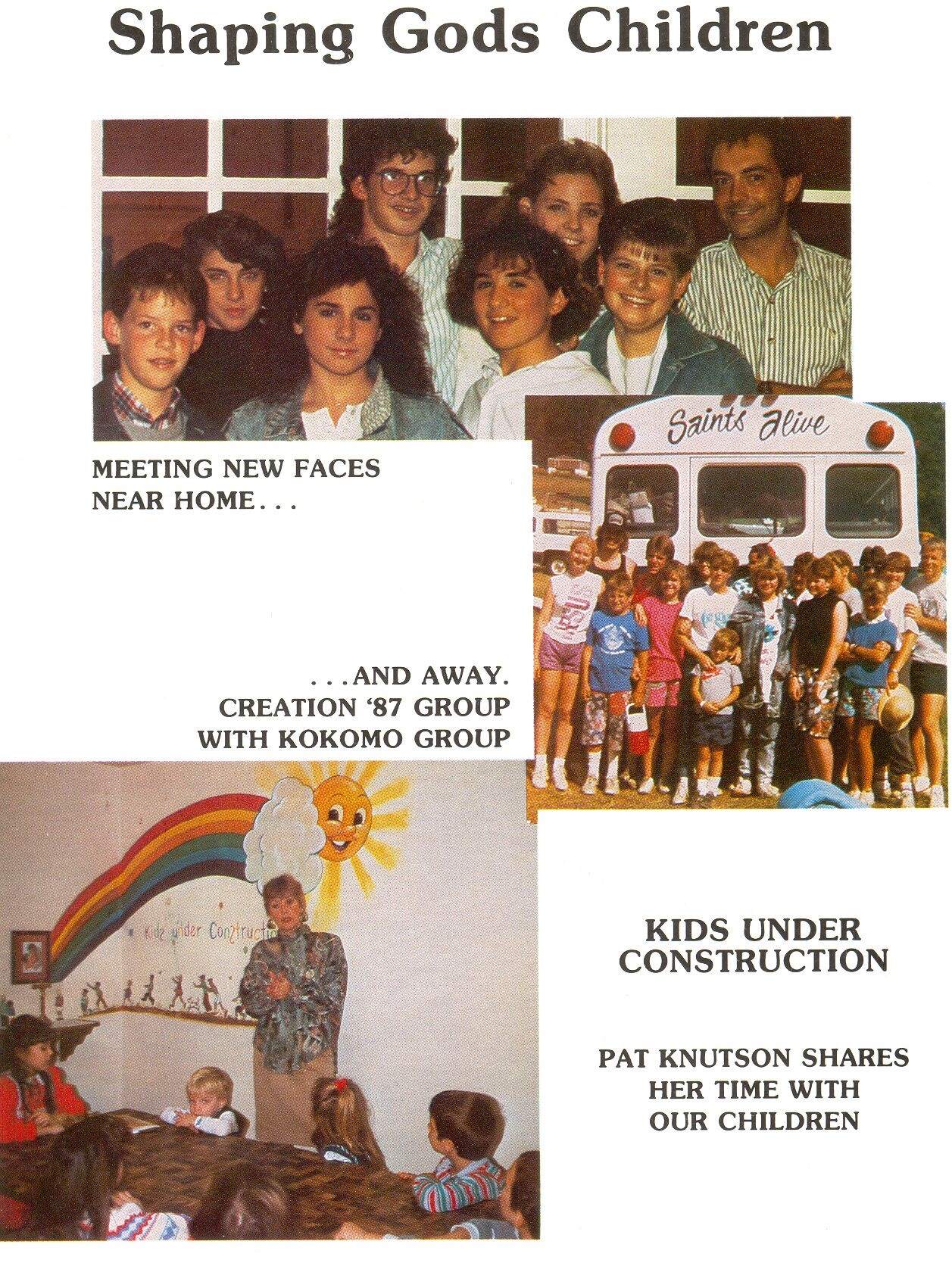
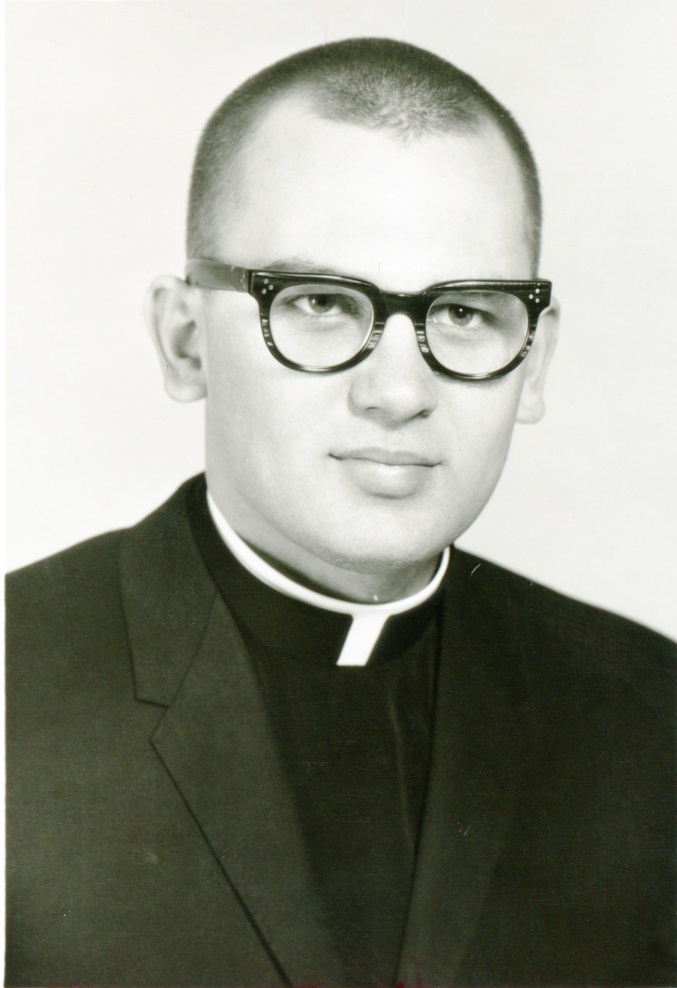
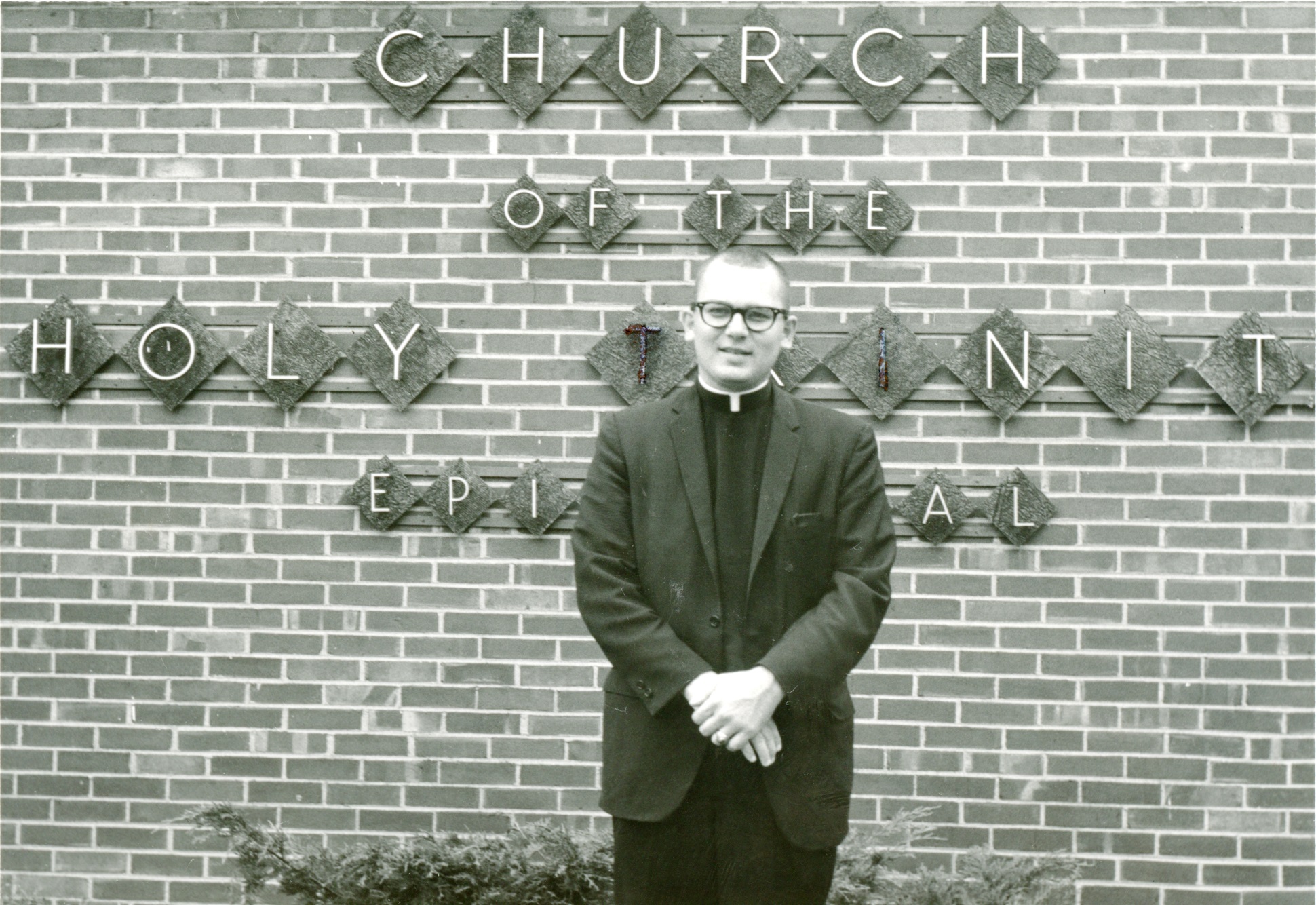
In 1955, for unknown reasons, Bishop Mallett removed Kappes abruptly as vicar. He was replaced by the Rev. James Halfhil, who served until 1961 when he was forced to resign for reasons of health. His successor, the Rev. James Greer, served until 1968 when he left after domestic issues. The Rev. William Hibbert arrived and had a successful ministry, during which he worked with youth and chartered a Boy Scouts troop, earning him recognition for his efforts from the Presiding Bishop. In 1970, the mission was admitted formally as a parish and the following year was renamed the Church of the Holy Trinity. Hibbert served until 1984 before leaving for Indianapolis. During his tenure, Hibbert made up his mind that Holy Trinity was going to become a Rite Two parish, and despite some opposition, according to Deacon Joseph Illes, the transition to the 1979 prayerbook was made successfully. The Rev. Bradley McCormick served as interim rector until the election of the Rev. Jack Bliven in 1985. Lay ministry expanded and new windows were installed before Bliven was forced to resign on account of poor health in 1989. He died a year later.
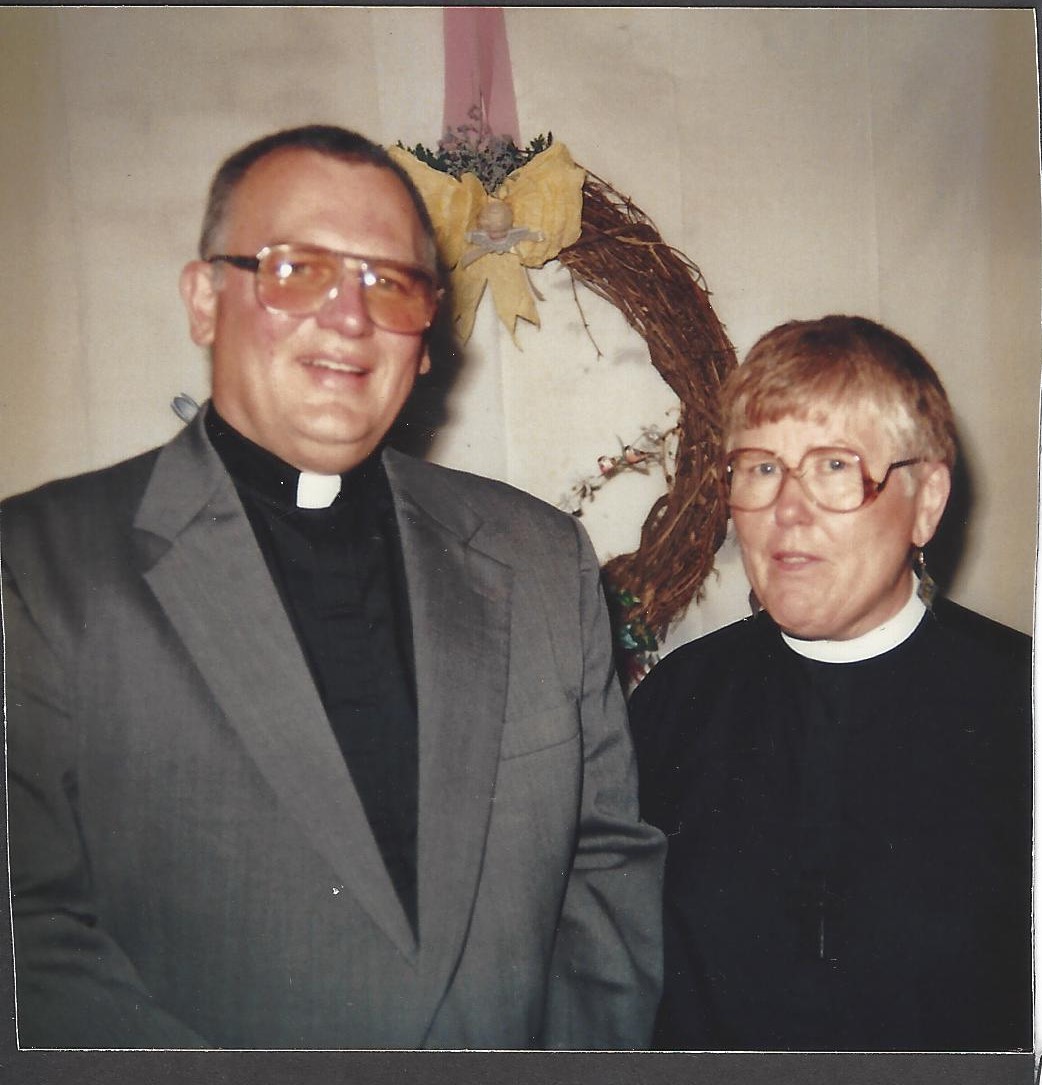
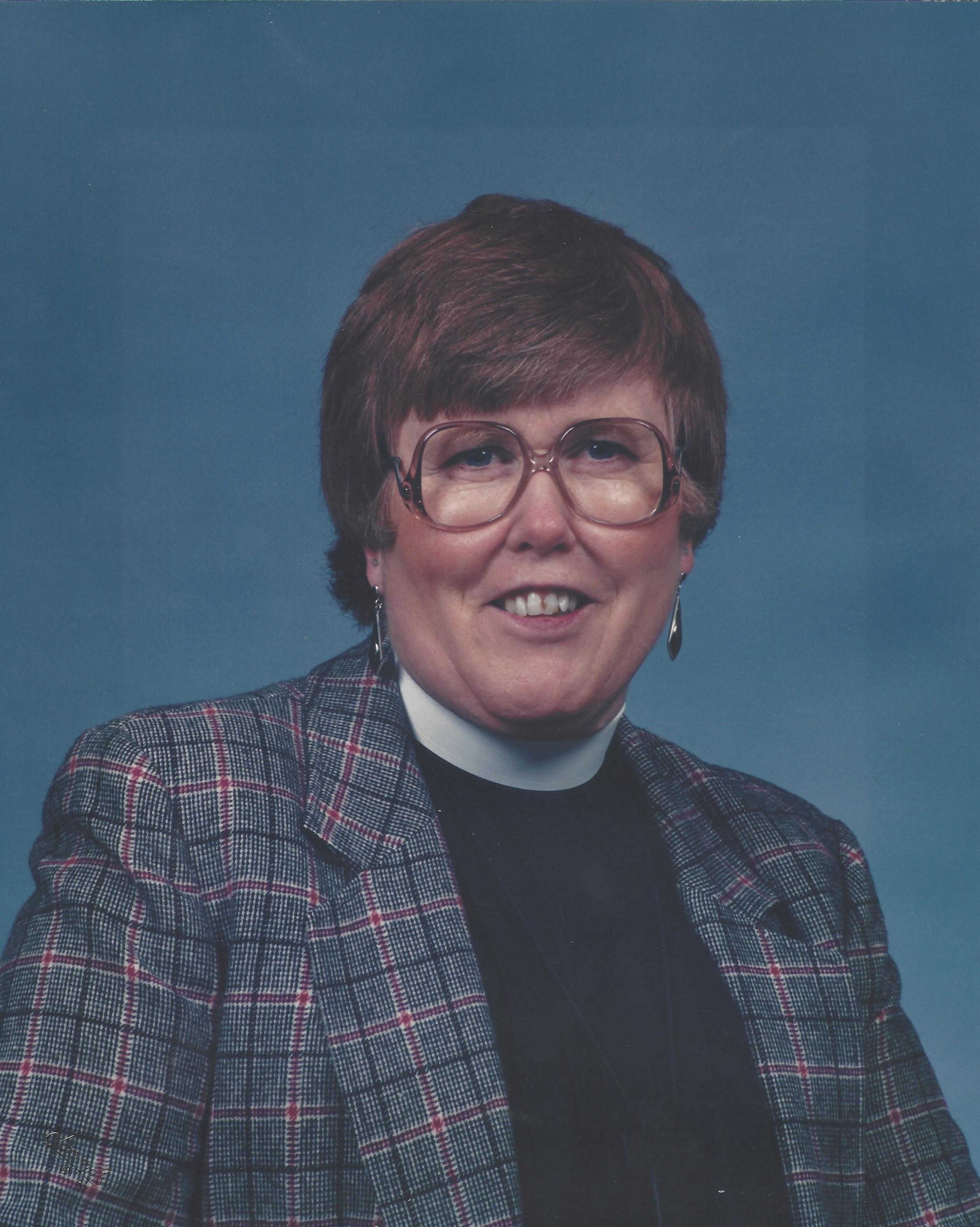
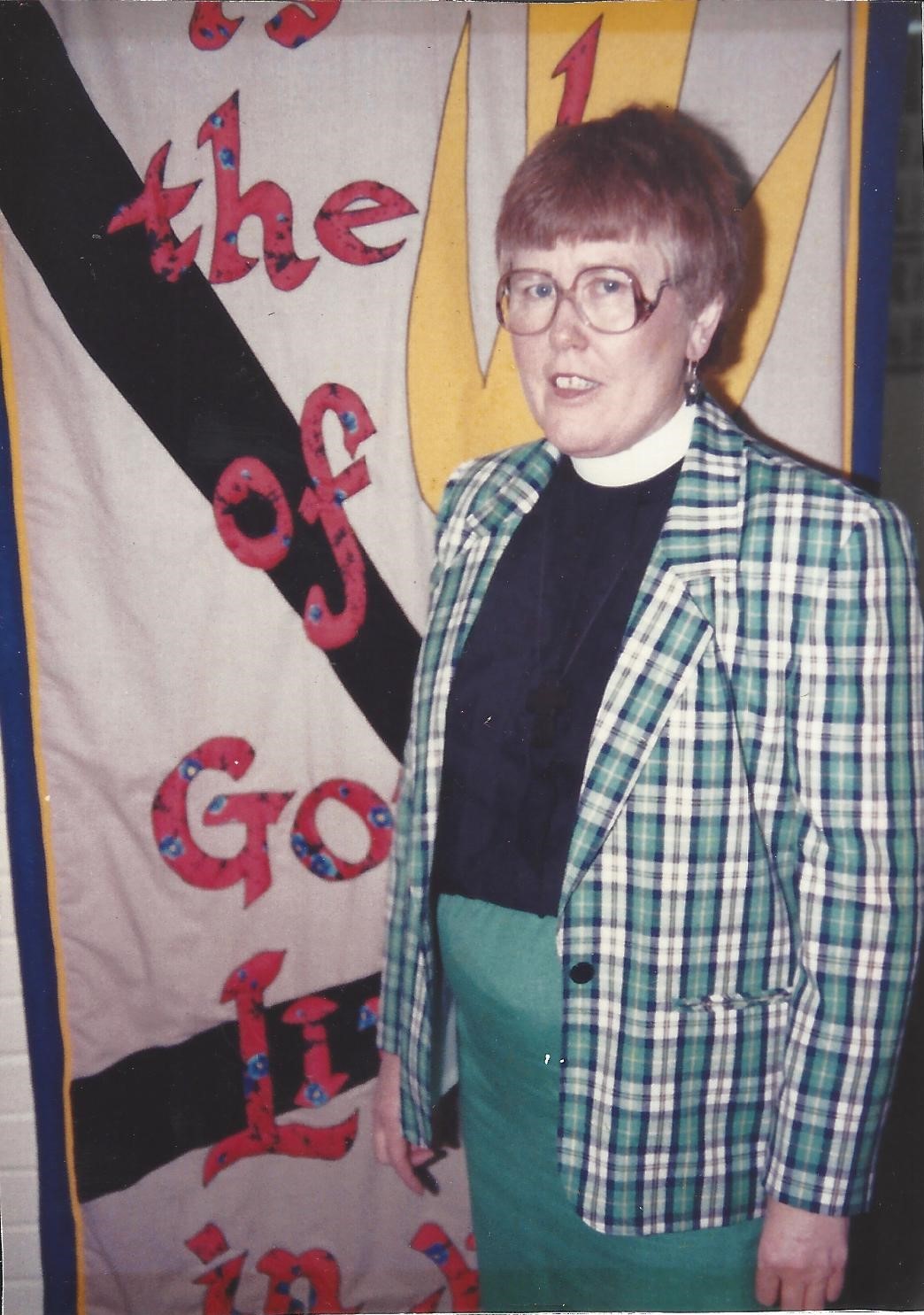
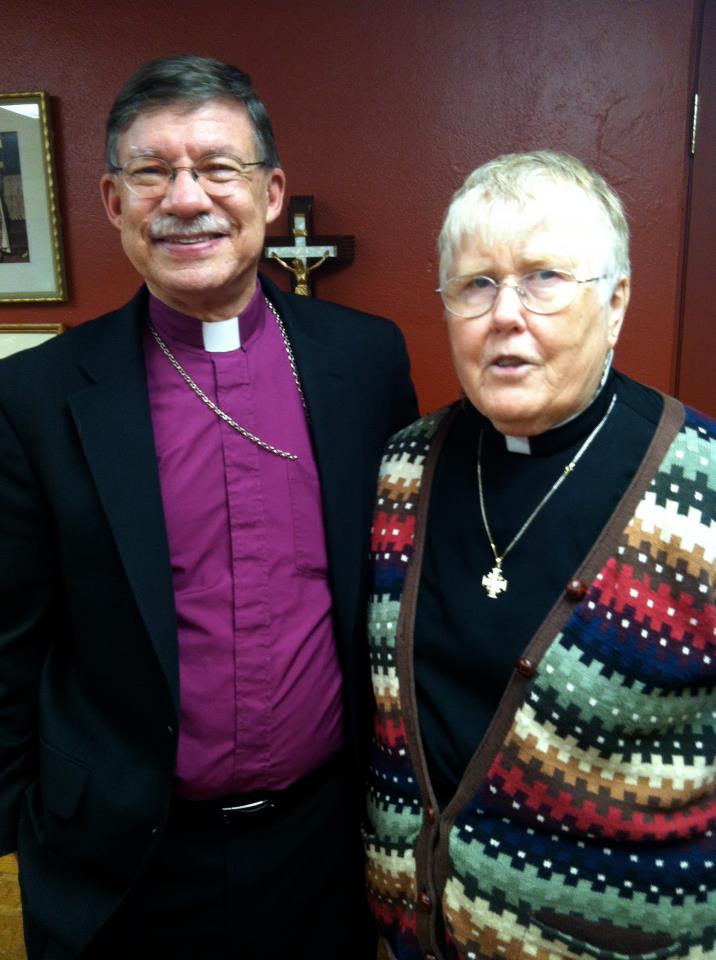
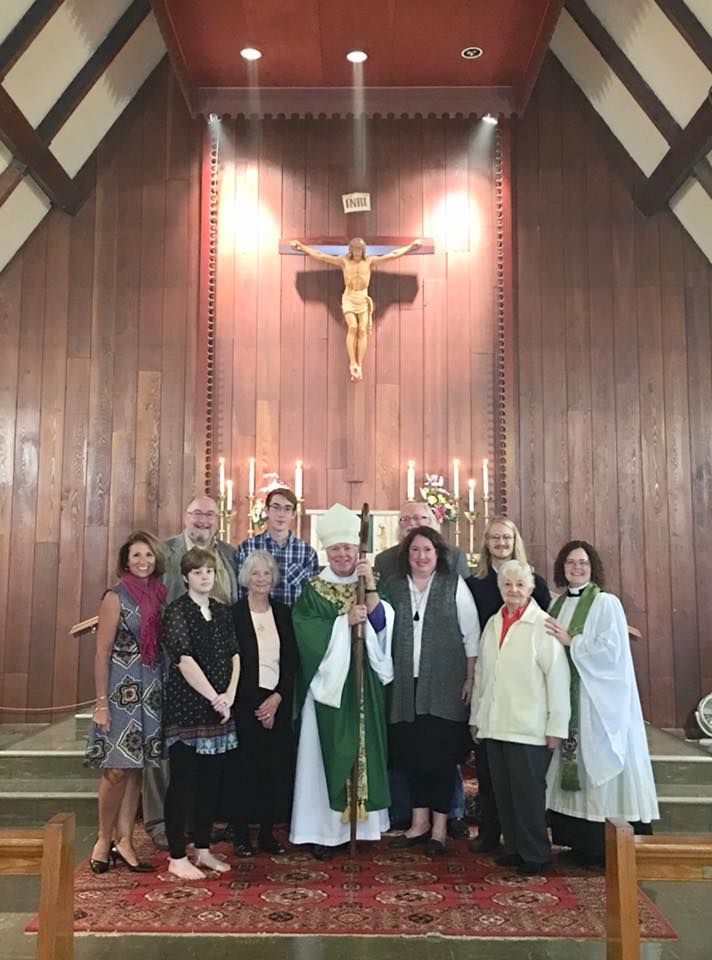
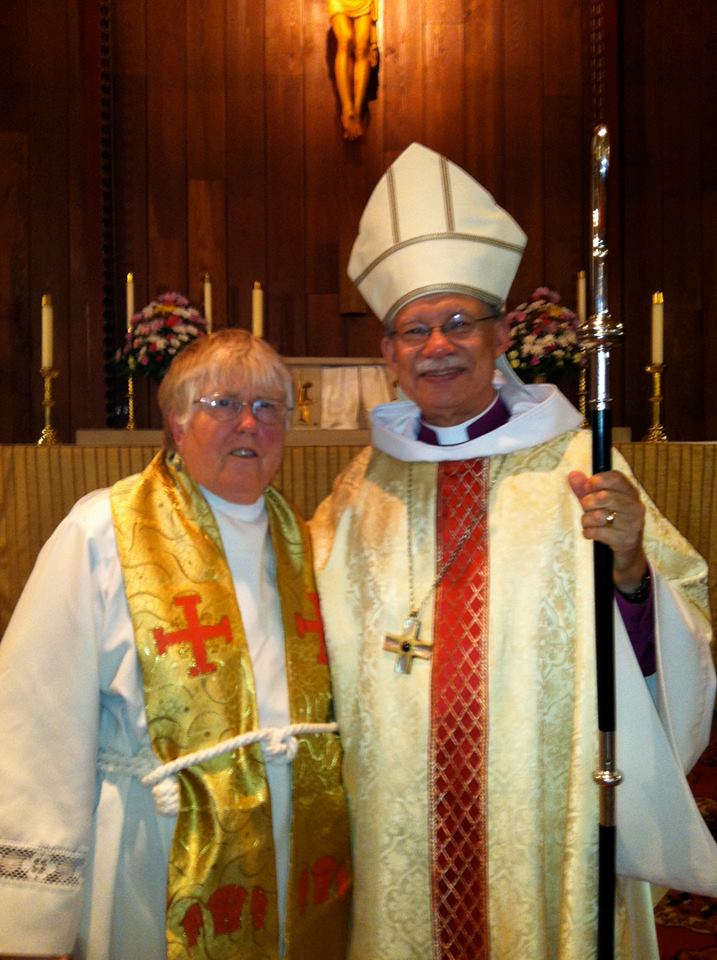
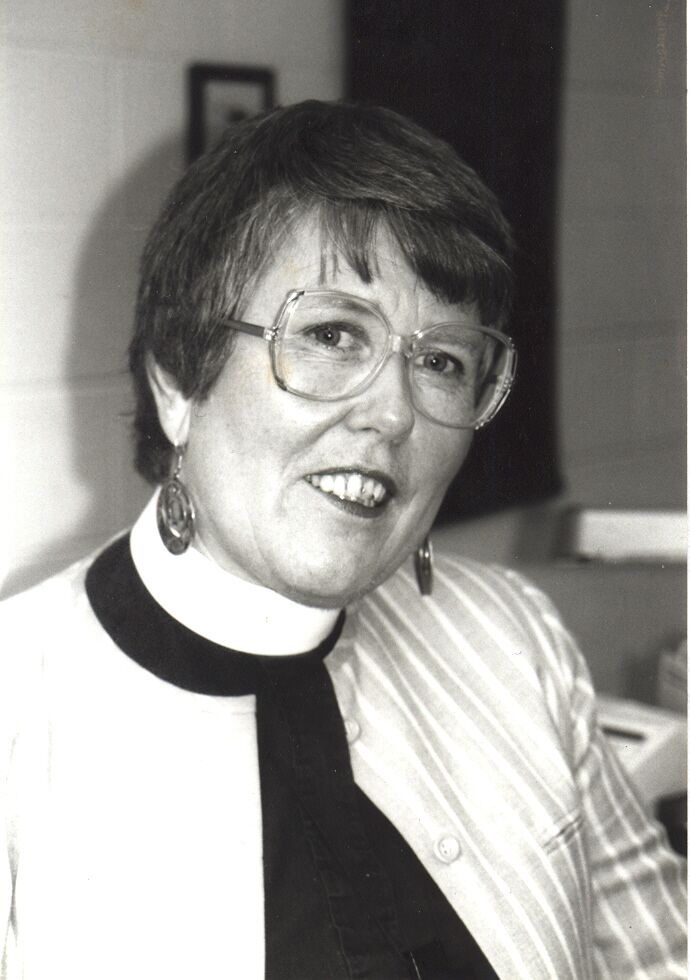
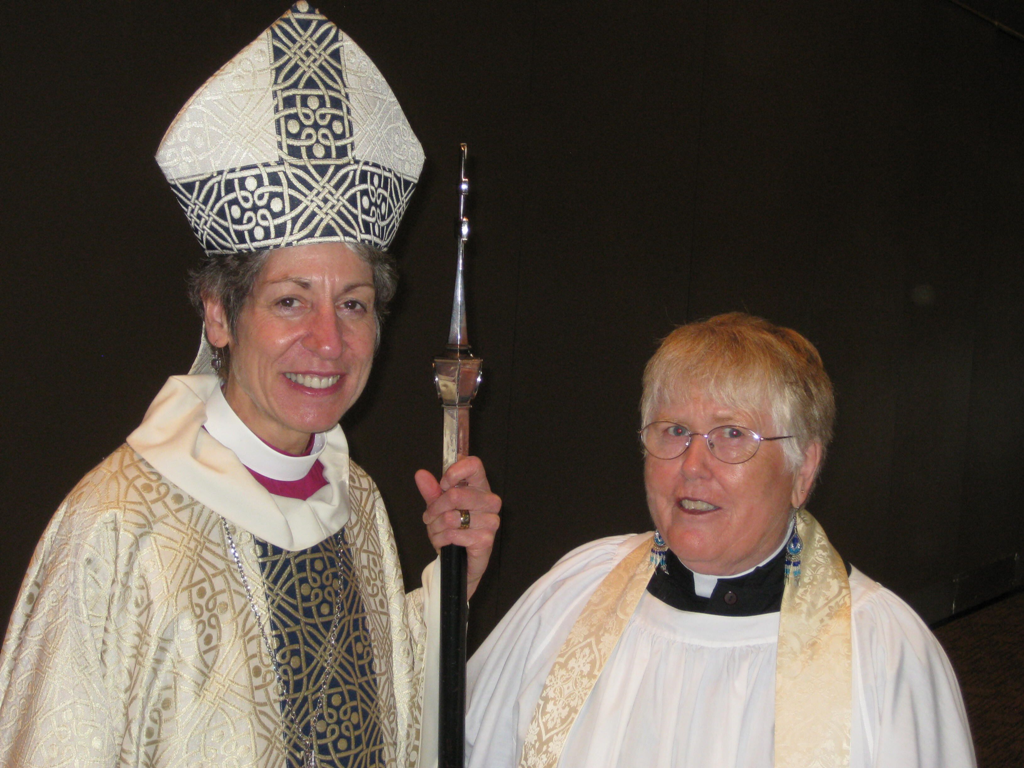
The Rev. Paul Bradshaw served as interim until the Rev. Tina Velthuizen was called as rector in 1991. She was the first female priest to serve in the diocese and arrived as a result of the parishioners petitioning Bishop Gray specifically for a woman priest. Gray had initially said he would only approve a woman priest if she were raised up in the diocese, but he decided to change that policy and approved Velthuizen, who came from the Diocese of Western Michigan. A few parishioners left the parish on her arrival, but many returned and accepted her ministry after getting to know her. She would prove a popular priest. During her rectorate, the parish created a community garden. After suffering from a long illness, she announced her retirement in 2014.
The parish was last led by the Rev. Terri Bays, who also served the diocese as Missioner for Transitions and Governance. In September 2022, the parish voted to close.
History of Church of the Holy Trinity
Hungarian Service Book by Victor von Kubinyi, 1913
Second Hungarian Service Book, Part 1
Second Hungarian Service Book, Part 2
Parish Register 1913-1922
Parish Register 1923-1932
Parish Register 1932-1942
Parish Register 1942-1964
Parish Register 1964-2022
Clergy:
Victor Alexander von Kubinyi, 1913-1918
Edwin Ellsworth Smith, 1919-1938
Harold George Kappes, 1938-1955
James Wood Halfhill, 1956-1961
Reginald Mallett II, 1961-1962
James Gossett Greer, 1963-1968
William Chattin Hibbert, 1968-1984
Robert Bradley McCormick, 1984
Jack C. Bliven, 1984-1989
Paul Bradshaw, 1990
Teunis "Tina" Velthuizen, 1991-2014
Terri Bays, 2014-2022