Thanks for your patience during our recent outage at scalar.usc.edu. While Scalar content is loading normally now, saving is still slow, and Scalar's 'additional metadata' features have been disabled, which may interfere with features like timelines and maps that depend on metadata. This also means that saving a page or media item will remove its additional metadata. If this occurs, you can use the 'All versions' link at the bottom of the page to restore the earlier version. We are continuing to troubleshoot, and will provide further updates as needed. Note that this only affects Scalar projects at scalar.usc.edu, and not those hosted elsewhere.
1media/1940s_collage.jpg2020-10-31T15:13:18-07:00the Historical Museum at Fort Missoula2ed0a4c76b15fe2d208dedaebb1fcaaa8b4d9c383791423plain2020-11-30T10:46:19-08:00the Historical Museum at Fort Missoula2ed0a4c76b15fe2d208dedaebb1fcaaa8b4d9c381950sLike for the rest of the world, one thing defined the early 1940s for Montanans: World War II. Nearly 60,000 Montanans enlisted during the war (about 10% of the state's population -- the highest percentage in the United States). Just like they had earlier, Native Americans in particular volunteered in large numbers. Although most Native Americans enlisted as regular soldiers, some were recruited for something very different: sending secret messages. Some speakers of Assiniboine used their language skills to become code-talkers, building codes based on their language to send messages that could not be decoded by Axis forces. After the war thousands of veterans returned home, and Montana began a period of growth, fueled by the booming oil market and the miles of highway built by the CCC the decade before.
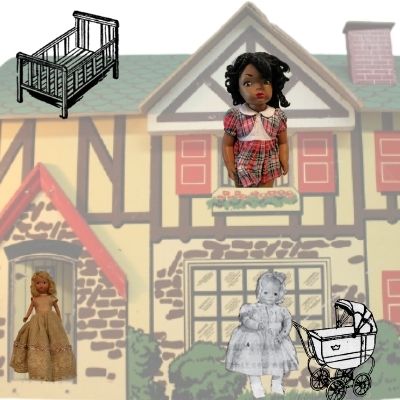
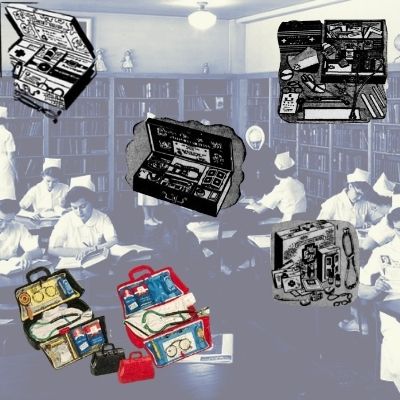
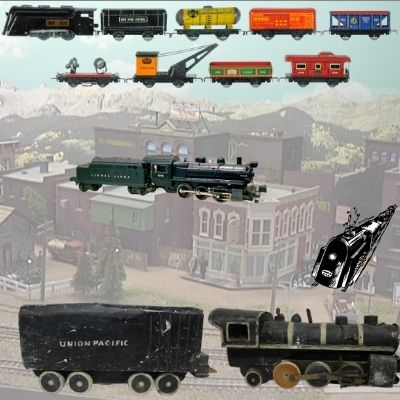
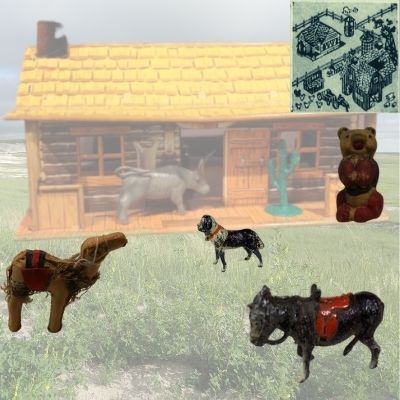
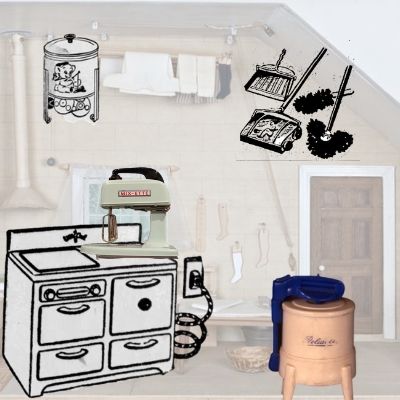
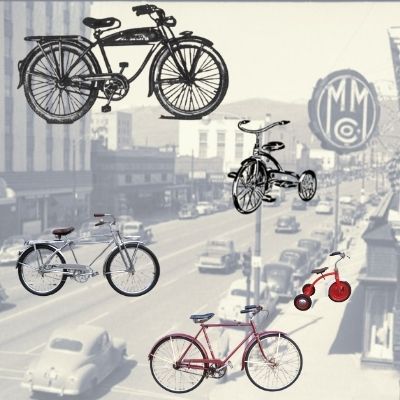
Like during WWI, children experienced the effects of the war. Many had parents and siblings away fighting, and everyone on the home front dealt with rations on food, metal, and gas. Children were also profoundly impacted by stories of the destruction in Europe, particularly around the holidays. Across Montana, children asked that some or all of their holiday gifts be sent to Europe instead. Towards the end of the decade, as the state recovered from the war and selflessness became less crucial, children still showed a preference for practical toys, asking for doctor and nurse's kits and toy versions of household cleaning tools alongside the more traditional dolls and toy trains.
Here's a look at the kinds of things that Montana's children played with and asked for during this decade:
1media/1940s_collage.jpg2020-10-17T10:25:25-07:00the Historical Museum at Fort Missoula2ed0a4c76b15fe2d208dedaebb1fcaaa8b4d9c381940sthe Historical Museum at Fort Missoula3splash10264932020-10-31T15:13:56-07:00the Historical Museum at Fort Missoula2ed0a4c76b15fe2d208dedaebb1fcaaa8b4d9c38
This page references:
1media/1940s_chores_thumb.jpg2020-11-04T15:21:47-08:001940s_chores2Toy washing machines and appliancesmedia/1940s_chores.jpgplain2020-11-23T09:57:54-08:00
1media/1940s_doctor_thumb.jpg2020-11-05T13:47:25-08:001940s_doctor2Doctor and Nurse's kitsmedia/1940s_doctor.jpgplain2020-11-30T10:10:56-08:00