Thanks for your patience during our recent outage at scalar.usc.edu. While Scalar content is loading normally now, saving is still slow, and Scalar's 'additional metadata' features have been disabled, which may interfere with features like timelines and maps that depend on metadata. This also means that saving a page or media item will remove its additional metadata. If this occurs, you can use the 'All versions' link at the bottom of the page to restore the earlier version. We are continuing to troubleshoot, and will provide further updates as needed. Note that this only affects Scalar projects at scalar.usc.edu, and not those hosted elsewhere.
1media/1920s_collage.jpg2020-10-21T15:38:23-07:00the Historical Museum at Fort Missoula2ed0a4c76b15fe2d208dedaebb1fcaaa8b4d9c383791425plain2020-11-30T13:34:48-08:00the Historical Museum at Fort Missoula2ed0a4c76b15fe2d208dedaebb1fcaaa8b4d9c381930sWhether or not you enjoyed the 1920s depended on where in Montana you lived. Rural families struggled with a decade-long drought and many went bankrupt or abandoned their farms completely. Between the drought and the after-effects of World War I and the Spanish Flu pandemic, Montana lost over 10,000 people during this decade, either from death or from people moving away. Cities were more insulated from the crisis, but urban people also struggled as former farmers moved in looking for work and the drought made food more expensive. Big trade cities like Missoula were the least impacted: they didn't rely as heavily on farming income and it was easier to either find work or travel to a place that did have work due to the railroads.
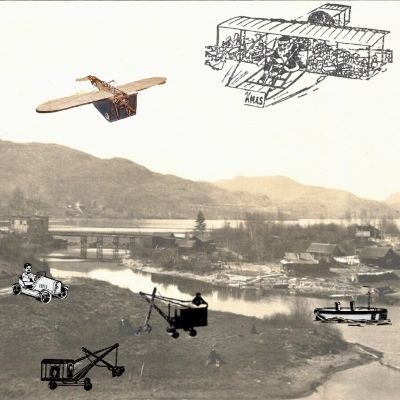
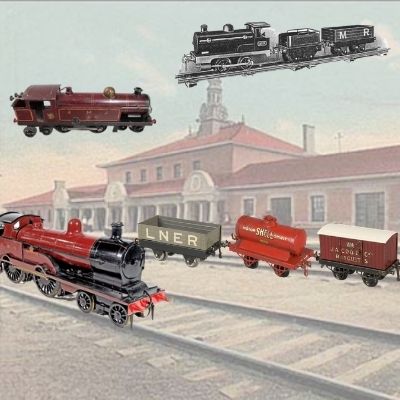
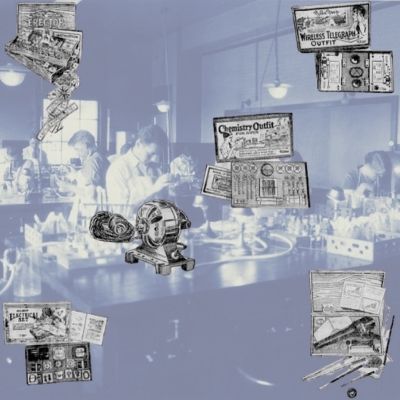
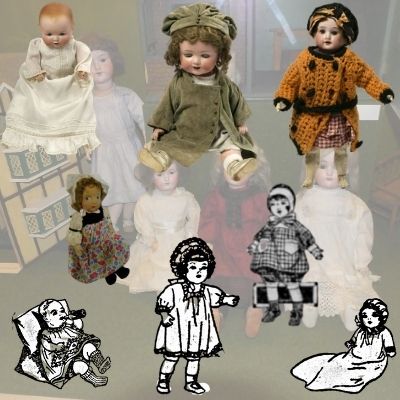
The '20s also saw the rise of aviation as an industry in Missoula, prompting a wave of interest from children. In fact, Missoula's children in this decade were interested in all sorts of vehicles. Model airplanes, steam shovels, and tractors joined the ever popular model train in the playroom. Building kits, already present in the 1910s, were joined by science kits, giving children a chance to learn about electricity, chemistry, and engineering -- or just have fun by making giant messes of chemicals in their parents' kitchens. For the more domestically inclined, sleeping dolls were all the rage. The 1920s even saw some early talking dolls, beginning a trend that has only grown more popular in the time since then.
Here's a look at the kinds of things that Montana's children played with and asked for during this decade:
1media/1920s_collage.jpg2020-10-17T10:25:04-07:00the Historical Museum at Fort Missoula2ed0a4c76b15fe2d208dedaebb1fcaaa8b4d9c381920sthe Historical Museum at Fort Missoula4splash10264912020-10-28T12:39:51-07:00the Historical Museum at Fort Missoula2ed0a4c76b15fe2d208dedaebb1fcaaa8b4d9c38
1media/1920s_vehicles_thumb.jpg2020-10-27T13:27:05-07:001920s_vehicles2Cars, steam shovels, and other vehiclesmedia/1920s_vehicles.jpgplain2020-11-29T16:02:18-08:00
1media/1920s_education_thumb.jpg2020-10-27T15:02:35-07:001920s_science toys2Science and building toysmedia/1920s_education.jpgplain2020-10-27T15:08:06-07:00