Building a new collection
In 1920, the museum finally developed its first official collecting policy, which focused on acquiring modern art. This marks a slight change away from American art, which was similar to other interests in the art world at the time.[1]
[1] “History,” Smith College Museum of Art, accessed November 29, 2015, http://www.smith.edu/artmuseum/Collections/History.
This page has tags:
Contents of this tag:
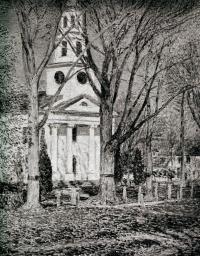
- Childe Hassam's "Church at Old Lyme"
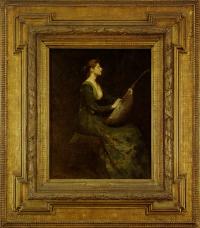
- Thomas Wilmer Dewing's "Lady with a Lute"
- J. Alden Weir's "Delft Plate"
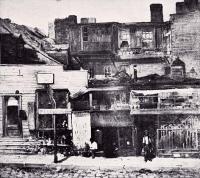
- Louis Comfort Tiffany's "Duane Street, New York"
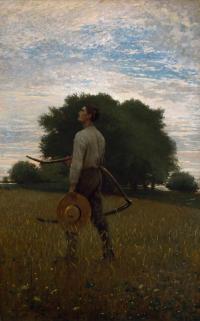
- Winslow Homer's "Song of the Lark"
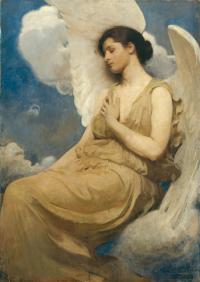
- Abbott Handerson Thayer's "Winged Figure"
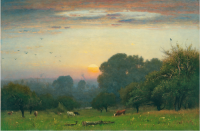
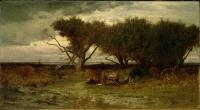
- George Inness's "Morning"
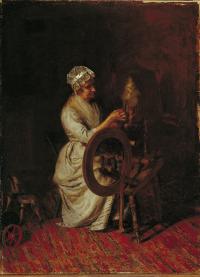
- Thomas Eakins's "In Grandmother's Time"
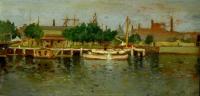
- William Merritt Chase's "View of the Brooklyn Navy Yard"
- Robert Swain Gifford's "Old Orchard Near the Sea, Massachusetts"
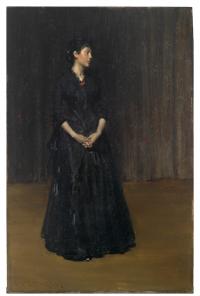
- William Merritt Chase's "Woman in Black"