Thanks for your patience during our recent outage at scalar.usc.edu. While Scalar content is loading normally now, saving is still slow, and Scalar's 'additional metadata' features have been disabled, which may interfere with features like timelines and maps that depend on metadata. This also means that saving a page or media item will remove its additional metadata. If this occurs, you can use the 'All versions' link at the bottom of the page to restore the earlier version. We are continuing to troubleshoot, and will provide further updates as needed. Note that this only affects Scalar projects at scalar.usc.edu, and not those hosted elsewhere.
Creating a Collection: A Tour Through the Smith College Museum of ArtMain MenuHow do museums build and unbuild collections?How This WorksInstructions on How to Use this WebsiteHow to Read a Museum LabelThis will help you navigate the SCMA and other museumsWhat is "Public Trust"?Why Museums CollectWhy Museums Remove Objects from their CollectionsHow Museums Remove Objects from their CollectionsSamantha Page4d4aad3cbb232d6b14d08c9a79a502129237df5c
How Museums Collect
12017-03-20T19:34:38-07:00Samantha Page4d4aad3cbb232d6b14d08c9a79a502129237df5c1562316structured_gallery2017-05-05T11:51:09-07:00Samantha Page4d4aad3cbb232d6b14d08c9a79a502129237df5cIt's one thing to know why the SCMA collects, it's another to know how it does this. There are many ways the SCMA can “acquire”—get—a new object for its collection.
Sometimes the SCMA buys the art it wants, from the artist or from a professional who sells art for artists.
Museums can also receive artworks as gifts. Sometimes artists donate their art, or sometimes an art-lover will donate it. (Also, sometimes an art-lover promises to donate an artwork after they pass away. This is called “bequeathing.”)
In all of these cases, the SCMA has to be sure that the artwork is something the museum really wants and needs for its collection. Just as removing something from the collection can be a big decision, adding a new artwork requires a lot of careful thought. This is because artworks use the museum's resources—including space in the gallery and storage, money and time for conservation, and thought for developing educational resources for the artwork.
Click on one of the pages below to learn more about how museums get new artworks for their collections.
This page has tags:
12017-03-08T08:39:35-08:00Samantha Page4d4aad3cbb232d6b14d08c9a79a502129237df5cHow do museums build and unbuild collections?Samantha Page38structured_gallery2017-05-05T11:33:04-07:00Samantha Page4d4aad3cbb232d6b14d08c9a79a502129237df5c
12017-03-08T17:43:24-08:00Samantha Page4d4aad3cbb232d6b14d08c9a79a502129237df5cDonated18Works of art donated by patrons and artistsstructured_gallery2017-05-05T12:00:24-07:00Samantha Page4d4aad3cbb232d6b14d08c9a79a502129237df5c
12017-03-08T17:41:09-08:00Samantha Page4d4aad3cbb232d6b14d08c9a79a502129237df5cPurchased18Works of art purchased from an artist or dealerstructured_gallery2017-05-05T12:04:33-07:00Samantha Page4d4aad3cbb232d6b14d08c9a79a502129237df5c
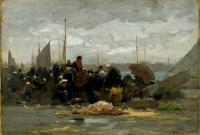
12017-05-05T11:56:58-07:00Samantha Page4d4aad3cbb232d6b14d08c9a79a502129237df5cDwight Tryon's "Granville, Mouth of the Bay"21878, oil on paperboard, 10 5/8 x 15 3/4 in, SC 1930:3-126, Bequest of Dwight W. Tryonmedia/1930_3_126.jpgplain2017-05-05T11:58:34-07:00Samantha Page4d4aad3cbb232d6b14d08c9a79a502129237df5c
This page references:
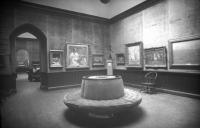
12017-04-02T11:14:04-07:00Gallery picture - early SCMA3This photograph shows an early installation in of Smith's art collectionmedia/gallerypic.jpgplain2017-04-19T16:43:06-07:00