How do museums build and unbuild collections?
To guide you through the collecting “rulebook,” we’ll take a tour of the Smith College Museum of Art. By looking at what artworks are on view—and what’s not on view—we hope you will begin to understand how a museum creates its collection.
To read more before diving in, see:
1. How This Works
2. How to Read a Museum Label
3. What is "Public Trust?"
Contents of this path:
Contents of this tag:
- Why Museums Collect
- How Museums Remove Objects from their Collections
- Why Museums Remove Objects from their Collections
- How Museums Collect
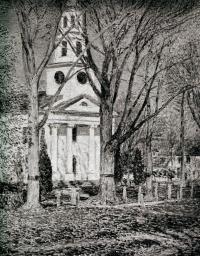
- Childe Hassam's "Church at Old Lyme"
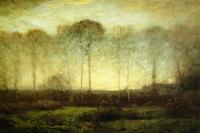
- Dwight W. Tryon's "Dawn"
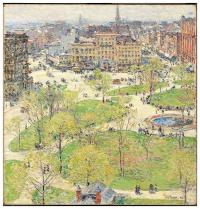
- Childe Hassam's "Union Square in Spring"
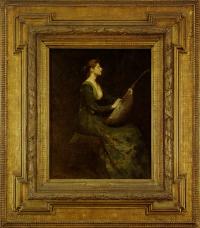
- Thomas Wilmer Dewing's "Lady with a Lute"
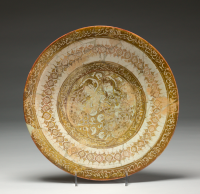
- "Luster dish, seated king and queen in center"
- J. Alden Weir's "Delft Plate"
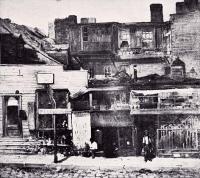
- Louis Comfort Tiffany's "Duane Street, New York"
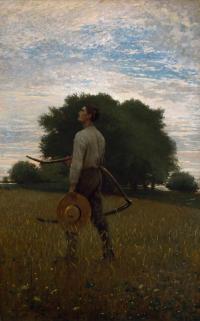
- Winslow Homer's "Song of the Lark"
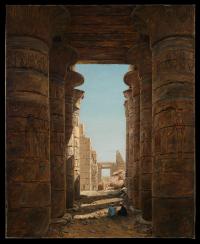
- Lockwood De Forest's "Ramesseum at Thebes"
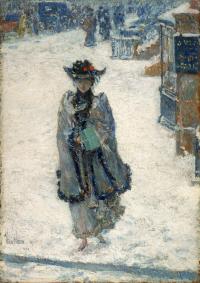
- Childe Hassam's "Street Scene, Christmas Morn"
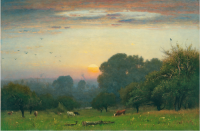
- George Inness's "Morning"
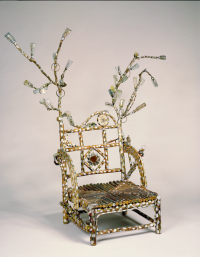
- Betye Saar's "Ancestral Spirit Chair"
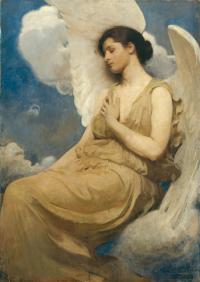
- Abbott Handerson Thayer's "Winged Figure"
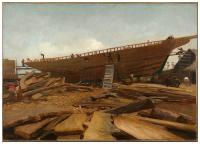
- Winslow Homer's "Shipyard at Gloucester"
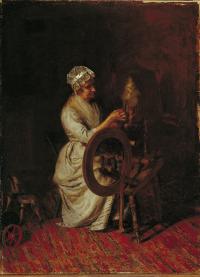
- Thomas Eakins's "In Grandmother's Time"
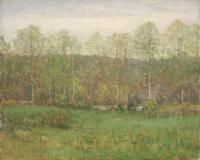
- Dwight W. Tryon's "The First Leaves"
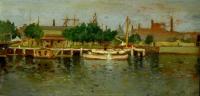
- William Merritt Chase's "View of the Brooklyn Navy Yard"
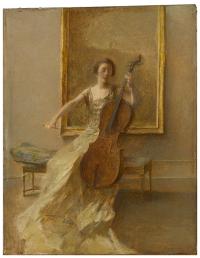
- Thomas Wilmer Dewing's "Lady with Cello"
- George Inness's "Landscape"
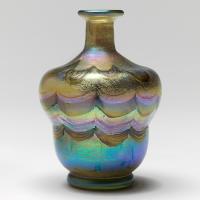
- Louis Comfort Tiffany's "Vase"
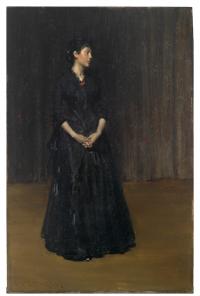
- William Merritt Chase's "Woman in Black"
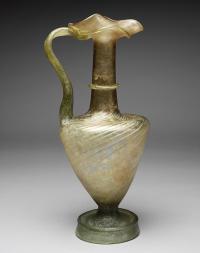
- Roman "Ewer"
- Elder man entreating young travellers; Detached folio from Persian book on ethics
- Robert Swain Gifford's "Old Orchard Near the Sea, Massachusetts"
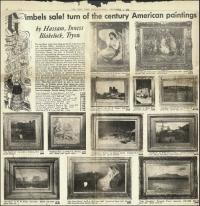
- Gimbels Ad
- Toyokuni III (Utagawa Kunisada)'s "Two Women and a Child Hunting Mushrooms"