Postscript: Frances Harper and Black Women in the WCTU
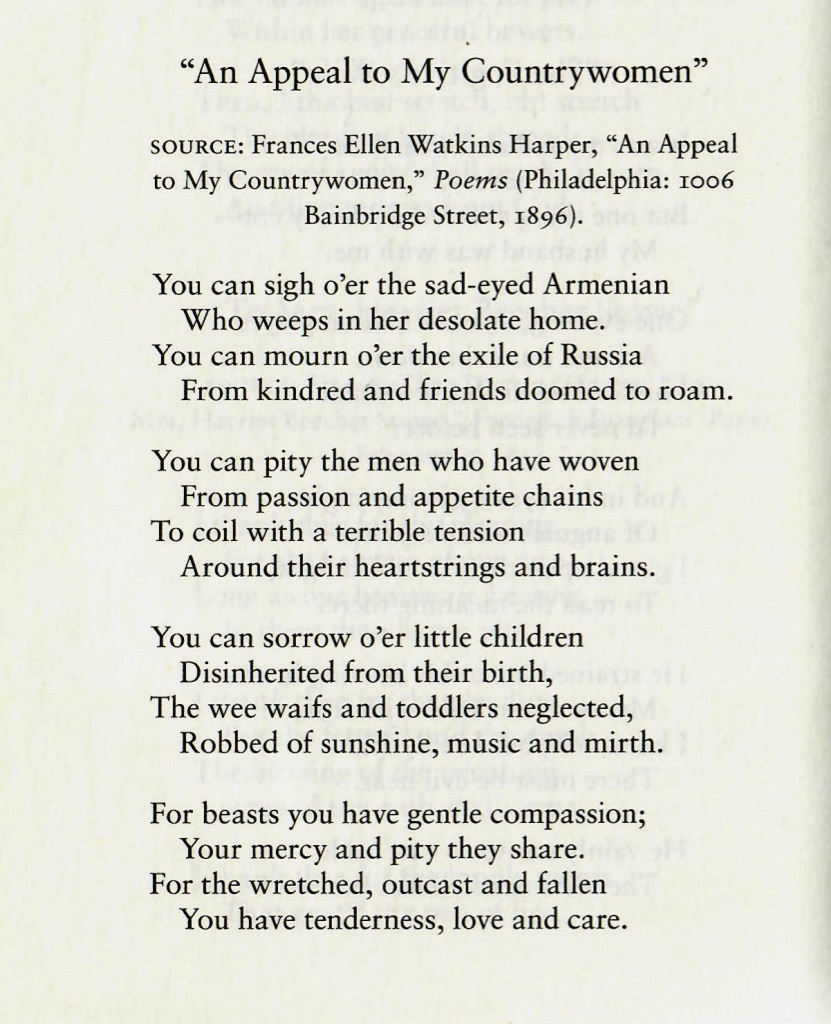
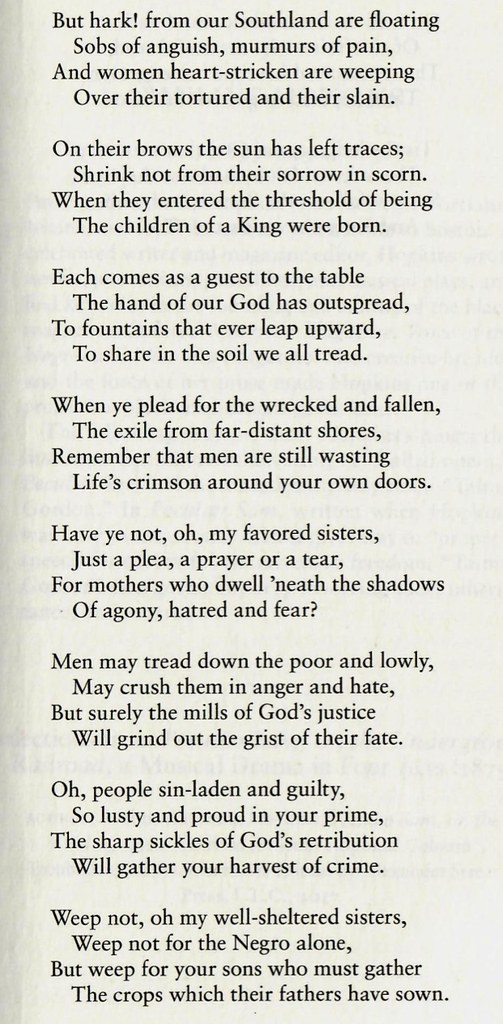
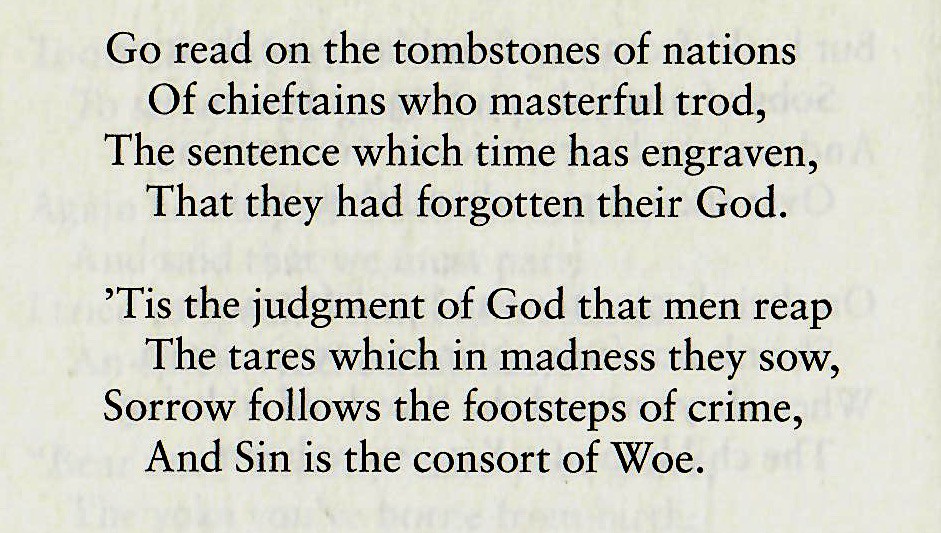
"An Appeal to My Countrywomen"
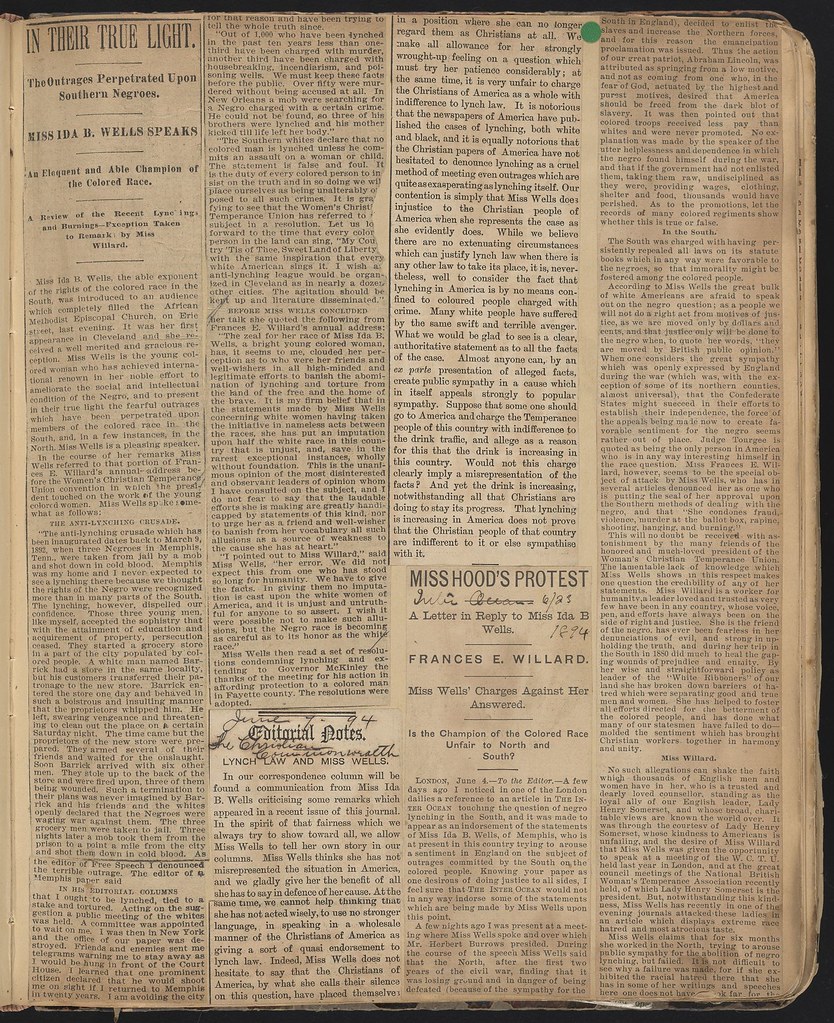
As far as we know, Frances Harper, the prominent black Woman's Christian Temperance Union Leader, never directly weighed in on the conflict between Frances Willard and Ida B. Wells. However, a poem she wrote in 1896 entitled "An Appeal to My Countrywomen" contains familiar themes. Harper takes white American women to task for ignoring lynching victims, even as they have seemingly endless sympathy for Armenian orphans, Russian exiles, drunkards, and even animals.
Black Women and the WCTU
Frances Harper remained a WCTU member until her death in 1911, and other black women like Sarah Early and Lucy Thurman also remained affiliated. But Harper, along with Ida B. Wells, also became a founding member of the National Association of Colored Women's Clubs (NACWC) when it formed in 1896. While the NACWC maintained good relations with the WCTU, many black women who joined the NACWC did so because they were frustrated by the racism they encountered in organizations led by white women. Plessy v. Ferguson? needs more context on black women's club movement.As lynchings continued, Southern states disenfranchised black voters and segregated public accommodations, and black migrants to the North also faced discrimination and violence, many black women considered their efforts best spent in working together to help themselves and other black Americans, rather than trying to cooperate with white women.
Back to Timeline