1968
This page has paths:
- Follow the Threads Kathy Carroll
Contents of this path:
- The Tet Offensive of the Vietnam War, 4:22
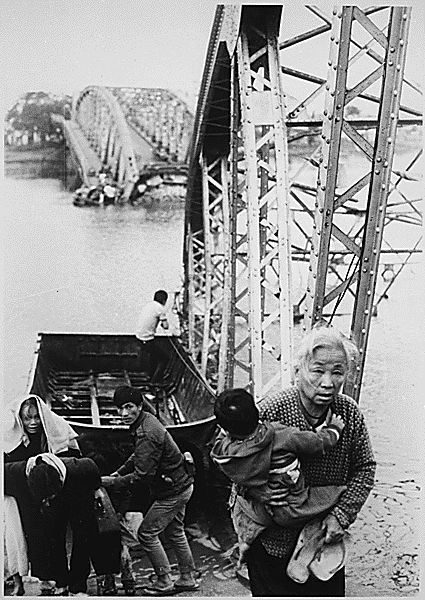
- Fleeing the Tet offensive
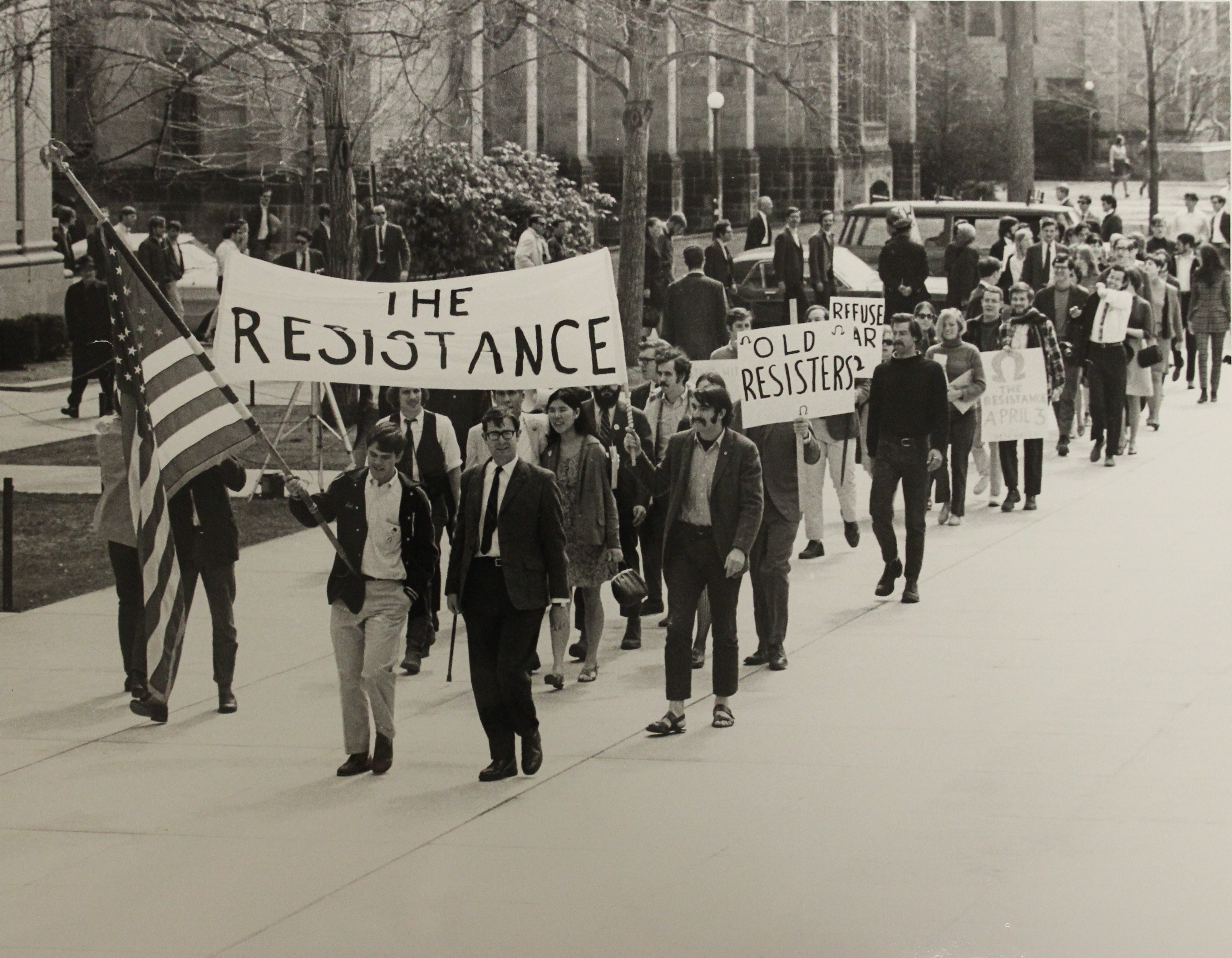
- Draft Resistance March at Yale University
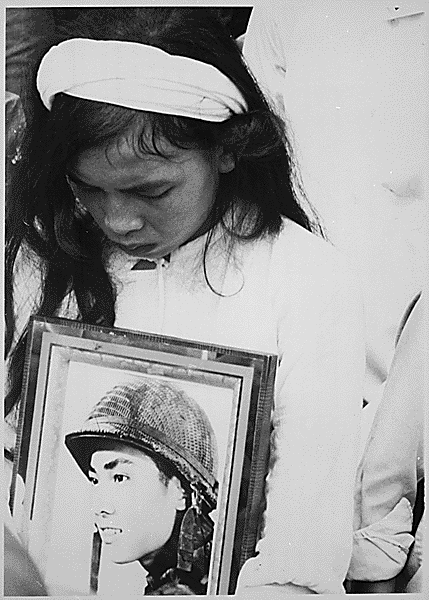
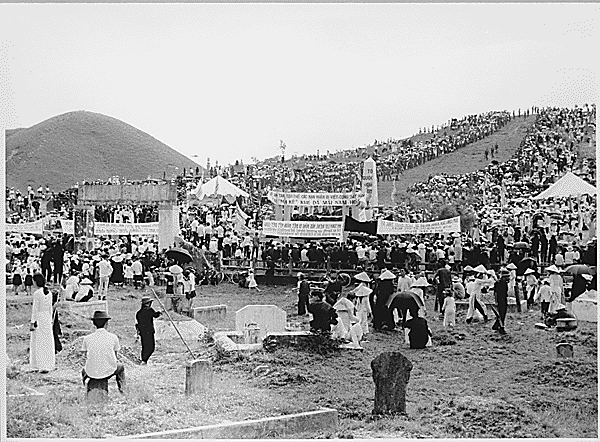
- Hue, 1968.
- Hue, Vietnam
- A New Step Toward Peace Text
- A New Step Toward Peace PDF
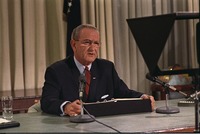
- President Lyndon B. Johnson addresses the Nation, announcing a bombing halt in Vietnam and his intention not to run for re-election.
- President Lyndon B. Johnson addresses the Nation, announcing a bombing halt in Vietnam and his intention not to run for re-election.
-
War of Protest, 3:30
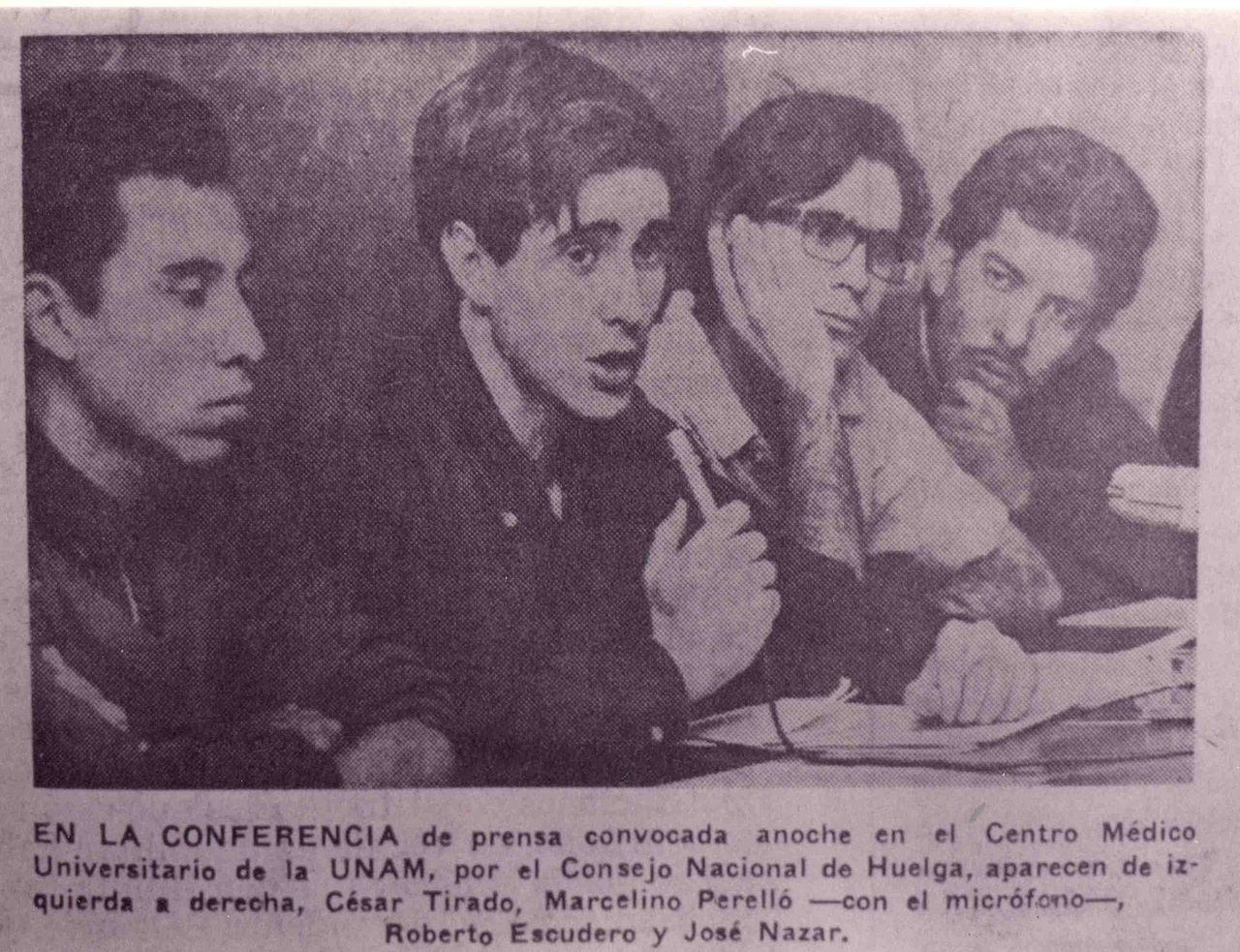
- El Dos de Octubre, No Se Olvida: The Massacre of Tlatelolco
- President's Daily Brief 3 October, 1968
- President's Daily Brief, 4 October 1968 [Mexico]
- The President's Daily Brief, 5 October 1968 [Mexico]
- 14 primera conferència de premsa després de la masacre del 2 d'octubre, 5 d'octubre de 1968.jpg
- President's Daily Brief 8 October, 1968
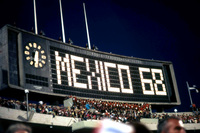
- Olympic Summer Games 1968 Opening
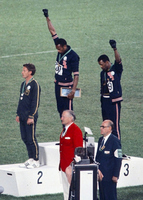
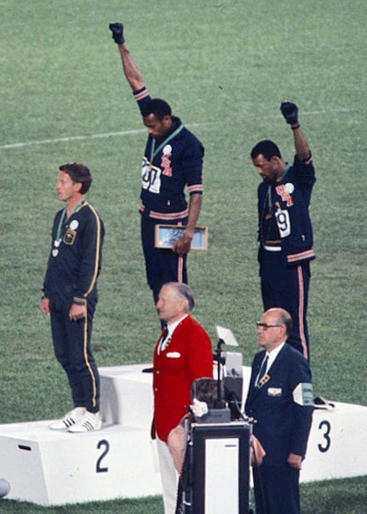
- John_Carlos,_Tommie_Smith,_Peter_Norman_1968cr
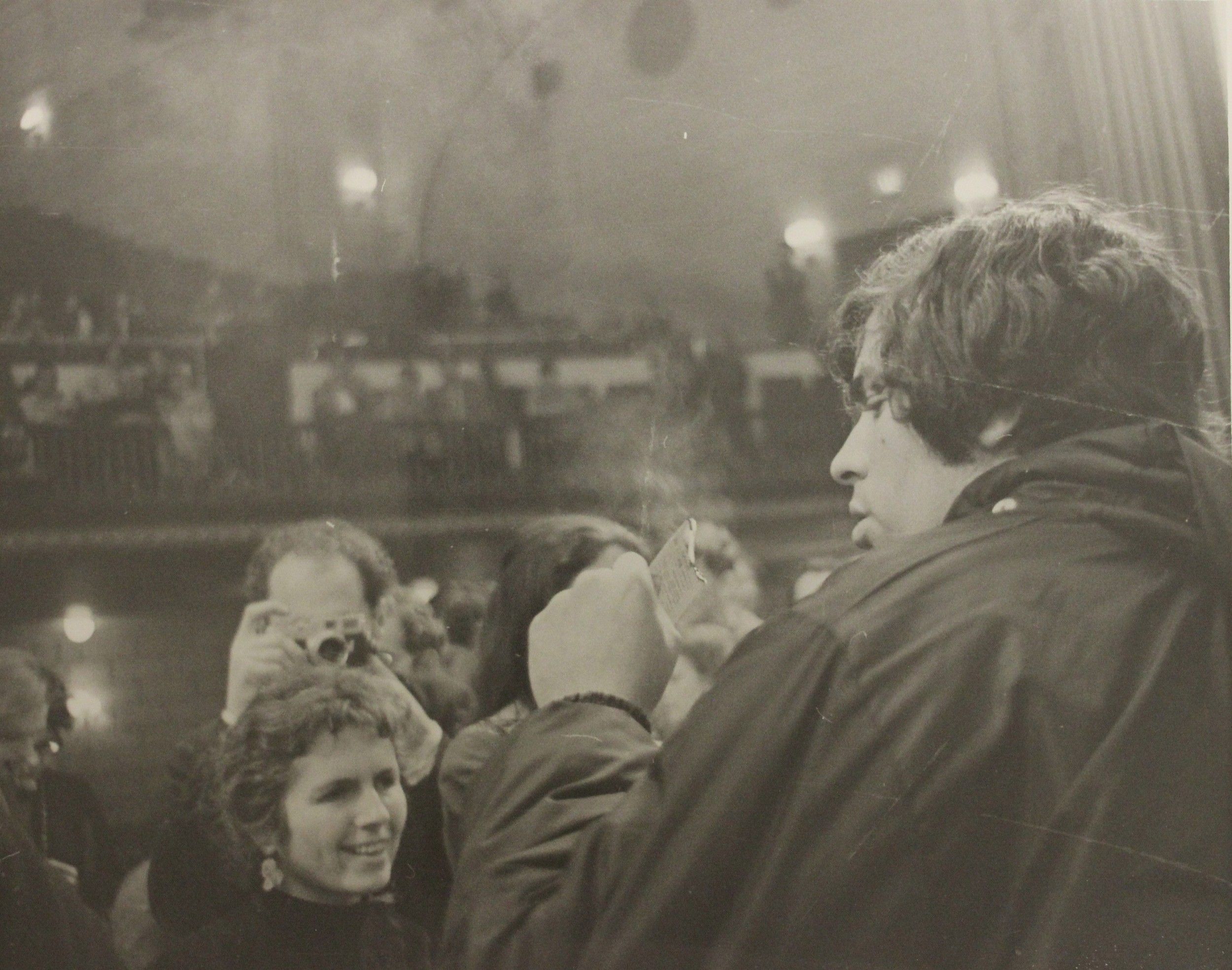
- Man Burning Draft Card at Draft Resistance Rally
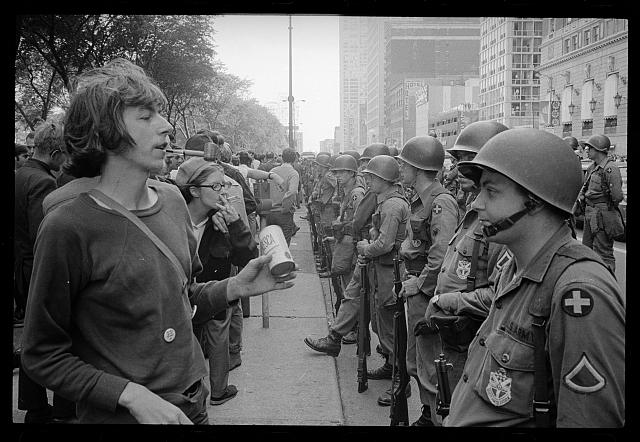
- Young "hippie"