Thanks for your patience during our recent outage at scalar.usc.edu. While Scalar content is loading normally now, saving is still slow, and Scalar's 'additional metadata' features have been disabled, which may interfere with features like timelines and maps that depend on metadata. This also means that saving a page or media item will remove its additional metadata. If this occurs, you can use the 'All versions' link at the bottom of the page to restore the earlier version. We are continuing to troubleshoot, and will provide further updates as needed. Note that this only affects Scalar projects at scalar.usc.edu, and not those hosted elsewhere.
12022-08-15T11:38:41-07:00Margaret Dahlstromb09d7a6d81572eb5143ab94775de79a428d832d6408036plain2023-03-03T13:39:49-08:00Margaret Dahlstromb09d7a6d81572eb5143ab94775de79a428d832d6Cisgender people are people who's gender match their gender assigned at birth. Cis as a label was invented in the 1990's and popularized in the 2010's as a means to distinguish between people who are and aren't trans. Cis- was coined from the latin word meaning "on the same side as." Much like the modifier hetero-, cis- is not a slur but rather a descriptor for linguistic clarity. Much like how the modifier 'biological' before the word parent acts as a helpful clarification in medical contexts without diminishing adoptive parents paternal roles, cis can be helpful to describe medical or social distinctions between people who are and aren't trans much more clearly than words that assign value like 'biological' or 'normal.'
This page is referenced by:
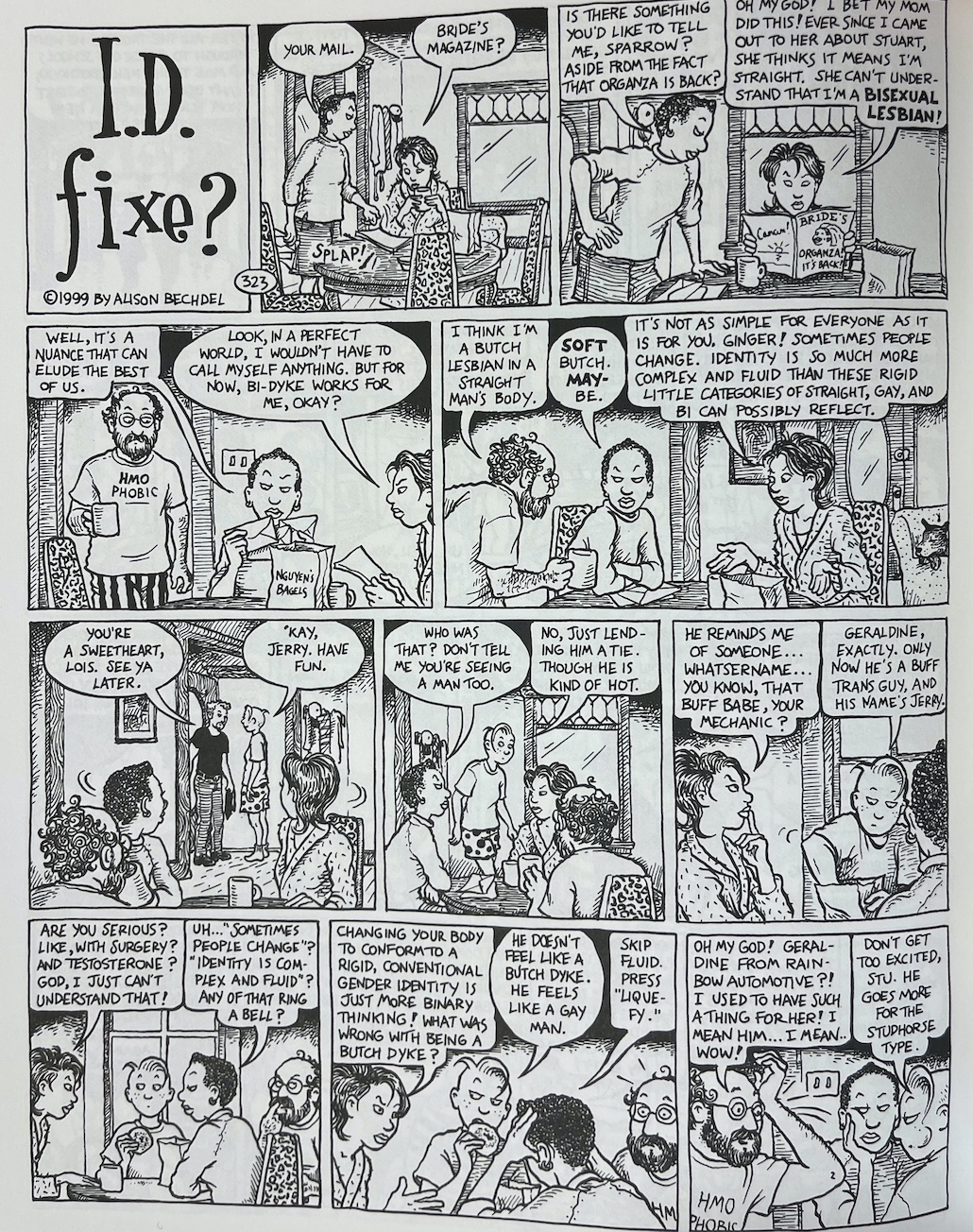
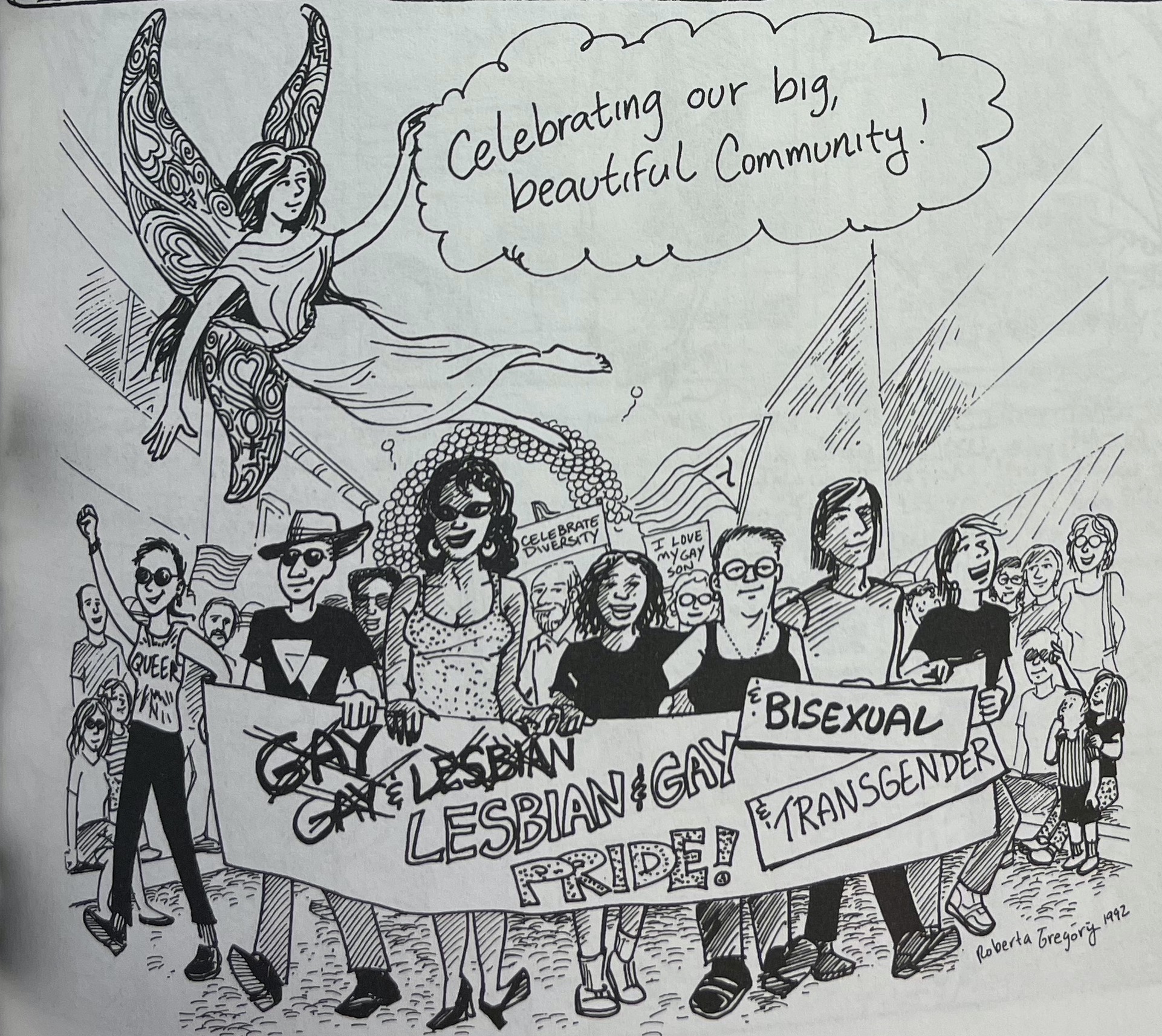
1media/IMG_2750 copy.jpeg2022-06-06T07:08:19-07:00The Queer Experience22visual_path2022-08-17T07:35:49-07:00Queerness inherently defies labels and expectation. Over time, subgroups have formed as people found words that better described their experience, and then communities collected around those words. The acronym for these experiences, LGBTQ+ is often used as a short hand to describe these communities, but it should not be mistaken as being an absolute or exclusive rule for what it means to be queer. The acronym hasn't always been LGBTQ, LGBT, or even GLBT. There was an era when the inclusion of lesbians, i.e. gay and lesbian, was considered not only radical but overly politically correct! It's important to remember in the study of queerness that queerness has evolved and will continue to do so, and while this framework might be helpful right now to some people, it should never feel confining or be assumed to be the only way to be queer. As long as it’s consensual and outside of traditional cis-hetero understandings of interpersonal relationships, it's queer. It is also important to remember that the LGB and T roles are descriptive rather than prescriptive. Even within the established communities there is a lot of cross over, lesbians can be bi, trans people can be straight, and gay people can be queer or ace. With that in mind, the pages linked down below will help you better understand how other people, and maybe even yourself, experience the world as queer people.
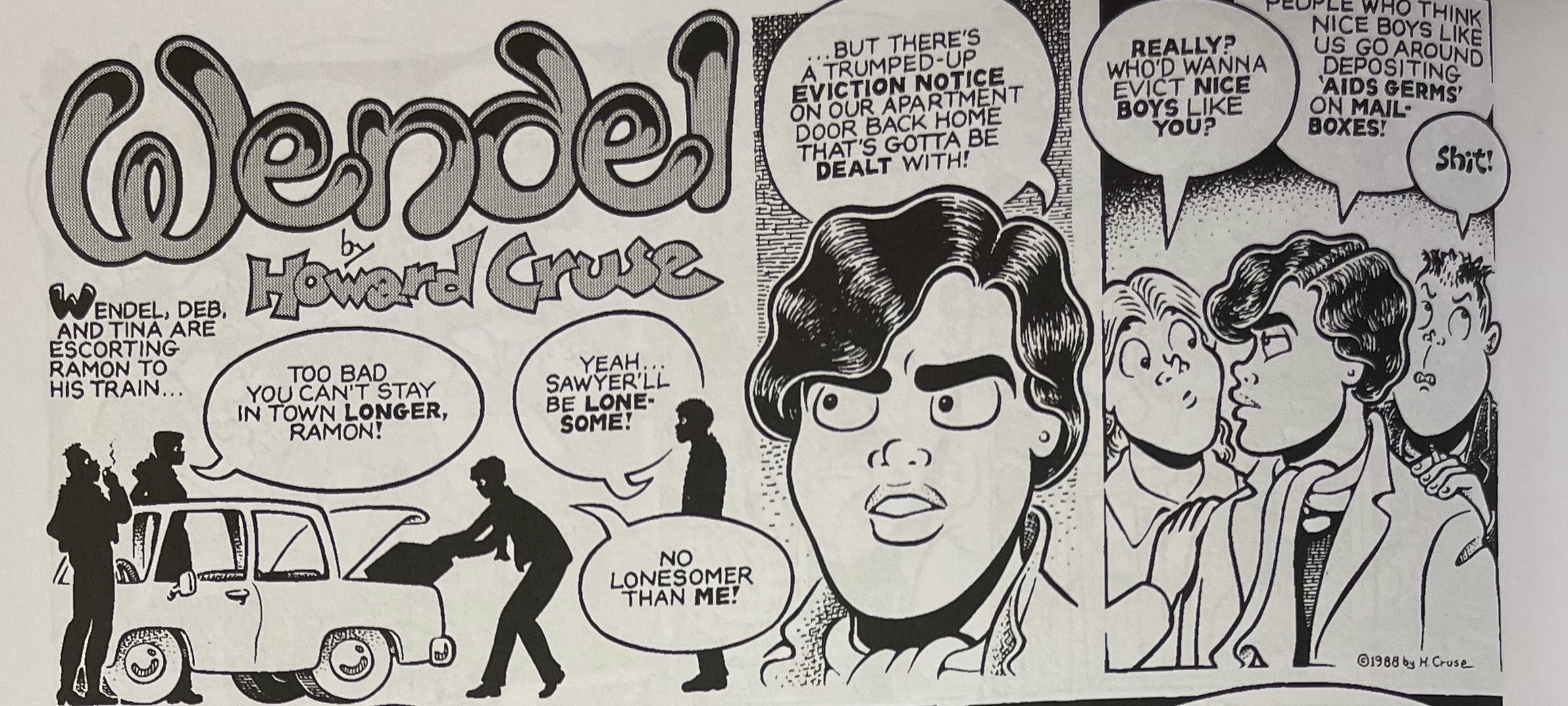
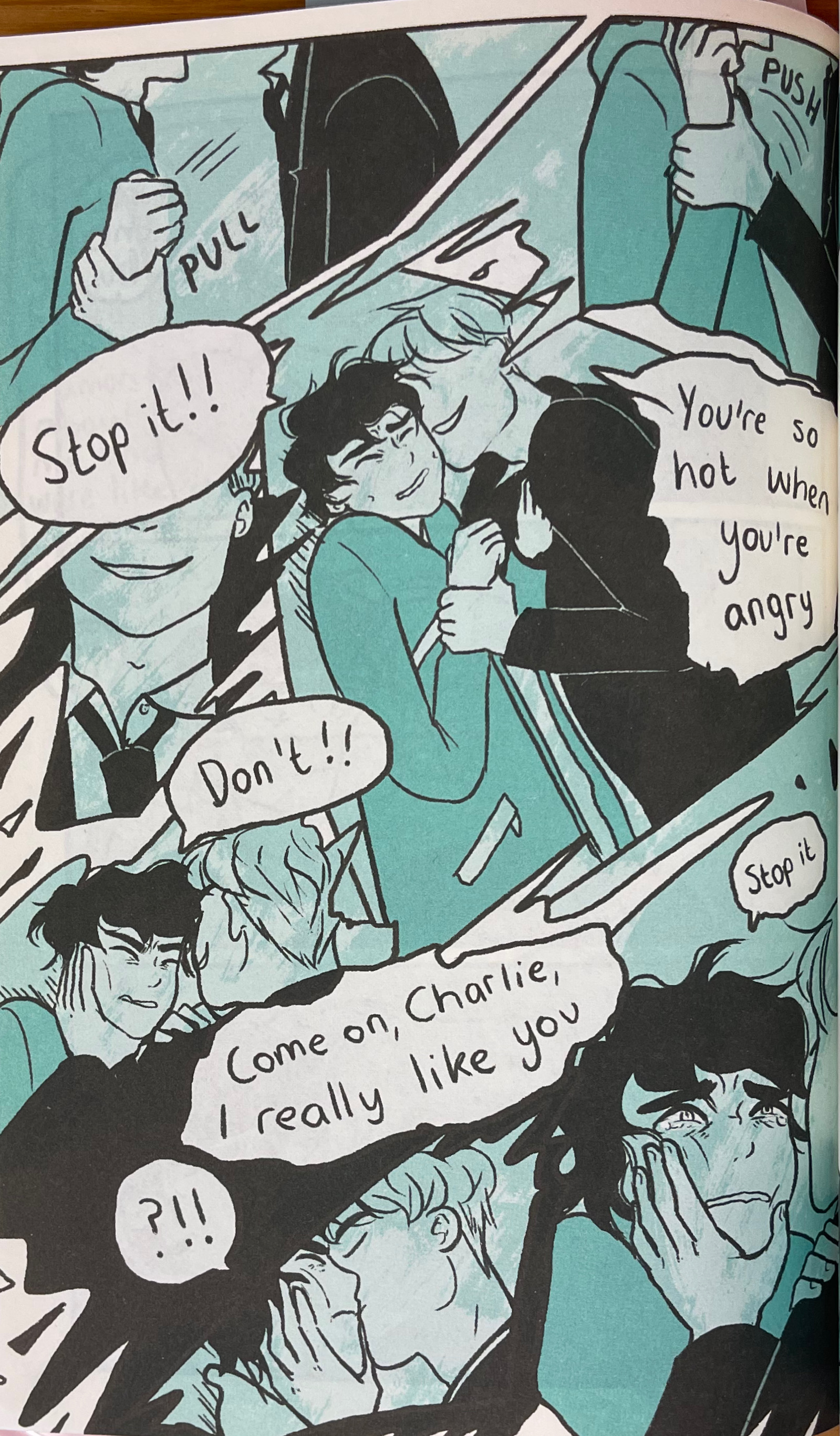
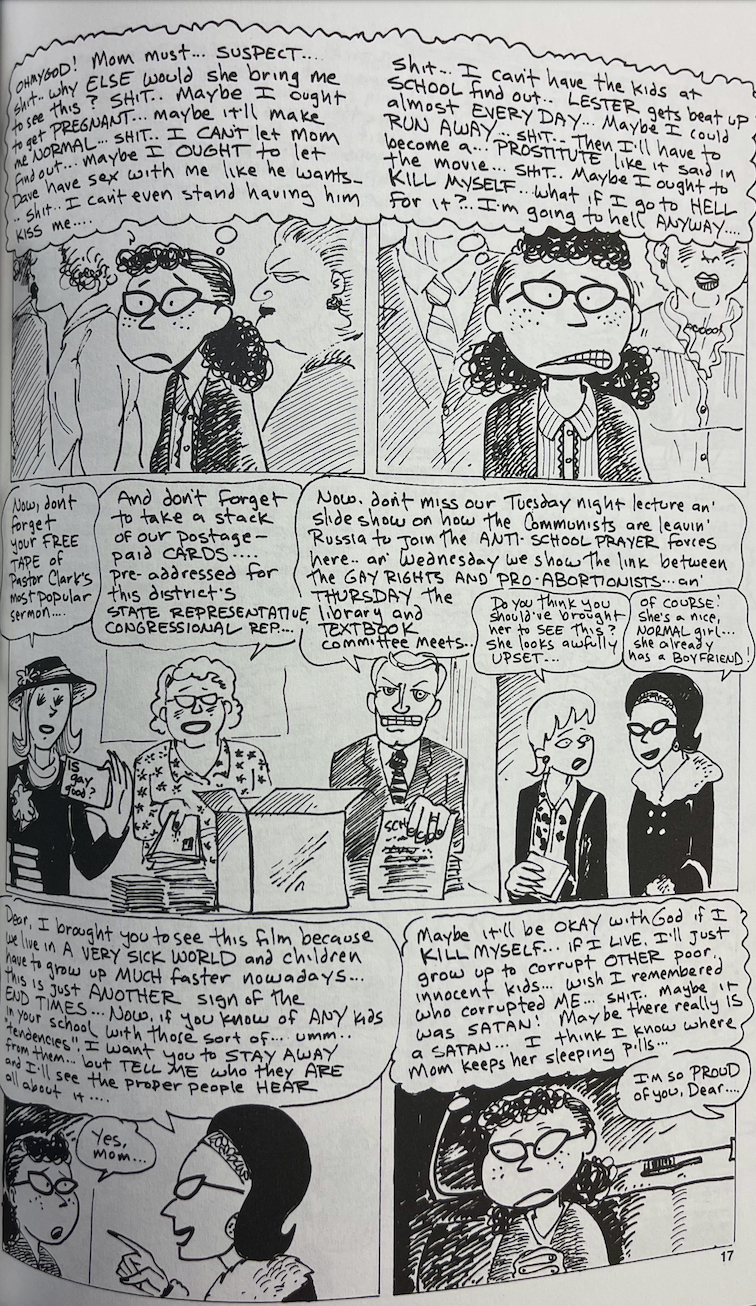
12022-08-12T08:24:54-07:00Why visibility is so important8plain2022-08-17T08:48:45-07:00One of the recurrent themes of queer history is that when queer people become visible to broader society, they simultaneously become more organized and gain access to support networks and accessibility, but they also become significantly more targeted for discrimination and harassment. In the case of gay men, oftentimes a suppression of visibility is used as a tool for oppression. During the AIDS epidemic politicians actively refused to acknowledge the existence of the crisis or make any move to fight it, joking at the deaths of millions of gay men who they viewed as unworthy of life, all while evangelical Christian’s celebrated what they saw as God's wrath on the gays. People with AIDS were seen as lepers and pariahs and often died alone in agony as stigma and ignorance made people afraid to even touch them. The only treatments for HIV were obscenely expensive when they were discovered. Due to lack of legal protections for queer couples, when people died, they would be banned from even attending their partners funerals, trans people were buried under names they didn't use. Even today as HIV (The virus that leads to AIDS) is not only treatable but medications exist to effectively make it invisible and untransmissible, people are often lead to see HIV/AIDS as a death sentence and the people who carry them as ticking biological time bombs. This propaganda effectively works to scare gay men away from coming out as it presents the act of gay love as a death sentence. Additionally, by stigmatizing gayness and treating it as other, many queer youth don't experience the same basic guidance of what makes for a healthy relationship. By forcing people to hide in the closet and treating their identities as fundamentally wrong, they become incapable of reporting or seeking help after instances of assault, abuse, or trauma. Visibility is only as effective as the people it reaches, making it absolutely essential to raise awareness for as many people as possible. If a person is cis and straight, this content might make them a better ally and have a better understanding of what queer friends are going through. If a person is queer and has no access to anything but misinformation up to this point, visibility can mean the difference between life and death. Go Back?
This page references:
1media/IMG_3053_thumb.jpeg2022-08-15T11:42:44-07:00Cis1From Gender Queer By Maia Kobabemedia/IMG_3053.jpegplain2022-08-15T11:42:45-07:00