Scalar's 'additional metadata' features have been disabled on this install. Learn more.
The Human Genome Project by USNA 271
Main Menu
Table of Contents
Overview of the Project
About the Authors (Spring 2017)
References
Symptom MEFV
1 2017-03-05T06:56:34-08:00 Anmol Gupta 0830961010187cc13e7e110c51bd6accdfcfe87d 14410 2 Lachmann, H. J., & Hawkins, P. N., 2009 plain 2017-03-06T17:56:01-08:00 Anmol Gupta 0830961010187cc13e7e110c51bd6accdfcfe87dThis page is referenced by:
-
1
2017-03-04T19:13:17-08:00
Familial Mediterranean Fever and the MEFV Gene
61
By Anmol Gupta
image_header
2017-03-07T06:40:49-08:00
What is Familial Mediterranean Fever (FMF)?
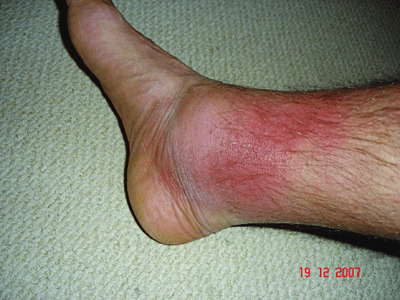
Familial Mediterranean Fever is an inheritable auto-inflammatory disease which is characterized by symptoms of chronic pain due to inflammation in the abdomen, chest, or joints. The recurring pain presents itself in episodes, along with fever, rashes, and headaches. Sever FMF can also affect the inner membranes surrounding vital organs, like the heart, brain, spinal cord, and in males, the testicles. FMF derives its name because it is found to be carried in individuals of Mediterranean descent--including Jews, Armenians, Azerbaijanis, Arabs, Greeks, Turks and Italians (National Institutes of Health Genetics Home Reference, 2017).What are common symptoms of FMF?
Initial episodes of this condition typically occur during the first few years of life, although late onset in teenage years is known to have occurred. However, FMF is typically characterized by a delay in diagnosis due to the disease's non-specific symptoms. Episodes of intense pain usually last between half a day and 72 hours, while the length of time between episodes is variable per individual. While there are no other symptoms when individuals do not have inflammatory attacks , leaving this condition without treatment to prevent further attacks can lead to organ failure--typically the failure of the kidneys (Bakkaloglu, 2003).What causes FMF?
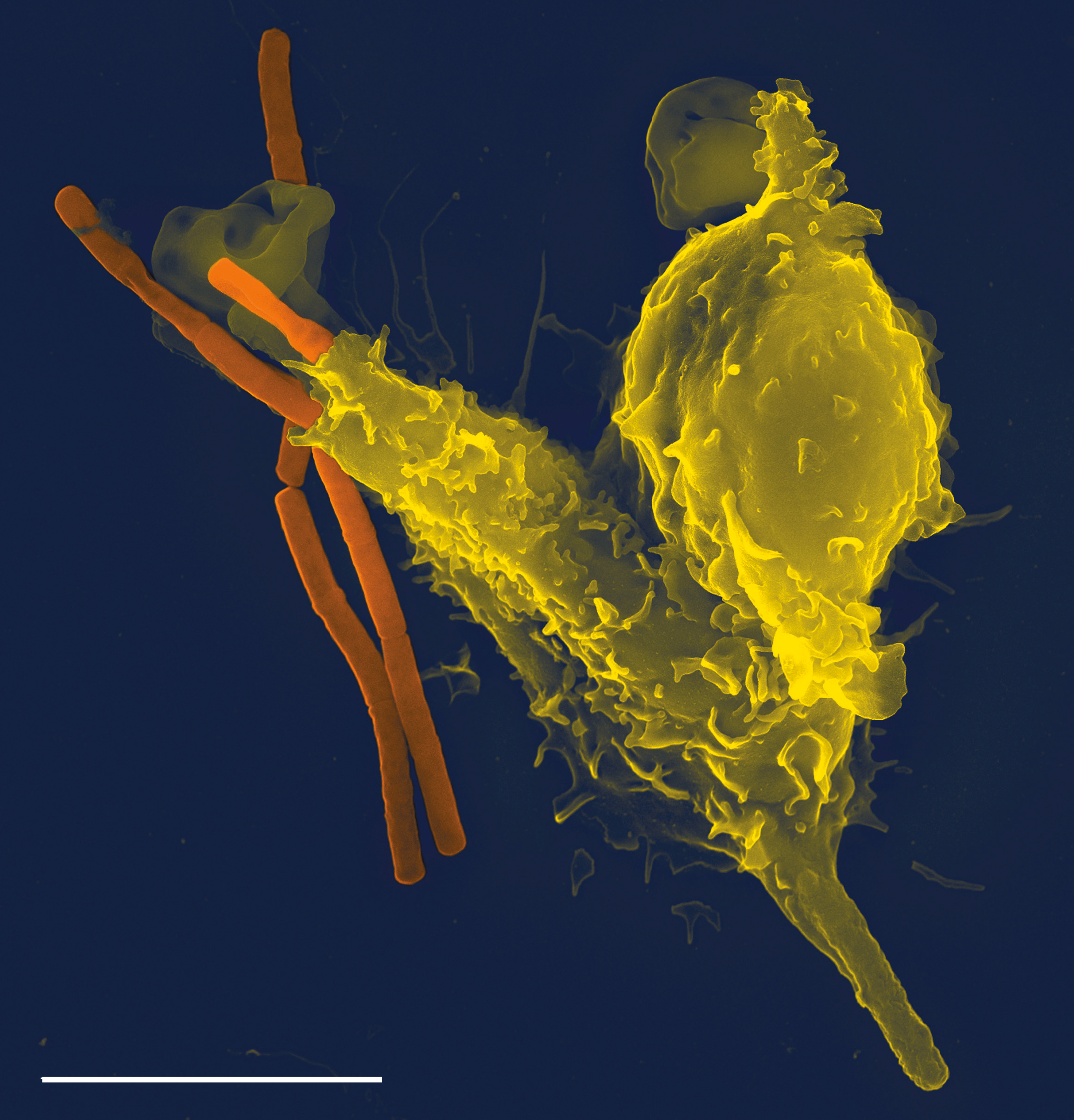
Mutations in the MEFV gene is the main known cause for FMF. The MEFV gene is located on the short arm of Chromosome 16 at position 13.3. There are around 14 thousand base pairs comprising this location and there are 80 known mutations that lead to symptomatic FMF. The MEFV gene is responsible for producing a protein called pyrin that is found in neutrophils, a type of white blood cells that are critical in fighting infections. A few deletions in base pairs can lead to small, nonfunctional pyrin (National Institutes of Health Genetics Home Reference, 2017).What is so Important about Pyrin?
Pyrin plays a critical role in controlling inflammation and preventing cell damage when white blood cells are activated in fighting infections. Pyrin is integrated into the cytoskeleton of the shape, providing it with appropriate shape and allowing it to move through the body (motility). When pyrin's shape is altered, pyrin may be able to move white blood cells in only one direction. Current research indicates that altered pyrin, as in FMF, allows white blood cells to move towards a site of infection, but not away (once the infection is eliminated). As a result, nonfunctional pyrin leads to a build up of white blood cells, leading to uncontrolled inflammation and explains the prolonged inflammatory response that underlies FMF symptoms (Manukyan and Aminov, 2016).How is FMF Inherited?
In all known cases, FMF is inherited due to a number of 80 known mutations in the MEFV gene. To be symptomatic for FMF, an individual must inherit two copies of a mutated MEFV gene. Individuals with just one copy of this mutated gene are not symptomatic and are called carriers. Thus, the parents of an individual with FMF we can assume must each have one copy of the mutated MEFV gene. By this definition, Familial Mediterranean Fever is considered to be an autosomal recessive disorder where non-FMF is the dominant trait in the population and FMF is the homozygous recessive trait.
Interestingly, for some small populations like the Sephardic Jews where FMF is prevalent, it is not uncommon for children affected by FMF to have a single parent also affected by the condition and another carrier parent (Booth et al., 2000). Because this trend was common, it was first believed that FMF was a dominant trait. Conducting pedigrees with these families often provide the false illusion that FMF is a dominant trait carried through the generations (Yepiskoposyan and Harutyunyan, 2007).In the United States...
While FMF is a more common condition among populations in the Middle East and Mediterranean, there are several known cases in the United States:Is there a cure?
While there is no current cure for Familial Mediterranean Fever, there are full proof treatments that work well. The most common treatment is a daily dose of an inflammatory drug called Colchicine. This drug reduces mitosis, or cell division, or white blood cells temporarily and can be helpful when an individual has an FMF attack. Additionally, Colchicine helps limit neutrophil cell motility, limiting the number of neutrophils that can reach a site and cause it to be excessively inflamed. Only in about 5-10% of cases does this treatment not work; typically individuals with severe attacks are unresponsive to this treatment and undergo intense medical care for organ damage and failure.
References
Bakkologlu, A. (2003). Familial Mediterranean fever. Pediatric Nephrology, 18, 853-859.
Booth, D.R., Gillmore, J.D., Lachmann, H.J., Booth, S.E., Bybee, A., Soytürk, M., Hawkins, P.N. (2000). The genetic basis of autosomal dominant familial Mediterranean fever. QJM, 93, 217-221.
Manukyan, G., and Aminov, R. (2016). Update on Pyrin Functions and Mechanisms of Familial Mediterranean Fever. Frontiers in Microbiology, 7, 456.
National Institutes of Health Genetics Home Reference. (2017).
Yepiskoposyan, L., and Harutyunyan, A. (2007). Population genetics of familial Mediterranean fever: a review. European Journal of Human Genetics, 15, 911-916.