Scalar's 'additional metadata' features have been disabled on this install. Learn more.
STEM & Citizen Science
Main Menu
-
Preface
What is Citizen Science?
Citizen Science Projects
Biology
Chemistry
Earth Sciences
Engineering & Computer Science
Environmental Science
Mathematics
Physics & Astronomy
Alvaro Quezada
7828c851ddc470a00b45eb00bde06e8e2aefd52c
Cari Kaurloto
3781164953cd6d9b5d46e62a61a9c84cdeafe0c1
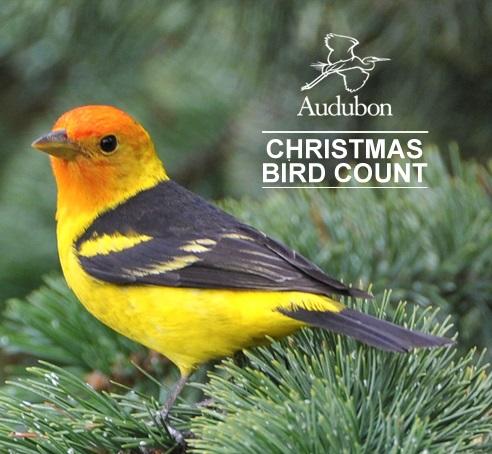
Audubon Christmas Bird Count
1 media/Audubon Christmas Bird Count_thumb.jpeg 2021-03-03T08:36:47-08:00 Cari Kaurloto 3781164953cd6d9b5d46e62a61a9c84cdeafe0c1 38642 1 plain 2021-03-03T08:36:47-08:00 Cari Kaurloto 3781164953cd6d9b5d46e62a61a9c84cdeafe0c1This page is referenced by:
-
1
2021-02-09T11:48:02-08:00
What is Citizen Science?
53
plain
2021-03-24T16:19:21-07:00
What is Citizen Science?
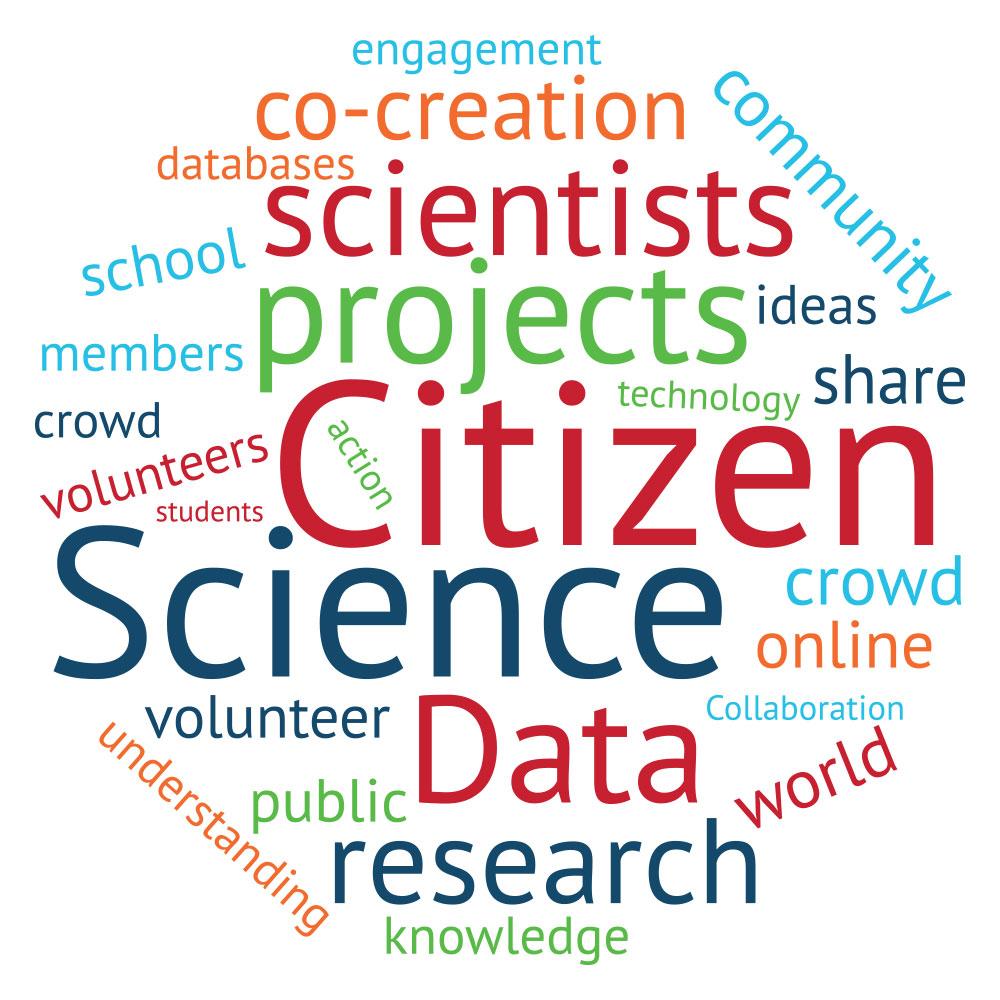
Citizen science engages members of the public in scientific discovery. It is also referred to as community science, civic science, scientific citizenship, citizen inquiry, and crowdsourcing, for example. The goal is to provide a welcoming and inclusive partnership between scientists and the community. Popular ways to collaborate include monitoring activities, data collection, and interpreting results. Citizen science is community-driven and contributes to new knowledge.
Crediting accessible technology like the internet, smartphones, and tablets, citizen science has been able to flourish. These tools provide the public avenues to participate in meaningful ways to scientific discovery and it provides scientists methods of connecting the public to the importance of scientific research. While this technology has contributed to the proliferation of projects in recent years, citizen science and elements of voluntary participation in science have existed for quite some time. For example, bird watching is one of the oldest and most popular forms of citizen science, where local bird enthusiasts tracked migration patterns, advancing the field of ornithology. By 2016, the Audubon Society celebrated the longest running citizen science project in the United States - the Audubon Society's Christmas Bird Count.
Citizen science reveals that science is all around us and that anyone at any age is able to participate. Citizen science can promote scientific literacy and civic engagement (voting, conservation advocacy, policy making, etc.). With large data collection projects, citizen science is especially suited to help scientists via sample collection over large geographic areas such as soil collection or photographs of natural species or data interpretation such as analyzing satellite images or transcribing hand-written manuscripts.
While citizen science is largely viewed as a positive effort, it is important to be aware of one of the key issues experienced in some projects - varying data quality. Because members of the public are coming to the project with varying levels of scientific knowledge, there is a potential for inconsistent data. It is important, then, for scientists to create projects with realistic tasks for public members and avenues for communication. As evidenced in with the Galaxy Zoo project, non-experts created new designations for galaxy shapes, which the scientific researchers did not prepare for. Ultimately, however, this lead to new scientific discoveries and classifications of celestial bodies.
References
Jordan, Rebecca C. et al. “Knowledge Gain and Behavioral Change in Citizen-Science Programs.” Conservation Biology 25, no. 6 (2011): 1148–1154.
Lukyanenko, Roman, Jeffrey Parsons, and Yolanda F. Wiersma. “Emerging Problems of Data Quality in Citizen Science.” Conservation Biology 30, no. 3 (2016): 447–449.
Ruiz-Mallén, et al. “Citizen Science: Toward Transformative Learning.” Science Communication 38, no. 4 (2016): 523–534.
Van Vliet, Kim, and Claybourne Moore. “Citizen Science Initiatives: Engaging the Public and Demystifying Science.” Journal of Microbiology & Biology Education 17, no. 1 (2016): 13–16.
Find Projects!
SciStarter is a globally acclaimed, online citizen science hub where more than 3,000 projects, searchable by location, topic, age level, etc, have been registered by individual project leaders or imported through partnerships with federal governments, NGOs, and universities.
Zooniverse is the world’s largest and most popular platform for people-powered research. This research is made possible by volunteers — more than a million people around the world who come together to assist professional researchers.
CitizenScience.gov is an official government website designed to accelerate the use of crowdsourcing and citizen science across the U.S. government.
Further Reading @ the USC Libraries
Busch, Akiko, and Debby Cotter Kaspari. The Incidental Steward : Reflections on Citizen Science. New Haven, CT: Yale University Press, 2013.
Cox, Joe, et al. “Defining and Measuring Success in Online Citizen Science: A Case Study of Zooniverse Projects.” Computing in Science & Engineering 17, no. 4 (2015): 28–41.
Gura, Trisha. “Citizen Science: Amateur Experts.” Nature (London) 496, no. 7444 (2013): 259–261.
Hecker, Susanne, et al. Citizen Science: Innovation in Open Science, Society and Policy. London: University College London Press, 2018.