Thanks for your patience during our recent outage at scalar.usc.edu. While Scalar content is loading normally now, saving is still slow, and Scalar's 'additional metadata' features have been disabled, which may interfere with features like timelines and maps that depend on metadata. This also means that saving a page or media item will remove its additional metadata. If this occurs, you can use the 'All versions' link at the bottom of the page to restore the earlier version. We are continuing to troubleshoot, and will provide further updates as needed. Note that this only affects Scalar projects at scalar.usc.edu, and not those hosted elsewhere.
Postcolonial Speculative FictionMain MenuIntroduction to the ProjectCourse TextsOther Course MediaAuthor ResourcesThis page will provide links to authors' websites and other information, such as interviews.Blogs by Dawn HicksBlogs by Matthew HicksBlogs by Kiisha HilliardBlogs by Mary LaffidyBlogs by Chelsea LarymoreRhonda Knight6e1aac8b66b350de4366c4aa7ff320a7de3beb6a
The Destruction of Indigenous Culture and Land by Oil Colonizers
1media/Athabasca_Rail_at_Brule_Lake.jpg2019-04-27T04:28:59-07:00Mary Laffidybbaa6fac1a2d68d7d027a0bc645072eb108dbf5c105816image_header2019-05-06T19:11:09-07:00Rhonda Knight6e1aac8b66b350de4366c4aa7ff320a7de3beb6a "An Athabasca Story" is a short story written by Warren Cariou about a Native American man (Elder Brother) who finds himself in the midst of an oil field surrounded by "enormous yellow contraptions" that haul piles of soil off to a building with plumes of smoke coming from the top. Elder Brother has stepped into an oil field after spending time outside of the modern world and has no idea what he is witnessing. When an angered construction worker tells him that "It's very special dirt…we dig it up and take it over to the big house…mix it around in there and after a while it's ready to burn," Elder Brother wants to take some of it for himself so he can stay warm. When he tries to grab an armful of the dirt, he gets stuck and cannot remove himself–the more he moves, the deeper he is pulled into the dirt. Eventually, he is buried in the soil so deeply that he is never found and eventually dumped into a pile of soil in one of the "enormous yellow contraptions." The story ends with an eerie anecdote: "sometimes when you're driving your car and you press hard on the accelerator, you might hear a knocking, rattling sound down deep in the bowels of the machine. That's Elder Brother, trying to get your attention, begging you to let him out."
Warren Cariou & the Importance of Indigenous Culture Preservation
In an interview with First Comics News, Warren Cariou talks about why he thinks folklore, especially indigenous folklore is an important part of the modern world: "I think we all live our lives according to stories, whether we know it or not. Folklore is one way of categorizing those stories. I feel that the traditional stories of many cultures…contain incredibly important teachings that we really need to remember and learn from in our contemporary world." Indigenous folklore is so valuable to the preservation of history and values, and can teach all readers about the importance of certain aspects of native people's culture like respect for nature. "The Athabasca Story" focuses on the impact of our carbon footprint through the idea that Elder Brother will never die, while also showing how modern oil extraction is destroying places of the earth that are highly valued to native people.
By creating Elder Brother to be an immortal indigenous man, Cariou shows that Native Americans have been in these areas for longer than non-Natives can imagine and therefore have a different relationship to the land. In the same interview mentioned previously, Cariou talks about how tar was precious to the Athabasca people in many ways. To see it being capitalized on by colonizers points at the idea that in the process of destroying the natives' land through the extraction process, the tar is also a stolen resource. Elder Brother knows nothing outside of the ways of his people, so to see this process is other-worldly and proves how greatly oil colonizers are destroying the planet and the ancient cultures that populate it.
This page has paths:
1media/CE7F072C-86ED-4D41-8A25-46E289861DBE.jpg2019-04-30T22:57:26-07:00Rhonda Knight6e1aac8b66b350de4366c4aa7ff320a7de3beb6aBlogs by Mary LaffidyRhonda Knight7plain8697692019-05-06T12:04:12-07:00Rhonda Knight6e1aac8b66b350de4366c4aa7ff320a7de3beb6a
12019-03-07T14:01:41-08:00Rhonda Knight6e1aac8b66b350de4366c4aa7ff320a7de3beb6aBlogs about PetrofictionRhonda Knight6plain2019-04-30T23:27:41-07:00Rhonda Knight6e1aac8b66b350de4366c4aa7ff320a7de3beb6a
This page has replies:
12019-05-05T11:43:01-07:00Matthew Hicks6a557b24a786aa0747938d11b6ae37e5645b8818Not a recent developmentMatthew Hicks1plain2019-05-05T11:43:01-07:00This has been going on since white people came to the Americas. First, we pushed the first people further and further away from the coast as we expanded our settlements and clear cut forests to make farms. Then there was the extinction of the buffalo because white people wanted their furs and tongues. then there were the gold mines in the Black Hills. We can't take any of it back or undo it, but we can take care not to continue repeating the mistakes of yesteryear.Matthew Hicks6a557b24a786aa0747938d11b6ae37e5645b8818
This page references:
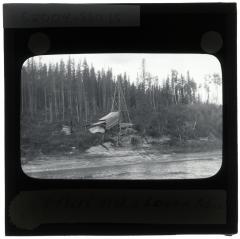
12019-05-04T03:55:42-07:00Oil Well in Athabasca (years 190?-1911)1By Agnes Deans Cameron - Canadian Museum of History, CC BY-SA 4.0, https://commons.wikimedia.org/w/index.php?curid=72353429media/Oil well, athabasca.jpgplain2019-05-04T03:55:42-07:00
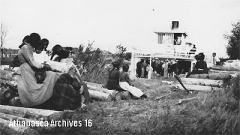
12019-05-04T03:57:31-07:00Athabascan Natives with logs by a steamboat1http://www.collectionscanada.gc.ca/eppp-archive/100/200/301/ic/can_digital_collections/athabasca/html/transportation/landingact/landingact.htmmedia/Natives_with_Steamer_taking_on_wood.jpgplain2019-05-04T03:57:31-07:00