Color in the Digital Age
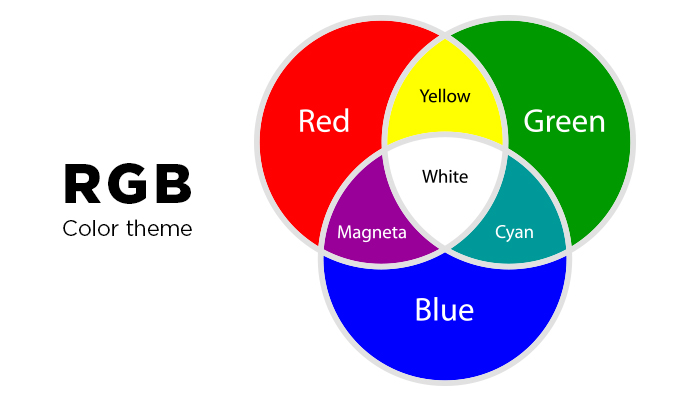
Color Galleries: Red, Green, and BlueThe Python script I used-- adapted from the Digtial Viewing Toolkit-- analyzed the primary color in terms of RGB. As Arnold notes, "[this] is not a particularly meaningful way to think about our perception of color. Fortunately, there are other ways to represent color that more closely align with human perception and understanding" (Distant Viewing Tutorial 1: Movie Posters and Color Analysis). Human perception, for instance, is more likely to be sensitive to image brightness, which corresponds to pixel intensity, or how high a number is for each color value, saturation, and hue.
The color galleries which follow display frames which represent particular intensity in brightness, saturation, and hue-- organized by color (red, green, and blue).
This page has paths:
- Color Film: A (Very) Brief History Carly Barnhardt