NOT A WALKABLE (BIKEABLE) PLACE
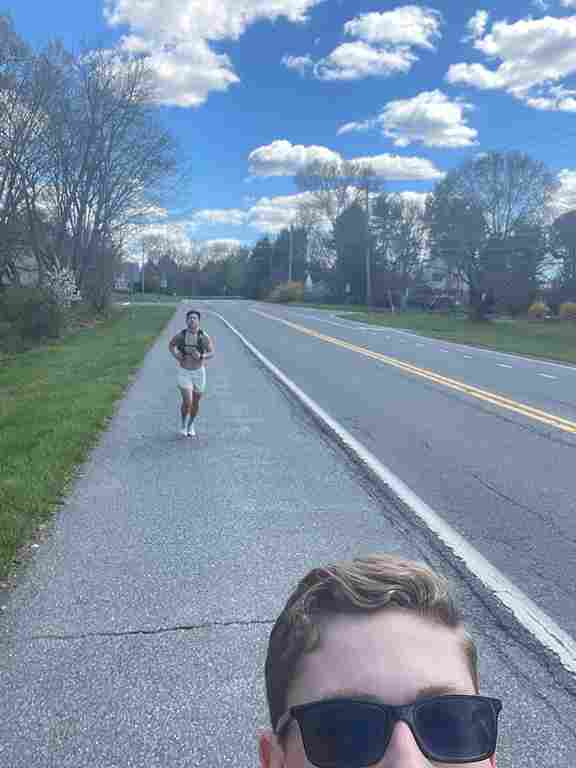
One sunny afternoon, my friend and I embarked on a refreshing run around campus, seeking out a new trail spanning a total of 15 miles. Eager to explore, we embraced the challenge. The initial stretch of our run unfolded smoothly, with clearly marked paths guiding our way and no immediate hazards, such as vehicular traffic, impeding our progress.
However, as we ventured deeper into the route, we found ourselves traversing the white clay creek area, where the trail intersected with New London Road. Here, the scenery shifted, and the absence of a distinct separation between cars and pedestrians struck us as both intriguing and concerning. It echoed discussions we had engaged in during our classroom sessions, underscoring the challenges of ensuring safe passage for runners amidst vehicular traffic.
As for my other friend, he seems to have the worst luck when it comes to keeping his bike safe on campus. In the span of three years, his bike has been stolen four times, and this last incident was particularly disheartening as they even took both of his tires. It raises a poignant question: How can one comfortably rely on a bike in an environment where the risk of theft is so high? The constant worry and fear shouldn't be part of the experience; it's a problem that needs addressing
Reflecting on this experience, my thoughts turned to the Copenhagen model, renowned for its pedestrian-friendly infrastructure. I pondered the feasibility of integrating similar concepts into our campus environment, envisioning designated pathways that offer a secure route for walkers, separate from the flow of vehicles. Such a transformation could enhance accessibility and safety, catering to individuals seeking to navigate these areas on foot without the constant vigilance necessitated by vehicular presence.