Revolutionaries
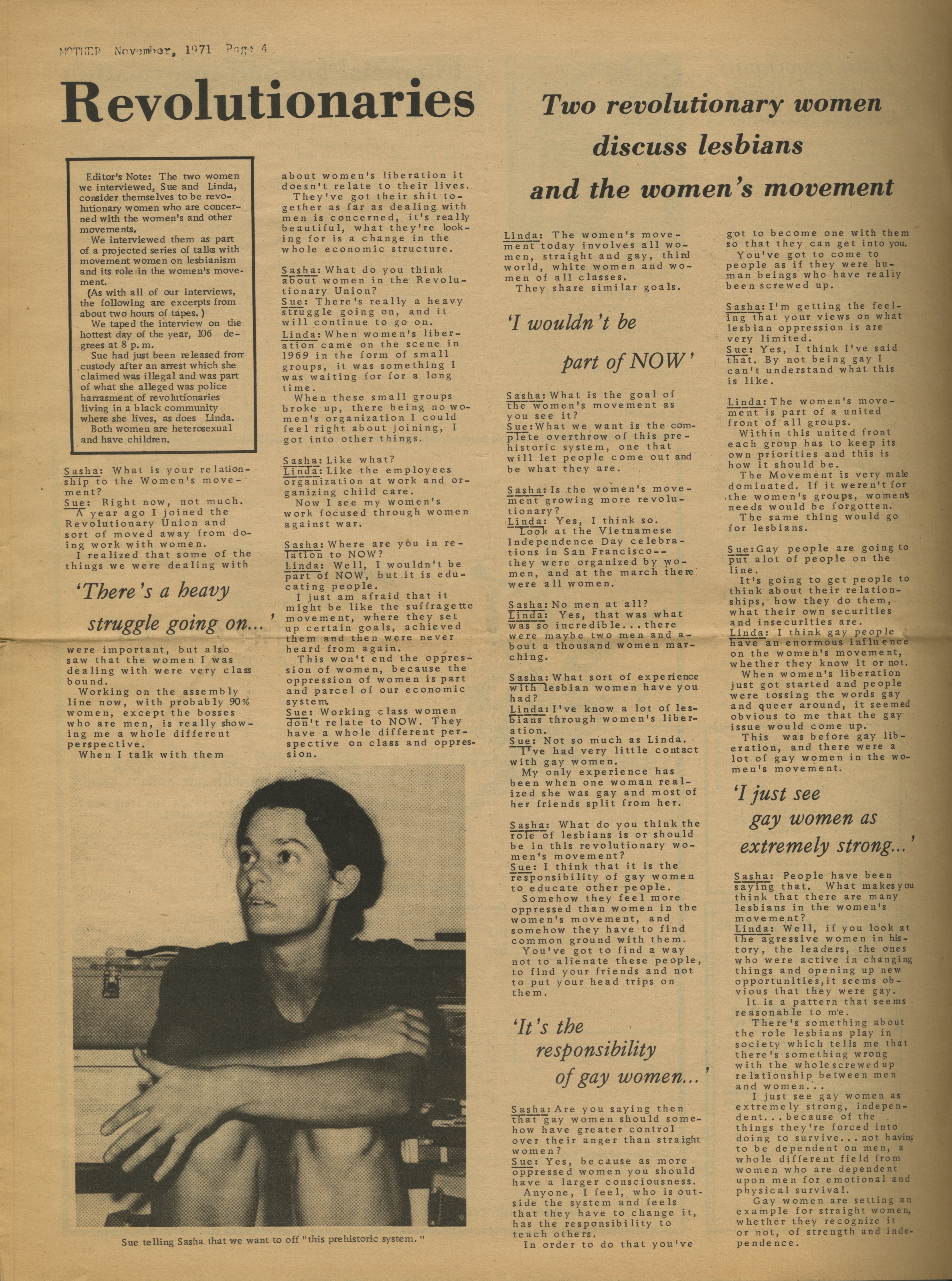
1 2023-12-01T16:27:35-08:00 Bonnie Morris/Julia Tanenbaum/Angela Brinskele ef6dc7f76d6383521c985b036594e440c4099a58 43632 3 Article on the Women's Liberation Movement from the perspective of straight, working class, women. The Sue in the article may refer to the Sue from the orange pamphlet on police brutality, "Who are Sue and Shirley?". 2023-12-02T15:35:43-08:00 Bonnie Morris/Julia Tanenbaum/Angela Brinskele ef6dc7f76d6383521c985b036594e440c4099a58This page has tags:
- 1 2023-12-15T22:50:33-08:00 Bonnie Morris/Julia Tanenbaum/Angela Brinskele ef6dc7f76d6383521c985b036594e440c4099a58 Periodical Collection Bonnie Morris/Julia Tanenbaum/Angela Brinskele 1 plain 2023-12-15T22:50:34-08:00 Bonnie Morris/Julia Tanenbaum/Angela Brinskele ef6dc7f76d6383521c985b036594e440c4099a58
This page is referenced by:
-
1
2023-11-17T15:41:37-08:00
The Rise of Women's Spaces
81
image_header
2024-03-05T13:12:06-08:00
The 1970s
Lesbian Feminism
Women in L.A. in the 1970s, still excluded from the Women’s Liberation movement, and dissatisfied with the centrality of gay men in the GLF, rallied behind Lesbian Feminism. Lesbianism was still an issue in Women's Liberation, an issue that was thought of as private by NOW President Betty Friedan. It is a quote from her that coined the phrase, "lavender menace," suggesting that lesbians threatened the political efficacy of the organization and of feminism.[1]
A key piece of literature written to confront differences between lesbians and straight women in the Women's Movement, and change policy that excluded lesbians in NOW, was the paper Woman-Identified Woman (WiW), written by radical lesbian activists in the early 1970s. Woman-Identified Woman was presented at NOW's Second Congress to Unite Women on May 2, 1970, along with a Lavender Menace action protesting lack of lesbian representation at the conference, in NYC. The paper and action ultimately was one of the catalysts to change the National Chapter of NOW's policy on including lesbian issues in their fight.Central arguments in WiW were:
- Lesbianism as a category is created out of a society with rigid sex roles defined by men to divide and keep women in line, therefore it is essential that the women’s movement combat the heterosexual and patriarchal structure that dictates social relationships.
- These categories, and the insults “dyke” and “faggot” are used to imply that someone is not a “real woman” or “real man”, expressing that a person is not acting within their assigned gender role. For women, this meant that they were acting like men, not conforming to femininity, and assuming a man’s role.
- This idea of lesbians assuming a man’s role is then used to create prejudice in straight women, and reduce potential relationships to those that are sexual or romantic, rather than allies in gender liberation.[2]
Lesbian Feminism believed in the resistance to the hetero-normativity and patriarchy that is institutionalized in the world. It is deeply rooted in the idea that the personal is political, centering lesbianism as a political identity.
Lesbian Feminism itself fractured between lesbians who felt completely separate from gay liberation, those who still aligned with the movement, and lesbian separatists, where women dissociated from men, even gay men, and heterosexual women, striving to live in communities only of lesbian women. Some of these differences stem from views fixating on discrete gender roles, conflating gender, sex, and biology, therefore questioning who is included in liberation, being hostile towards trans women, and distrusting bisexuality.Rise of Women's Spaces
With the new visibility that came with large numbers of people coming out and the spark of lesbian feminism, spaces were designed to support women and lesbians by providing health services, mental health, abortion, and substance abuse counseling. These spaces also served as artistic maker-spaces, facilitated feminist discussion and were essential to activist organizing.
Alcoholism Center for Women
In 1974, Brenda Weathers and other activists from the Gay and Lesbian Community Services Center (now the LGBT Center) built the Alcoholism Center for Women (ACW) as a rehab center specifically for women and lesbians. The ACW ran programming by and for Black and Latina women to support sobriety and community in the face of social isolation,[3] especially for lesbian women.
The Crenshaw Women's Center
The Crenshaw Women’s Center (sometimes referred to as the LA Center or the LA Women’s Liberation Center) was another organization that provided medical services and mental health resources to women and lesbians. The Center was open from 1970 to 1972 and provided mental health counseling, abortion counseling, a suicide hotline, job resources, the lesbian switchboard, and the beginning of Sisterhood Bookstore.[4]
In 1971 a coalition of women took out an ad in the Los Angeles Free Press announcing the formation of the ‘Woman’s Caucus”, a women’s liberation group fighting lesbian prejudice within the movement. The group met at the Crenshaw Women’s Center with the name Gay Women’s Liberation. The group changed its name to the Lesbian Feminists after a NOW member barked, “oh, you lesbian feminists!” while at a kiss-in.[5]
Serving as a meeting space for the Lesbian Feminists, the Crenshaw Women’s Center was integral in providing a safe space for lesbian activists to mobilize. This led to the group interrupting a meeting of the L.A. Chapter of NOW (NOW LA), to have a consciousness raising rap session between NOW LA, the Lesbian Feminists, the Daughters of Bilitis, and the Gay Women’s Service Center.[6] NOW LA then officially recognized lesbians as part of their feminist cause. Later that year, in September was when the National Chapter of NOW also official recognized lesbian issues.The Woman's Building
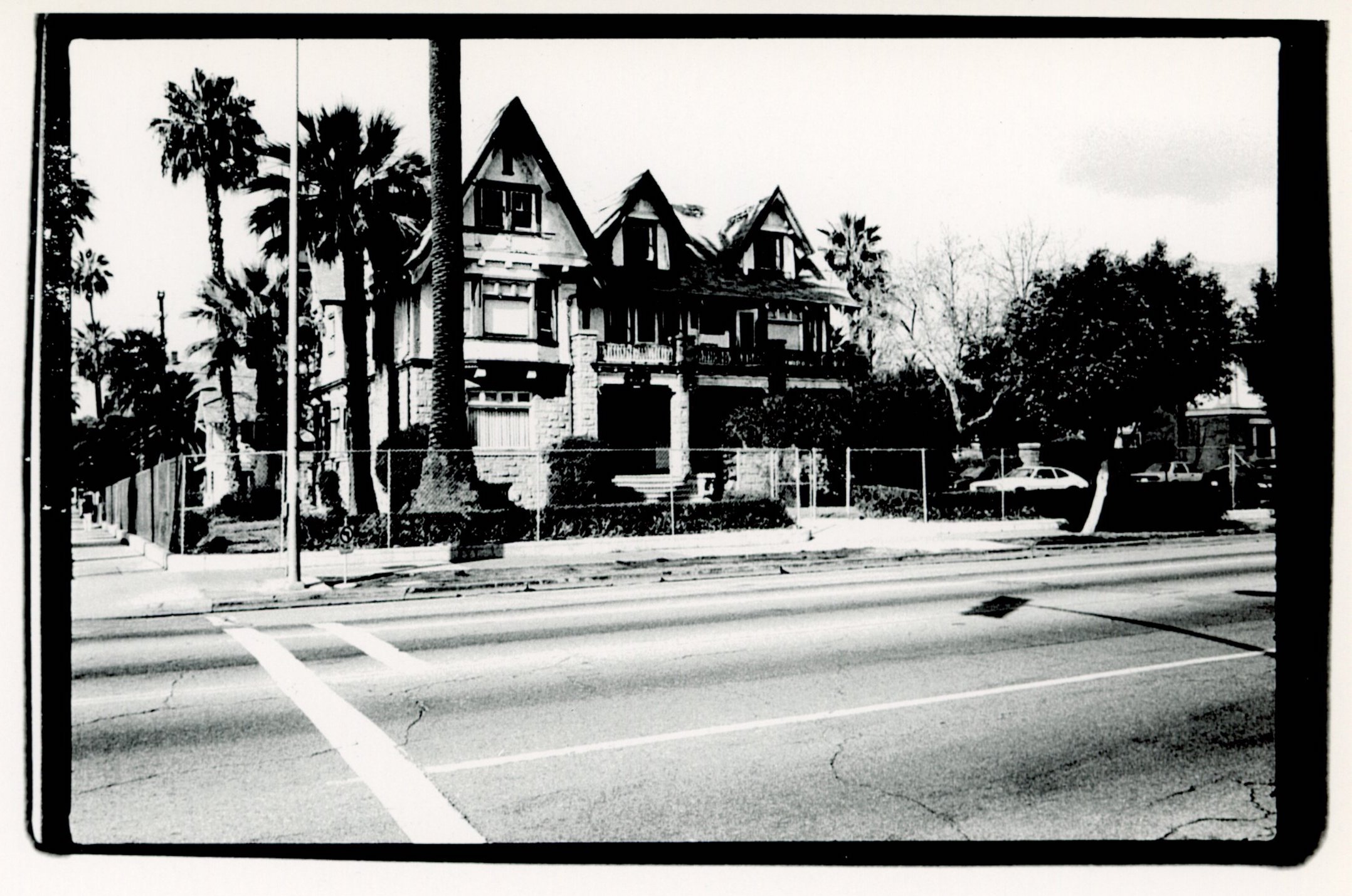
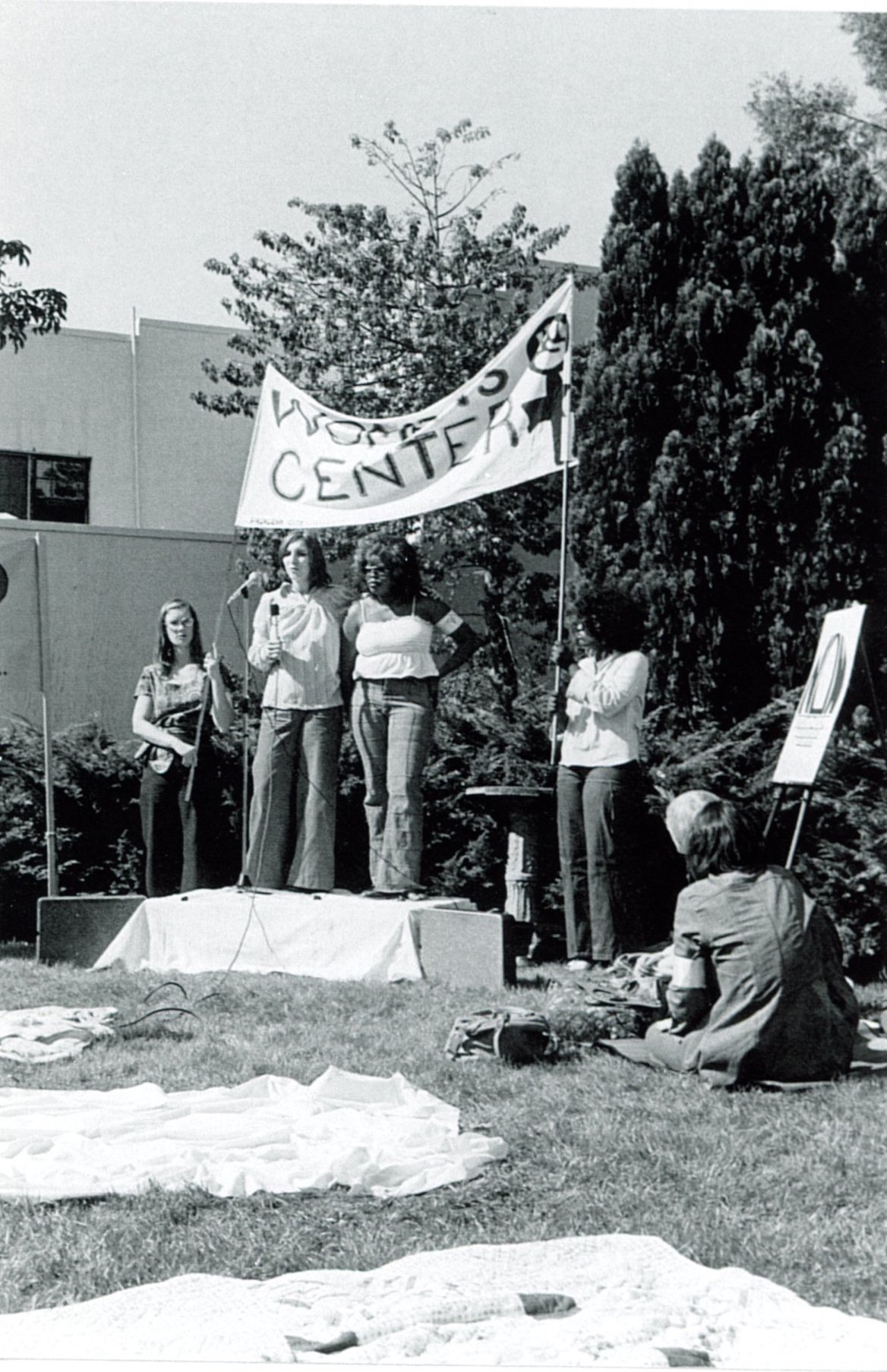
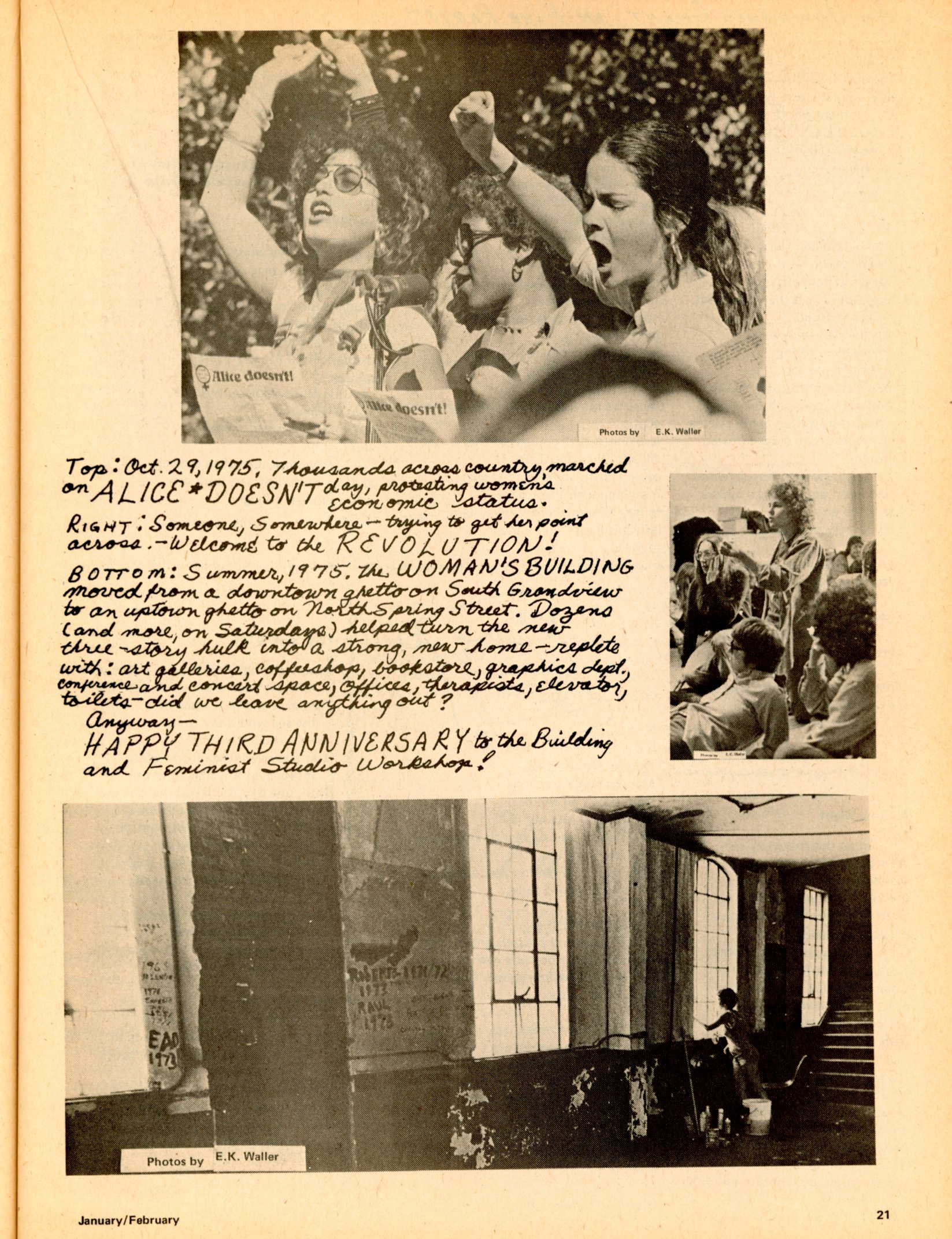
Another integral site to the lesbian feminist and women’s movement was The Woman’s Building in Downtown Los Angeles. Originally on South Grand View Ave, in 1975 it moved to North Spring Street. It was founded in protest to the exclusion of women in mainstream art galleries, museums, art programs, and artistic circles. Judy Chicago, Arlene Raven, and Sheila Levrant de Bretteville came together to found the Feminist Studio Workshop (FSW), which students and contributors began likening it to the structure designed by Sophia Hayden at the 1893 World’s Columbian Exposition in Chicago of the same name.[7] The Woman’s Building also held space for the Los Angeles chapter of NOW, and the feminist business Sisterhood Bookstore. The building was a place dedicated to experimentation and exploration of feminist theory, art, and political agency.
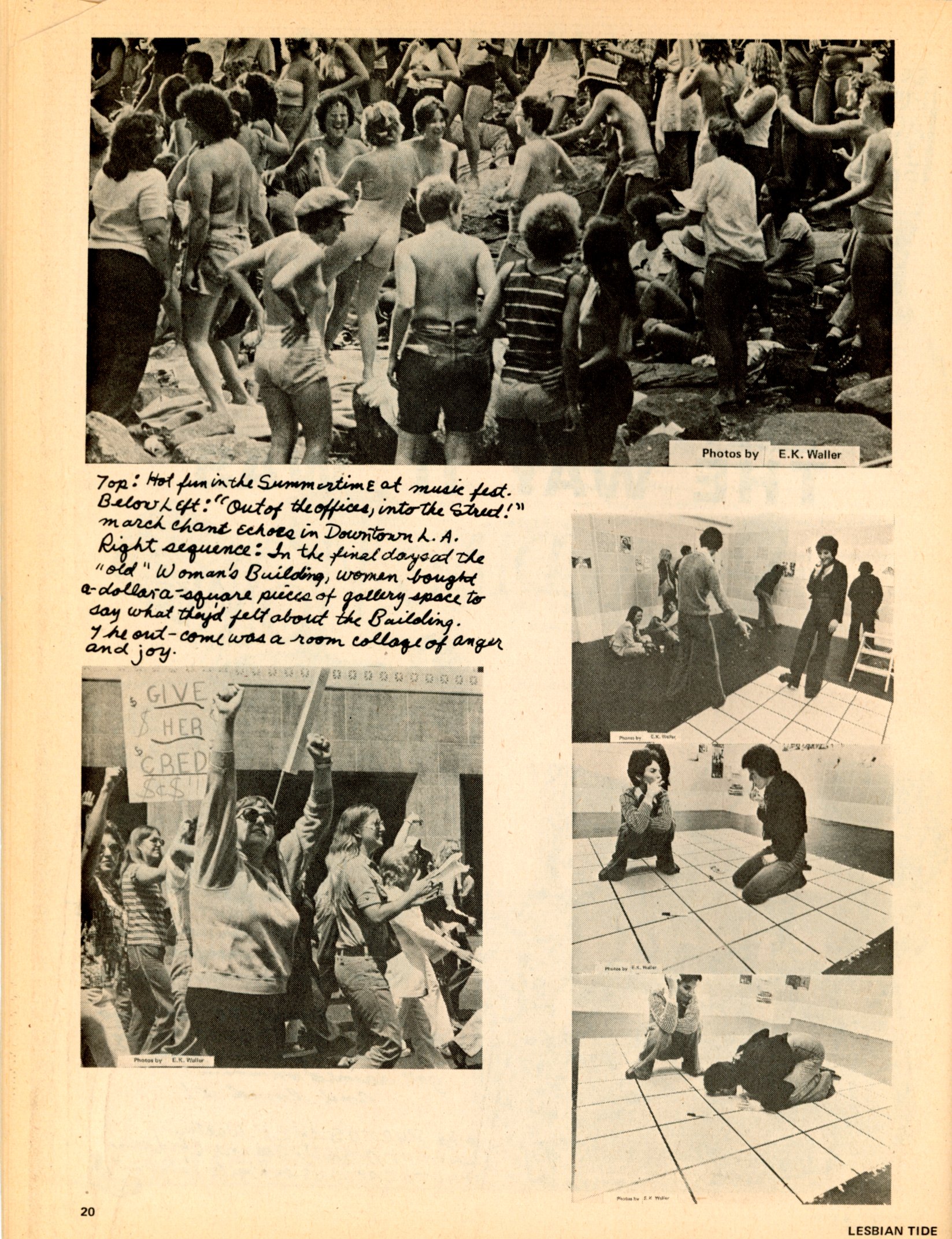
Women from the Women’s Building and the Crenshaw Women’s Center (previous section) take part in protest on Alice Doesn’t Day on October 29, 1975. The strike was organized by NOW, and named in reference to the film Alice Doesn’t Live Here Anymore (1974). Women were asked to strike by refraining from spending money or going into work in order to show the impact women have on society and the economy.
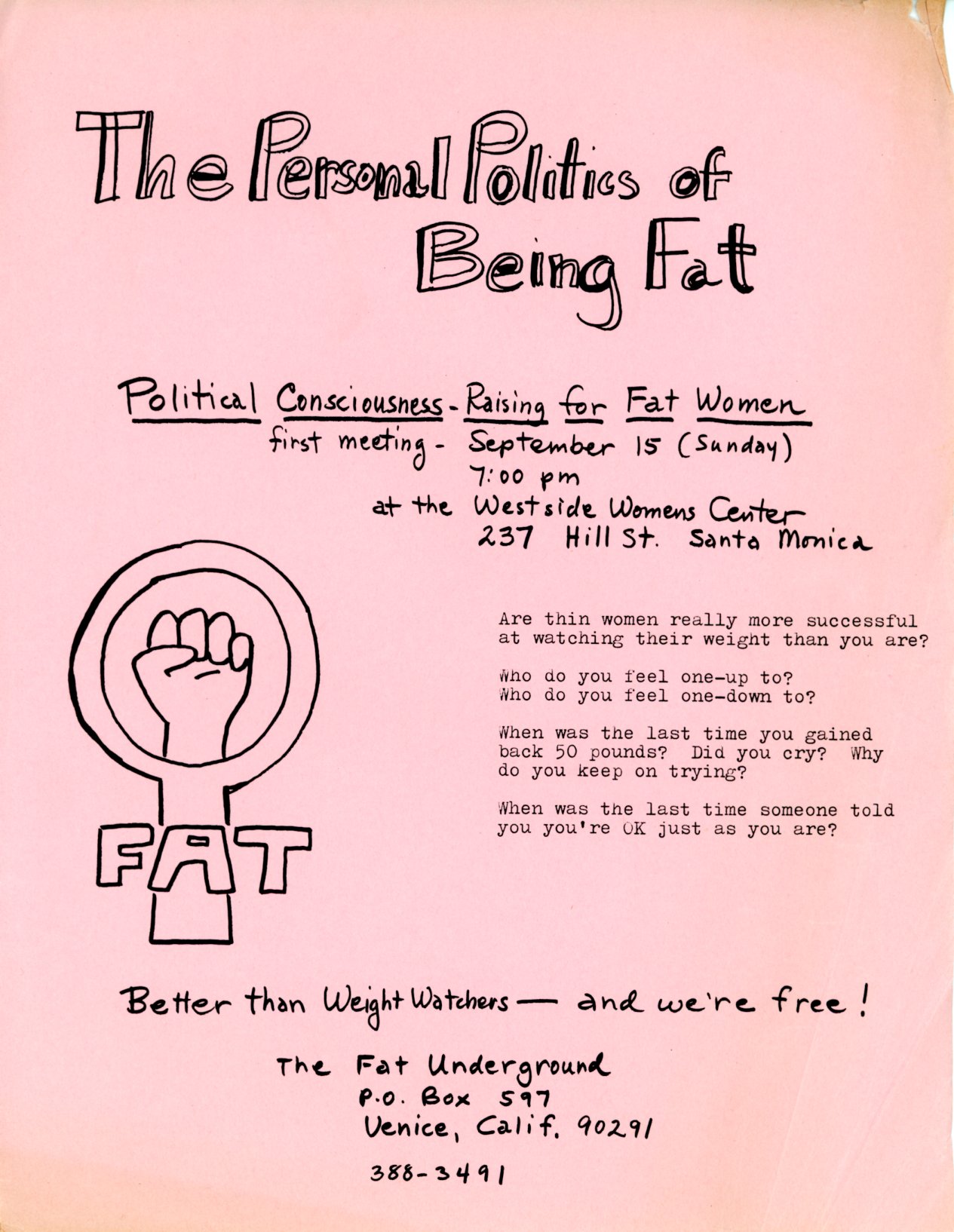
Fat Liberation and the Radical Therapy MovementIn November 1973, Judy Freespirit and Sara Aldebaran published the “Fat Liberation Manifesto” on behalf of the Fat Underground, a fat feminist collective made up of mostly women and lesbians.
The manifesto contains seven points that represent the desires of the Fat Liberation Movement, and end with a call to action. It first establishes that fat people are entitled “human respect and recognition.” The other objectives outline the commercial exploitation of fat bodies by both corporations and scientific institutions, that this struggle aligns with struggles of other oppressed groups, names diet culture and “reducing” industries as the enemy, and lastly claim power over their own bodies. This manifesto marked a key point in the Fat Liberation movement because it is one of the first times there was a public call for unification of fat women and fat people under one common purpose.[8]
The Fat Underground’s goal was to change discriminatory thoughts and practices. These discriminatory practices included those of doctors and other health professionals who perpetuated the unhealthy habits encouraged by diet culture. This approach to reform the health profession stems from the Fat Underground’s origin in the Radical Therapy movement, which believed mental health issues were in part caused by oppressive social institutions and practices.[9]
The collective met at the Westside Women's Center in Santa Monica, and advertised meetings at Sisterhood Bookstore and the Woman's Building.Connexus and the Centre de Mujeres
1984
Citations
[1] Stephanie Gilmore, Elizabeth Kaminski, A Part and Apart: Lesbian and Straight Feminist Activists Negotiate Identity in a Second-Wave Organization (Austin: University of Texas Press, January 2007), 96, https://doi.org/10.1353/sex.2007.0038
[2] Woman Identified Woman,” box 9, folder 16, Margaret Cruikshank Collection, June L. Mazer Lesbian Archives, Los Angeles, CA.
[3] “Alcoholism Center for Women,” LA Conservancy, accessed November 13, 2023, https://www.laconservancy.org/learn/historic-places/alcoholism-center-for-women/.
[4] “Crenshaw Women’s Center,” LA Conservancy, accessed November 13, 2023, https://www.laconservancy.org/learn/historic-places/crenshaw-womens-center/.
[5] “Discover LGBTQIA Los Angeles: The Crenshaw Women’s Center,” accessed November 13, 2023, https://www.lapl.org/collections-resources/blogs/lapl/discover-lgbtqia-los-angeles-crenshaw-womens-center.
[6] “Discover LGBTQIA Los Angeles: The Crenshaw Women’s Center.”
[7] “The Woman’s Building,” LA Conservancy, accessed November 13, 2023, http://www.laconservancy.org/learn/historic-places/the-womans-building/.
[8] The Fat Underground and the Fat Liberation Manifesto | The Feminist Poetry Movement,” accessed November 13, 2023, https://sites.williams.edu/engl113-f18/foreman/the-fat-underground-and-the-fat-liberation-manifesto/.
[9] The Fat Underground and the Fat Liberation Manifesto, accessed November 13, 2023. -
1
2023-10-03T16:18:34-07:00
Consciousness Raising
64
image_header
2023-12-02T16:36:15-08:00
The 1960s
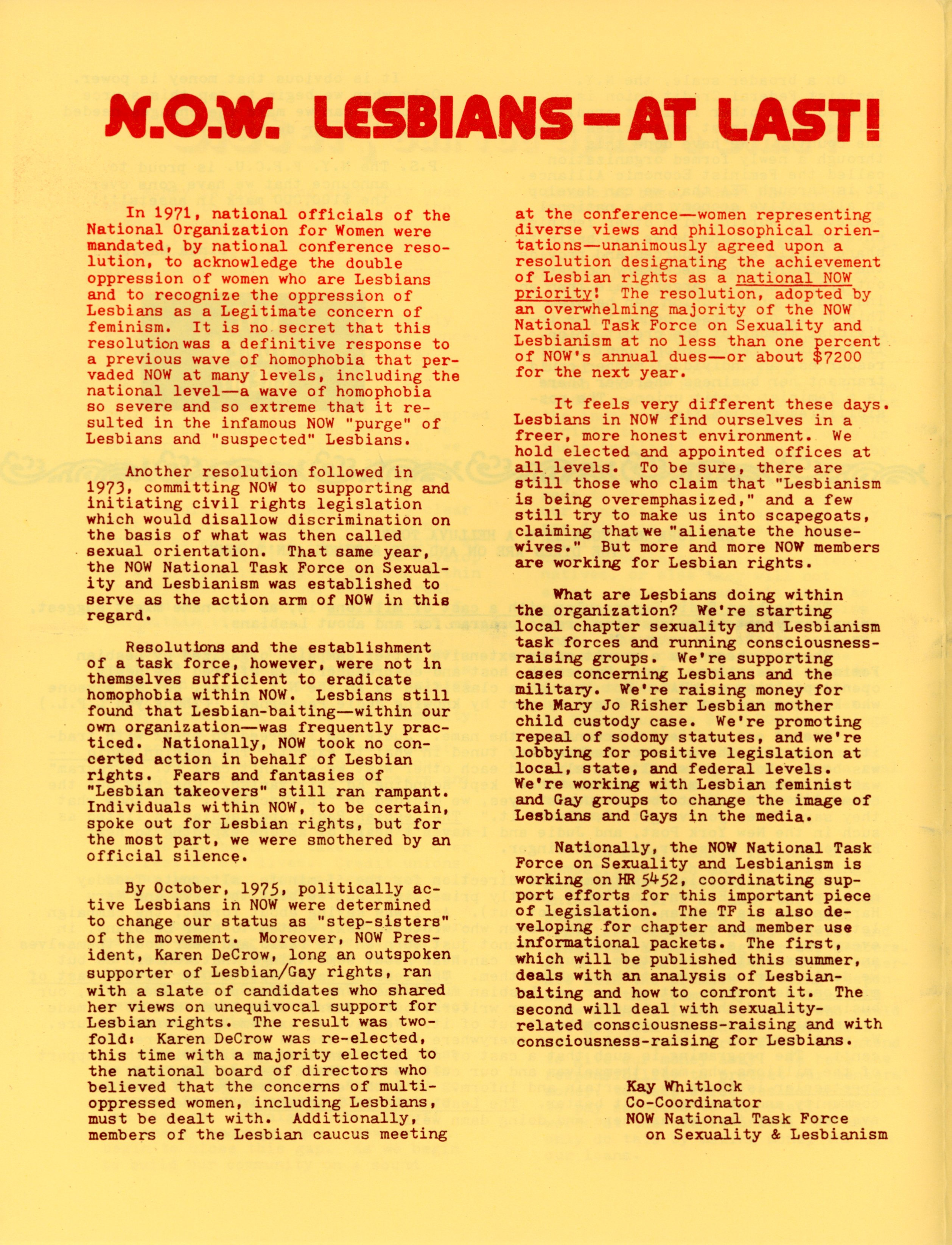
In the 1960s the Women’s Liberation Movement was well under way. The National Organization of Women (NOW) was founded in 1966, and was one of the most vocal organizations mobilizing women to push back against gender discrimination. Yet within NOW and Women’s Liberation as a whole, homophobia actively excluded the rights of lesbians, bisexual women, and trans women.
The argument in Women’s Liberation was that lesbianism promoted the emulation of men and masculine power, which was coupled with the pervasive general homophobia and transphobia against gay, lesbian, and trans lifestyles in general society. Lesbians within the Women’s Liberation Movement were still isolated, or connecting with each other covertly.[1]
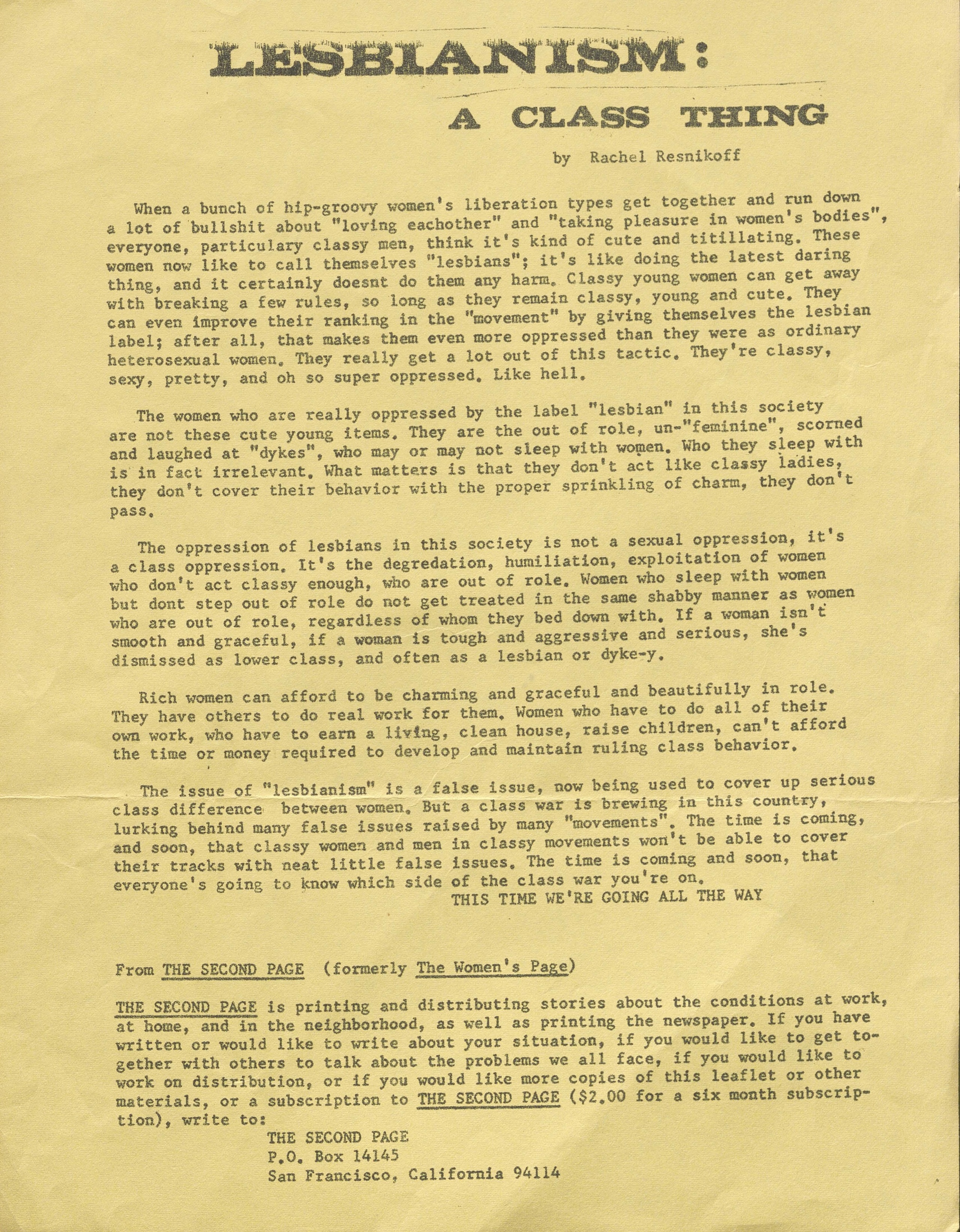
The view that lesbian rights had no part in NOW's feminist movement was directly tied with class and race. Lesbians, women of color, and working class women often did not fall into the middle class, white, femme image that NOW and Women's Liberation rallied behind. The exclusion of lesbians in the fight was only one way that this image was upheld.Consciousness Raising
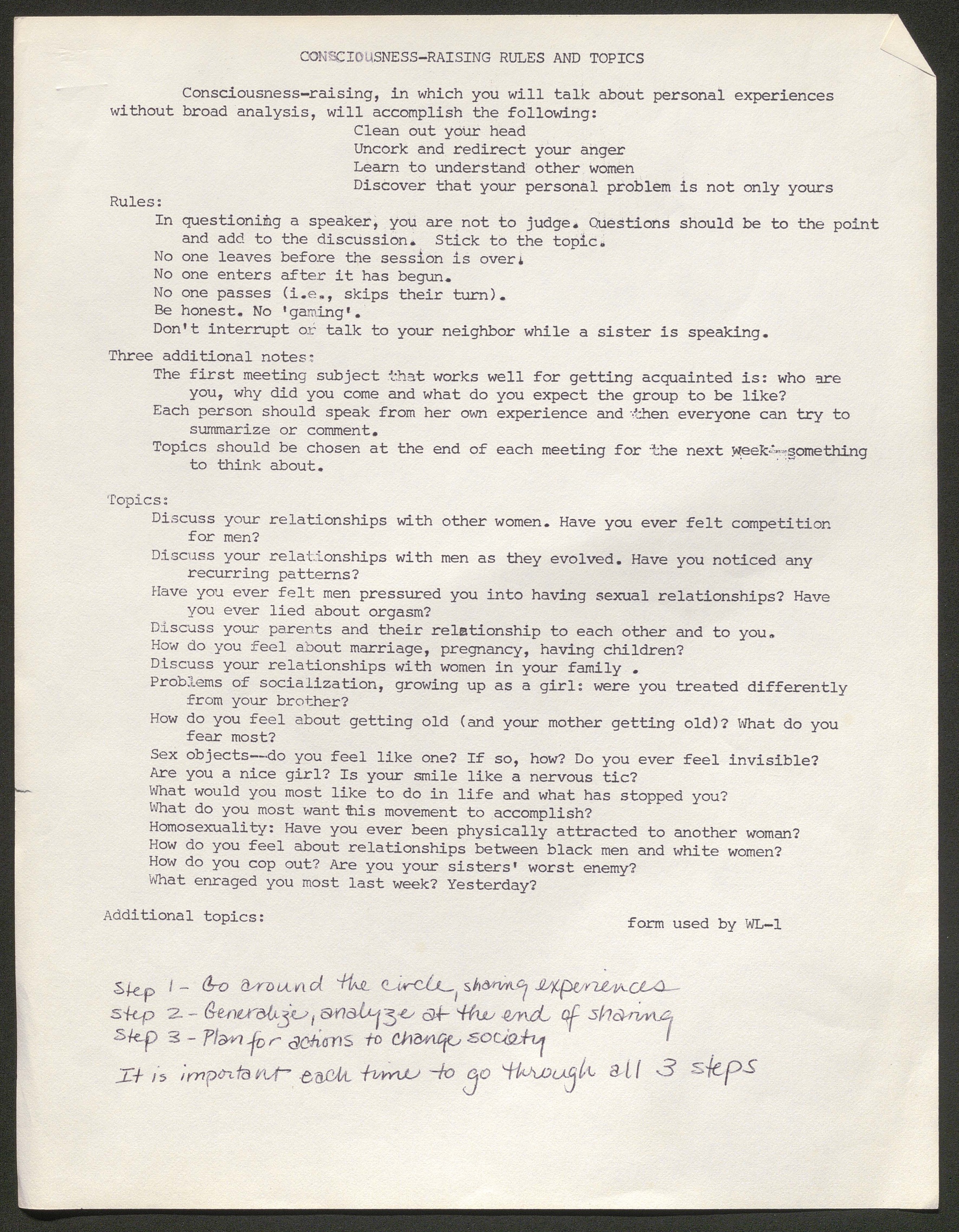
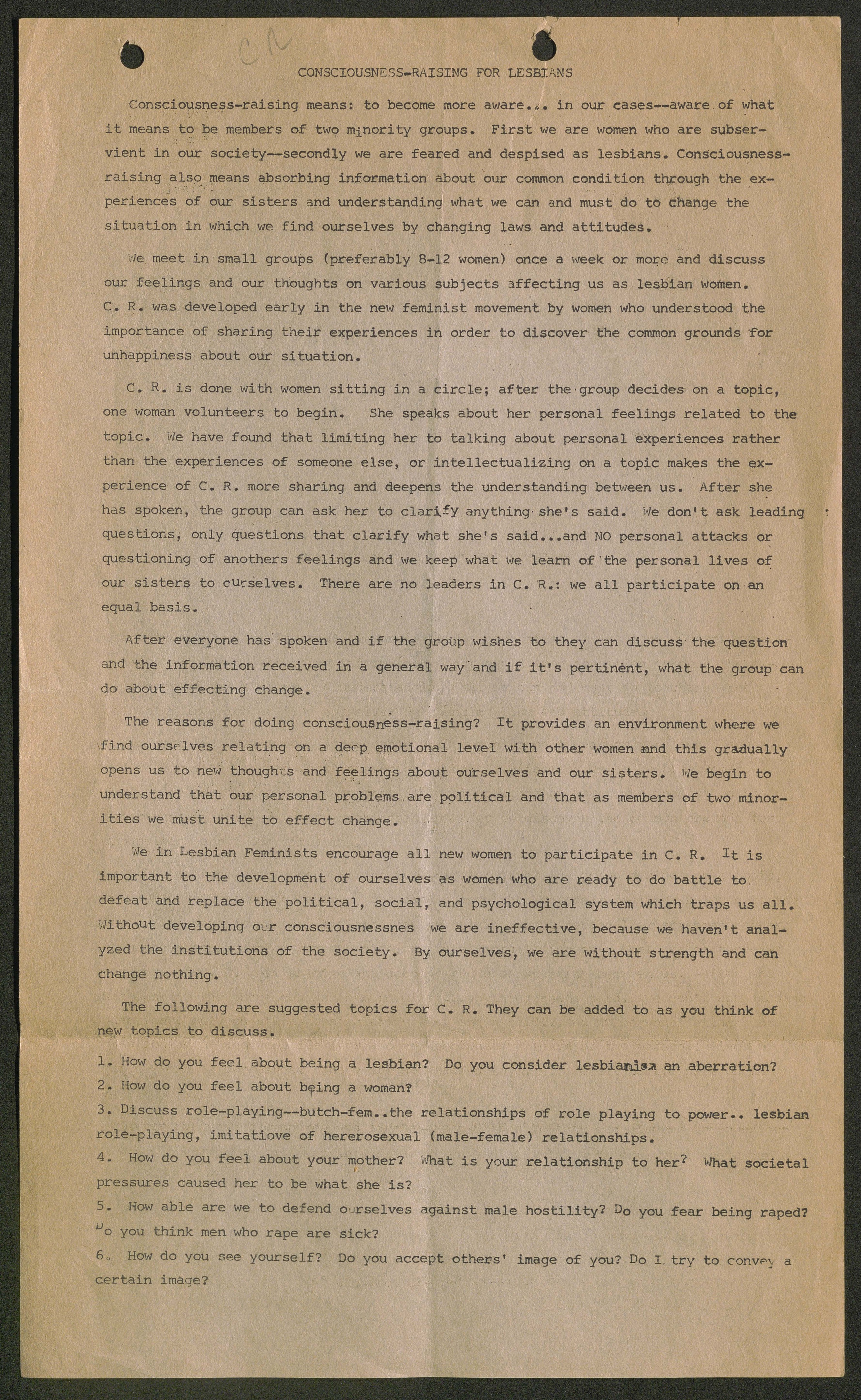
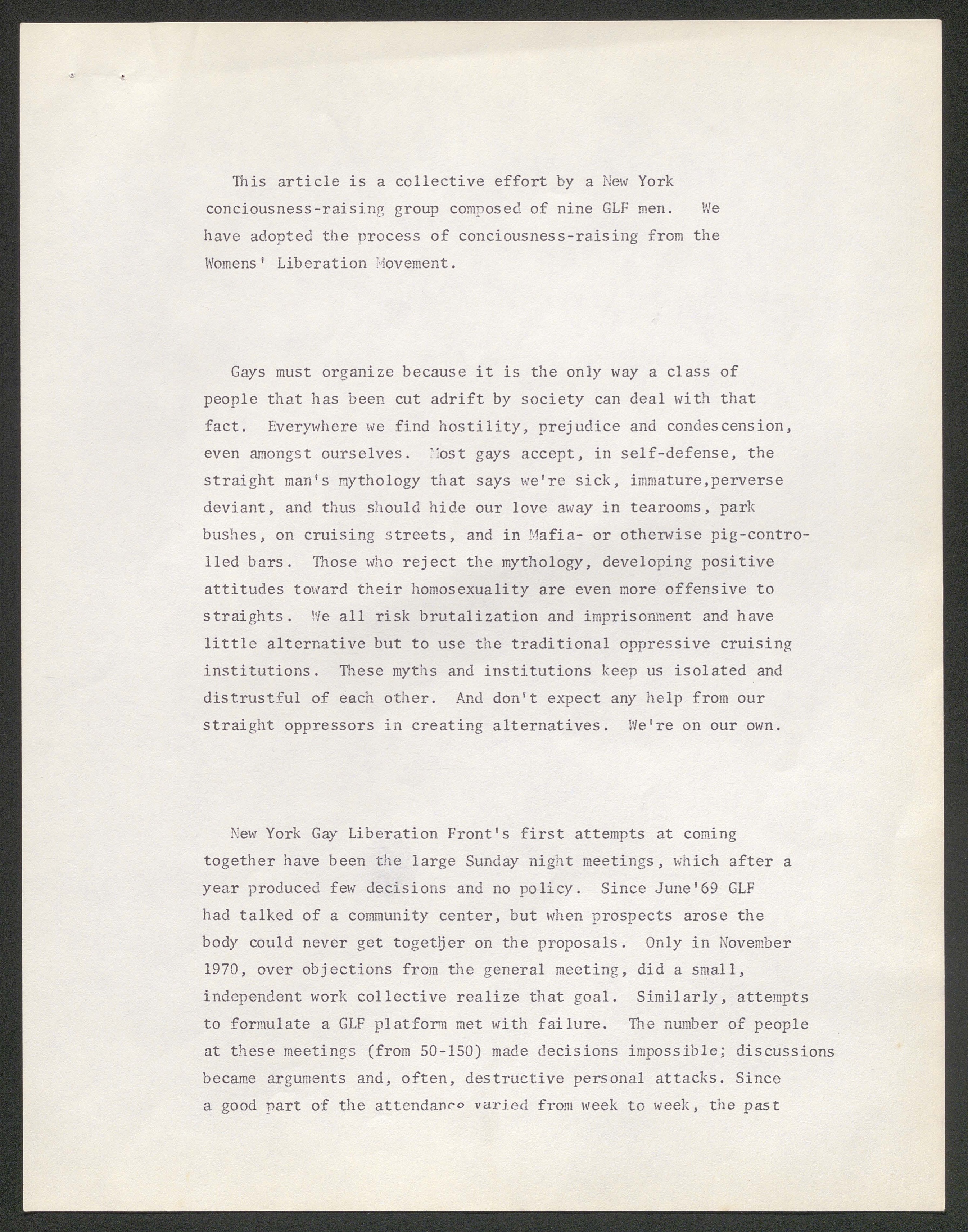
One of the main tools of Women’s Lib were consciousness raising groups. Groups of women would meet to share, without judgment, their grievances and struggles within the patriarchy. This tool for connecting everyday struggles to larger political demands, and therefore organizing and inciting people to mobilize was used throughout LGBTQ activism of the 80s and 90s, was adopted by the Gay Liberation Front, and is even used today.
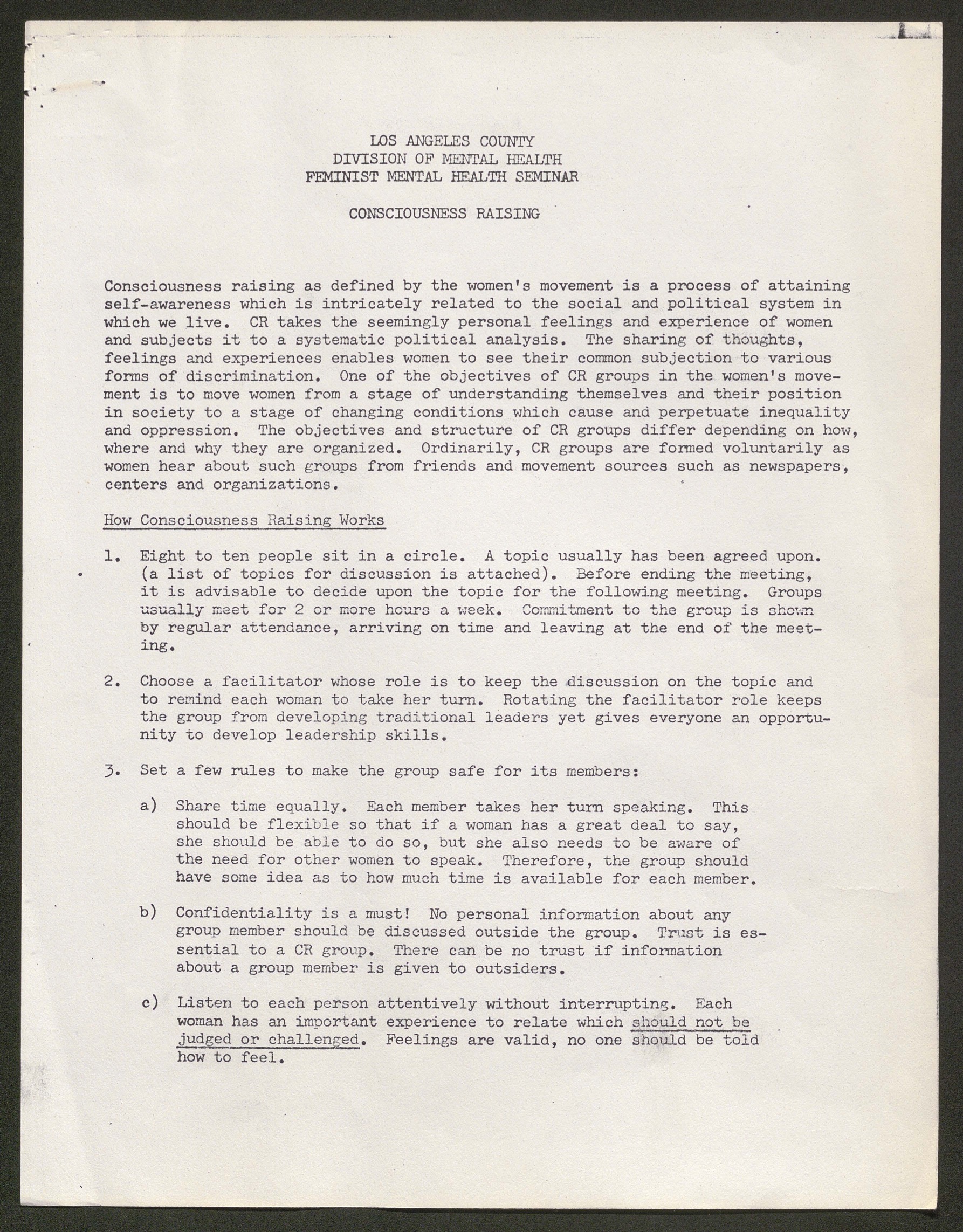
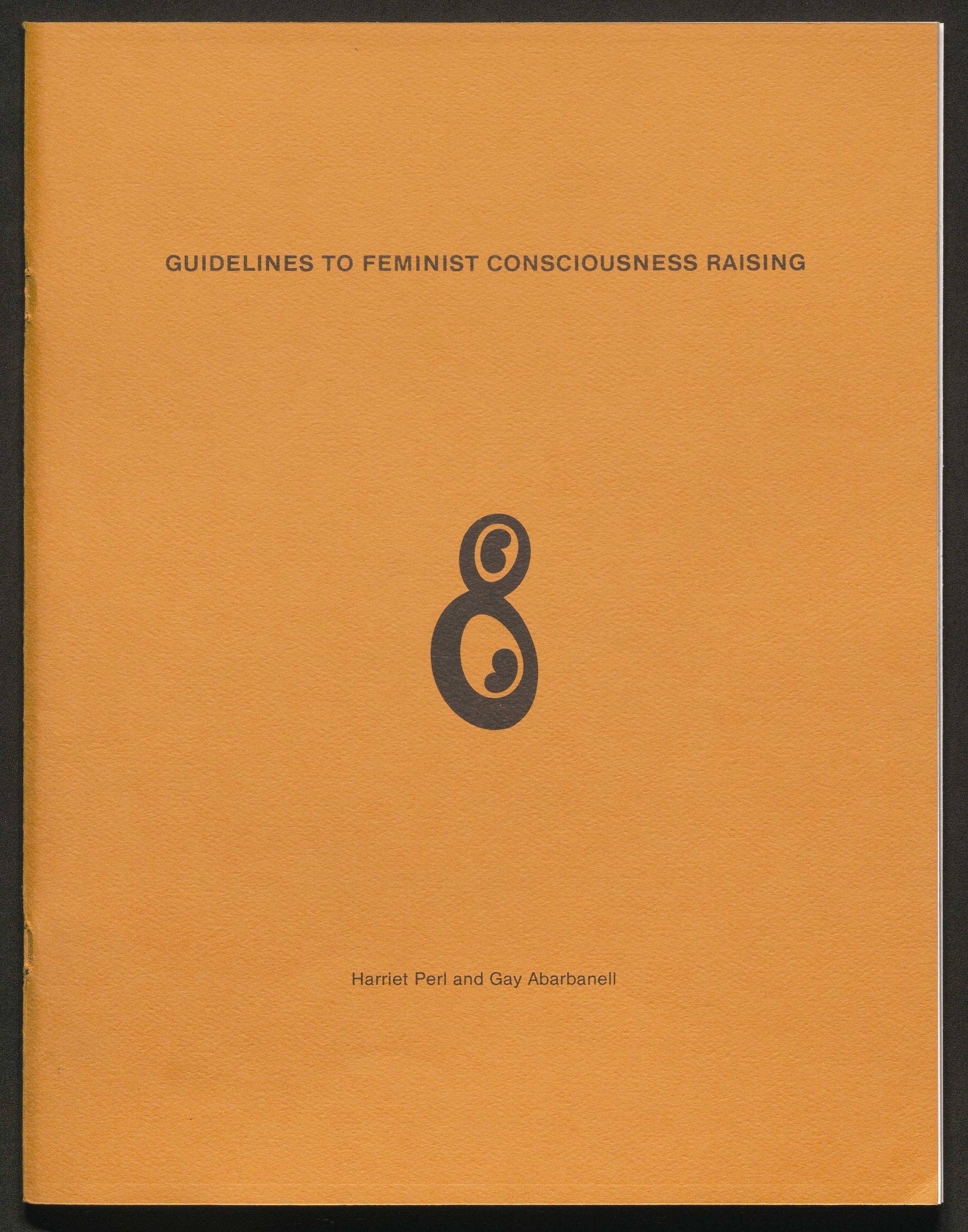
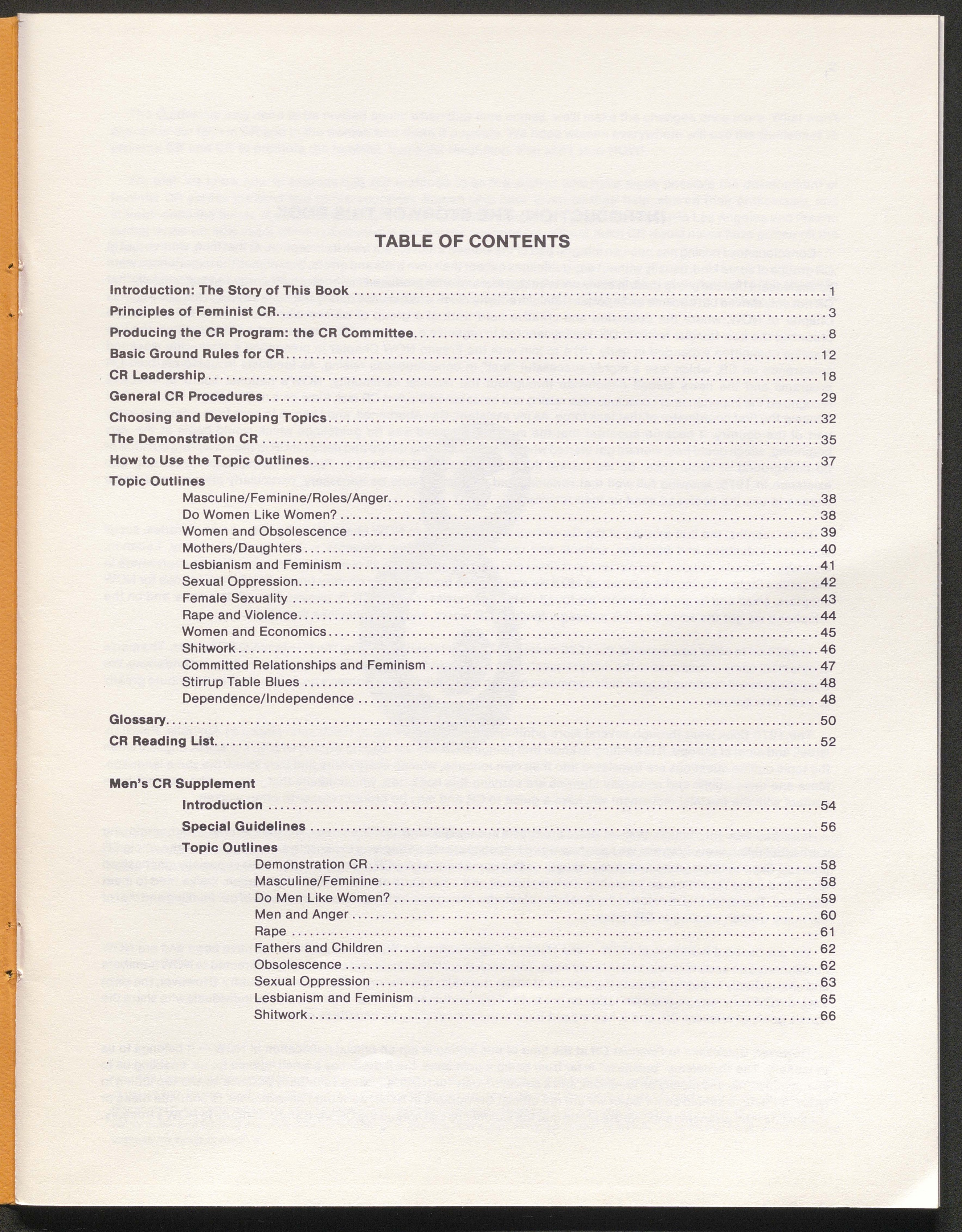
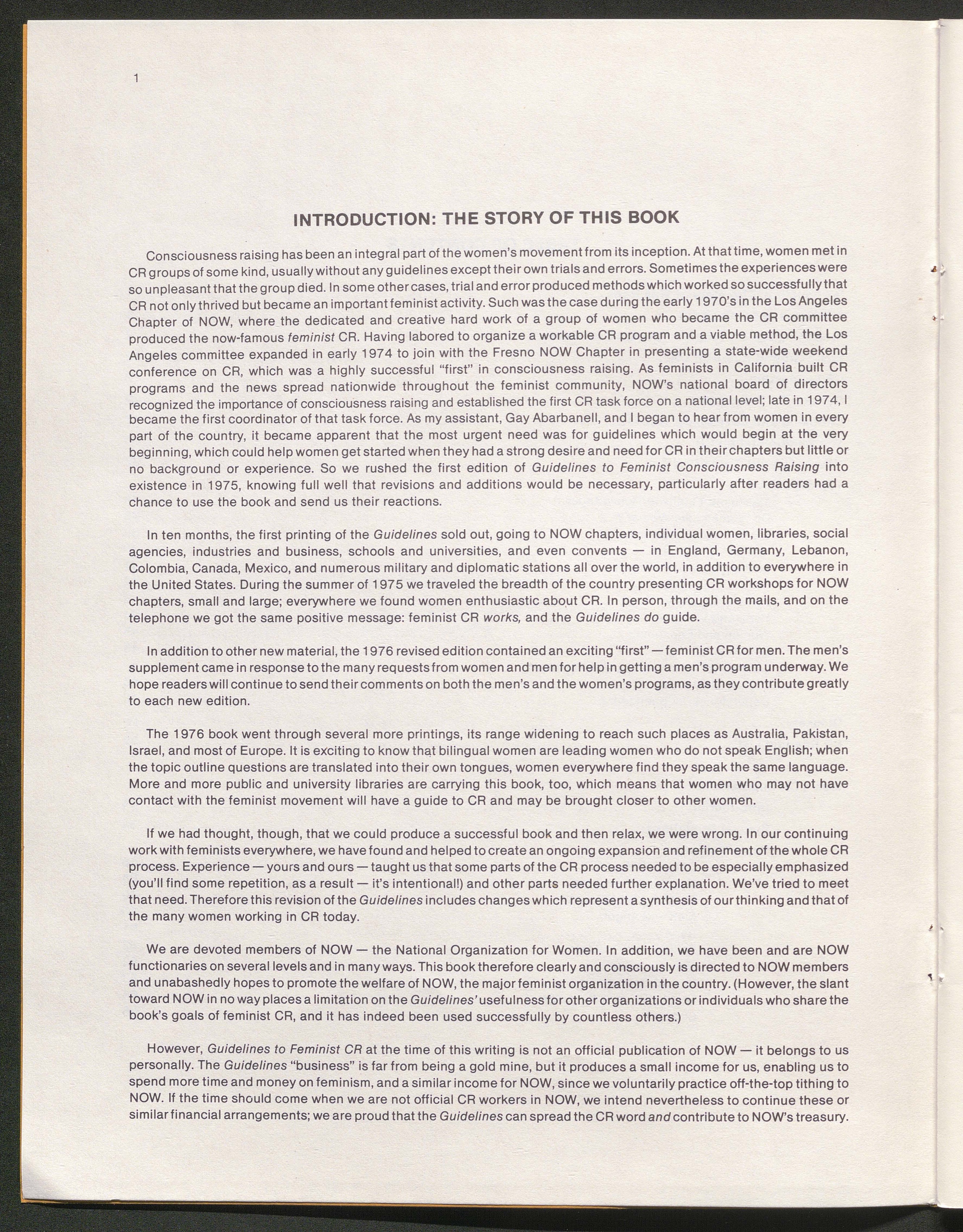
Consciousness raising became such an important tool, that it was standardized and presented in a handbook by the Los Angeles chapter of NOW starting in 1975, with new revised editions being printed into the 1980s. The orange copy shown is from 1979. In this version a section added with “feminist CR guidelines for men,” with the same topics possibly to compare answers between groups. In the same year, the Los Angeles County Division of Mental Health used consciousness raising in feminist mental health seminars.
The Mazer’s subject files document early consciousness raising rules and topics from the 1960s. Examples of typical questions and rules presented during consciousness raising meetings:Civil Rights and the Vietnam War
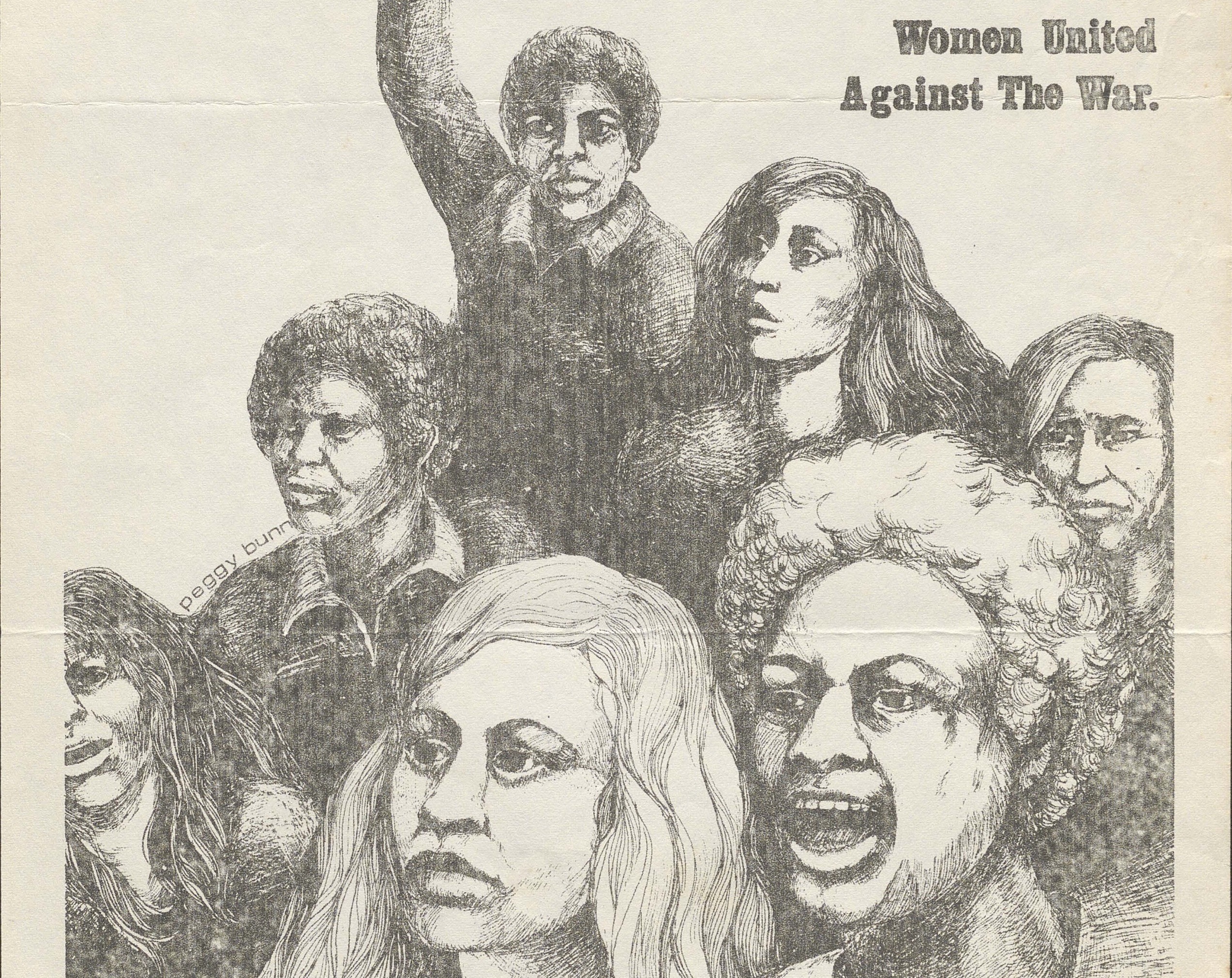
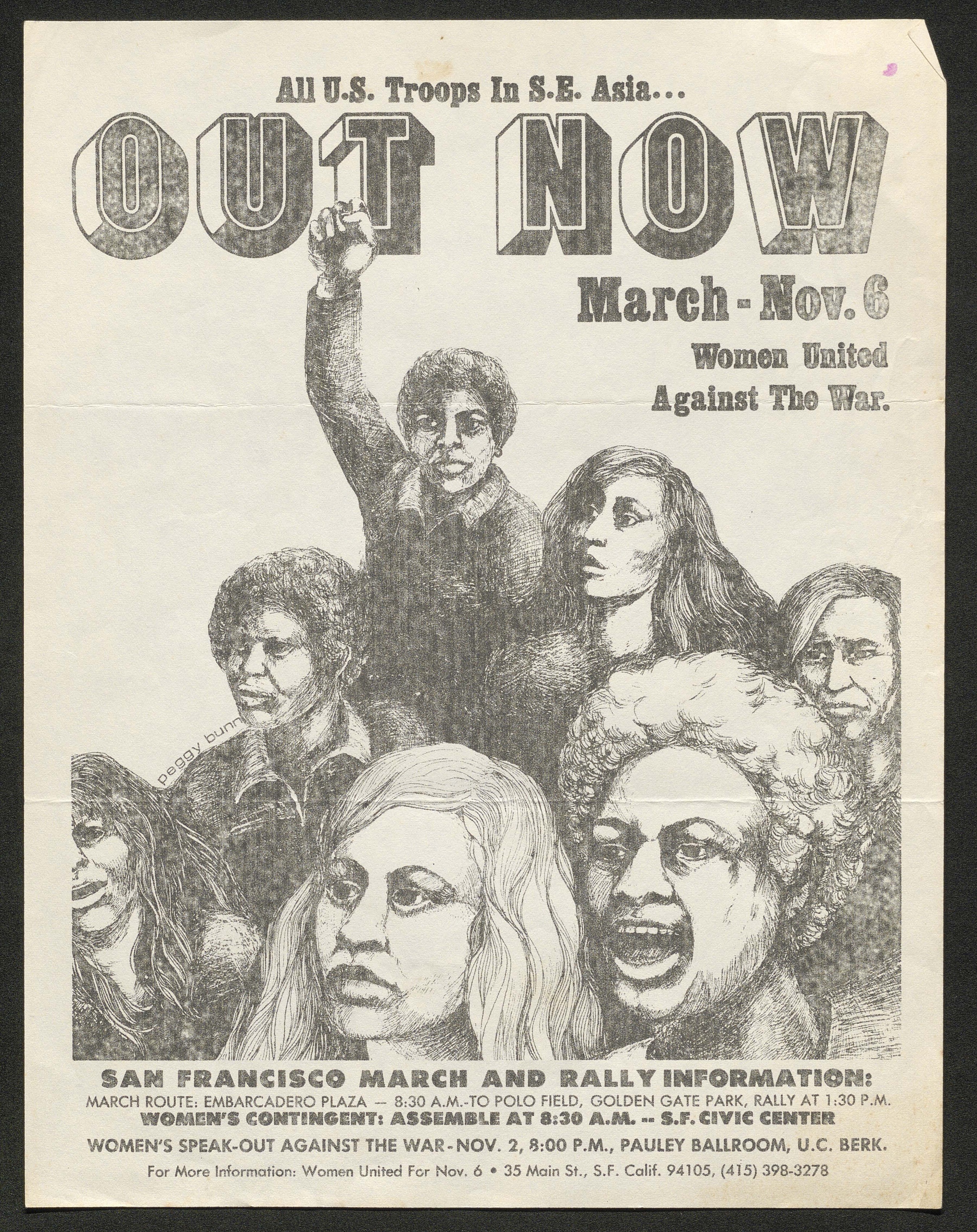
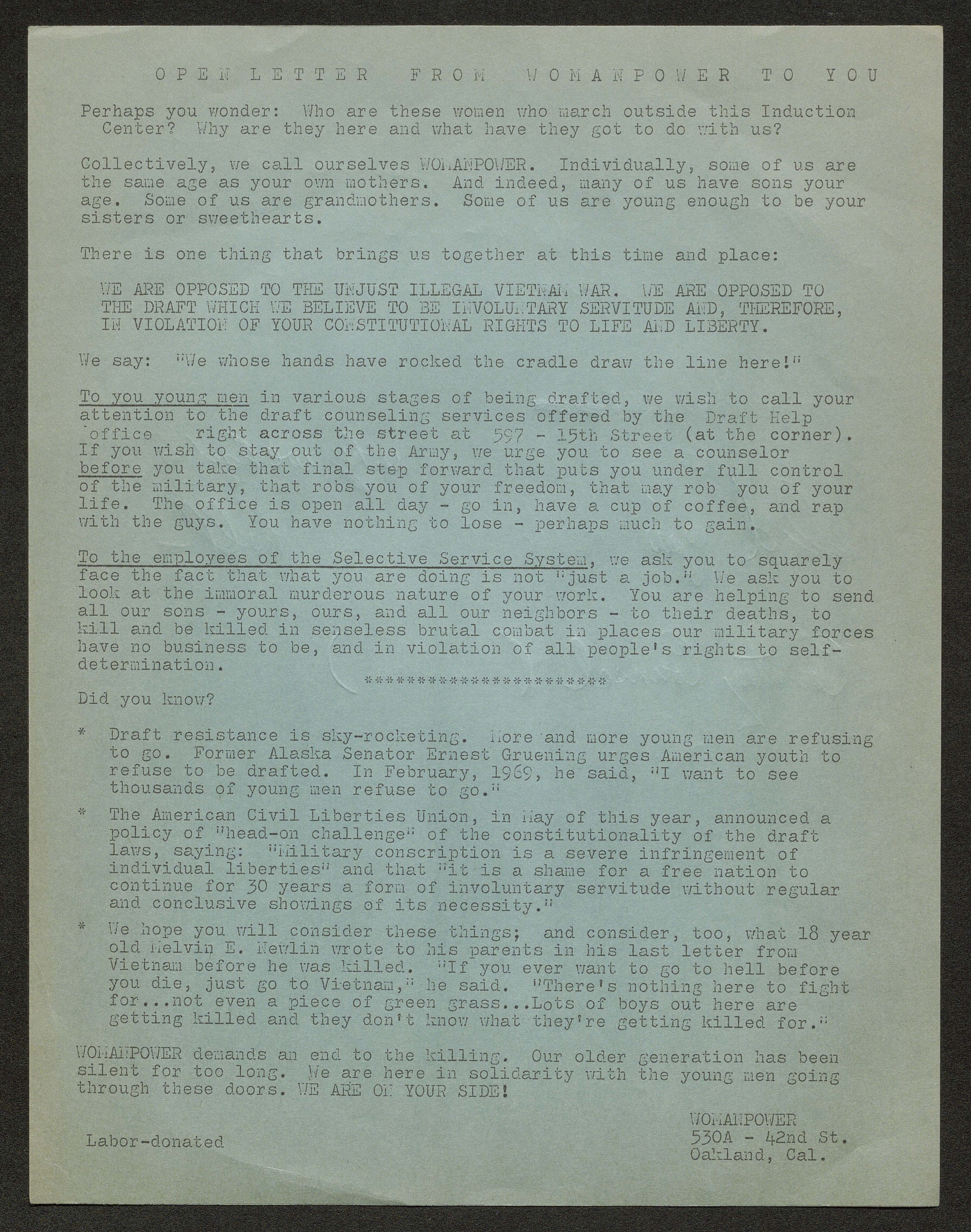
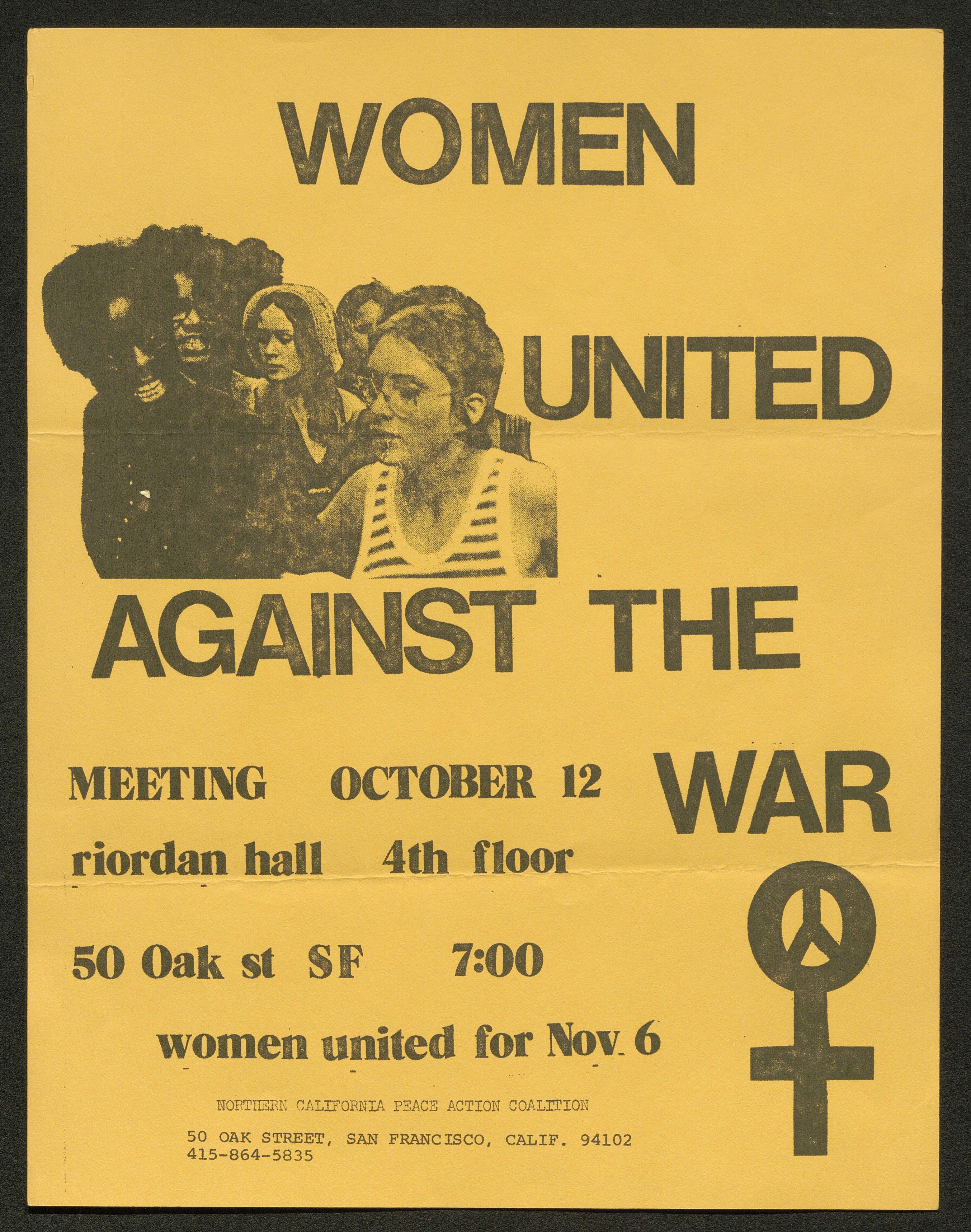
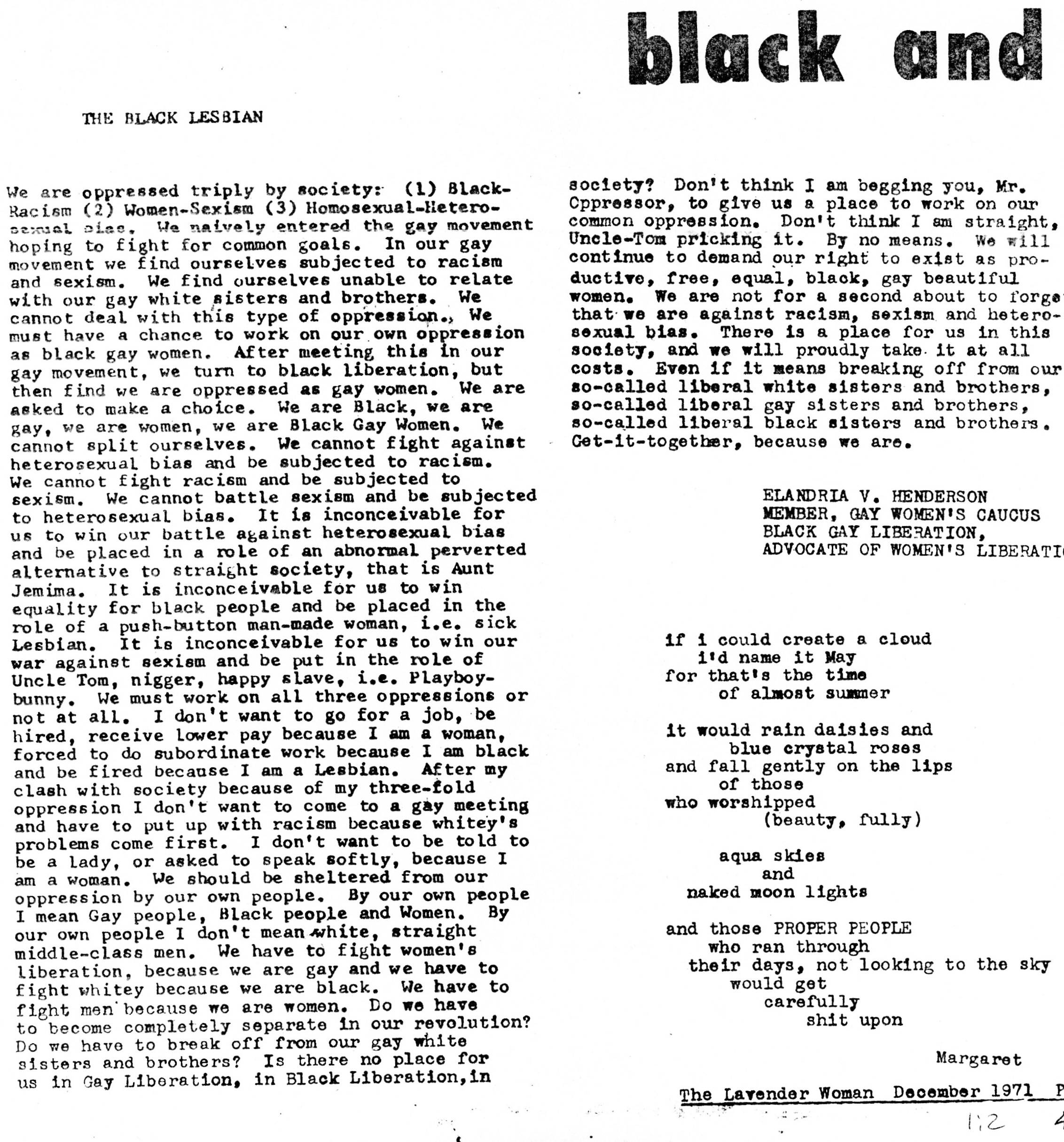
The Mazer’s subject files also contain flyers from other activism of this era that was focused on protesting the Vietnam War and the draft, as well as Civil Rights for black Americans, and other people of color. gay and lesbian activists took part in organizations like Women United Against the War, the Gay Women’s Contingent, the Black Panther Party, and Womanpower (a group based out of Oakland, CA), to name a few.
Citations
[1] Margaret Cruikshank, The Lesbian and Gay Liberation Movement (New York: Routledge, 1993), 70. -
1
2024-03-05T13:03:51-08:00
Lesbian Feminism
25
plain
2024-04-26T13:10:37-07:00
Women in L.A. in the 1970s, still excluded from the Women’s Liberation movement, and dissatisfied with the centrality of gay men in the GLF, rallied behind Lesbian Feminism. Lesbianism was still an issue in Women's Liberation, an issue that was thought of as private by NOW President Betty Friedan. It is a quote from her that coined the phrase, "lavender menace," suggesting that lesbians threatened the political efficacy of the organization and of feminism.[1]
A key piece of literature written to confront differences between lesbians and straight women in the Women's Movement, and change policy that excluded lesbians in NOW, was the paper Woman Identified Woman (WiW), written in 1970 by the New York City by Radicalesbians. Woman Identified Woman was presented at NOW's Second Congress to Unite Women in New York City on May 1, 1970, with a Lavender Menace action protesting lack of lesbian representation at the conference. Ultimately, the paper and the action were catalysts to change the National Chapter of NOW's policy on including lesbian issues in their fight.[2]The Woman Identified Woman
Central arguments in WiW were:
- Lesbianism as a category is created out of a society with rigid sex roles defined by men to divide and keep women in line, therefore it is essential that the women’s movement combat the heterosexual and patriarchal structure that dictates social relationships.
- These categories, and the insults against gays and lesbians are used to imply that someone is not a “real woman” or “real man”, expressing that a person is not acting within their assigned gender role. For women, this meant that they were acting like men, not conforming to femininity, and assuming a man’s role.
- This idea of lesbians assuming a man’s role is then used to create prejudice in straight women, and reduce potential relationships to those that are sexual or romantic, rather than allies in gender liberation.[3]
Lesbian Feminism believed in the resistance to the hetero-normativity and patriarchy that is institutionalized in the world. It is deeply rooted in the idea that the personal is political, centering lesbianism as a political identity.
The Radicalesbians
The Radicalesbians formed in New York City in 1970 by members of the Lavender Menace. The groups would eventually become the same, under the name Radicalesbians. Known members were Rita Mae Brown, Barbara Love, Karla Jay, Martha Shelley, Lois Hart, Ellen Shumsky, Cynthia Funk, and Artemis March.[4] The group's lesbian feminist beliefs were rooted in lesbian separatism, which meant cutting their ties with heterosexual society, gay men and gay liberation, openly denying the existence of trans women, and distrusting bisexuality. The group, like lesbian feminism at large, fractured, with varying degrees of militancy in their beliefs, making full consensus when voting on decisions very difficult.[5]
Lesbian Feminism, while largely made up of lesbian separatists fixating on discrete gender roles, conflating gender, sex, and sexuality, therefore questioning who is included in liberation, was made up of those who still aligned with the Women's Liberation Movement, the Gay Liberation Movement, and those who over time had more expansive ideas of intersectional identities.
Citations
[1] Stephanie Gilmore, Elizabeth Kaminski, A Part and Apart: Lesbian and Straight Feminist Activists Negotiate Identity in a Second-Wave Organization (Austin: University of Texas Press, January 2007), 96, https://doi.org/10.1353/sex.2007.0038
[2] Emily Kahn, "Lavender Menace Action at Second Congress to Unite Women," NYC LGBT Historic Sites Project. https://www.nyclgbtsites.org/site/lavender-menace-action-at-second-congress-to-unite-women/.
[3] Woman Identified Woman,” box 9, folder 16, Margaret Cruikshank Collection, June L. Mazer Lesbian Archives, Los Angeles, CA.
[4] Linda Rapp, "Radicalesbians," glbtq Encyclopedia Project, 2004. http://www.glbtqarchive.com/ssh/radicalesbians_S.pdf.
[5] Alyssa Goodman, "How the Lavender Menace Fought for Lesbian Liberation in the 1970s," Them, June 19, 2019. https://www.them.us/story/lavender-menace.