Thanks for your patience during our recent outage at scalar.usc.edu. While Scalar content is loading normally now, saving is still slow, and Scalar's 'additional metadata' features have been disabled, which may interfere with features like timelines and maps that depend on metadata. This also means that saving a page or media item will remove its additional metadata. If this occurs, you can use the 'All versions' link at the bottom of the page to restore the earlier version. We are continuing to troubleshoot, and will provide further updates as needed. Note that this only affects Scalar projects at scalar.usc.edu, and not those hosted elsewhere.
Josie Andrews 412 Midterm ProjectsMain MenuIntroductionThe Ideological Function of Stars: Contradictions and Promises of Individualism.Prompt AnalysisLittle Women (George Cukor 1933)Tomboyism: Negotiating and Celebrating a Strong, Sprited Woman in the Great DepressionSylvia Scarlett (George Cukor, 1936)"Woman of the Year" (George Stevens, 1942)ConclusionBibliographyCATCH ME IF YOU CANThe Contradictions and Promises of Individualism in the Films of Katharine Hepburn 1933-1942Josephine Andrews3a113b8327c230bc7c10dd21f21428c4f7bcd00c
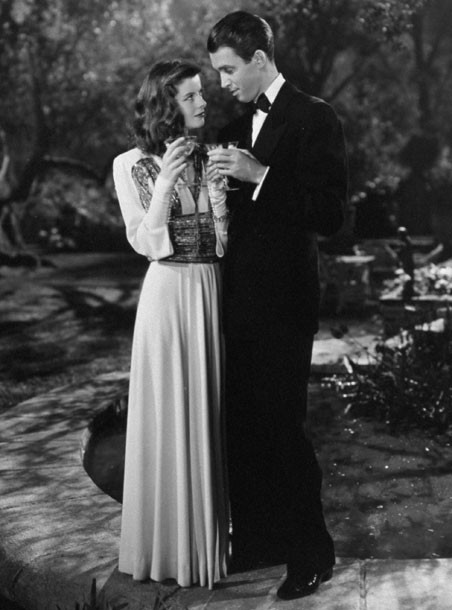
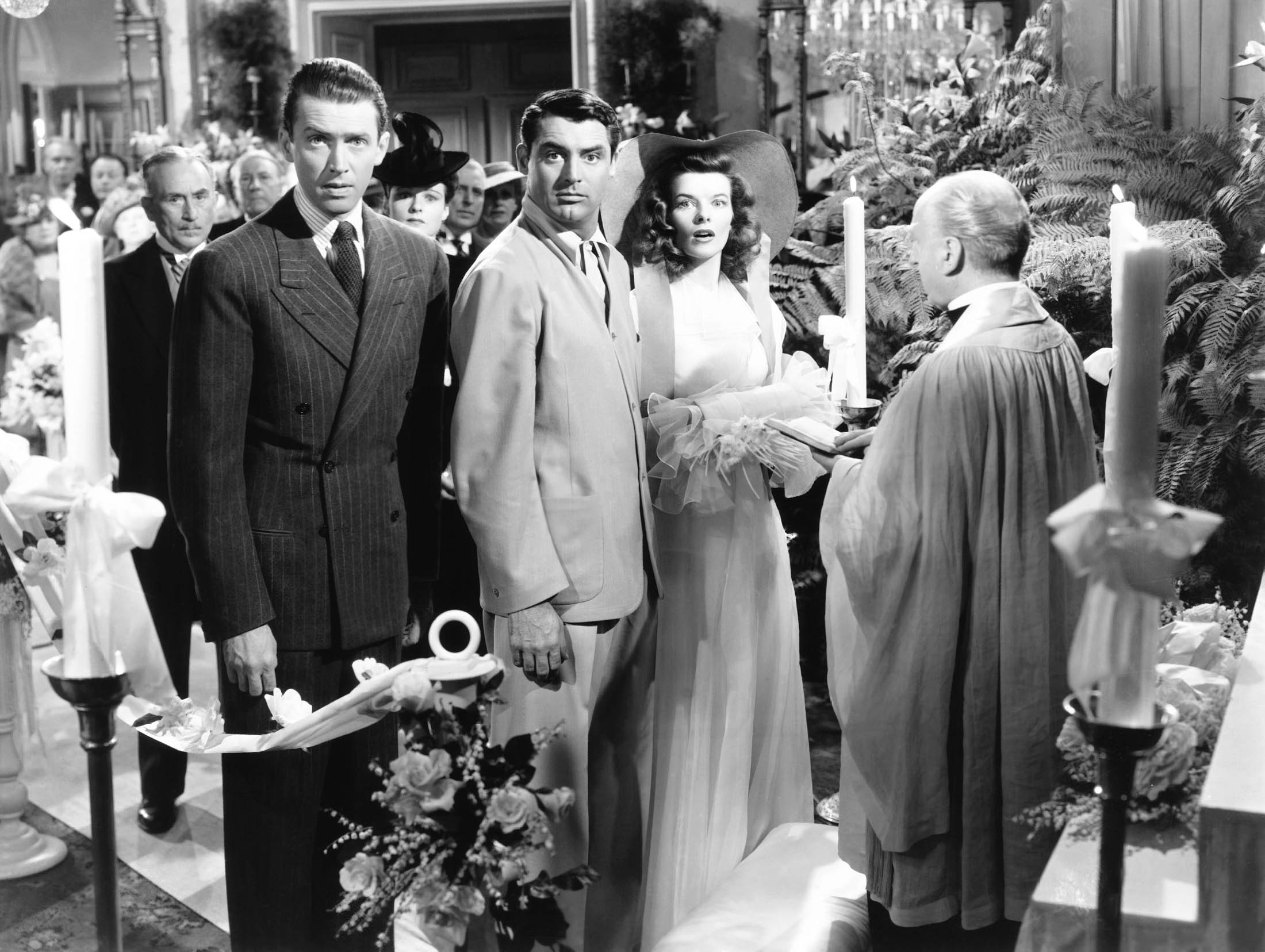
12018-03-09T23:04:50-08:00Philadelphia Story: Sex Quality4Sex Quality is Established: A New Kateplain2018-03-09T23:16:31-08:00Hollywood was not wooing, but Kate knew if they want the film “Philadelphia Story,” they could have to take her too. Philadelphia Story was Kate’s chance to prove to Hollywood and the world that she did have sex quality that she felt precluded her from getting the lead in “Gone with the Wind.”
Exploring the high society life of Tracy Lord, a beautiful and bright but very judgmental and cold socialite, most of the film is devoted to the main men in Tracy’s life telling her that her “magnificence” is intolerable because of these Hepburn-like flaws. However, Hepburn and the Virgin Goddess eventually transform into a passionate woman who has an “understanding heart.” Her reward for conforming to the dominant patriarchal cultural values—remarriage, of course, to her former husband, Dexter. With this film, Hepburn is asserting control over how the intertextual star images that relate to her and her films will be constructed to create identity and meaning. She will still be independent and powerful, often overboard, but she will now be reined in at the end by a man, ensuring the world that the dominant patriarchal society has not been somehow eradicated by a fanatical woman on a silver screen.
Kirtley Baskette’s 1938 Photoplay article, “What happened to Hepburn,” similarly notes that Kate’s “second installment” in Hollywood made Hollywood like her “and believe you me, that is something—considering her roguish record… It’s no secret of course that when Katharine Hepburn shook the star dust of Hollywood from her impudent heels, she was about as popular as the fabled skunk at the garden party. Professionally, she was labeled ‘poison at the box office.’ Privately, she has long been spotted as spoiled, rude, queer, antisocial and snobbish…. [And her] fiery disdain for the Hollywood minions of the press” [is patent].” The article goes on to note that her acting lacks versatility, so much so that Dorothy Parker’s review of Hepburn is that “She runs the gamut of emotion from A to B.”