Scalar's 'additional metadata' features have been disabled on this install. Learn more.
Josie Andrews 412 Midterm ProjectsMain MenuIntroductionThe Ideological Function of Stars: Contradictions and Promises of Individualism.Prompt AnalysisLittle Women (George Cukor 1933)Tomboyism: Negotiating and Celebrating a Strong, Sprited Woman in the Great DepressionSylvia Scarlett (George Cukor, 1936)"Woman of the Year" (George Stevens, 1942)ConclusionBibliographyCATCH ME IF YOU CANThe Contradictions and Promises of Individualism in the Films of Katharine Hepburn 1933-1942Josephine Andrews3a113b8327c230bc7c10dd21f21428c4f7bcd00c
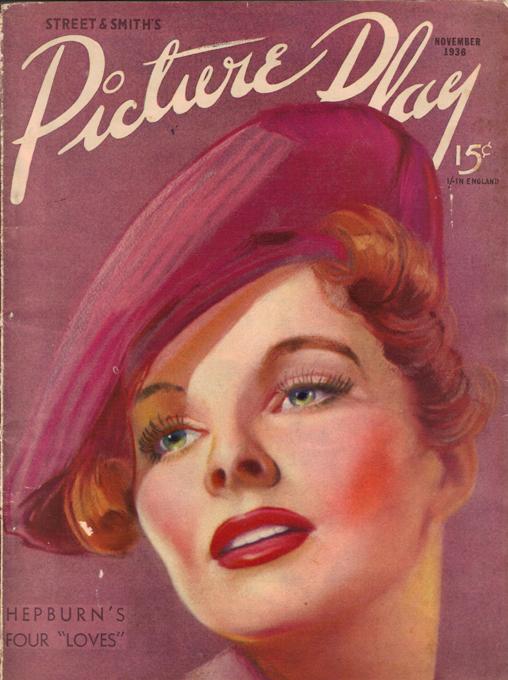
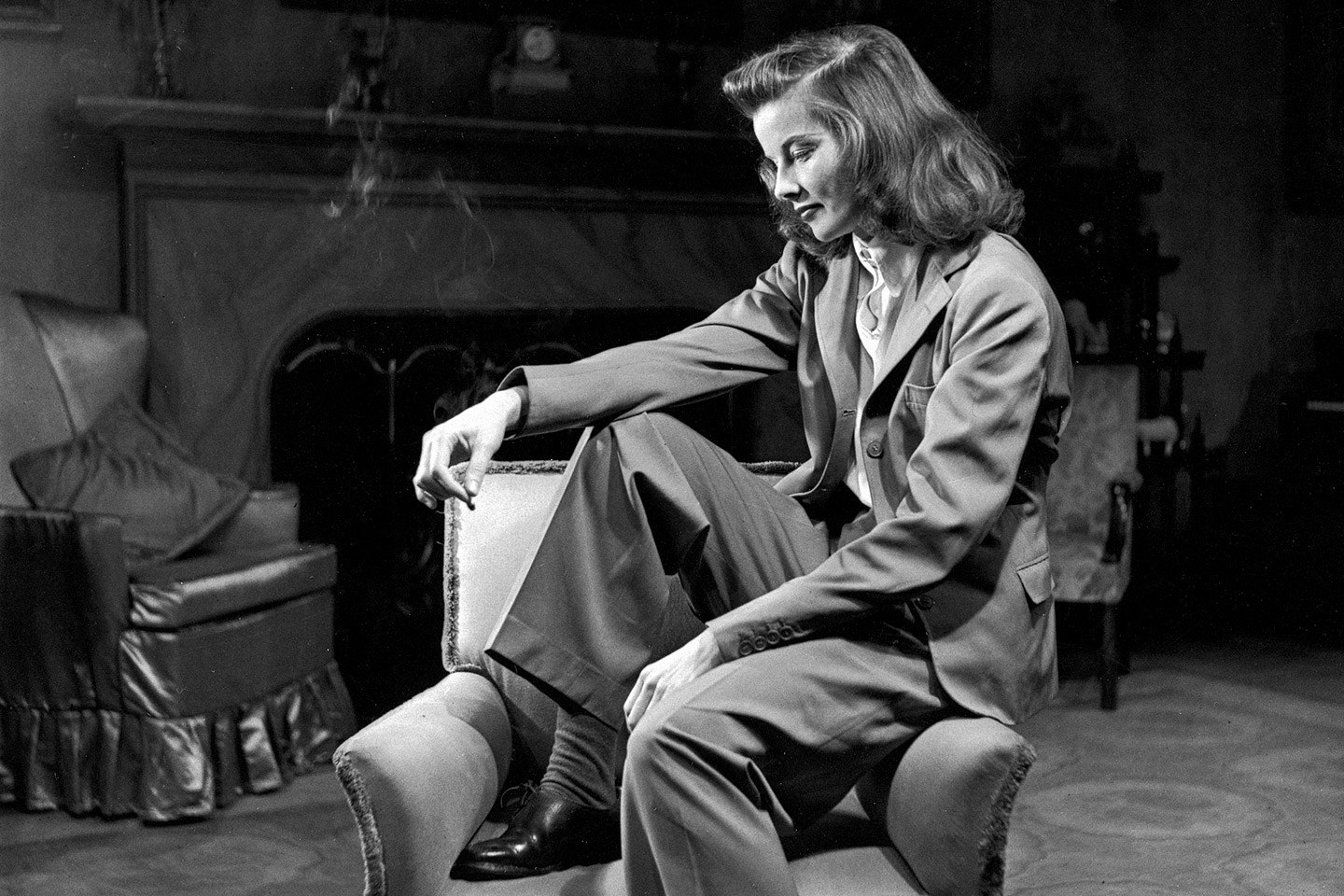
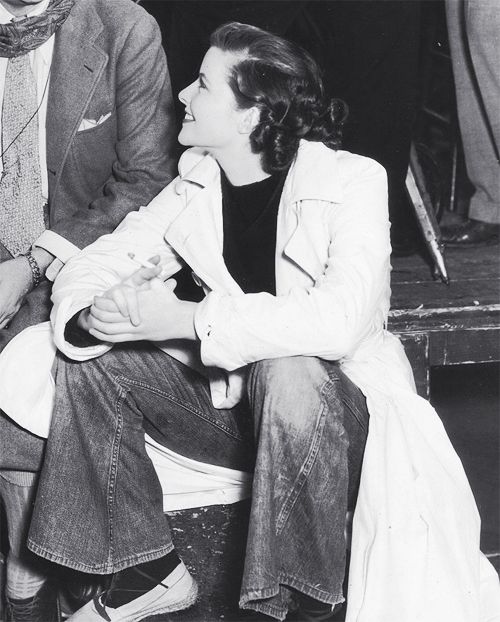
Intelligent and witty, Katherine Houghton Hepburn is Dyer’s quintessential “independent woman,” a “superwoman” who rejects exploiting her femininity but adopts masculine traits to access traditionally male opportunities and privileges (Stars 54). As circulated within fan magazines, promotions, women’s magazines, critical reviews and films, Hepburn’s star image has been one of stark contradiction: housewife versus successful career woman, independent woman free of marriage versus happily married wife, tomboy in slacks (butch) versus consumer goddess (femme).
To show how a star’s trajectory can rise, fall, and rise again based on a star’s (mis) management of the social contradictions constructed about his or her star image, this book will focus on the first decade of Hepburn’s career, 1933-1942, and the “Women’s Films” of Little Women (George Cukor, 1933), Sylvia Scarlett (George Cukor, 1935), The Philadelphia Story (George Cukor, 1940), and Woman of the Year (George Stevens, 1942). The term “Women’s Film” is an “umbrella term referring to Hollywood films of the 1930s to early 1950s created primarily for a female audience” that made a female lead the center of the narrative and focused on women’s problems (Walsh 23).
Each of these films exemplify characters who overcame stereotyped gender roles of women as femme fatales, maternal figures or pin-ups, portraying instead strong, assertive career women. To explore the social contradictions inherent in the star’s image construction, the following pages examine Dyer’s seminal work on star image and the ways stars function in relation to a culture’s contradictions, as well as the images circulated by Hollywood of Katherine Hepburn in these films and elsewhere. The book asks how these star images of Hepburn may have influenced how fans thought of Hepburn, themselves or others.