Sultana's Dream
Publication and Author
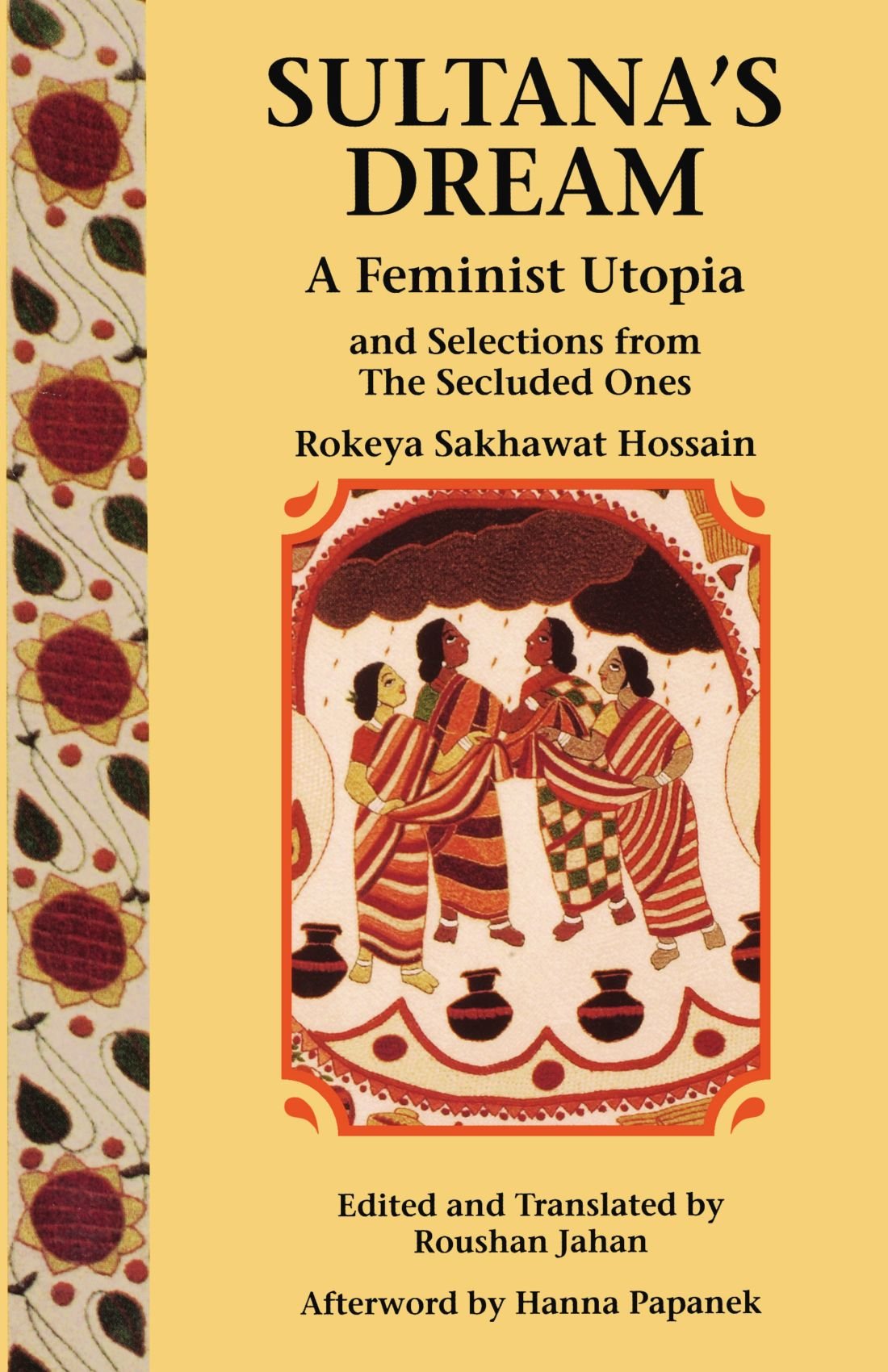
"Sultana's Dream" was written in 1905 by Rokeya Sakhawat Hussain.Though she was born in 1880 to a wealthy Bengali family, Rokeya Sakhawat Hussain did not recieve a formal education, but rather was informally taught and encouraged by her brother. Married at the age of 16 to a deputy magistrate, her husband, who was already a widower at the age of 40, was very supportive of her passion for education and encouraged her own reading and writing.
Like the queen in her story, she helped establish two schools for Indian girls. Using money left behind after the death of her husband, Rokeya opened the first in 1909.
"Sultana's Dream" is said to have been written while her husband was away on business, leaving her at home alone. Supposedly it was written in English to show off her skills in the language to her husband. It is the only story she wrote in English as all later works were written in Bengali. It was subsequently published in The Indian Ladies Magazine.
More of a literary journal, The Indian Ladies Magazine was the the first Indian magazine established and edited by an Indian woman, in English, written by women, for women. Editor Kamala Satthianadhan, wrote in her in her first editorial in 1901, "The main object of the magazine will be to help advance the cause of the women of India... The main influences that are at work in this land, have not appreciably affected the women, the men having benefited more largely than the women in the matter of education and social development. if the people of India are to advance, they should realise that: 'the woman's cause is the man's; they rise or sink together.'" In publication from 1901-1938, it's content addressed topics from social reform, the emergence of Indian identity politics, and shifting concepts of “womanliness." During an era of great change in India, the magazine provided a feminine lens with which to view that change.
Synopsis
The main character, known only by the title as a Sultana, falls asleep in her sitting room. She is awoken by a woman that she mistakes for her friend, Sister Sara. Sister Sara leads the sultana on a walk through a Calcutta she no longer recognizes. Women are everywhere, no longer enclosed in their zenanas, and not a man is in sight.Noticing the sultana's confusion, Sister Sara explains their country's history. When their current queen took power, she established a university solely for women, and changed marriage laws to allow women the chance to be educated. Though the men scoffed, the two female universities developed advanced technologies that allowed them to harness rain and sunlight.
When a war broke out with a neighboring nation, the men were unable to defeat them. Convincing the men to take refuge in their zenanas to preserve their feminine modesty, the women use their solar technology to burn the enemy's army. Supported by her female subjects, the queen decided that the men should remain in the zenanas, and they eventually accepted their new place.
Sister Sara proceeds to bring the sultana to meet the queen in a flying car, but as they leave, the sultana falls from the car and wakes up from this dream.
Theme
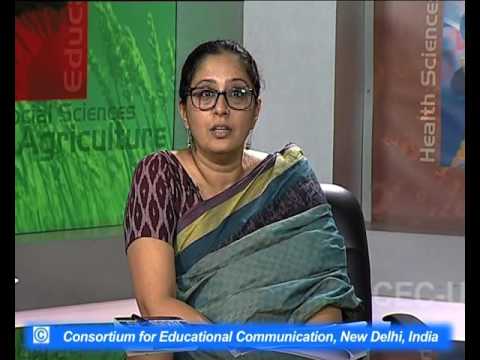
Beyond the common themes explored through this project, ideas of feminist utopia, nature, and war are also explored.In this text, the author explores her own ideas of perfection, and the ideal society by creating a utopic society. The space she creates is clearly structured as a space for women, as the above video points out (starting at 8:50, ending at 10:58). From the first line, the narrator remarks that she was thinking on the "conditions of women," resulting in a dream that comments and perfects the flaws about which she was ruminating.
In this alternate Calcutta, the sultana finds gardens everywhere, and even the roads are paved with moss. As well, the technologies developed by the female universities are focus on natural forces. They harness the powers of of the rain and sun to better their society. Yet, it is only the women that find value in these pursuits. Only women are able to make the earth thrive. For the wishful utopist narrator of Rokeya’s text, Nature and her abundant resources offer alternative power source and thus open the door to a new world where Woman and Nature stand as the unmistakable agents of power.
War and the way it changes societies is another focus of this story. War is the true catalyst of change. With their nation losing the fight, the women take charge, and too tired to argue, the men agree to relinquish control and be shut away. It's almost a different bend on winners writing history. These educated women win the war and have therefore won the control of society as their prize.
Intersection
Female Friendship
Motherhood
Education
This page has paths:
- Herland Sarah Jackson
- Iola Leroy or Shadows Uplifted Sarah Jackson
- Intersectionality in Early Feminist Texts Sarah Jackson
- Intersectionality Gabrielle Borders