Thanks for your patience during our recent outage at scalar.usc.edu. While Scalar content is loading normally now, saving is still slow, and Scalar's 'additional metadata' features have been disabled, which may interfere with features like timelines and maps that depend on metadata. This also means that saving a page or media item will remove its additional metadata. If this occurs, you can use the 'All versions' link at the bottom of the page to restore the earlier version. We are continuing to troubleshoot, and will provide further updates as needed. Note that this only affects Scalar projects at scalar.usc.edu, and not those hosted elsewhere.
EUROPETRARCAMain MenuCriticism on the translation of the CanzoniereThe CanzonierePictures of the sonnets in Italian editionsRVF 134RVF 140Canzoniere (Rerum Vulgarium Fragmenta), no. 190Pictures of the translationsEnglish translationsSir Thomas Wyatt's translation of n. 134Sir Thomas Wyatt's translation of n. 190Sir Thomas Wyatt's translation of no. 140Surrey's translation of RFV no. 140Spanish translationsTranslations of the CanzoniereTranslatorsGuillaume Coatalen8bdf6cd348219dbe6c00f0b6eea1a0fa636bbbff
The aim of the database is to encourage the study of the spread of Petrarchism in Europe from the publication of the Canzoniere to the present age. The database will contain all translations, both pictures and transcriptions, in European vernacular languages of the Canzoniere from the earliest to the most recent. Translations cover translations proper, imitations and rewritings.
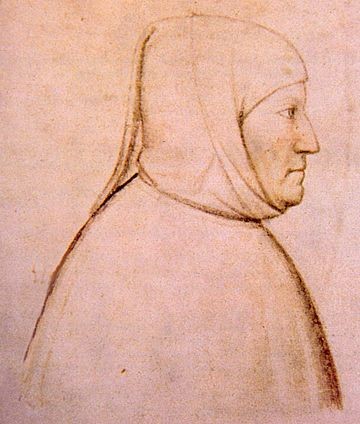
Francesco Petrarca, or Petrarch, (1304-1374) was an Italian scholar, a humanist and a poet. He notably rediscovered Cicero's letters, which partially led to what is commonly called the Renaissance in the 14th century. The Canzoniere which circulated in beautifully illuminated manuscripts was first printed in 1470. The collection rapidly became the most influential source for European lyric poetry well beyond the 19th century. His sonnets in particular became models for virtually all sonnets written after him, and the Canzoniere turned the sonnet into the most successful genre in the history of European poetry.
12016-05-28T08:37:54-07:00Guillaume Coatalen8bdf6cd348219dbe6c00f0b6eea1a0fa636bbbffTranslations of the Canzoniere9plain2017-11-12T14:17:28-08:00Guillaume Coatalen8bdf6cd348219dbe6c00f0b6eea1a0fa636bbbff
12016-05-29T01:58:56-07:00Guillaume Coatalen8bdf6cd348219dbe6c00f0b6eea1a0fa636bbbffCriticism on the translation of the Canzoniere7plain2016-05-30T00:59:00-07:00Guillaume Coatalen8bdf6cd348219dbe6c00f0b6eea1a0fa636bbbff