Thanks for your patience during our recent outage at scalar.usc.edu. While Scalar content is loading normally now, saving is still slow, and Scalar's 'additional metadata' features have been disabled, which may interfere with features like timelines and maps that depend on metadata. This also means that saving a page or media item will remove its additional metadata. If this occurs, you can use the 'All versions' link at the bottom of the page to restore the earlier version. We are continuing to troubleshoot, and will provide further updates as needed. Note that this only affects Scalar projects at scalar.usc.edu, and not those hosted elsewhere.
1media/1990s_collage.jpg2020-11-15T14:31:17-08:00the Historical Museum at Fort Missoula2ed0a4c76b15fe2d208dedaebb1fcaaa8b4d9c383791410plain2020-12-01T10:21:58-08:00the Historical Museum at Fort Missoula2ed0a4c76b15fe2d208dedaebb1fcaaa8b4d9c38Exhibit ContentsThe 1990s in Montana were the culmination of a decades-long shift away from a natural resource extraction based economy. The mining industry in Butte vanished almost completely, and focus shifted to the massive task of cleaning up the now closed mines. In and around Missoula, the last of the lumber yards closed, bringing an end to the industry that had created and defined the area. Farming continued to be an important part of the economy, but as the industry became increasingly dominated by large-scale corporate farms, small family farmers and ranchers struggled to make a living. In an exception to the trend, an oil boom in eastern Montana drew hundreds of people to the region to work the oil fields. The 1990s also saw a rise in extremism and race-based hate crimes in Montana. Several high profile extremist groups based themselves in the state, culminating in an 81 day standoff between members of the Montana Freedmen and the FBI in 1996. However, the visibility of hate crimes also sometimes brought communities together, as White Montanans stepped up to protect and support their neighbors.
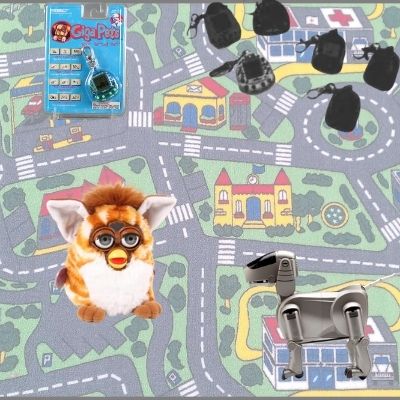
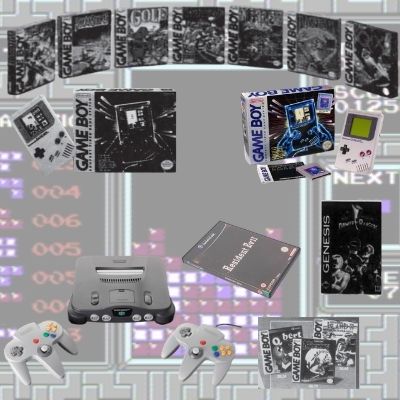
The internet as we know it today emerged in the 1990s, and became an increasingly important part of people's lives throughout the decade. The internet allowed Montanans to build connections with people from very different parts of the world, as forums, chatrooms, and instant messaging became a staple of young people's lives. Video games also broke fully into the mainstream, and the Nintendo Game Boy became the bane of many teachers' and parents' existences as children tried to get away with playing games instead of paying attention in school. Children in the 1990s gravitated towards electric toys, with robot pets joining video games as the most popular toys of the decade.
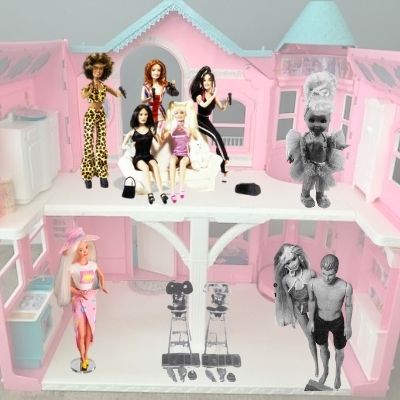
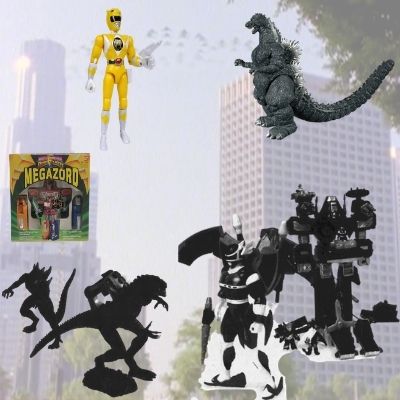
Here's a look at what Montana's children played with and asked for during this decade:
1media/1990s_collage.jpg2020-10-17T10:26:58-07:00the Historical Museum at Fort Missoula2ed0a4c76b15fe2d208dedaebb1fcaaa8b4d9c381990sthe Historical Museum at Fort Missoula3splash10211412020-11-29T12:49:30-08:00the Historical Museum at Fort Missoula2ed0a4c76b15fe2d208dedaebb1fcaaa8b4d9c38
This page references:
1media/1990s_video games_thumb.jpg2020-11-29T10:34:38-08:001990s_video games1Video games and consolesmedia/1990s_video games.jpgplain2020-11-29T10:34:42-08:00
1media/1990s_pets_thumb.jpg2020-11-29T11:07:36-08:001990s_pets1Robotic and virtual petsmedia/1990s_pets.jpgplain2020-11-29T11:07:36-08:00
1media/1990s_barbie_thumb.jpg2020-11-29T11:55:34-08:001990s_barbie1Barbies and Barbie accessoriesmedia/1990s_barbie.jpgplain2020-11-29T11:55:34-08:00
1media/1990s_action figures_thumb.jpg2020-11-29T09:52:06-08:001990s_action figures1Power Rangers and Gozilla toysmedia/1990s_action figures.jpgplain2020-11-29T09:52:07-08:00