Thanks for your patience during our recent outage at scalar.usc.edu. While Scalar content is loading normally now, saving is still slow, and Scalar's 'additional metadata' features have been disabled, which may interfere with features like timelines and maps that depend on metadata. This also means that saving a page or media item will remove its additional metadata. If this occurs, you can use the 'All versions' link at the bottom of the page to restore the earlier version. We are continuing to troubleshoot, and will provide further updates as needed. Note that this only affects Scalar projects at scalar.usc.edu, and not those hosted elsewhere.
Cragmor Sanatorium Main MenuTuberculosisCragmor SanatoriumCragmor Doctors and StaffCragmor PatientsCragmor Bankruptcy/BailoutCragmor Photo GalleryResourcesJessica Precht and Jessica Scottad97e8f052daf68272a058c17affce0374d09fc7
Patient Restructuring
12016-03-13T12:45:12-07:00Jessica Precht and Jessica Scottad97e8f052daf68272a058c17affce0374d09fc7838912plain2016-04-28T10:54:32-07:00Jessica Precht and Jessica Scottad97e8f052daf68272a058c17affce0374d09fc7Cragmor’s new non-profit standing paved way for a new grouping and social standing of patients. Some of the most prominent groupings of patients included: Military, Navajo, and Railroad Workers.
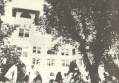
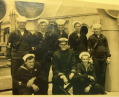
Military In 1939, the United States was again involved in a war, World War II. Since Cragmor was now open to the public, it saw a huge grouping of soldiers and military patients. In February of 1947, a massive grouping of military personally 50 vets were transferred from Denver to Cragmor’s “New Building”. This gave the military patients advancement in treatment and overall better living conditions. It was said that they enjoyed the area and the young staff and patients of Cragmor. Unfortunately their excitement for these elements, caused Cragmor to jump into a bit of chaos. The soldiers were far too carefree and caused problems among the male and female patients of Cragmor.
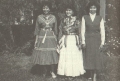
Navajo In 1952, the federal government and Cragmor made an agreement to house Navajo patients on the grounds of Cragmor. The contract benefited Cragmor financially. Over 70 Navajo patients were brought to Cragmor for care.
Railroad Workers In Spring of 1943, due to the non-profit bailout and lack of limitations on ailments that were treated, a large quantity of railroad workers were admitted to Cragmor. The railroad workers were admitted for treatment for syphilis and kept in closed quarters as often as possible to avoid interaction among female and male patients. This only added to the distress and chaos Cragmor was experiencing.
This page has paths:
1media/great-depression.jpg2016-03-13T12:44:37-07:00Jessica Precht and Jessica Scottad97e8f052daf68272a058c17affce0374d09fc7Cragmor Bankruptcy/BailoutJessica Precht and Jessica Scott9image_header2016-05-01T14:41:58-07:00Jessica Precht and Jessica Scottad97e8f052daf68272a058c17affce0374d09fc7
This page references:
12016-04-27T14:45:43-07:00Chase Stone - Military Image1Courtesy Pikes Peak Library District - Stone Papersmedia/military.PNGplain2016-04-27T14:45:43-07:00
12016-04-28T10:52:54-07:00Navajo Patients1Courtesy of University of Colorado - Colorado Springsmedia/navajo 2.jpgplain2016-04-28T10:52:54-07:00
12016-04-28T10:53:22-07:00Navajo Patients 21Courtesy of University of Colorado - Colorado Springsmedia/navajo.jpgplain2016-04-28T10:53:22-07:00