This page was created by Keagan Fowler.  The last update was by AVRC.
Carleton Place Heritage Project

Bringing it Together

Page

resourcerdf:resourcehttps://scalar.usc.edu/works/carleton-place-heritage-project/bringing-it-together
typerdf:typehttp://scalar.usc.edu/2012/01/scalar-ns#Composite
is livescalar:isLive1
was attributed toprov:wasAttributedTohttps://scalar.usc.edu/works/carleton-place-heritage-project/users/30909
createddcterms:created2022-02-22T12:59:57-08:00

Version 2

resourcerdf:resourcehttps://scalar.usc.edu/works/carleton-place-heritage-project/bringing-it-together.2
versionnumberov:versionnumber2
titledcterms:titleBringing it Together
descriptiondcterms:descriptionRiverside Parks: Cultural Landscape
contentsioc:contentSlightly down the river from the Carleton Place Waterworks, and connected by a trail, is the main portion of Riverside Park. Within the landscape, the park and Waterworks exist alongside one another with the Waterworks situated on the outskirts of the park. As we have seen, Canadian cities and towns introduced parks as a response to industrial progress as parks serve as quick escapes from the city, which provide space for leisure, community gathering, and scenic viewing. In Carleton Place, the park space is used for fundraisers, tree-planting, sporting events, and more. Visitors to the park act upon the land in such a way that Riverside Park becomes part of the town’s cultural landscape, building a sense of community.

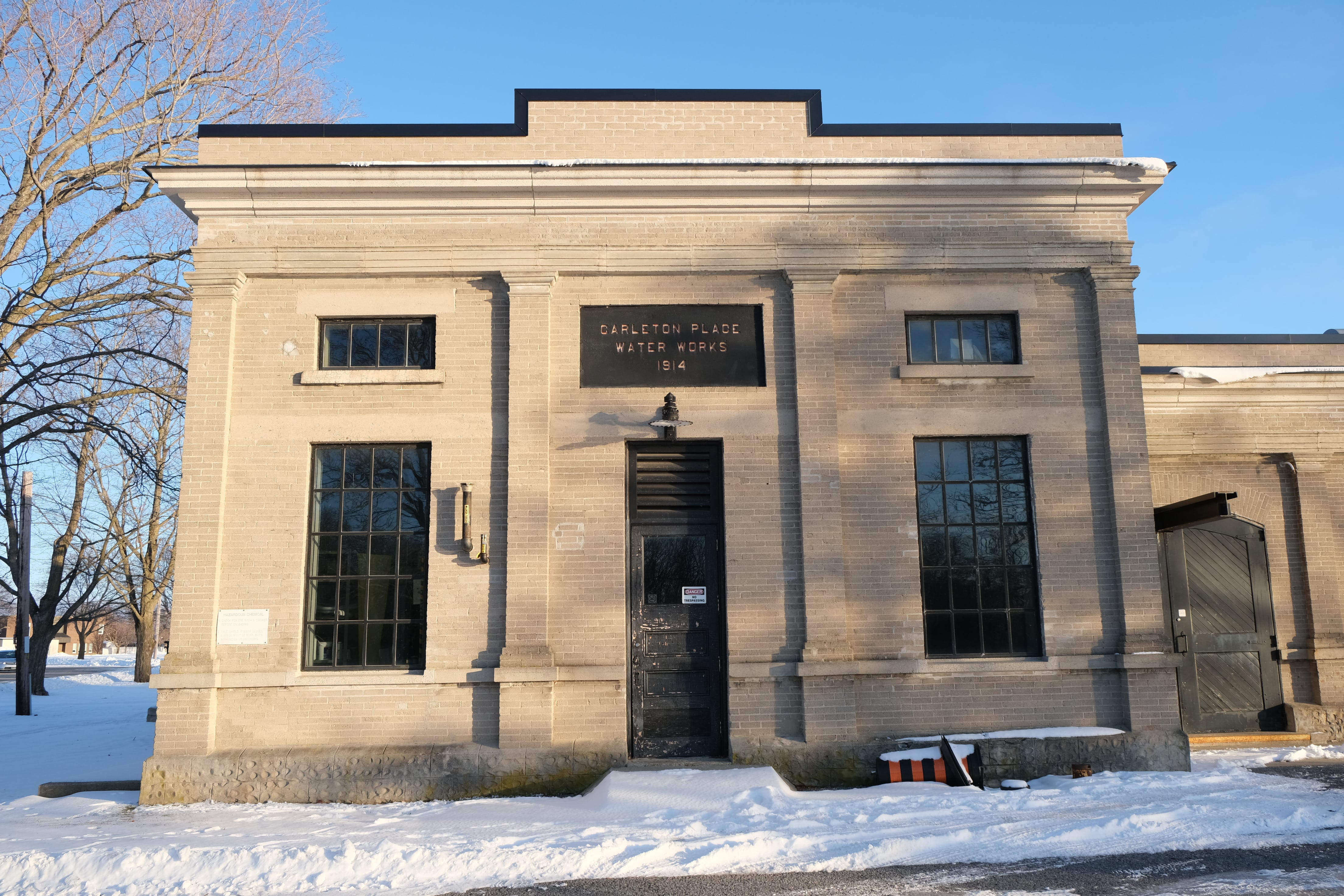
The Waterworks structure down the trail represents the town’s growth and prosperity as well, albeit in a different manner. Crucially, the Waterworks provides infrastructure and service to various buildings throughout the town. Although the impact of the Waterworks building to the cultural landscape is unseen, its classical exterior is emblematic of town prosperity. A large sum of money was at stake when McAllister brought the Waterworks to life (The Citizen, October 18, 1907), and a workforce of immigrants was introduced to the town to complete the work expediently (Carleton Place Local History). These were grand decisions for the town, so an equally grand style was used, similar to the RC Harris Water Treatment Plant in Toronto. This style also lends itself to maintaining the pleasant scenery promoted by the park, by disguising the function of the Waterworks within a classically inspired structure. It is ultimately through the classical exterior that the Waterworks building is able to sit alongside Riverside Park and be a part of the cultural landscape that the park promotes and performs.
 
default viewscalar:defaultViewplain
was attributed toprov:wasAttributedTohttps://scalar.usc.edu/works/carleton-place-heritage-project/users/4865
createddcterms:created2022-03-16T13:31:00-07:00
typerdf:typehttp://scalar.usc.edu/2012/01/scalar-ns#Version

This page has paths:

  1. The Waterworks: Position in a Cultural Landscape | Keagan Fowler Purity Gituma

This page references: