Conclusion: Language as a Medium for Activism and Liberation
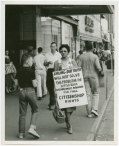
We have looked closely at a few ways in which the Civil Rights Movement was fought not only in the streets, in schools, and in the courtrooms, but also at the level of language. The reality is that language encoded oppression in the 60s and 70s--with racist slurs, inequitable laws, rumor, and journalistic propaganda--but language in the hands of writers and activists was also a medium for liberation. Writers, poets, clergymen, and political leaders, and other activists used language to lead the way through uncertain, but also exhilarating times.
We have seen that there are certain distinctive linguistic strategies used to “break language” in the struggle for independence and civil rights. For example:
1) to break the ways in which race has been encoded in law and in elite power structures so that self-representation of identity can come to the fore (incorporating autonyms, oral storytelling strategies, community-based epistemologies, etc.)
2) to break the ways in which power and authority inflected in law, commonly accepted morality, religion, etc. have been used to stratify social, racial, and ethnic classes
3) to use parody and other forms of criticism in order to expose oppressive authority
4) to reclaim language that has been used to deride, categorize, stereotype, and otherwise limit the freedom of anyone or any group of people
5) to use code meshing and other forms of hybridity, among other literary strategies.
TODAY: #BlackLivesMatter and #PussyPower