Scalar's 'additional metadata' features have been disabled on this install. Learn more.
Mapping Black São PauloMain MenuIntroductionMapping Black Culture in São PauloExplore the locations of Black culture in Brazil's largest city.Chronology of Black Culture in São PauloLearn when Afro-Brazilian culture took place in the city.Browse Black Culture in SPExplore the diversity of Afro-Brazilian cultural expression.KeywordsLearn about the different types of Afro-Brazilian traditions, histories, and artistic expressions.ContributorsLearn about the team that created the project.
Map of Sao Paulo
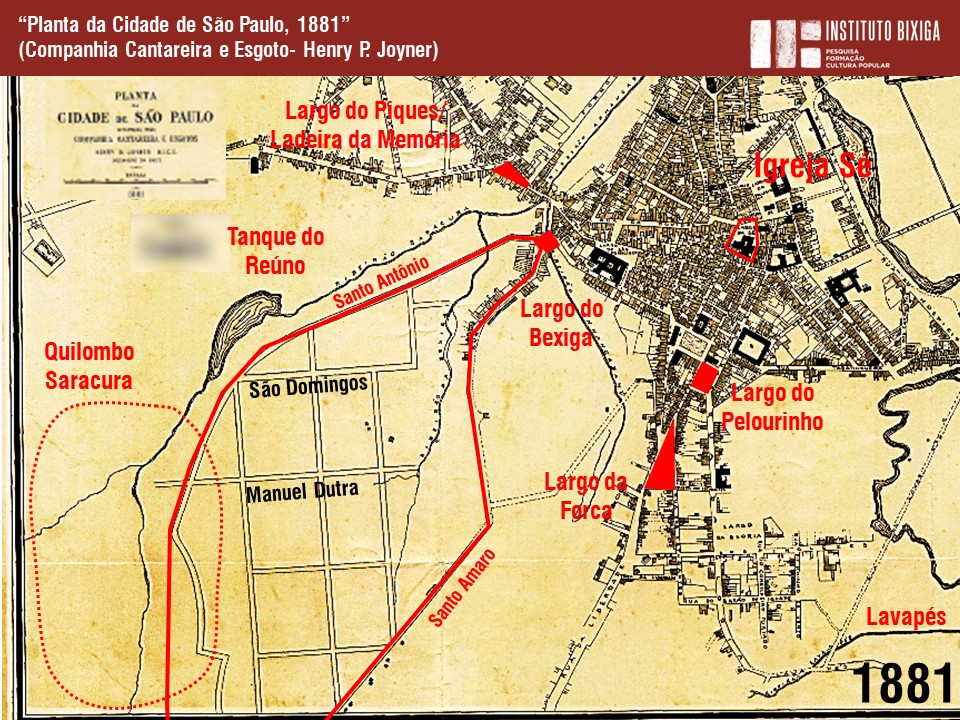
1media/Territorio-do-Bixiga_Quilombo-Saracura_thumb.jpg2024-04-28T22:23:14-07:00Kelaiah Carey8becdb55144154441fa40e90ed448d6e11bfd99e393212City plans for Sao Paulo from 1881plain2024-04-28T22:44:24-07:00Kelaiah Carey8becdb55144154441fa40e90ed448d6e11bfd99e
This page is referenced by:
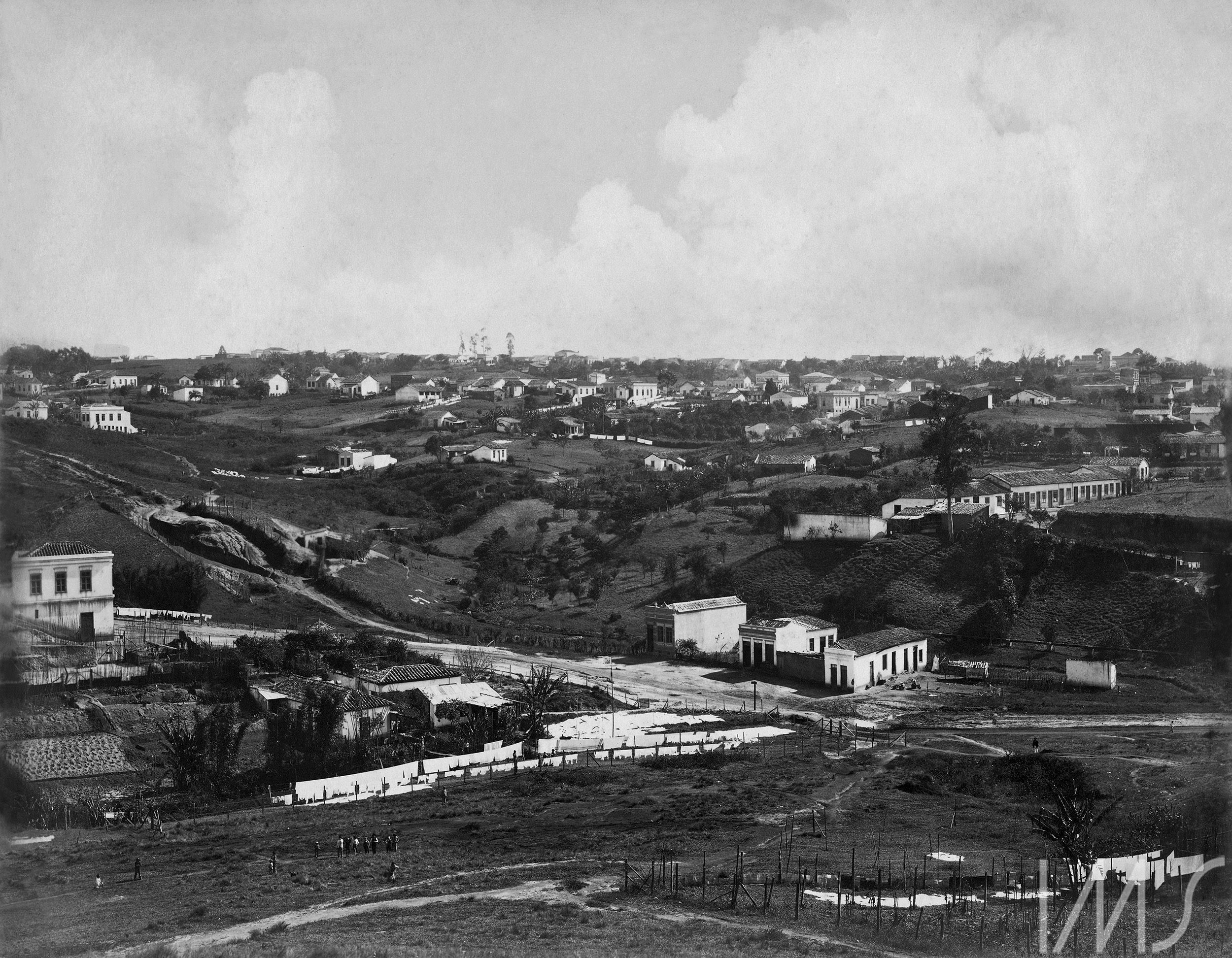
1media/Vale_do_Saracura_-_Vincenzo_Pastore.jpg2024-04-05T09:56:56-07:00Saracura Quilombo21plain2024-04-28T22:43:30-07:00In the 19th century, the Saracura Quilombo developed in the Saracura River Valley as a safe place for enslaved people that ran away from the slave markets in Largo de Memoria. The valley's geography, river, and dense vegetation provided a source of food, survival, and work for the quilombolas. As the black community grew, it became the foundation for the Bixiga neighborhood.
Recently, during an excavation for a station on the 6-Orange Metro Line, archaeological remains from the Quilombo site were uncovered. The discovery of these artifacts incited the formation of the Mobiliza Saracura Vai-Vai Movement, a group formed by Bixiga residents in demand for the preservation of the archaeological site and the renaming of station 14 Bis to Saracura Vai-Vai Station.