Thanks for your patience during our recent outage at scalar.usc.edu. While Scalar content is loading normally now, saving is still slow, and Scalar's 'additional metadata' features have been disabled, which may interfere with features like timelines and maps that depend on metadata. This also means that saving a page or media item will remove its additional metadata. If this occurs, you can use the 'All versions' link at the bottom of the page to restore the earlier version. We are continuing to troubleshoot, and will provide further updates as needed. Note that this only affects Scalar projects at scalar.usc.edu, and not those hosted elsewhere.
Modern Architectures of North AmericaMain MenuHelp! Help! Help!SuburbiaArchitecture Relating to the Natural EnvironmentPatients, Prisoners, PoliticsIdentity: What Lies Beneath Style and FormErica Morawski - The Hotel Nacional de Cuba: Making Meanings and Negotiating NationalismsAmanda - Organic Architecture/F.L. WrightSteph - Moorish Revival ArchitectureBrittney - Sustainable Urban DesignsThe Shift: Art Deco & Modernismby Bayleigh BoganTransition to Streamline ModerneSydney - The Coppelia Ice Cream Shop in Havana, Cuba: A Cultural Moment ManifestedKatie - LevittownGenevieve - The Multifaceted Development of Creole ArchitectureThe Former Church of the Holy Communion: A Specific Example of Change and Adaptation of a Single Building Over TimeRe-Purposing a Religious BuildingZarah Ferrari: Tule Lake Segregation Center: Rising Above an Unjust SystemZarah FerrariLaura - The Suburban Kitchen in Levittown, PABy Laura Krok-HortonMarianna Mapes, Disease and the Body Politic: The National Leprosarium at Carville, LouisianaLiz - Eichler, Neutra, and the mid-century Californian SuburbV. Nash- Berkeley City Women's Club (1929), Berkeley, CA, Julia MorganJulia Morgan was a West Coast architect.Metropolitan Museum of Art: A Transition to ModernismBrendan - Academy of Music
Change and Adaptation
1media/2448_14162743727.jpgmedia/2448_14162743727.jpg2016-04-07T07:56:43-07:00Diana Barnettd5f924992e8dcd7fa8259d479114595daa9ada9f818045vispath2352022016-04-18T17:16:04-07:00Lisa Feiden27d4a46eaa1610b6ff38aba59a23586c142081ceARH 218 - Smith College - Spring 2016
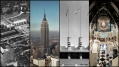
Over time, there are shifts in thinking as well as economic changes. This change is reflected in architecture. In the search for an appearance that reflects the modern times, architects explored different ways in which the form and material could accommodate economic restrictions as well as reflect changing identities. For example, the additions that have been added to the Metropolitan Museum of Art reflect the changes in architecture and modernity from the times they were built. The Art Deco movement from the early 20th century shifted from classic the European style to the idea of modernism. Due to economic restraints caused by the Great Depression, the Streamline Moderne style emerged. While shifts in thinking can change the style of architecture, the purpose of a single building can also change over time based on the needs of the community and the public.
In this page, you will first read about the Metropolitan Museum of Art in New York City. Second, you will read about the Art Deco movement early 20th century. Third, you will read how the Streamline Moderne style was created as a response to the Art Deco movement. Last, you will see a specific example of the ways in which a single building, a former church, can change over time from nightclub to marketplace to gym and resturant.
This page has paths:
1media/EichlerFloorplan1224.jpg2016-02-15T11:54:11-08:00Brendan O'Connellebfc3d10f3e31650b3aa34b91ad42e84b7c1f7baARH 218 - Smith College - Spring 2016Erica Morawski50vistag2352022016-04-23T04:33:29-07:00Erica Morawskia7252cccd731863566ea2a97321995d06b6810e3
Contents of this path:
1media/Screen Shot 2016-04-08 at 1.48.20 PM.png2016-02-15T11:52:51-08:00Brendan O'Connellebfc3d10f3e31650b3aa34b91ad42e84b7c1f7baMetropolitan Museum of Art: A Transition to Modernism55image_header2016-04-19T07:40:57-07:00Guangzhi Sun6f8f30d8c73c0010354b36bd194655b904c61bf2
12016-02-15T11:49:48-08:00Brendan O'Connellebfc3d10f3e31650b3aa34b91ad42e84b7c1f7baThe Shift: Art Deco & Modernism48by Bayleigh Boganplain2016-04-12T08:00:18-07:00Bayleigh Bogan2ce9c0fb81ef42a80a6ec9998ef0cab291fbcd71
12016-02-16T07:46:44-08:00Brendan O'Connellebfc3d10f3e31650b3aa34b91ad42e84b7c1f7baTransition to Streamline Moderne37plain2016-04-07T08:41:35-07:00Diana Barnettd5f924992e8dcd7fa8259d479114595daa9ada9f
1media/EichlerFloorplan1224.jpg2016-02-15T11:54:11-08:00Brendan O'Connellebfc3d10f3e31650b3aa34b91ad42e84b7c1f7baARH 218 - Smith College - Spring 2016Erica Morawski50vistag2352022016-04-23T04:33:29-07:00Erica Morawskia7252cccd731863566ea2a97321995d06b6810e3
This page references:
12016-04-17T11:44:46-07:00Split Picture1Four examples of change and adaptation in architecturemedia/Split.jpgplain2016-04-17T11:44:46-07:00