Thanks for your patience during our recent outage at scalar.usc.edu. While Scalar content is loading normally now, saving is still slow, and Scalar's 'additional metadata' features have been disabled, which may interfere with features like timelines and maps that depend on metadata. This also means that saving a page or media item will remove its additional metadata. If this occurs, you can use the 'All versions' link at the bottom of the page to restore the earlier version. We are continuing to troubleshoot, and will provide further updates as needed. Note that this only affects Scalar projects at scalar.usc.edu, and not those hosted elsewhere.
Digital Exhibits: Ancient Art 203Main MenuAncient ArtTable of ContentsSample Exhibit - Herakles in Greek ArtDepictions of Herakles in Greek ArtAngyal- The Culture of Pre-Columbian TimesThis exhibit displays the important symbols culture during ancient Pre-Columbia.Aversa- Ancient FacesThe collection includes portraits of many Ancient faces made of marble, limestone, bronze and black basalt.Brookes - Sculptures Of The GodsA look at Sculptures of Gods during the classical and hellenistic period of Greek history. This will tell you the stories of the Gods being shown and the growth of realism during this period.CERMINARA-Ancient Greek FigurinesExploration of different Terracotta figurines from ancient GreeceCooke -- Black Figure Art from Ancient GreeceThis page will highlight some works that were made using black figure, which is named for the color of the figures depicted in the art.Costa- Death and AfterlifeFoley - Statues and figures of Greek MythologyMy theme is Greek Mythology in the forms of statues and figuresFowlerHow the human body is depicted through Ancient ArtHarris - Greek AthletesThe Olympian games began in Greek times. These pieces will depict Greek Athletes doing the gamesJoseph - Hellenistic ArtThe Hellanistic art style focuses on realistic, natural human forms. Straying away from the rigid unnatural forms of ancient sculpture styles before it.Lamon- Mythical Creatures in Greek and Cycladic ArtThis exhibit will take a look at how Mediterranean civilizations depicted a few mythical beasts throughout different periods.Leszczynski - Late Minoan, Creature, Covered, GemsA collection of Lentoid gems engraved by Minoan craftsman. Some served a useful purpose as seals. This collection spans the Late Minoan I-II period to the Late Minoan II-IIIA period.McDonough - Medusa in Ancient Greek ArtA look at one of Greek mythology's most feared creaturesMeehan - Ancient Spartan ArtPopular Art and Customs of Sparta and LaconiaNelson - Ancient Egyptian StatuesThis digital exhibit displays a collection of statues from Ancient EgyptRamos- Marble FigurinesFemales figurines are an important part of ancient Greeks art history .Raquet- The Acropolis ReunitedPutting the Parthenon back togetherSHORT - Representations of the Minotaur and His StorySmithKali - Depictions of the Human BodyStarrs--Art of the Trojan WarA sampling of pottery inspired by the mythical Trojan War.Wible - AphroditeMy theme is the representation of Aphrodite through different types of art.Danielle Bennett672675c081461104799d4151a54a1faf0c800419
12017-10-12T12:32:19-07:00Angyal- The Culture of Pre-Columbian Times31This exhibit displays the important symbols culture during ancient Pre-Columbia.plain2017-10-13T11:37:29-07:00Introduction
The theme I chose was based around Pre-Columbian art and the objects that best represented that era during 13,000 BCE up to Christopher Columbus' arrival. When looking deeper into what Pre-Columbia was, it centered around the people of the Caribbean, North, South, and Central Americas between the 15th and 16th centuries. During the time before the landing of Christopher Columbus, the natives of the land had a deep culture when it came to art. Since Pre-Columbian cultures didn't have a writing system, they relied on art to express their views on religion, politics, and anything else going on. Different types of pottery defined the culture of Pre-Columbia, and it helps give the viewer on what life was like during those times.
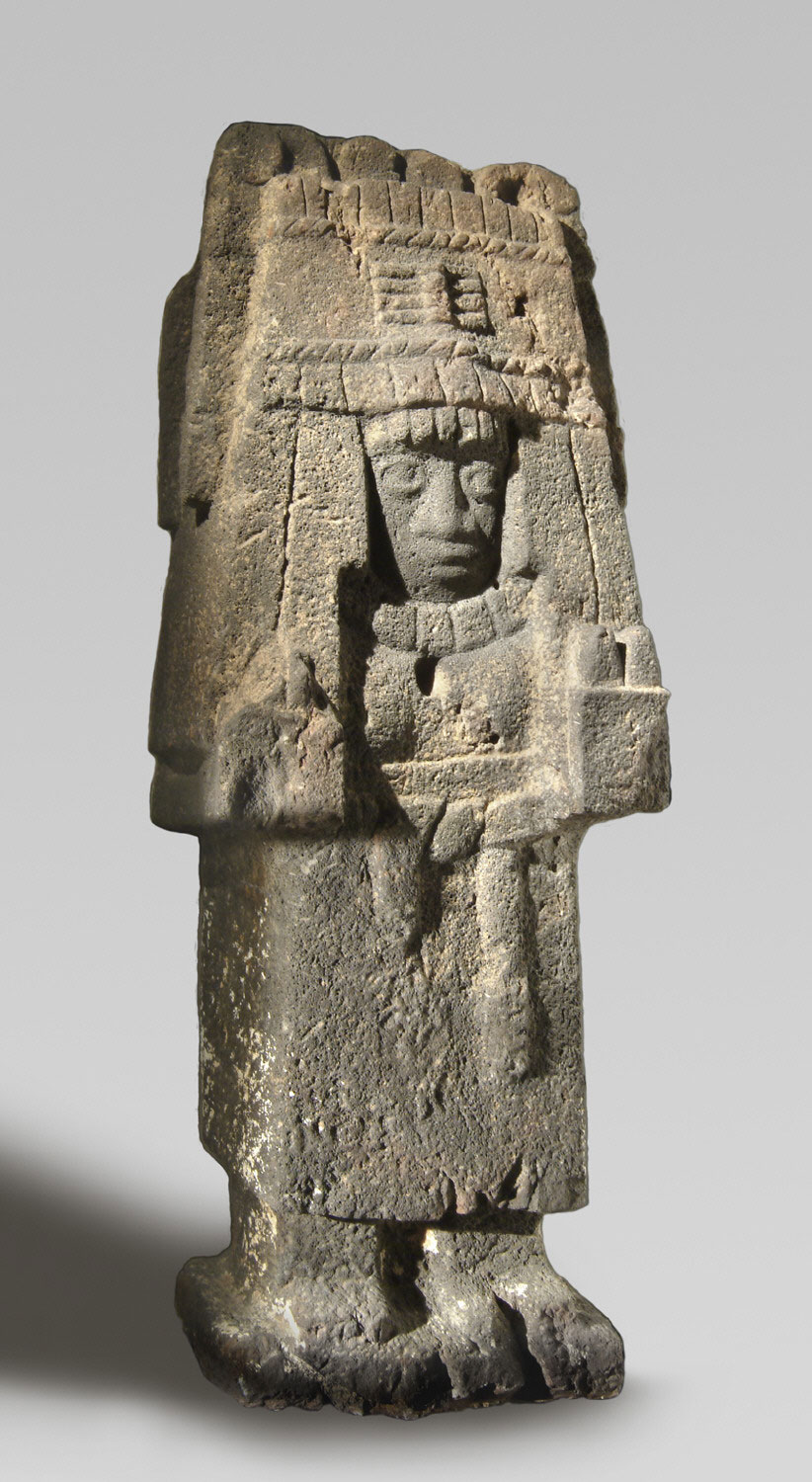
Corn Goddess
People of Central America believed in different gods and goddesses that related to harvest. The corn goddess represented fertility as well. However, the Maya believed in basing their calendar off of the harvest. Since religion was a huge part of Pre-Columbian culture, the different corn goddesses would help make sure each yearly harvest was successful. The corn goddess statue shown is a stone-like figure, with the figure having a large nose and many decorations around her.
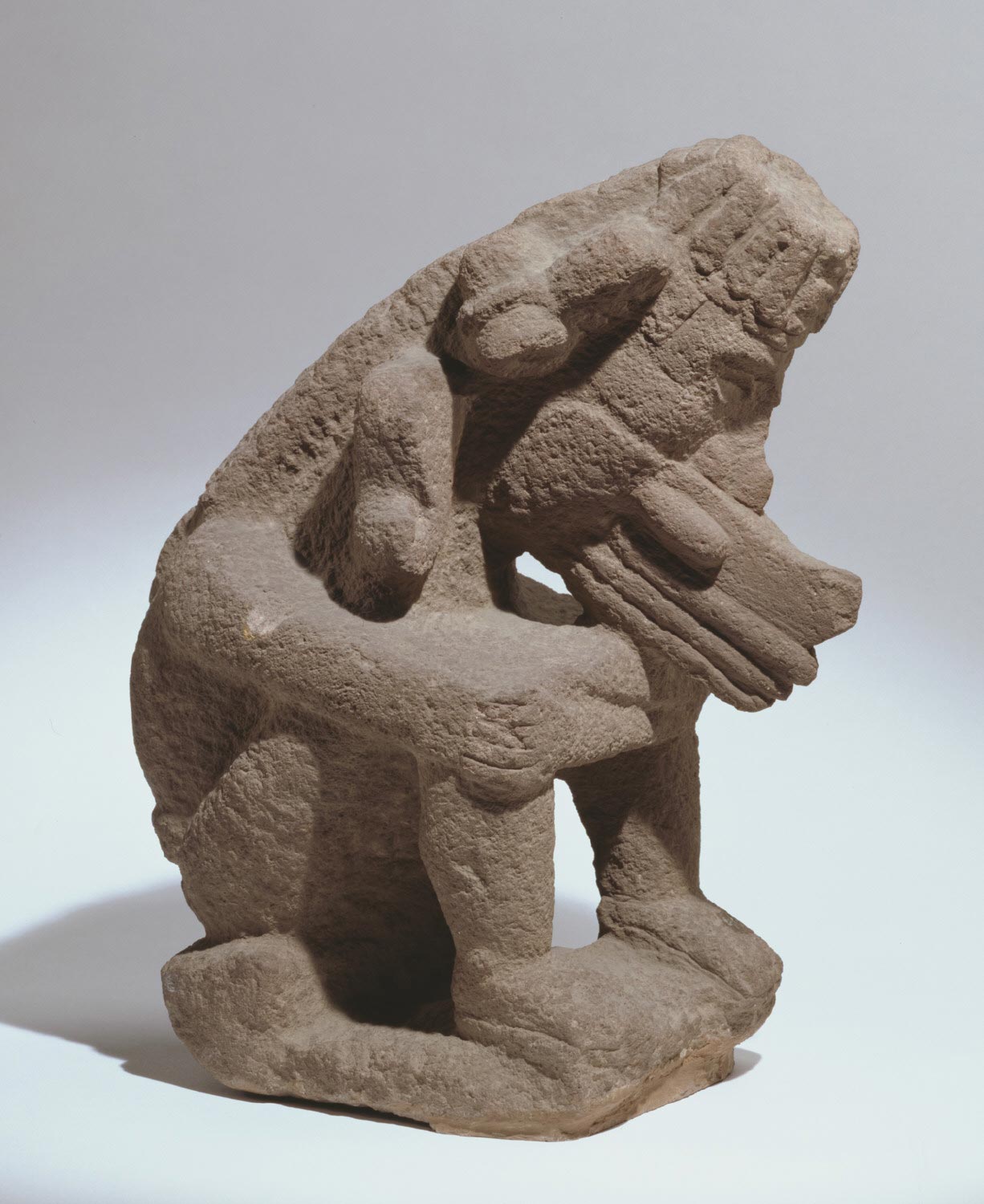
Wind God Bouncing off of how different gods and goddesses symbolized crops, there were also deities who represented weather patterns. For instance, the wind god Ehecatl falls into this category. Not only was he a Mesoamerican god of winds, but also brought rain. The name Ehecatl translates to "wind", and is notoriously regarded as a manifestation to the serpent god Quetzalcoatl. Ehecatl is also regarded as the patron god of merchants as was known for his great speed.
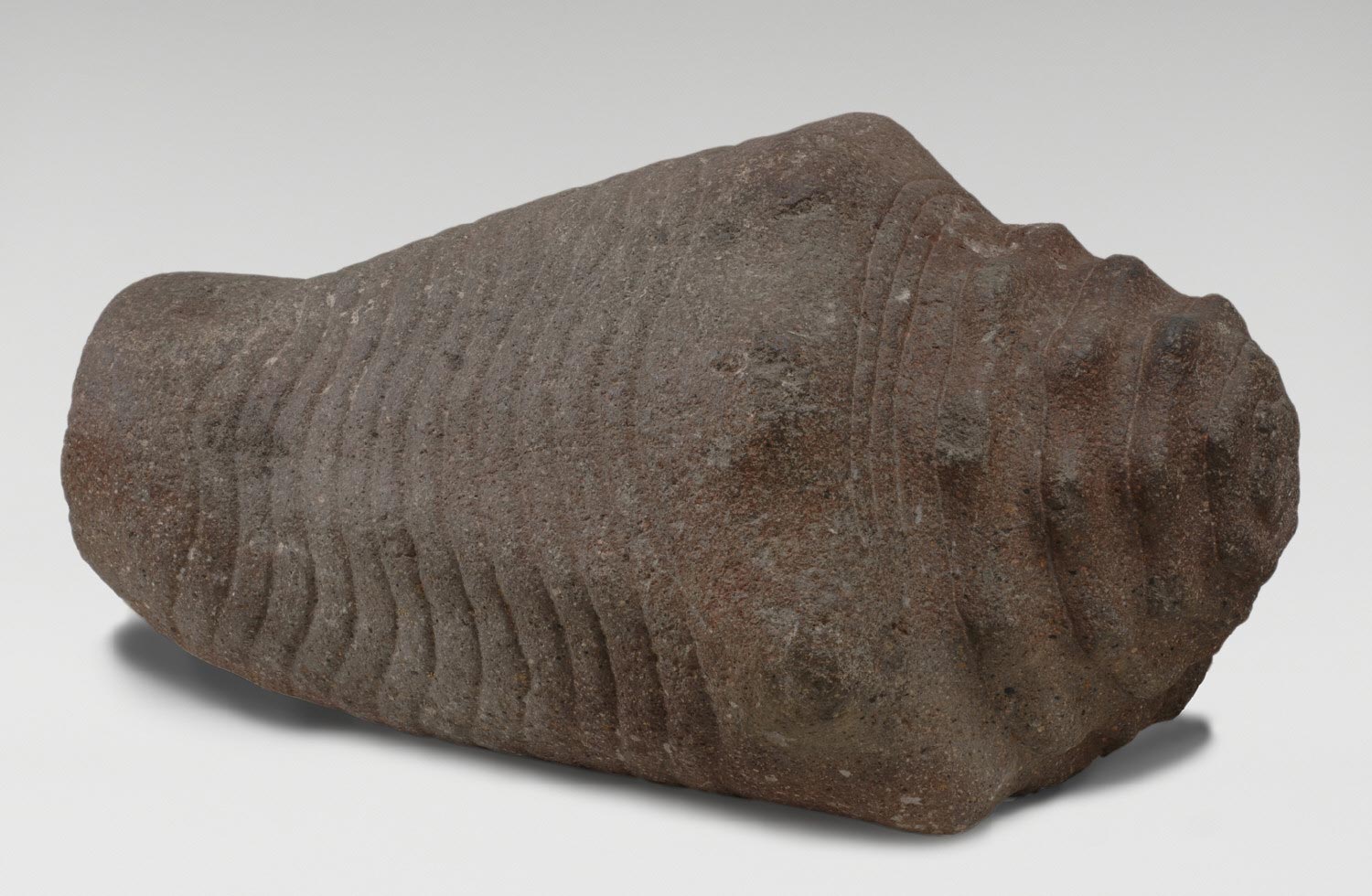
Conch Shell
Conch shells were regarded as an instrument during Pre-Columbian times. However, conch shells were used in other parts of the world such as Rome or was even used by the Polynesians to navigate the sea. Nevertheless, conch shells originated back to late BCE as well as times in the 1300's. In villages like Pueblo Chaco, conch shells were used as a signal for the townspeople whenever something big happens. Additionally, the noise from these conch shells were so powerful that they could be heard from a mile and a half away.
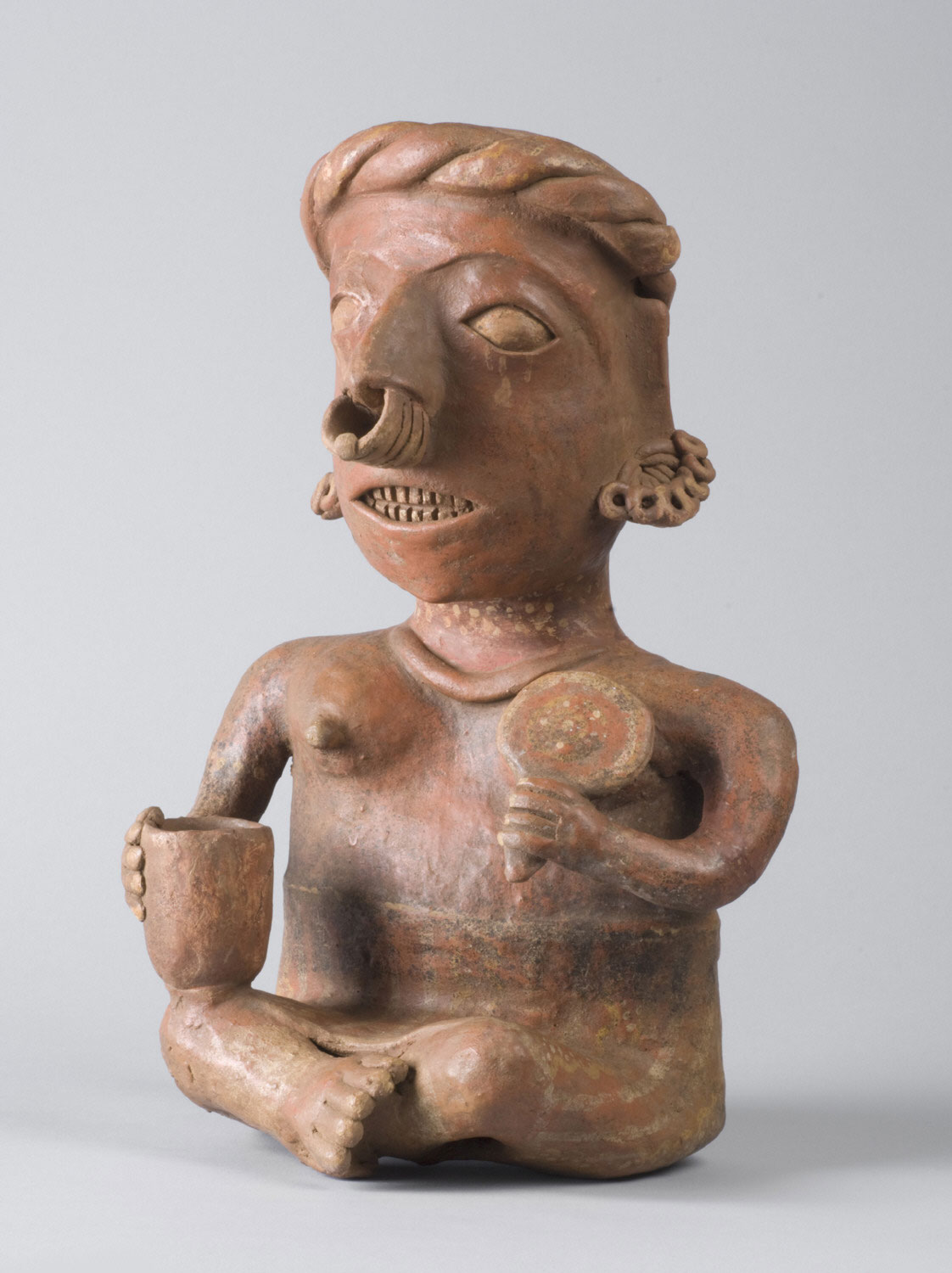
Seated Woman
Women played a crucial role in the culture of Pre-Columbia, especially in places like Mesoamerica. Men were the dominant figure, and any new-born who was a girl was encouraged from a young age to stay home and to look after the house. However, just like boys, girls also attended school, and if they didn't attend school, they would be taught to do chores from ages between 4-12 years old. However, as girls grew up, they were taught to walk and speak with dignity. Women were also taught to conduct rituals and were taught to help prepare offerings for the gods. However, a large portion of women stayed home and took care of all the cleaning, cooking, and looking out for the children. Virginity was also important to the culture, because if she lost it before marriage, she would have a harder time being accepted by a man. In this case, the parents made sure daughters were kept safe from doing anything that would put them at risk.