Acropolis Museum Frieze
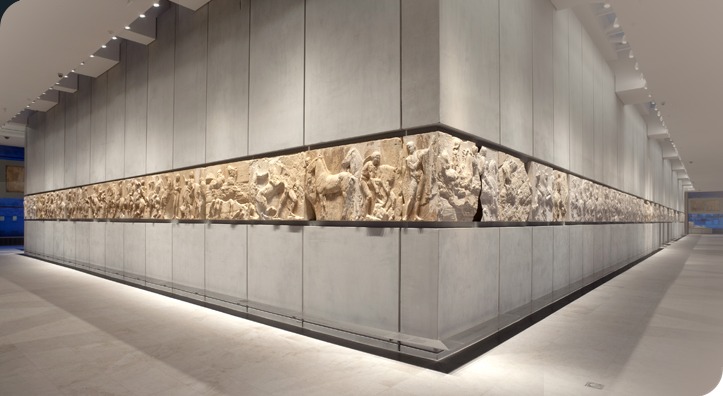
1 2017-10-10T19:02:27-07:00 James Raquet c73c3c5b269fc87c7392e50583900641a0be6919 21307 1 Located in The Museum in Athens this stunning exhibit shows 50 meters of the Parthenon Frieze. According to the Museum says that it includes 378 Human and 200 animals figures. The Frieze Surrounded the upper walls of the Parthenon and went all the way around. plain 2017-10-10T19:02:27-07:00 1.02 meters 50 meters Athens Greece James Raquet c73c3c5b269fc87c7392e50583900641a0be6919This page is referenced by:
-
1
2017-10-10T18:06:41-07:00
Raquet- The Acropolis Reunited
16
Putting the Parthenon back together
plain
2017-10-12T06:39:57-07:00
Overview
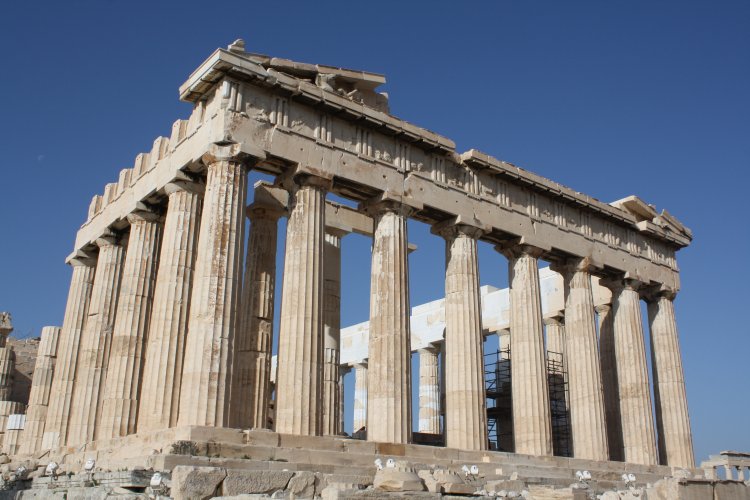
In this exhibit we will be looking at items discovered at the acropolis which is perhaps one of the most well known imagines of ancient civilizations. This digital exhibit will offer a rare view of many of these items being together again. Like most ancient sites, many of the acropolis items were taken by foreigners, most famously the Elgin marbles were taken to Britain. With this exhibit we will reunite these artifacts to provide a better picture of ancient Greece. This will show several of the sites and artifacts at the acropolis and the story behind them. The Acropolis is generally the highest point in a city. In Athens on top of the Acropolis lays the Massive Parthenon. This was during the Archaic period. Since there is so much art just in the Parthenon I will be focusing on it.
Modern Day
The Parthenon today lies in ruins but the artwork is still very much alive. Although a lot of it was sold or stolen, it was well preserved. There is so much scandal with this which I want to avoid but I would like to put these works back together in order to see and compare the pieces that will probably never be seen together again. A new museum in Greece, called the Acropolis museum houses much of these ruins from the acropolis, but so do the British museum and the Louvre. Lets explore several key elements of these ruins.
The Frieze
The Frieze filled the upper sides of the Parthenon. This addend a great awe aspect. These images tell a story of a festival for the goddess Athena which the Parthenon was a temple for. The festival was called “Great Panathenaia” which happened every 4 years and lasted 12 days according to the Acropolis Museum website. Pictured right you can see the Frieze in the Acropolis museum, which does it best to show what the frieze would look like when together. You can see the stories of the festival which includes 378 humans and 200 animals. Most of the animals being horses. This Museum which is located right by the acropolis has 50 meters of the frieze.
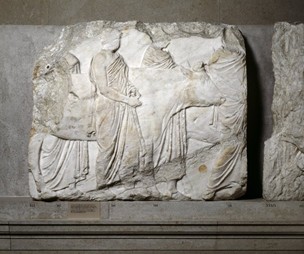
The British Museum has 80 meters of the Frieze, but let’s take a closer look and a single block of it. The frieze pictured right depicts two cows that will be sacrificed, being led by “four youths” according to the British museum website. Sacrifices and other rituals were very common for these festivals meant to honor the birthday of the goddess Athena. The detail in each one of these blocks is incredible.
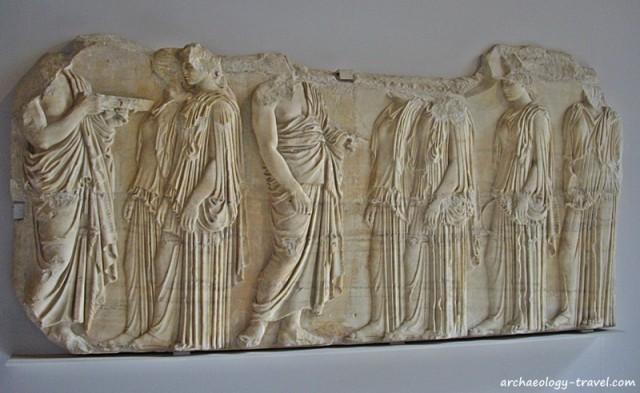
The Louvre has the smallest amount of the Frieze which is single Block. The Frieze here depicts a group of people. Although it is badly damaged, two heads appear intact. There are 114 of these blocks that the Frieze is made of. Together they create a story. Imagine how the use to look surrounding the Parthenon on top of the Acropolis.
The Metopes
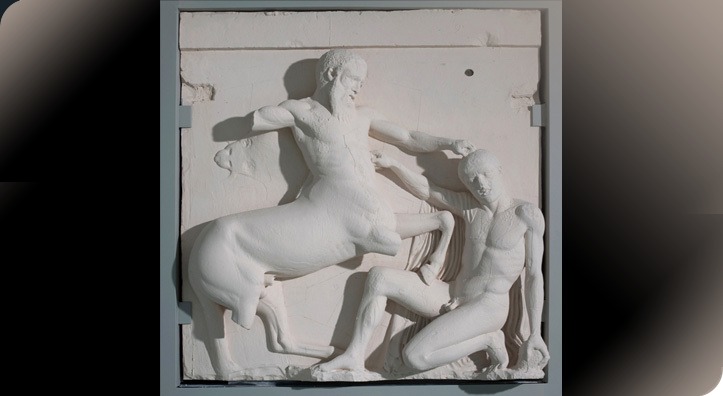
Much like the Frieze the Metopes tell a story to the visitors of the Parthenon. Each one of these blocks however tell a different story. There was 92 of these plates. They are now across the world like many pieces of the Parthenon. Several of these pieces are in great condition but some are not. Pictured right is one of the Metopes from the Acropolis museum. This pieces depicts the legendary Centaurs which is the half man half horse figure. According to the website this depict the Centaurs trying to kidnap women during a wedding. I assume in this depiction they are attacking a man at the wedding. All the Metopes were depicting famous battles and Greek legend.
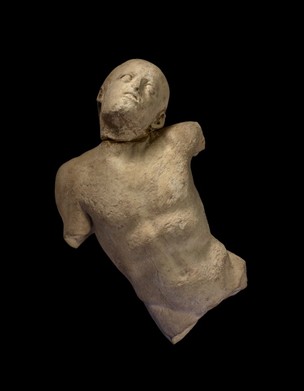
This next piece on the left is also a Metopes, Located in the British Museum. This piece is different because of the condition it is in. Many of it is lost, while other pieces are in the Vatican museum and the acropolis Museum. This piece is perfect for the exhibit because it is a single Metope that is split between three museums. The rest of this Metope could not be found in other online exhibits however. This depicts a man. Different from most of the British museum collection it was not part of the Elgin marbles scandal. They traced this back to the south Metope.
Work Cited
“The Parthenon Marbles in the Louvre.” Archaeology Travel, 24 Oct. 2016, archaeology-travel.com/museums/the-parthenon-marbles-in-the-louvre/.
“The Parthenon Sculptures.” British Museum, www.britishmuseum.org/research/collection_online/collection_object_details.aspx?objectId=461696&partId=1&searchText=Parthenon%2Bfrieze&place=39694&page=1.
“The Frieze.” The Frieze | Acropolis Museum, www.theacropolismuseum.gr/en/content/frieze-0.
“Parthenon.” Ancient History Encyclopedia, www.ancient.eu/parthenon/.
“The Parthenon Sculptures.” British Museum, www.britishmuseum.org/research/collection_online/collection_object_details.aspx?objectId=461635&partId=1&searchText=acropolis%2B&place=39694&page=1.
“The Metopes.” The Metopes | Acropolis Museum, www.theacropolismuseum.gr/en/content/metopes-0/1.