Scalar's 'additional metadata' features have been disabled on this install. Learn more.
ADHD: Alternative Treatments
Main Menu
ADHD: The Fact and the Fiction
This project is intended to make connections between media portrayals of ADHD and their impacts on alternative treatments such as neurofeedback, behavioral therapy, parent training, and diet-alteration therapy.
ADHD Medications
Today, the use of ADHD medications such as Ritalin and Adderall is still the most popular treatment method for ADHD. Let's explore the adverse side effects of the medications, which are a reason alternative treatments have been gaining more attention recently.
Common Misconceptions
How YOU Can Avoid Parent Shaming
This page is designed to promote an active learning style for parents to avoid feeling shamed by media surrounding ADHD. The media often uses fear and anxiety to shame parents into trying treatments they are not comfortable with or spreading false information. I will teach you how to spot these things and avoid them!
Neurofeedback
Behavior Therapy
Behavior therapy is the most common alternative treatment for ADHD. It is currently recommended as a supplement to drugs but some parents believe that this treatment alone may be just as effective as a supplementation.
Parent Training
Diet Restriction
Diet restrictions are gaining popularity as an alternative treatment for ADHD. The Feingold Diet has stood out as a diet that improves behavioral issues with manipulation of diet.
About Me
Katy McCarthy
52d4dc2d6cf99de1642c9855dd2bae6c30ec3e42
ADHD3
1 2017-04-20T08:51:04-07:00 Katy McCarthy 52d4dc2d6cf99de1642c9855dd2bae6c30ec3e42 16394 1 plain 2017-04-20T08:51:04-07:00 Katy McCarthy 52d4dc2d6cf99de1642c9855dd2bae6c30ec3e42This page is referenced by:
-
1
media/lavender.jpg
2017-04-20T08:10:17-07:00
About Me
28
image_header
2017-04-26T16:29:24-07:00
Who am I?
My name is Katy McCarthy and I am a senior at Michigan State University. I am majoring in Physiology and plan to apply to dental school this summer. This website was part of my capstone project for my senior seminar course which explored Media, Science, and Technology. Throughout the semester my class thought about the impacts of media on our lives and how it can be used to communicate a message. Each person in my class selected a topic that they were interested in and explored how mediatization of this topic had an impact on shaping its meaning.
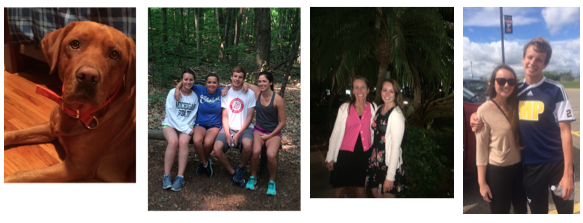
When I'm not studying I enjoy spending time with friends and family and going for long walks with my red lab, Jackson.Why ADHD?
ADHD is a complex condition and I believe many modes of treatment should be considered because what works for one child may not work for another. Throughout my studies as a physiology major in college I have gained a respect for deviations in the human body's normal set points. I personally was never diagnosed with ADHD, but I did have friends growing up who were. One of my friends was quickly put on medication in second grade because she became a handful for teachers to deal with and her parents didn't know what to do otherwise. Later on in life I talked with her about her medications and she admitted to feeling calm, but not in control of her life. She also expressed her difficulty with coming on and off the medications because during the summer or on the weekends her parents didn't want her to take it. She said she would feel confused about why she had to take it in some social situations and not others. In high school she began to wean herself off her medications and focus her energy on other things such as sports and art and found that these in combination with a healthy diet and overall lifestyle helped her to manage her ADHD. After seeing this I had a different outlook on what it meant to be ADHD and what it meant to live with it.
Another reason I was interested in this topic was its prevalence in our society. Whether ADHD is over-diagnosed or not, I know there are many children and adults who struggle with attentiveness and that I will have patients who are like this. Dentistry is a profession that involves a deep understanding for others and understanding how psychology relates to core science topics such as chemistry and biology. It is extremely important to me that I am prepared to treat a variety of patients ranging from those with different socioeconomic backgrounds, varying ages and diseases, and those who may just need extra attention to get through an appointment that to most is dreaded from the second they walk through the door.
I hope from this website you have gained a deeper understanding for how ADHD has been mediatized as well as an appreciation for the idea of alternative treatments. I also hope you have learned how to identify media sources that are targeting you as a parent and how you can find credible sources for your own personal research.
Thank you!!