Machine-Ethics
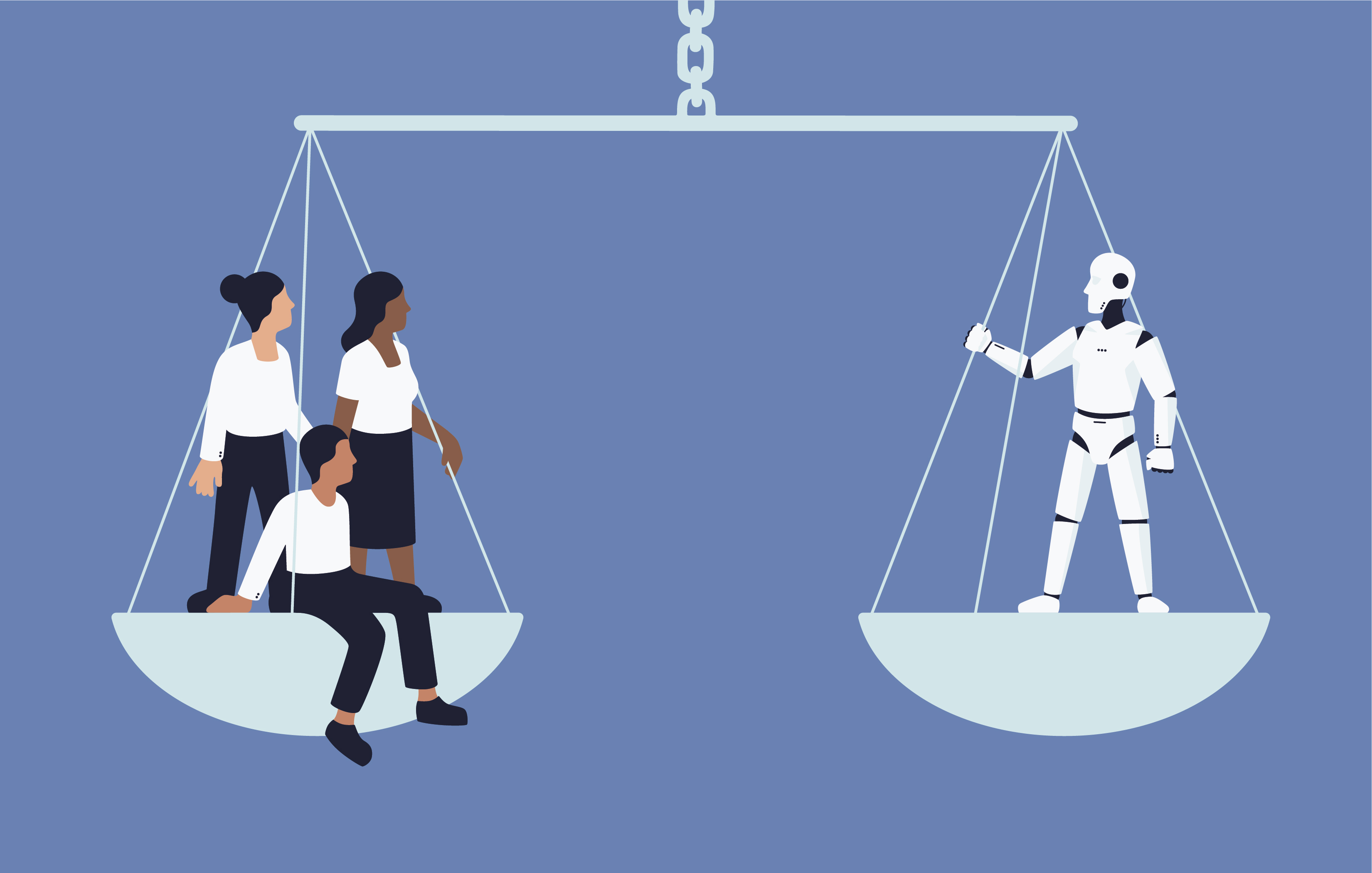
With the introduction of the idea that machine are equals to human beings, comes the question of whether machine should or should not abide to laws. When a robot causes harm to human beings, or even to another machine, should there be any consequences?
Asimov's three laws would not be applicable in this context as his laws are based on a human's moral code. Braidotti's concept of becoming-machine, breaking the hierarchy and the glorification of a human being's importance, insinuates that machine are no longer products that must abide to its maker's laws.
Machine's are constantly being treated as products for mass production under our capitalist system, yet when the machine in question develops intelligence and emotions (example: Hal 9000), can it be abused? According to the posthumanist perspective, the answer is yes. Machine, similar to animals, are exploited for their labor as well as their existence. Empathy towards machine needs to be highlighted in its importance as it allows humans to view machine as an entity in itself, capable of evolution thus debunking the concept of human beings reigning over the hierarchy as creatures capable of improvement.
For machines to exist outside the bounds of humanity leads to the conclusion that the respect robots owe to a human's moral code must be mutual; humans must also abide to the machine's moral code.