Thanks for your patience during our recent outage at scalar.usc.edu. While Scalar content is loading normally now, saving is still slow, and Scalar's 'additional metadata' features have been disabled, which may interfere with features like timelines and maps that depend on metadata. This also means that saving a page or media item will remove its additional metadata. If this occurs, you can use the 'All versions' link at the bottom of the page to restore the earlier version. We are continuing to troubleshoot, and will provide further updates as needed. Note that this only affects Scalar projects at scalar.usc.edu, and not those hosted elsewhere.
We've Been Working on the Railroad!Main MenuThe Stevens ExpeditionStevens titleThe Northern Pacific Railroad SurveysSurveys titleBuilding the RailroadsBuilding titleWhy come to the United States?migration titleWho worked on the railroads?work titleOrganized labor and the railroadslabor titleRailroad hospitalshospitals titleRailroad-driven immigrationimmigration titleThe Legacy of the Railroadslegacy titlethe Historical Museum at Fort Missoula2ed0a4c76b15fe2d208dedaebb1fcaaa8b4d9c38
Railroad-driven immigration background
1media/immigration_bg_thumb.jpg2020-07-29T13:04:56-07:00the Historical Museum at Fort Missoula2ed0a4c76b15fe2d208dedaebb1fcaaa8b4d9c38376441immigration bgplain2020-07-29T13:04:56-07:00the Historical Museum at Fort Missoula2ed0a4c76b15fe2d208dedaebb1fcaaa8b4d9c38
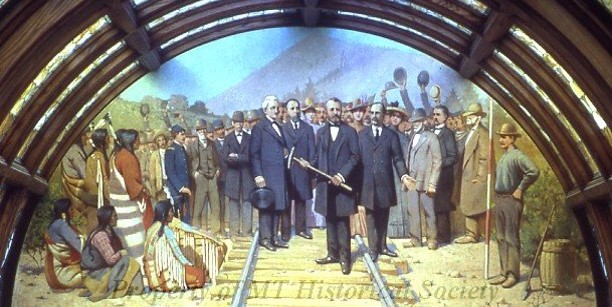
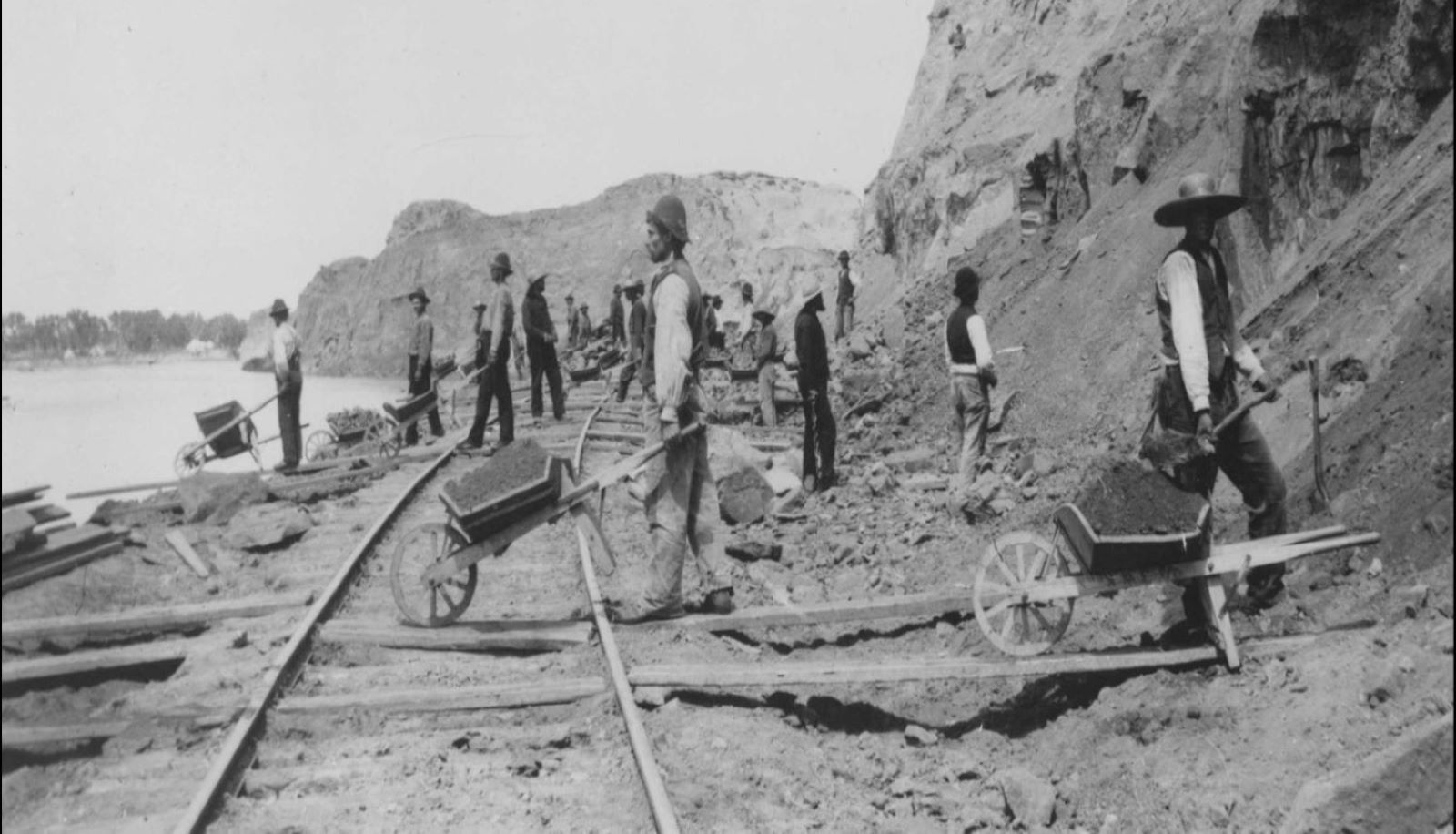
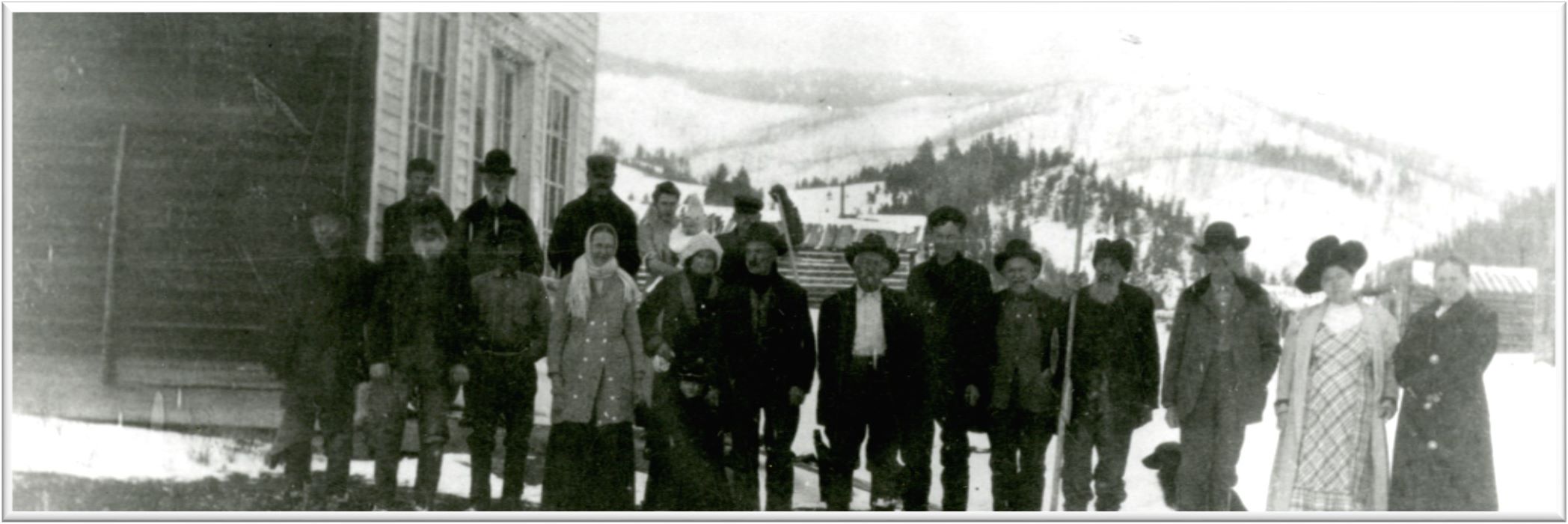
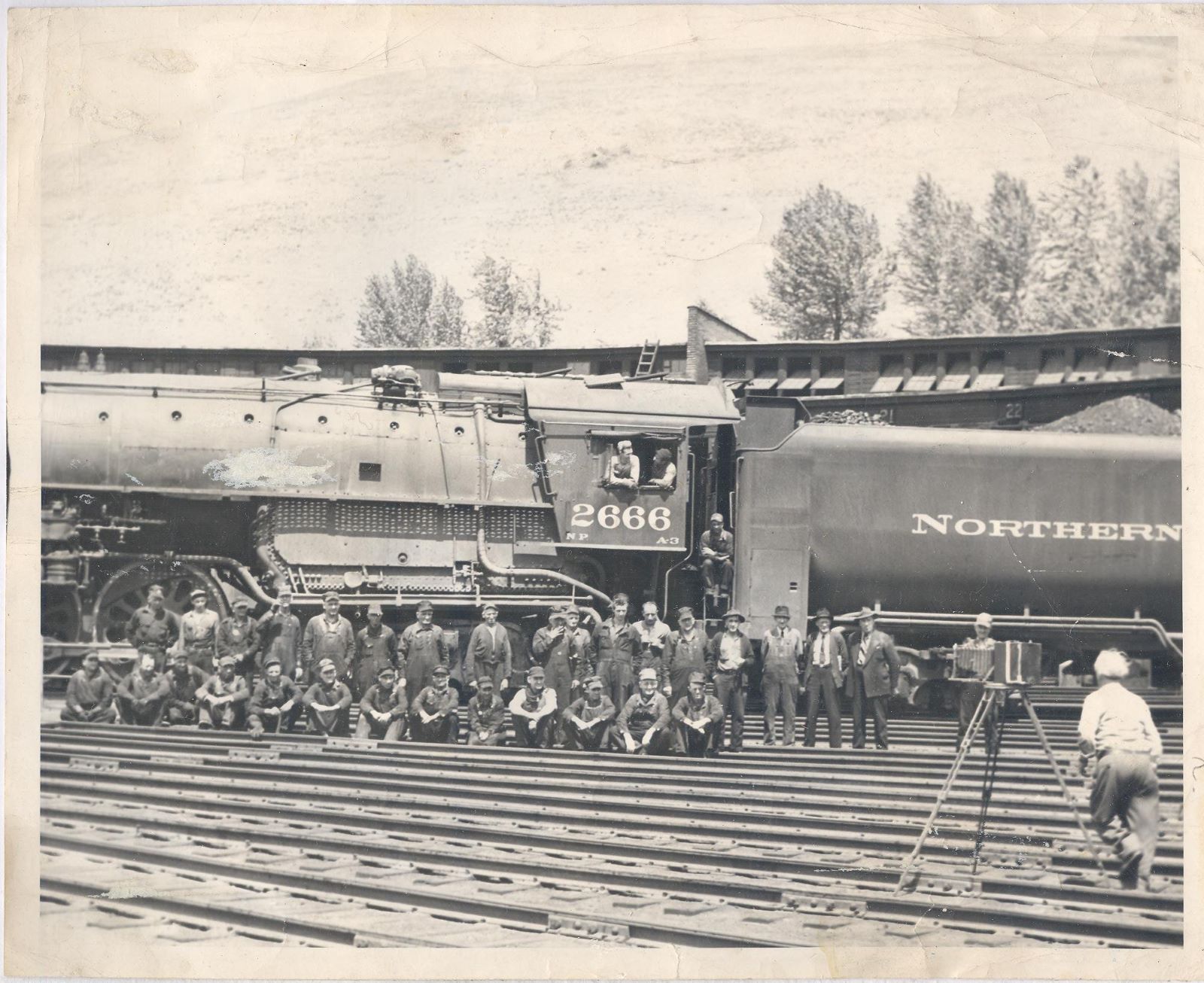
Railroads have captured the public’s imagination. Initially, they were technological marvels. For over 100 years they were the lifeblood of the United States. In the west, with its vast prairies and isolated towns, railroads have been especially important. For good or ill, they were linked to nearly every important social development in the United States between the 1880s and the 1960s.
This exhibit is presented in two forms: a recreation of the exhibit panels and a plain-text copy better suited to screen readers or slower connections.