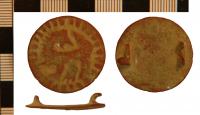
Brooch
Brooches were very
important to the Norse people. They served functions, such as fastening cloaks
and holding up dresses, as well as displayed status and wealth. Brooches were
made from various types of metals, ranging from silver to copper. They often featured
scenes or creatures from Norse mythology. This brooch, found in northern
England, was made of a lesser metal, meaning it likely belonged to someone of
lower status. This brooch is important because it shows the universality of brooches, in both class as well as culture.
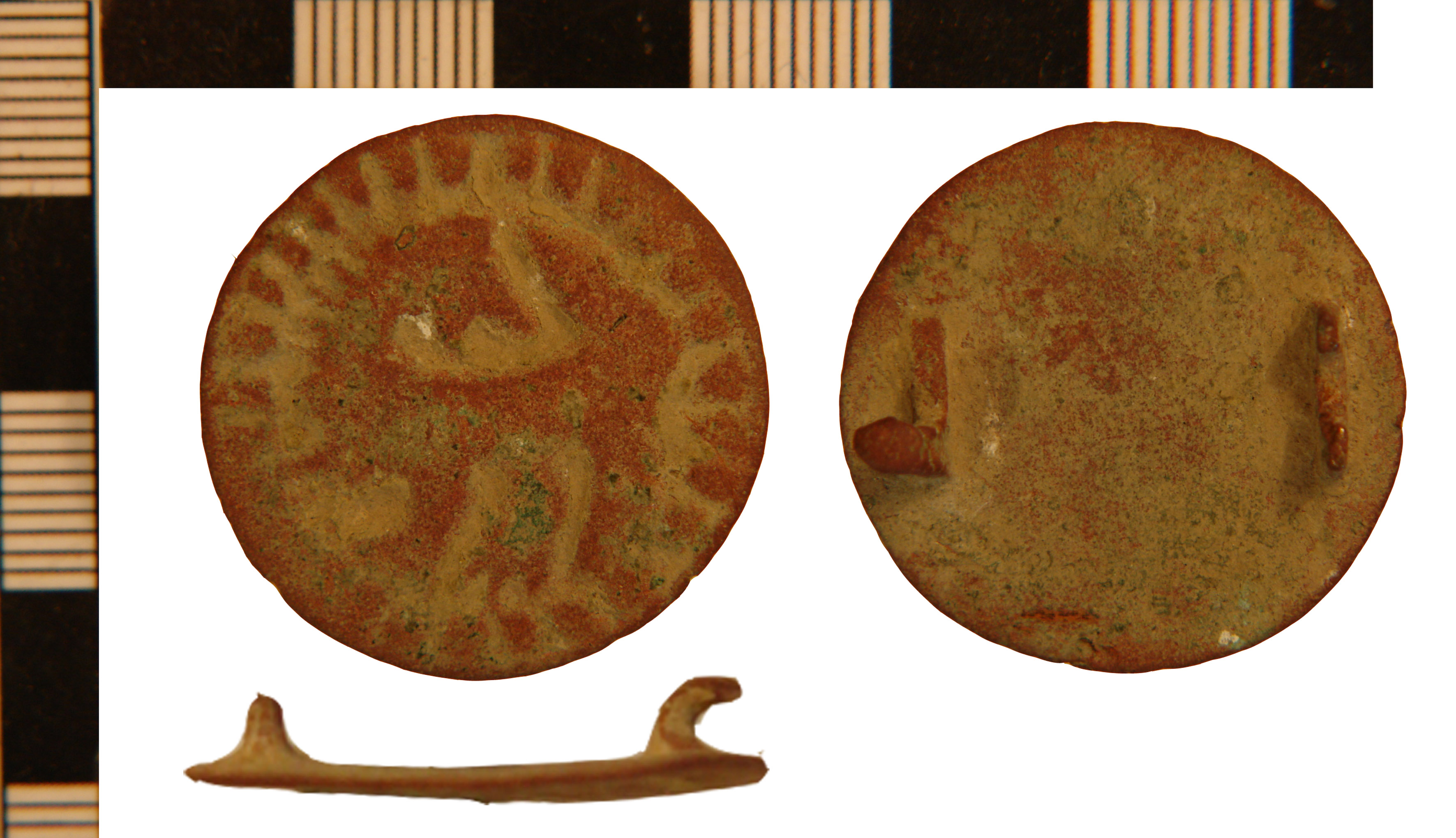
This particular brooch was discovered in the North
Lincolnshire district in England by a metal detectorist. It was discovered
sometime in the late 90s. It was likely produced between 850 and 900 AD, during
the Norse settlement of England. It was found in an area that was, at that
time, part of Danelaw. The brooch is made of a simple copper-alloy, meaning it
likely belonged to someone with little money or status. The simple design on it, a creature facing
backwards with its mouth agape, tells the same story, as does the fact that the
brooch was mass-produced. Brooches that belong to people of higher status or higher
financial grounds often featured intricate designs and jewels, as well as less common
metals, such as silver.
Multiple examples of these types of brooches have been
found through England and Scandinavia. This shows how universal the wearing of
brooches was, at that time. The type of low-class material and design also
points to how universal the brooches were. This brooch was likely used as a
fastener by a woman, possibly even one of non-Scandinavian lineage. It is
likely that this belonged to an Anglo-Saxon woman, who adopted aspects of Norse
culture.
The finding of this brooch does not seem to really
challenge any of the previous assumptions that are drawn from early texts about
the Norse. The brooch simply served its function as a holder for a dress, as
well as a way for the wearer to display her class. This particular brooch is important
because it shows the wide-reaching influence of the Scandinavian culture
within Danelaw, and that it penetrated all levels of the social ladder.