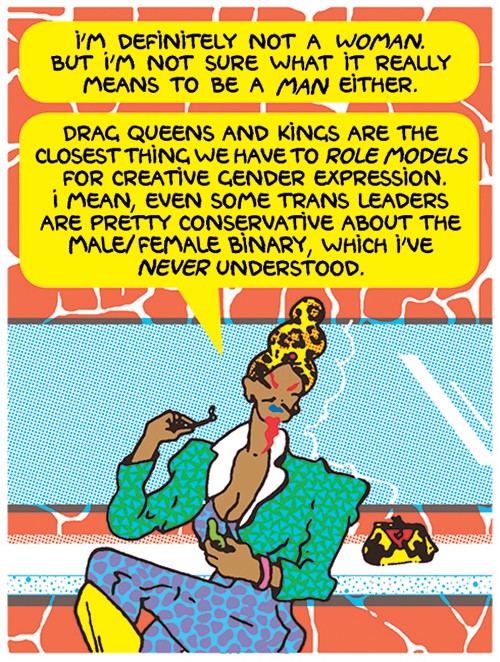
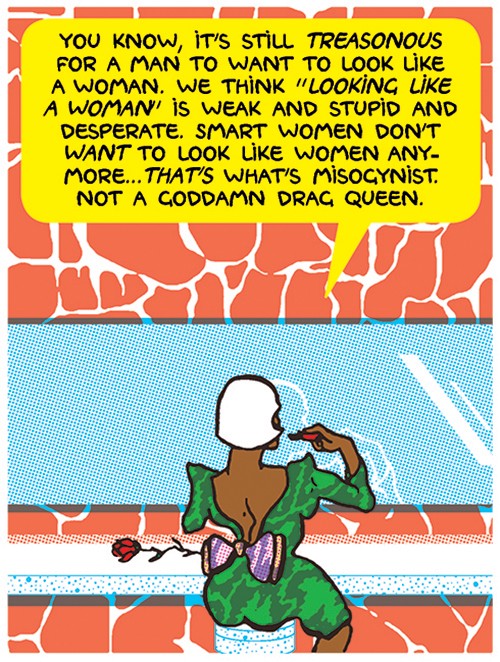
12022-08-02T13:08:17-07:00Lets Talk About Drag13plain2022-08-15T11:10:41-07:00Drag is the art of exaggerating and critiquing gender through performance. While traditionally performed by gay men, Drag Queens, drag has a storied history of Drag King, or Lesbians/queer women who perform masculinity. Drag is also not limited to cis performers often giving a space for trans people to exaggerate, experience, and critique gender on their path to, or in the reflection of their transitions. Drag is largely based out of Ballroom culture in the 70's in which queer Black and other poc performers gathered to form social networks and loudly and proudly perform their queerness in a safe space. - - - - Drag balls however have been around even longer with origins in the late 1800's in defiance of anti crossdressing laws.