Thanks for your patience during our recent outage at scalar.usc.edu. While Scalar content is loading normally now, saving is still slow, and Scalar's 'additional metadata' features have been disabled, which may interfere with features like timelines and maps that depend on metadata. This also means that saving a page or media item will remove its additional metadata. If this occurs, you can use the 'All versions' link at the bottom of the page to restore the earlier version. We are continuing to troubleshoot, and will provide further updates as needed. Note that this only affects Scalar projects at scalar.usc.edu, and not those hosted elsewhere.
Mobilities JournalMain MenuCourse ProjectPublic TransportationBuses, Trains, SubwaysWalkabilityBikeabilityAutomobilityAccessibilityBorders and MigrationsParks, Outdoors and GreenspaceClimate ChangeVirtual Worlds and Digital MobilitiesAlternate Mobilitiesdavid kim87de7bc2484fc682d989967c7b88823ef2ab67e3
Virtual Mobility
12024-05-15T18:25:59-07:00Aidan B Wilsonce154fabdd825099d57a91e23ce798291e1e4c36445453How Virtual Reality Opens Doors in Mobilityplain2024-05-15T18:29:30-07:00Aidan B Wilsonce154fabdd825099d57a91e23ce798291e1e4c36
Virtual Mobility
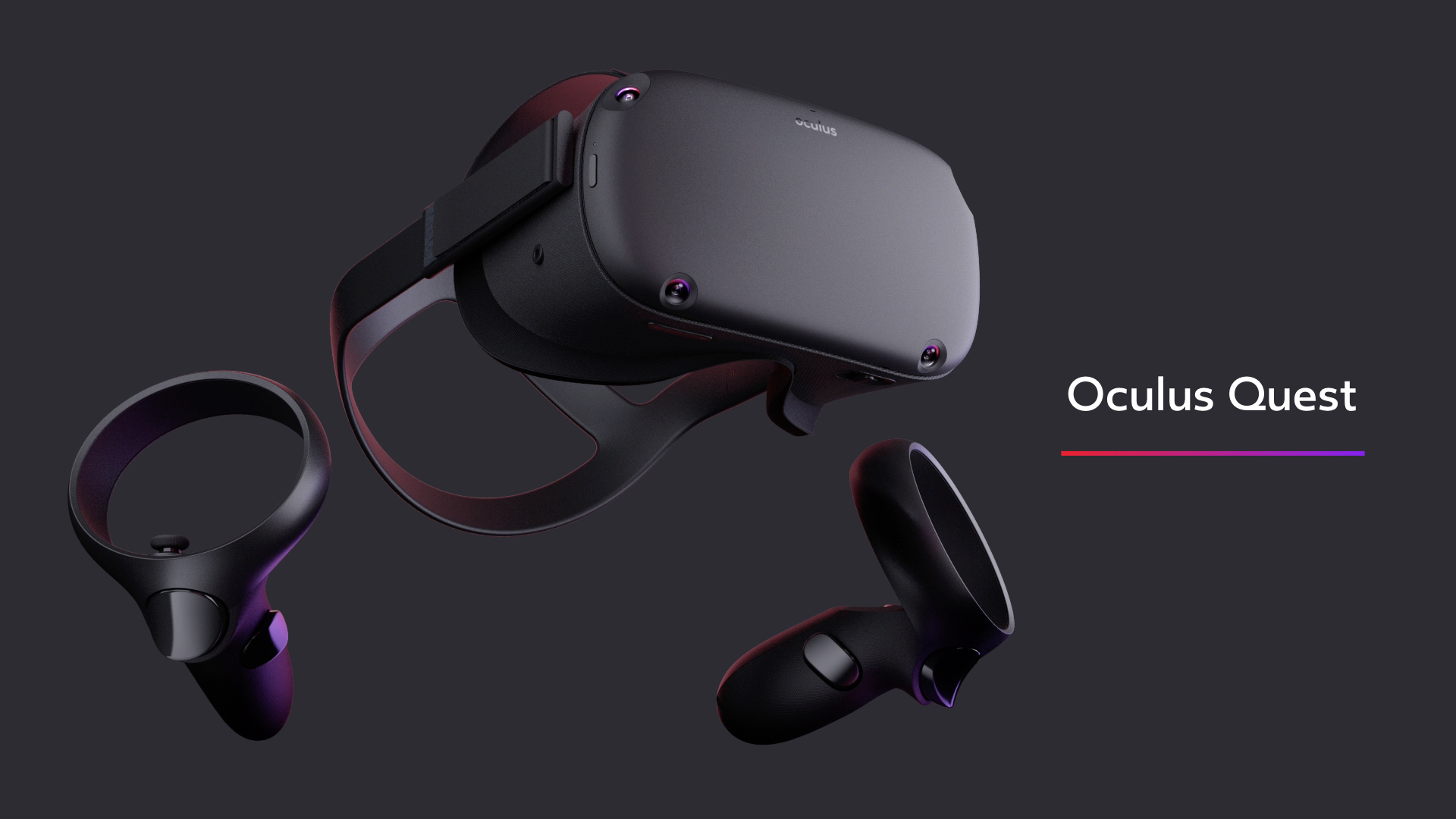
Video Games have evolved and expanded into a world of mixed, augmented and virtual reality. A concept that began for me with the Xbox 360 and a simple console and wired controller, has advanced to different heights. Immersion is no longer a thing of simple graphics and in world dialogue or environment. It has expanded into putting yourself into these games. A 360 view of 3D images within games. We have legs, arms and legs that we can control and a world we can interact with and almost touch. Through augmented and mixed reality we can roam the streets and see different but similar things, we can watch videos with a headset and still see the world around us. We can control a character of ourselves to jump higher and run faster than we can actually move while sitting on a couch or in our bed. This is an amazing function that seemed like something from a fantasy or fiction novel. Present day we are able to see the real implication of technology like this and the positive effects of it. For many people either born deformed, or mangled and crippled in accidents etc real life is limiting and their access to mobility is harder. Virtual Reality games and communities allow and create a new type of mobility that will continue to advance as technology does. Simple VR headsets like the Meta Oculus Quest feature a headset to see this virtual world and two hand held controllers to simulate hands allowing interaction and control of legs through joy sticks. Even this widespread example is greatly applicable to allowing new mobilities. It allows those with and without physical disabilities to roam the world on two legs with two arms running, jumping and reaching into a virtual world. This technology will only continue to advance and allow people to do, see and interact with a world they otherwise wouldn't have access to.
12024-03-01T06:32:16-08:00david kim87de7bc2484fc682d989967c7b88823ef2ab67e3Virtual Worlds and Digital Mobilitiesdavid kim1image_header2024-03-01T06:32:16-08:00david kim87de7bc2484fc682d989967c7b88823ef2ab67e3
1media/Oculus_thumb.webp2024-05-15T18:20:53-07:00Virtual Mobility1Oculus Quest headset and controllersOculus Quest headset and controllersmedia/Oculus.webpplain2024-05-15T18:20:53-07:00