Variability of Transit
The SEPTA train stopped in Eddystone, PA. The train attendant informed the other passengers and I that he didn’t know why. He would update us when he could. I told my boyfriend that I was delayed. It wasn’t a big deal. However, within half an hour, the attendant told everyone that an Amtrak train had hit someone. No trains would run for the rest of the night. Instead, a SEPTA shuttle bus would take anyone who wanted it to 30th Street Station in Philadelphia.
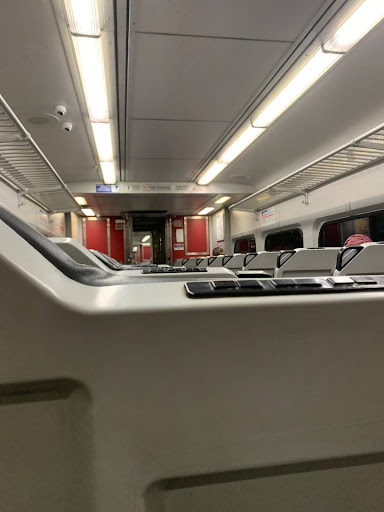
I was at a loss and stressed. The bus was my safest option besides an overly expensive Uber. I chose to accept what public transit had to offer me. I made the choice to take the train and the bus, but was I really a choice rider? I didn’t feel captive either. When I finally got to 30th Street, I, too tired at 10 P.M. to care, bit the bullet and took an Uber for the last leg of my trip.
After walking to the Newark station, taking the train, riding the shuttle bus, and getting an Uber, I experienced all types of transit available to me because of one incident. My hour and a half trip was derailed and doubled to three hours. While this is not a fault of public transit systems, my experience demonstrates the variability of transit for those “captive riders” without access to a car and the variability of solutions after a single, tragic disruption to transit routes.
Margaret Armstrong