Thanks for your patience during our recent outage at scalar.usc.edu. While Scalar content is loading normally now, saving is still slow, and Scalar's 'additional metadata' features have been disabled, which may interfere with features like timelines and maps that depend on metadata. This also means that saving a page or media item will remove its additional metadata. If this occurs, you can use the 'All versions' link at the bottom of the page to restore the earlier version. We are continuing to troubleshoot, and will provide further updates as needed. Note that this only affects Scalar projects at scalar.usc.edu, and not those hosted elsewhere.
Mobilities JournalMain MenuCourse ProjectPublic TransportationBuses, Trains, SubwaysWalkabilityBikeabilityAutomobilityAccessibilityBorders and MigrationsParks, Outdoors and GreenspaceClimate ChangeVirtual Worlds and Digital MobilitiesAlternate Mobilitiesdavid kim87de7bc2484fc682d989967c7b88823ef2ab67e3
Train Townhood
12024-05-15T18:39:44-07:00Aidan B Wilsonce154fabdd825099d57a91e23ce798291e1e4c36445452How trains historically impact mobility and commerceplain2024-05-15T18:43:13-07:00Aidan B Wilsonce154fabdd825099d57a91e23ce798291e1e4c36
Train Townhood
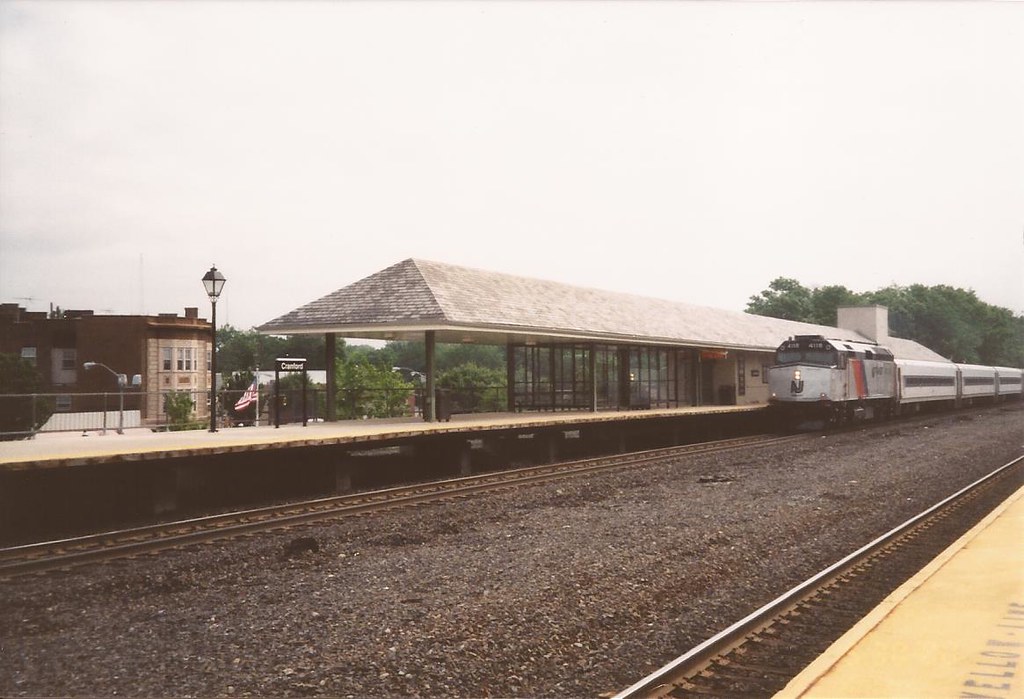
The turn of the century mobility trains and tracks began in 1820 with coal miners in England pushing carts of coal and mud on tracks with the help of a horse and eventually steam engines on rails. The US soon followed copying the English invention with independent companies beginning construction of railroads for commerce and transport. In 1833 one of these beginning roads was set to be built in Elizabethtown NJ (Elizabeth, NJ today) to Somerville, this road was the forerunner of the current Raritan Valley Line that passes through my hometown Cranford, NJ. The Central RailRoad of NJ was completed and running in 1842 making the trip from Elizabethtown to Somerville 3 times a day. This created a new mobility for people and for transport of goods, economy boomed as train tracks branched. Unfortunately after plans of expanding the railroad through and to Easton PA the investment company went bankrupt and plans were halted for some years before another group of investors took it over. The new investors expanded the existing train line reaching small towns like Raritan and Cranford that soon became industrial towns feeding off the economy a train line allowed. The track reached Easton PA and soon was taken over by the government as many tracks were in the late 1800s. This control allowed train tracks to be standardized so people wouldn't have to switch trains to get to different places. It allowed for a more cohesive connection of tracks allowing for easier sprawl and connection to small towns. The mobility that trains allowed for opened the doors for new commerce and trade. It allowed transportation for people that could afford it eventually becoming the public transportation that we can see today. My own mobility was impacted greatly by the Raritan Valley Line allowing me to take a train into Newark and see the NJ Devils games. The Cranford station has been rebuilt and improved multiple times since its first construction in 1844 making it more accessible and better managed. The tracks, connections and stops between them shape and allow an economy to flourish. Without them many of the small towns of simple houses would've stayed as just that; with them we have been able to form a system that creates new and better mobility.
1media/new train_thumb.jpeg2024-05-15T18:35:56-07:00Train Townhood1View of the Cranford Station and a train dockingView of the Cranford Station and a train dockingmedia/new train.jpegplain2024-05-15T18:35:56-07:00
1media/old-train_thumb.jpg2024-05-15T18:34:35-07:00Train Townhood1Train from the Somerville-Elizabethtown railroad 1842Train from the Somerville-Elizabethtown railroad 1842media/old-train.jpgplain2024-05-15T18:34:35-07:00