Thanks for your patience during our recent outage at scalar.usc.edu. While Scalar content is loading normally now, saving is still slow, and Scalar's 'additional metadata' features have been disabled, which may interfere with features like timelines and maps that depend on metadata. This also means that saving a page or media item will remove its additional metadata. If this occurs, you can use the 'All versions' link at the bottom of the page to restore the earlier version. We are continuing to troubleshoot, and will provide further updates as needed. Note that this only affects Scalar projects at scalar.usc.edu, and not those hosted elsewhere.
Mobilities JournalMain MenuCourse ProjectPublic TransportationBuses, Trains, SubwaysWalkabilityBikeabilityAutomobilityAccessibilityBorders and MigrationsParks, Outdoors and GreenspaceClimate ChangeVirtual Worlds and Digital MobilitiesAlternate Mobilitiesdavid kim87de7bc2484fc682d989967c7b88823ef2ab67e3
The Impact of Mobility from the U.S. Coastal Flooding
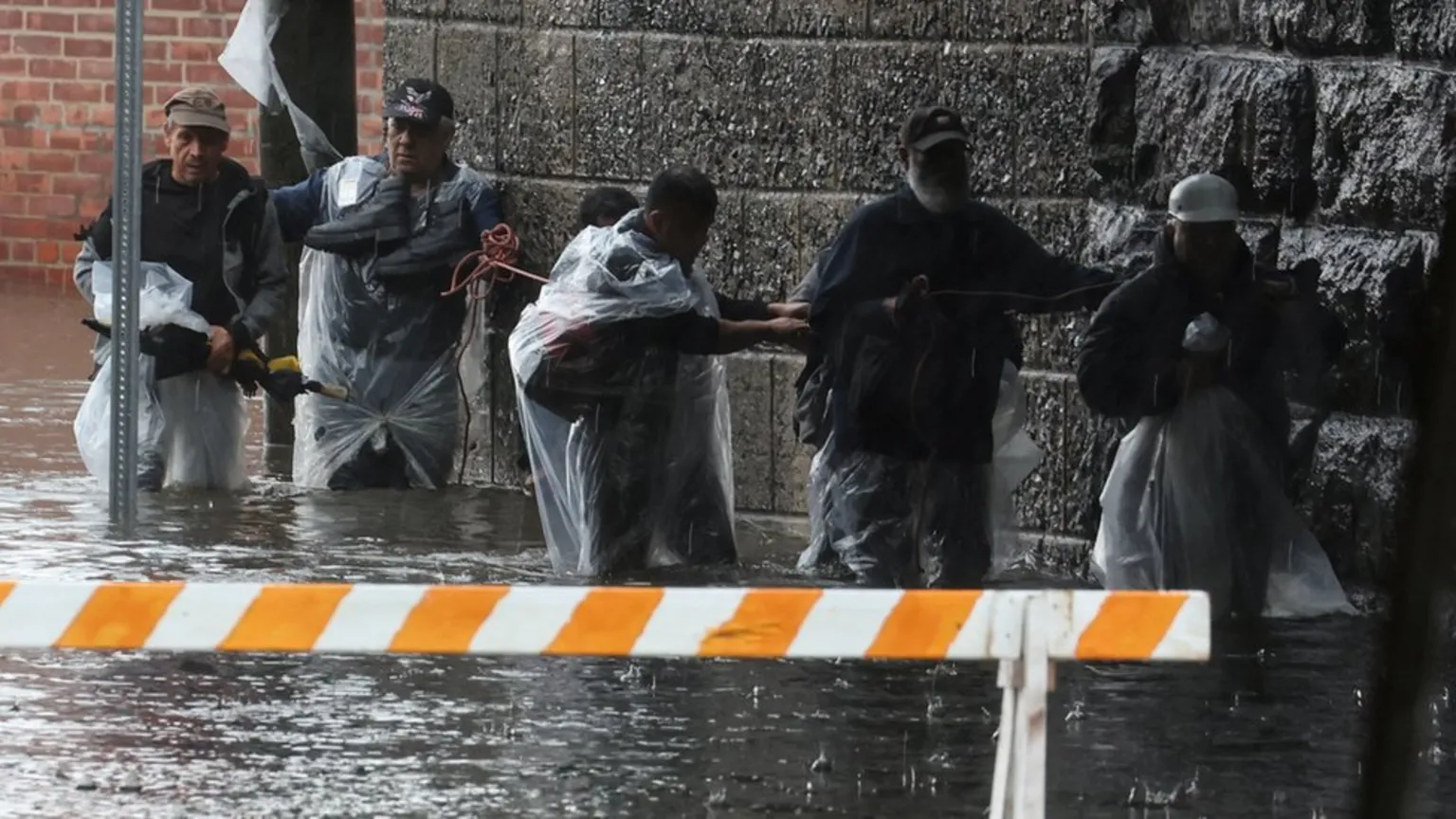
U.S. coastal flooding devastates millions of people in cities and impacts their mobility in everyday life. In 2023, New York City declared a state of emergency due to flash floods sweeping their city. The city’s subway systems, streets, and highways were all affected by the flooding. City officials urged people to stay home and limit traveling during this time. Residents of the city reported that the flooding has disrupted and inconvenienced their daily living and mobility, as it has been difficult for them to travel where they need to go. Populations in the city often spend their time away from their place of residence for reasons including occupation, education, recreation, and more. However, the flooding hazards disallow people to proceed to community facilities due to the dangerously moving and knee-deep water. Recently, a study of the mobility behavioral shifts in cities due to flooding was conducted, and it was reported that people of color, the economically disadvantaged, and undereducated communities were disproportionately impacted by the residential flood exposure. It was also found that people of lower socioeconomic status are more likely to reside in flood zones, thus amplifying the risk of exposure to flood hazards in vulnerable populations. The flooding issues in U.S. coastal cities is an issue that must be addressed, as it impacts the mobility of the city populations as well as the economically disadvantaged.
1media/Flooding in NYC_thumb.webp2024-05-17T16:38:55-07:00Flooding in New York City1A group of men in knee-high waters holding onto a rope for safety during a flood.media/Flooding in NYC.webpplain2024-05-17T16:38:55-07:00