Thanks for your patience during our recent outage at scalar.usc.edu. While Scalar content is loading normally now, saving is still slow, and Scalar's 'additional metadata' features have been disabled, which may interfere with features like timelines and maps that depend on metadata. This also means that saving a page or media item will remove its additional metadata. If this occurs, you can use the 'All versions' link at the bottom of the page to restore the earlier version. We are continuing to troubleshoot, and will provide further updates as needed. Note that this only affects Scalar projects at scalar.usc.edu, and not those hosted elsewhere.
Mobilities JournalMain MenuCourse ProjectPublic TransportationBuses, Trains, SubwaysWalkabilityBikeabilityAutomobilityAccessibilityBorders and MigrationsParks, Outdoors and GreenspaceClimate ChangeVirtual Worlds and Digital MobilitiesAlternate Mobilitiesdavid kim87de7bc2484fc682d989967c7b88823ef2ab67e3
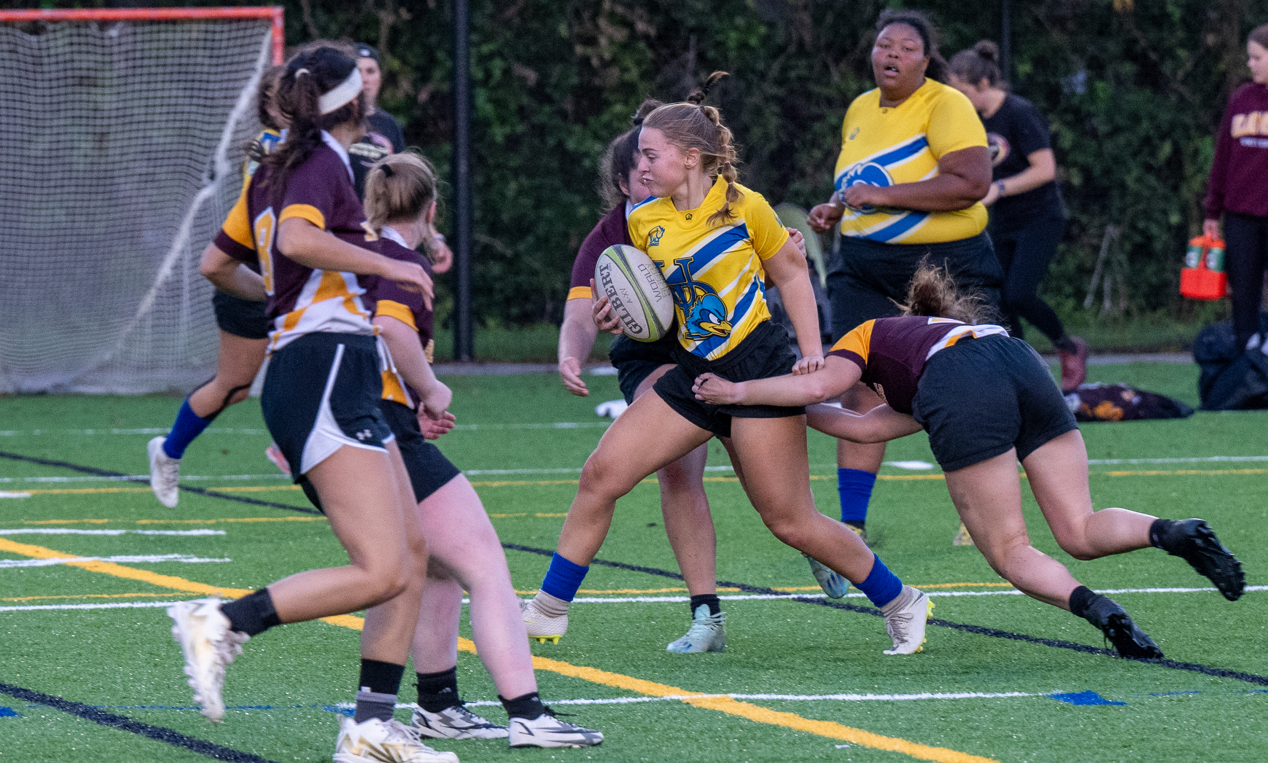
UD Women's Rugby
1media/Screenshot 2024-05-10 165129_thumb.png2024-05-10T13:51:42-07:00Caroline Stoneea457681b5de3252bc7c48617490f20f2a032946445452Photo by Carl McCombsMe, Caroline Stone, playing rugby for the University of Delaware on the field with opponents and teammateplain2024-05-13T16:54:39-07:00Caroline Stoneea457681b5de3252bc7c48617490f20f2a032946
This page is referenced by:
12024-05-10T13:56:43-07:00Concussion as a Student Athlete4plain2024-05-13T16:53:12-07:00 Navigating being a student athlete in college is a practice in self-advocacy, dedication, and patience as students find balance between studies and achieving peak performance consistently. As young adults, too, this intersection of identities for student athletes pose challenges to moving through spaces insofar as they must be diligent in time management but also well and able to physically get to morning lifts, back-to-back classes, team meetings, philanthropic events, among the numerous other physical spaces they are obligated to be. A student athlete myself, I face these challenges and my mobility is a key component of my athletic identity. The facets of my personality that I’ve adopted through sportsmanship allow me to move and progress as a student, friend, partner, daughter, and individual. When I sustained a concussion the first week of April, the fourth one I’ve had and first of my college athletic career, my mobility changed drastically. Suddenly the physical movement I was reliant on for a sense of purpose was a detriment to my health. The regimen of studying, attending class, and building a schedule outside of practice was reduced to simply laying in bed without a phone, laptop, book, light, game, or any form of entertainment to occupy my time. Notifying professors and making doctors appointments were tasks I was reliant on others to do for me. Having a concussion was ultimately an event that revealed additional challenges to moving in both a literal and figurative sense, but also forced me to reconsider what mobility can look like and that moving optimally does not have to mean moving at peak performance; it can look like moving in the ways that best serve my needs and allow me to do the most in my current situation.