Thanks for your patience during our recent outage at scalar.usc.edu. While Scalar content is loading normally now, saving is still slow, and Scalar's 'additional metadata' features have been disabled, which may interfere with features like timelines and maps that depend on metadata. This also means that saving a page or media item will remove its additional metadata. If this occurs, you can use the 'All versions' link at the bottom of the page to restore the earlier version. We are continuing to troubleshoot, and will provide further updates as needed. Note that this only affects Scalar projects at scalar.usc.edu, and not those hosted elsewhere.
Mobilities JournalMain MenuCourse ProjectPublic TransportationBuses, Trains, SubwaysWalkabilityBikeabilityAutomobilityAccessibilityBorders and MigrationsParks, Outdoors and GreenspaceClimate ChangeVirtual Worlds and Digital MobilitiesAlternate Mobilitiesdavid kim87de7bc2484fc682d989967c7b88823ef2ab67e3
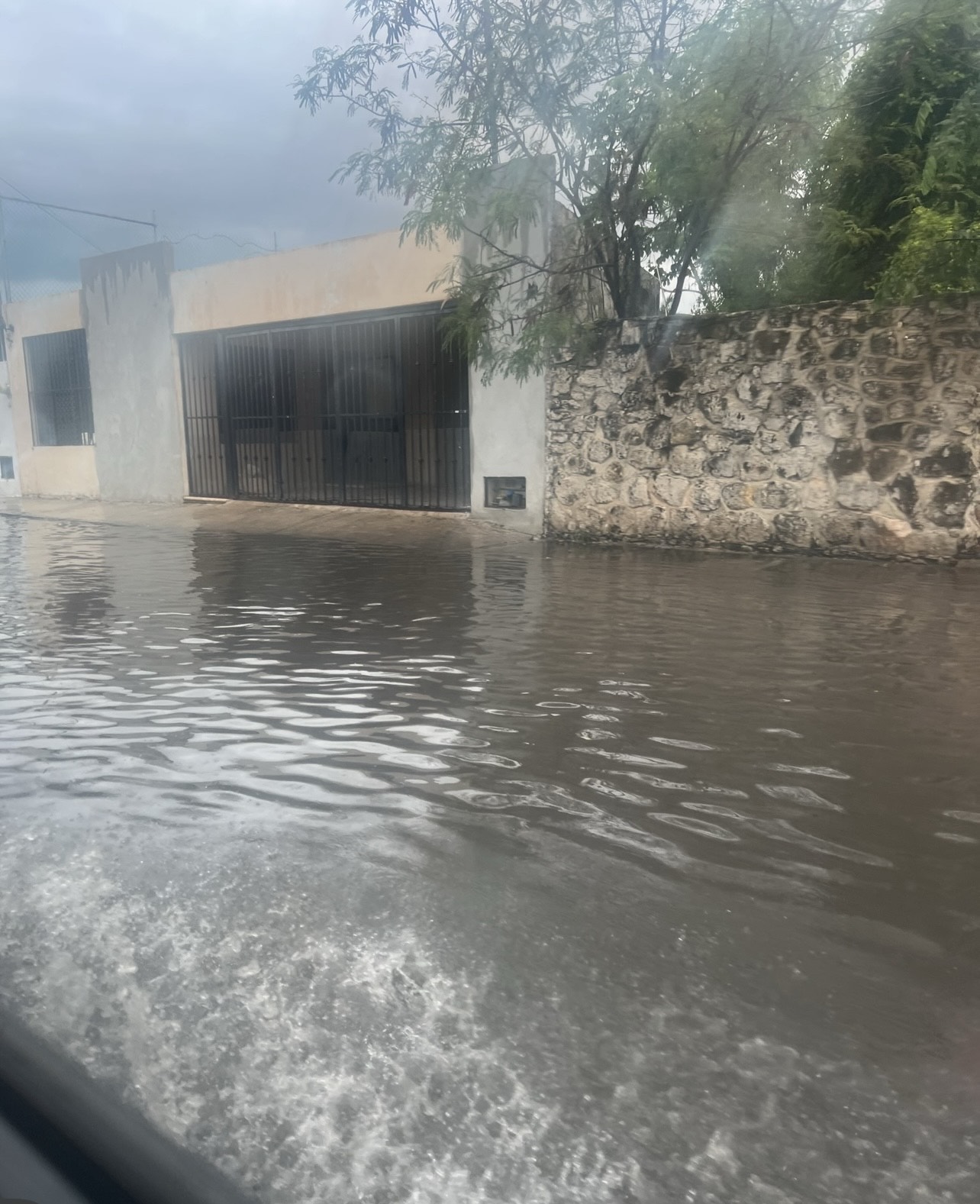
Being from the safest city in Mexico; Merida, Yucatan, I couldn't fathom why anyone would consider leaving. However, as I reflect on the intertwined issues of migration and climate change, a deeper understanding emerges. Migration from places like Merida can no longer be solely attributed to economic opportunities. Recurring floods, worsened by the effects of climate change, disrupt daily life and pose a significant threat to mobility and safety. The same floods that render roads impassable and homes vulnerable also exacerbate the challenges faced by individuals with disabilities. The inability to navigate sidewalks safely not only restricts physical movement but also undermines a fundamental sense of dignity and inclusion. The image of an inaccessible sidewalk serves as an illustration of the barriers faced by those who are not able-bodied, further compounded by climate-related challenges like floods. As climate change intensifies, such obstacles will only become more prevalent, impacting the mobility and safety of vulnerable communities. In this context, migration to places with better infrastructure and climate resilience becomes a matter of necessity rather than choice. It's a reminder that the impacts of climate change extend beyond environmental degradation, they fundamentally alter patterns of migration and mobility.
12024-03-01T06:30:41-08:00david kim87de7bc2484fc682d989967c7b88823ef2ab67e3Borders and Migrations1image_header2024-03-01T06:30:41-08:00david kim87de7bc2484fc682d989967c7b88823ef2ab67e3
1media/MexicoStreetAN_thumb.jpg2024-05-15T01:00:41-07:00Sidewalk in Mexico1uneven sidewalk surrounded by houses and main roadmedia/MexicoStreetAN.jpgplain2024-05-15T01:00:42-07:00
1media/MexicoFloodAN_thumb.jpeg2024-05-15T01:56:08-07:00Flooded Streets in Mexico1Flooded road in front of housemedia/MexicoFloodAN.jpegplain2024-05-15T01:56:14-07:00