Thanks for your patience during our recent outage at scalar.usc.edu. While Scalar content is loading normally now, saving is still slow, and Scalar's 'additional metadata' features have been disabled, which may interfere with features like timelines and maps that depend on metadata. This also means that saving a page or media item will remove its additional metadata. If this occurs, you can use the 'All versions' link at the bottom of the page to restore the earlier version. We are continuing to troubleshoot, and will provide further updates as needed. Note that this only affects Scalar projects at scalar.usc.edu, and not those hosted elsewhere.
Micro-Landscapes of the AnthropoceneMain MenuMarginal WorldsPlant WorldsAnimal WorldsAmy Huang, Natasha Stavreski and Rose RzepaWatery WorldsInsect WorldsBird-Atmosphere WorldsContributed by Gemma and MerahExtinctionsMarginal WorldsSam, Zach and AlexE-ConceptsAn emergent vocabulary of eco-concepts for the late AnthropoceneSigi Jöttkandt4115726eb75e75e43252a5cbfc72a780d0304d7d
Evidence of the Anthropocene
12021-05-03T03:23:49-07:00Sigi Jöttkandt4115726eb75e75e43252a5cbfc72a780d0304d7d309864Chicken bones may provide the evidence needed to prove the Earth has transitioned into a new ecological epoch, the Anthropocene.plain2021-05-03T04:33:41-07:00Sigi Jöttkandt4115726eb75e75e43252a5cbfc72a780d0304d7d
Chicken bones (fossils) may provide the evidence needed to prove the Earth has transitioned into a new ecological epoch, the Anthropocene.
12021-04-25T04:03:41-07:00Sigi Jöttkandt4115726eb75e75e43252a5cbfc72a780d0304d7dEcoentanglement: In DepthSigi Jöttkandt14Ecoentanglement as a conceptplain2021-05-03T03:27:12-07:00Sigi Jöttkandt4115726eb75e75e43252a5cbfc72a780d0304d7d
This page has replies:
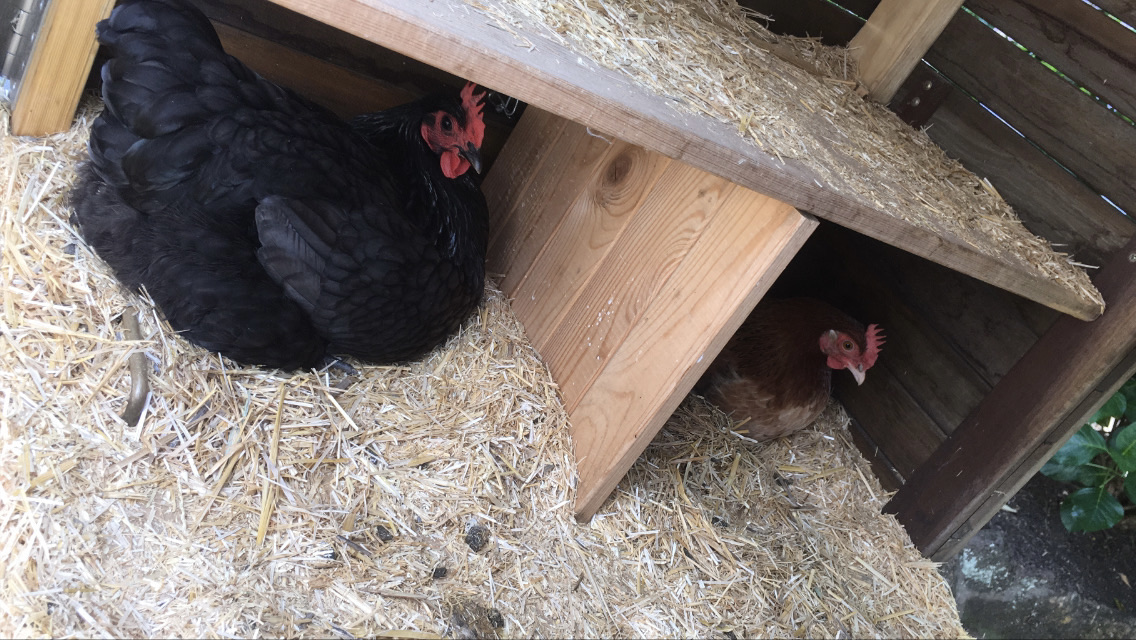
12021-05-03T03:58:08-07:00Sigi Jöttkandt4115726eb75e75e43252a5cbfc72a780d0304d7dPoultry in MotionSigi Jöttkandt14plain2021-05-03T04:39:11-07:00There are an estimated 23 billion chickens on earth at any given time, “three times the biomass of all the wild birds combined”. The demand for chicken products (meat and eggs) has increased with the growth in population. Some methods of chicken farming are distressing; the lifespan only “five to seven weeks from hatching to slaughter”.
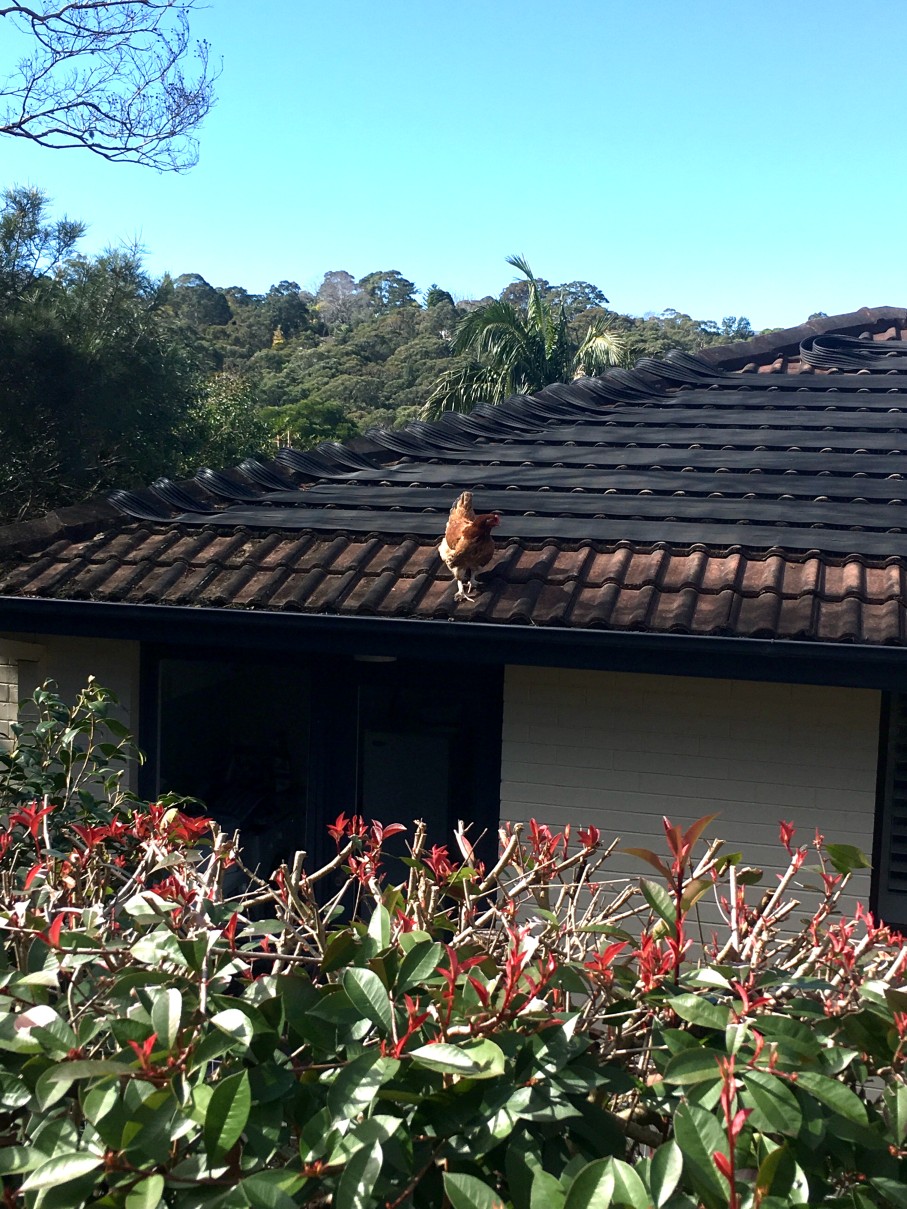
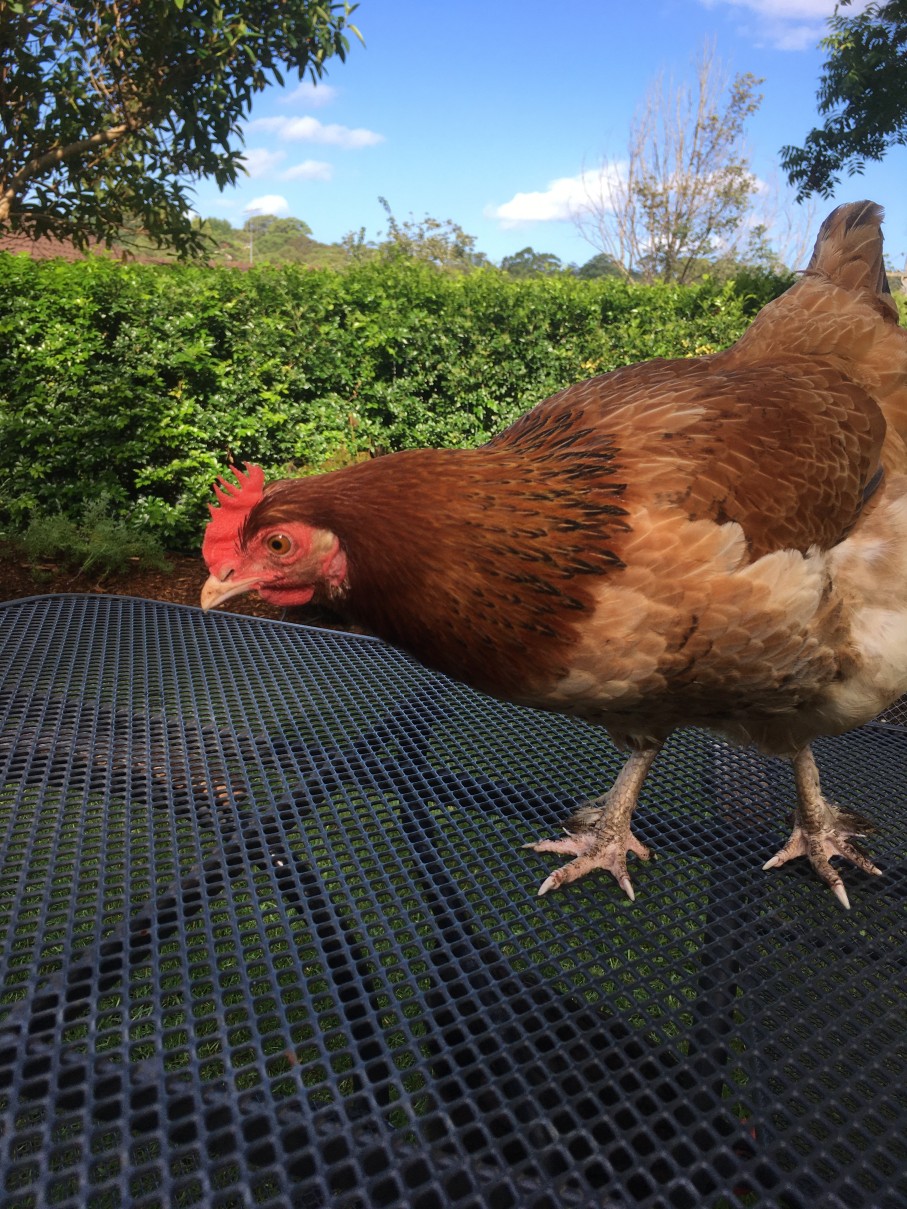
The evolution of chickens is interesting in so far as their DNA can be traced to dinosaurs before being domesticated approximately 6000 years ago. Even now chickens are becoming more prevalent as household pets in metropolitan areas. Here we can see evidence of their urbanisation as they are born directly into 'captivity'. Chickens have been found to have the closest DNA out of 21 modern species of animals to the Tyrannosaurus Rex. This is not surprising if you’ve seen them walk.Sigi Jöttkandt4115726eb75e75e43252a5cbfc72a780d0304d7d
Contents of this reply:
12021-04-25T04:03:41-07:00Sigi Jöttkandt4115726eb75e75e43252a5cbfc72a780d0304d7dEcoentanglement: In Depth14Ecoentanglement as a conceptplain2021-05-03T03:27:12-07:00Sigi Jöttkandt4115726eb75e75e43252a5cbfc72a780d0304d7d