Thanks for your patience during our recent outage at scalar.usc.edu. While Scalar content is loading normally now, saving is still slow, and Scalar's 'additional metadata' features have been disabled, which may interfere with features like timelines and maps that depend on metadata. This also means that saving a page or media item will remove its additional metadata. If this occurs, you can use the 'All versions' link at the bottom of the page to restore the earlier version. We are continuing to troubleshoot, and will provide further updates as needed. Note that this only affects Scalar projects at scalar.usc.edu, and not those hosted elsewhere.
Local Mining Culture and Digital Humanities MethodologiesMain MenuThe Hearl Maxwell Collection and Mining in the United StatesA overview of the Maxwell Collection, with in introduction into the exhibit.Why does it matter?A defense of the exhibit, and its thesis into the entirety of the research.Effects of World War IA description of the economy that followed the end of WW I and the difficulties that were faced.Corpus Text AnalysisWherein the body text is analyzed and patterns begin to develop.Concern for the WorkersA description and list of concerns for safety from District 14.Constitution for Work EnvironmentA description and analysis of the Constitution put in place in District 14, and the significance thereof.TimelineA Timeline of events starting from the mine worker's strikes to the eventual donation of the Hearl Maxwell Collection to Pittsburg State UniversityWhy does it matter? -- RevisitedWherein the arguments of the rest of the exhibit are brought together and put together into a functioning thesis.GalleryA gallery of the media used within the exhibit.Tyler Breedlovea71cc6498b6d19eafe211d1b0c73c9f02582536b
Issues on the National Level
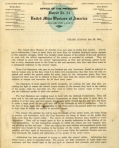
12016-05-04T01:46:46-07:00Tyler Breedlovea71cc6498b6d19eafe211d1b0c73c9f02582536b96277A description and analysis of the issues facing the local workers from the national level.plain2016-05-04T02:09:44-07:00Tyler Breedlovea71cc6498b6d19eafe211d1b0c73c9f02582536bThe backdrop of the Maxwell Collection is centered around the labor strikes that were happening in the early 1920s. This was a postwar economy, and as a result there was a profound problem with inflation occurring after the end of World War I. Unions formed as a result, and there were several groups opposed to this idea. As discussed by the America in Class organization: "The "labor vs. capital" battle pitted industrial workers who demanded higher wages in the postwar inflation economy against the industrialists who rejected unions as the product of foreign-inspired anarchist and Bolshevik (Communist) agitators."
Towards the beginning of the labor strikes, it would serve to purpose that the vocabulary usage, as discussed in on the Corpus Text Analysis page, would shift from words like "union," to "Kansas" and "district" as the focus shifts inward in order to make up for the huge conflict coming from the national level.
1media/HMaxwell.gifmedia/Parchment Texture.jpg2016-05-02T05:23:35-07:00Tyler Breedlovea71cc6498b6d19eafe211d1b0c73c9f02582536bThe Hearl Maxwell Collection and Mining in the United StatesJamie McDaniel19A overview of the Maxwell Collection, with in introduction into the exhibit.plain2792162016-05-20T15:19:29-07:00Jamie McDaniel7d1c50d66443d970871743d62f90c2a04a2f2c84
This page references:
12016-05-04T02:02:04-07:00Circular 1922 from United Mine Workers of America4A circular issued in 1922 discussing the issues being faced involving the national officers and the problems dealt thereof.media/Circular 1922 UMWA.jpgplain2016-05-04T02:06:48-07:00