Kim Sing Theatre
21
plain
2015-06-25T06:09:13-07:00
In February 2013, I visited the former site of the Kim Sing Theatre at the intersection of North Figueroa Street and Alpine Street. Thirteen years earlier Willard Ford, the son of actor Harrison Ford, purchased the structure that contained Kim Sing Theatre for $300,000. According to Ford’s account, the theater had been abandoned and neglected for around sixteen years before he noticed it while on a bike ride in Los Angeles’ Chinatown, and decided he had to buy it. While stories about Ford’s purchase, or his recent posting of the property to the real estate market, regularly include the year of the building's construction in 1926 and its initial purpose as a vaudeville theater, accounts in popular media rarely (if ever) explore the multiple identities the theater had in the time between its opening and its state of disuse, a time span of more than fifty-five years. Matching the changing demographics of the location’s surrounding community, before the theater screened Chinese-language films as the Kim Sing Theatre, it was the Carmen Theater, screening Spanish-language films. Before that it was the Alpine Theatre, the name it had when it opened as a vaudeville theater. While little information is available about the theater’s stint as the Carmen Theater, its name conjures Latin American star Carmen Miranda as well as the 'first queen of the movies,' the Spanish dancer Carmencita who starred in an 1894 Edison film. The fact that the Carmen theater screened Spanish-language films, and later the Kim Sing Theatre Chinese-language films, hints at its role in constructing a “parallel film culture” between the U.S. and Mexico, perhaps demonstrating as Laura Serna suggests “how moviegoing could strengthen rather than weaken attachments to home countries” (11).
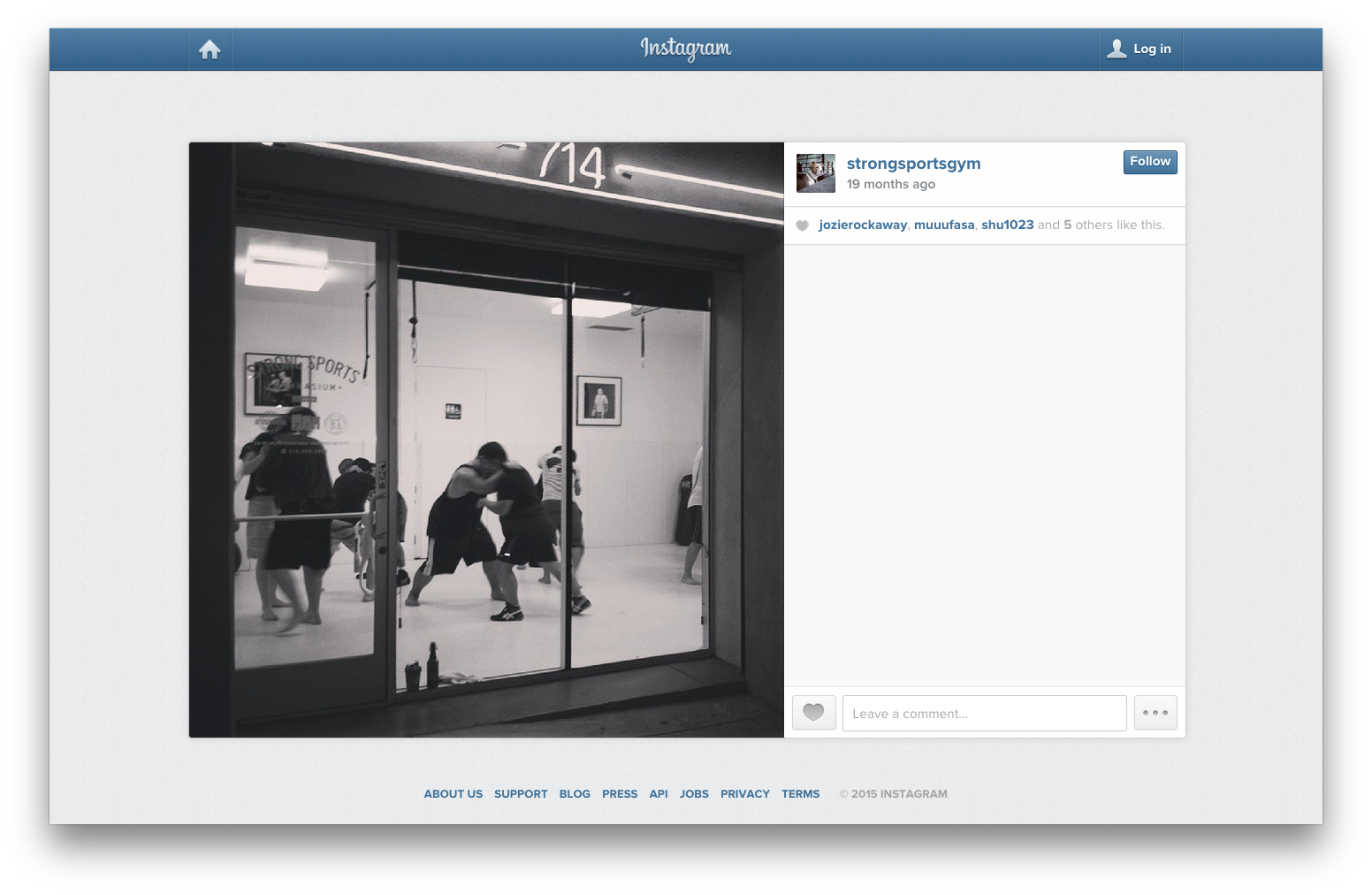
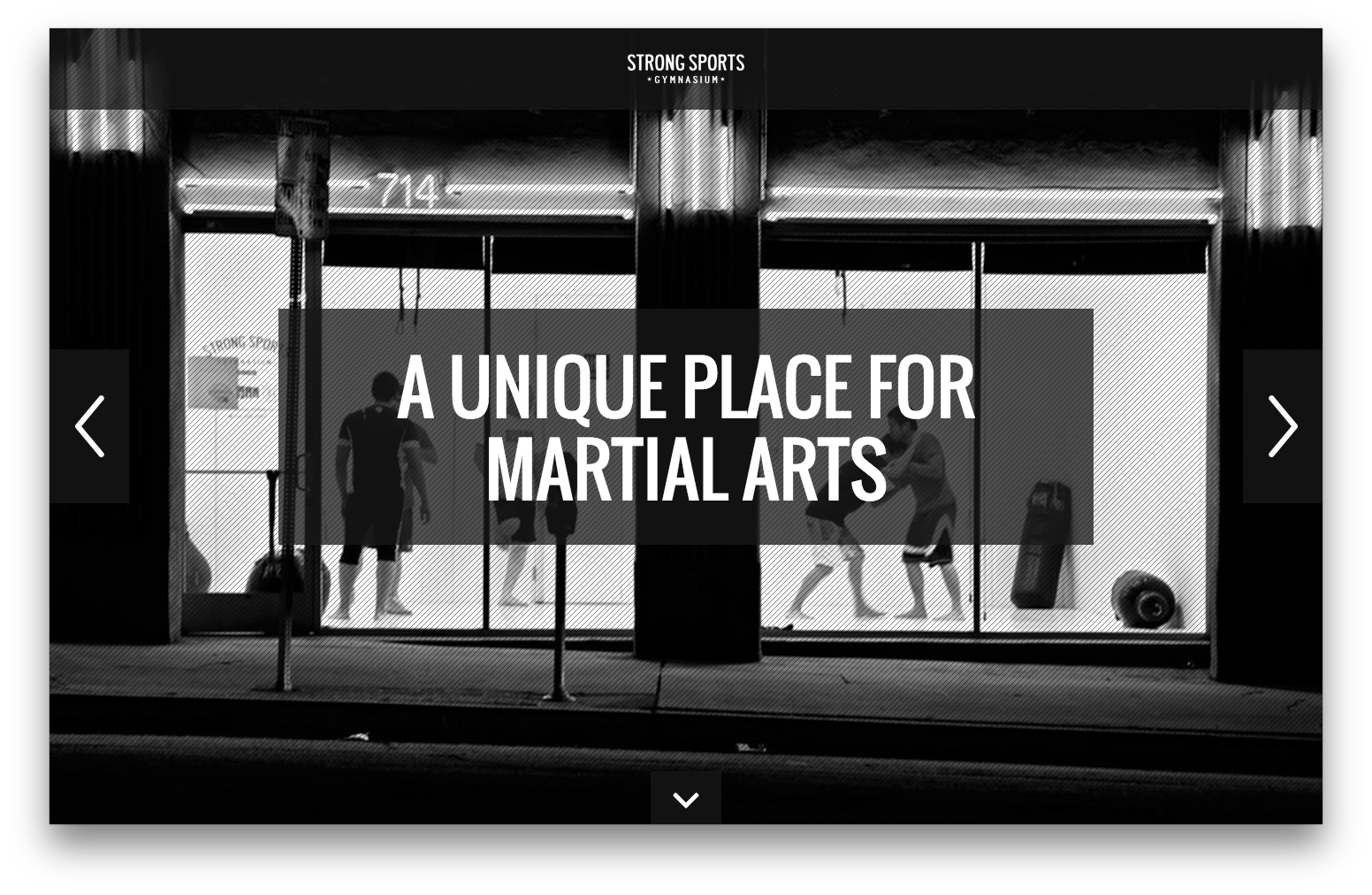
Preserving few aspects of the theater, Ford converted the building into a mixed-use space with four retail spaces and a loft within five years of his purchase. While he rendered the theater unrecognizable by converting it into a large open kitchen, some of the building’s features were retained, the Kim Sing Theatre’s original marquee was restored in the building’s renovation and remains in use today. Pink and yellow light bulbs chased one another brightly across the underside of the theater’s orange neon marquee as I stood beneath it in 2013. Standing on the west side of Figueroa Street, across from the structure that housed Ford’s newly consolidated company called “Flagship,” I glimpsed two figures sparring on the other side of a large front window. In addition to the former Kim Sing Theatre at 722 N. Figueroa, Ford’s mixed-use compound now also includes a gym called Strong Sports, a strange and somewhat unsettling backdrop to contemplate events that took place at this exact location in June of 1943.